22 Japanese ways to say “Mind your language”
Learning how to say “Mind your language” in Japanese can be both fun and useful.
Whether you’re trying to gently remind a friend or politely correct someone, Japanese has a variety of ways to express this idea.
This listicle will walk you through 22 different phrases and expressions, ranging from casual to formal, suitable for different situations.
You’ll find helpful pronunciation guides and simple explanations to make each phrase easy to remember and use.
Understanding these expressions will help you navigate conversations smoothly and respectfully in Japanese.
So, let’s dive in and explore these cool phrases together!
Getting Started with Japanese Language Tips
Japanese is a rich language with subtle nuances, especially when it comes to politeness and correcting speech.
Knowing when and how to say “Mind your language” can really make your communication clearer and friendlier.
It’s not just about words but also tone and context, which we’ll touch on as we go.

Using a helpful Japanese language learning resource can smooth your journey.
Practice makes perfect, and a little patience goes a long way.
Let’s take a look at some great ways to say “Mind your language” in Japanese!
Part 1: Casual Suggestions
1. 言葉に気をつけてね (Kotoba ni ki o tsukete ne) – “Mind your words, okay?”

This is a casual yet kind way to tell someone to watch their language.
“言葉 (kotoba)” means “words,” “に (ni)” is a particle indicating the target, and “気をつけて (ki o tsukete)” means “be careful.” Adding “ね (ne)” softens it, making it friendly.
Great for informal settings with friends or peers.
It’s a gentle nudge rather than a firm command.
You might hear this when someone says something a bit harsh or inappropriate.
Using this phrase helps keep the mood light while still communicating your point.
2. もう少し言葉を選んで (Mou sukoshi kotoba o erande) – “Choose your words a little more carefully.”

This phrase is a soft way to advise better word choice.
“もう少し (mou sukoshi)” means “a little more,” “言葉 (kotoba)” is “words,” “を (o)” marks the object, and “選んで (erande)” is the te-form of “choose.”
It’s polite enough for friends but casual enough for everyday use.
Don’t sound too harsh when you say it to keep the tone friendly.
For example, if someone uses slang or rude words, this phrase is perfect.
It encourages reflection without sounding judgmental.
3. 言い方に気をつけて (Iikata ni ki o tsukete) – “Watch your way of speaking.”

This one focuses on how you say things rather than just the words.
“言い方 (iikata)” means “way of speaking,” “に (ni)” indicates the target, and “気をつけて (ki o tsukete)” means “be careful.”
Useful when tone or mannerism is an issue, not just vocabulary.
It’s straightforward but not rude.
Perfect for reminding friends to be a bit more mindful in conversations.
It suggests awareness of delivery, which is key in Japanese culture.
4. その言葉はやめて (Sono kotoba wa yamete) – “Stop using that word.”

This is a bit more direct, telling someone to stop using a specific word.
“その (sono)” means “that,” “言葉 (kotoba)” is “word,” “は (wa)” is the topic marker, and “やめて (yamete)” means “stop.”
Use this carefully, as it’s firmer but still polite enough in casual settings.
Best for situations where a word is offensive or inappropriate.
It’s clear and gets the message across quickly.
Good to combine with a softer tone or smile to avoid sounding harsh.
5. 言葉遣いに気をつけて (Kotobazukai ni ki o tsukete) – “Mind your language (word usage).”

This phrase focuses on word choice and politeness.
“言葉遣い (kotobazukai)” means “language use” or “word choice,” “に (ni)” marks the target, and “気をつけて (ki o tsukete)” means “be careful.”
Good for friendly but slightly serious reminders.
It’s widely understood and polite enough for various situations.
You can use it when someone’s speech is too casual or blunt.
It encourages respectful and appropriate language.
6. ちょっと言葉を考えて (Chotto kotoba o kangaete) – “Think a bit about your words.”

A gentle suggestion to think before speaking.
“ちょっと (chotto)” means “a little,” “言葉 (kotoba)” is “words,” “を (o)” marks the object, and “考えて (kangaete)” means “think.”
Casual and friendly, great for close friends or informal settings.
Softens the correction with a thoughtful tone.
It’s encouraging rather than critical.
Use it when you want to politely highlight care in speech.
7. そんな言い方はよくないよ (Sonna iikata wa yokunai yo) – “That way of speaking isn’t good.”
This phrase comments on the manner of speaking.
“そんな (sonna)” means “such” or “that kind,” “言い方 (iikata)” is “way of speaking,” “は (wa)” is the topic marker, “よくない (yokunai)” means “not good,” and “よ (yo)” adds emphasis.
It’s casual but clear feedback.
Good for pointing out speech that might come across as rude or awkward.
Use tone carefully to keep it constructive.
It’s a helpful phrase for encouraging better communication.
8. もう少し丁寧に話してね (Mou sukoshi teinei ni hanashite ne) – “Please speak a little more politely, okay?”

This phrase is perfect when you want to remind someone to be polite in their speech.
“もう少し (mou sukoshi)” means “a little more,” “丁寧に (teinei ni)” means “politely,” “話して (hanashite)” is “speak,” and “ね (ne)” softens the request.
It’s friendly and encouraging.
Great for situations where the tone needs to be softened.
Use with a smile to keep it lighthearted.
It helps promote respectful communication.
Part 2: Polite & Formal Suggestions
9. 言葉遣いにご注意ください (Kotobazukai ni go-chuui kudasai) – “Please be careful with your language.”

This is a formal and respectful way to ask someone to mind their language.
“言葉遣い (kotobazukai)” means “language use,” “に (ni)” marks the target, “ご注意ください (go-chuui kudasai)” means “please be careful.”
Ideal in business or formal social situations.
It’s polite and clear without sounding rude.
Useful for emails, meetings, or formal conversations.
It shows professionalism and respect.
10. 言葉に気をつけていただけますか? (Kotoba ni ki o tsukete itadakemasu ka?) – “Could you please mind your words?”

This is a very polite and humble way to ask someone to watch their language.
“いただけますか (itadakemasu ka)” adds respectful request tone.
Great for formal or customer service situations.
It’s indirect and soft, showing deference.
Helps maintain harmony and politeness.
Perfect when you want to be extra courteous.
11. 言葉遣いを正してください (Kotobazukai o tadashite kudasai) – “Please correct your language.”
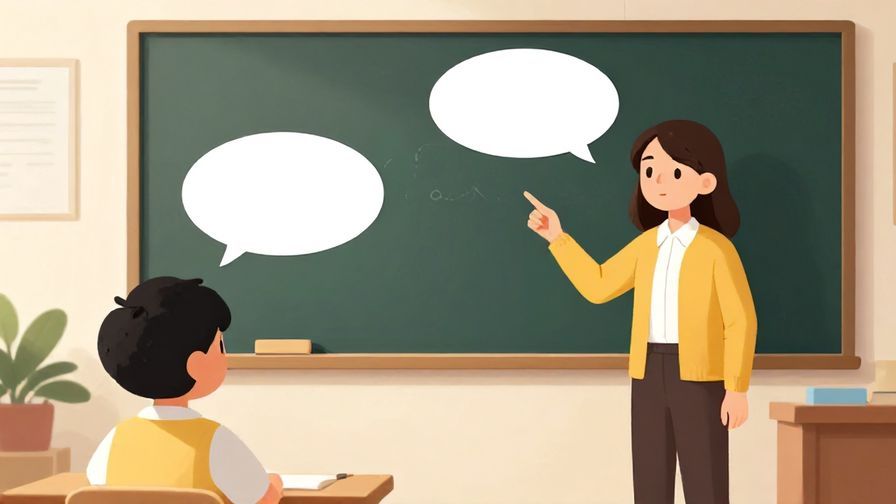
This phrase politely asks for correction in language use.
“正してください (tadashite kudasai)” means “please correct.”
Appropriate for formal corrections, such as in education or professional settings.
It’s direct but respectful.
Use carefully to avoid sounding too strict.
Shows you value proper communication.
12. 失礼な言葉遣いはお控えください (Shitsurei na kotobazukai wa o-hikae kudasai) – “Please refrain from rude language.”

This is a polite way to ask someone to avoid rude language.
“失礼な (shitsurei na)” means “rude,” “お控えください (o-hikae kudasai)” means “please refrain.”
Suitable for formal events, official notes, or polite warnings.
Keeps the atmosphere respectful.
Helps prevent uncomfortable situations.
Use when setting clear behavioral expectations.
13. 言葉遣いにご配慮願います (Kotobazukai ni go-hairyo negaimasu) – “Please consider your language.”

This is a very polite and thoughtful request.
“ご配慮願います (go-hairyo negaimasu)” means “please consider.”
Good for formal writing or speech.
Shows tact and respect.
Softens the request while still being clear.
Useful in professional or diplomatic contexts.
14. 丁寧な言葉遣いを心がけてください (Teinei na kotobazukai o kokorogakete kudasai) – “Please make an effort to use polite language.”

This phrase encourages polite language use sincerely.
“心がけてください (kokorogakete kudasai)” means “please make an effort.”
Perfect for mentoring or coaching situations.
Shows care and guidance.
Encourages improvement without criticism.
Ideal for respectful communication growth.
15. 不適切な言葉遣いはご遠慮ください (Futekisetsu na kotobazukai wa go-enryo kudasai) – “Please avoid inappropriate language.”

This is a formal way to ask someone not to use inappropriate language.
“不適切な (futekisetsu na)” means “inappropriate,” “ご遠慮ください (go-enryo kudasai)” means “please refrain.”
Great for official notices or public announcements.
Maintains professionalism and clarity.
Helps keep communication respectful.
Use when setting clear boundaries.
16. ご発言にご注意ください (Go-hatsugen ni go-chuui kudasai) – “Please be careful with your remarks.”

This phrase politely asks caution in what is said.
“発言 (hatsugen)” means “remarks” or “statements.”
Used in formal meetings or discussions.
Shows respect and professionalism.
Helps maintain decorum in conversations.
Useful for managing sensitive topics.
Part 3: Very Casual / Native-like Expressions
17. 口には気をつけて! (Kuchi ni wa ki o tsukete!) – “Watch your mouth!”

A very casual and native-like way to say “mind your language.”
“口 (kuchi)” means “mouth,” and the phrase is a sharp but friendly warning.
Used between close friends or siblings.
Can be teasing, so tone matters a lot.
Great for light-hearted corrections.
Use with caution to avoid offending someone unfamiliar with the tone.
18. その言葉やめてよ! (Sono kotoba yamete yo!) – “Cut that out!”
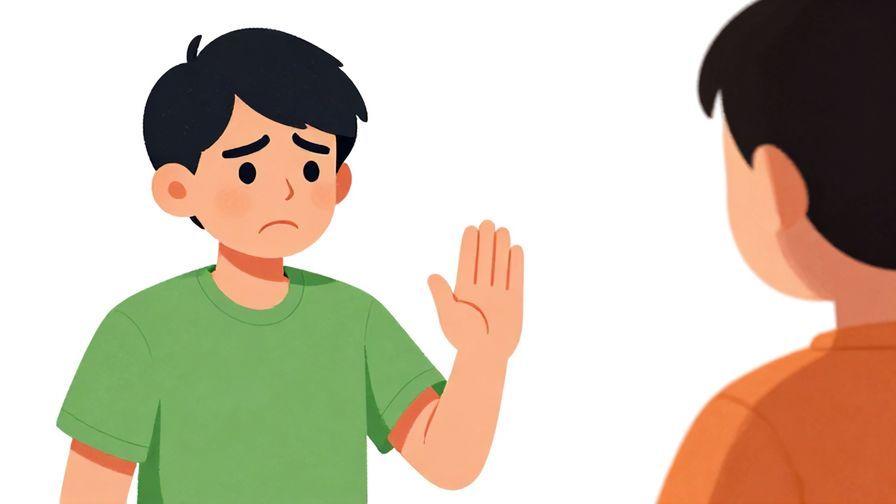
This is a casual and emphatic way to ask someone to stop saying something.
“よ (yo)” adds emphasis and emotional punch.
Common among young people or close friends.
Not polite but very natural.
Use it when you want to be direct but not harsh.
Shows closeness and familiarity between speakers.
19. 言わないでよ! (Iwanaide yo!) – “Don’t say that!”

A quick and casual way to tell someone to stop speaking.
Short and to the point, very common in everyday speech.
“言わないで (iwanaide)” means “don’t say.”
Great for expressing mild shock or disapproval.
Use with friends or family.
Expresses a strong yet casual wish to avoid certain words.
20. 変な言い方しないで (Hen na iikata shinaide) – “Don’t say it weirdly.”

This phrase calls out awkward or strange phrasing.
“変な (hen na)” means “weird,” “言い方 (iikata)” is “way of speaking,” “しないで (shinaide)” means “don’t do.”
Used informally among friends.
Can be teasing or lightly critical.
Good for helping someone improve their speech.
Shows casual intimacy in conversations.
21. そんな言い方しないでよ (Sonna iikata shinaide yo) – “Don’t say it like that!”

A casual way to tell someone their way of speaking isn’t right.
“そんな (sonna)” means “such,” “しないでよ (shinaide yo)” means “don’t do (that).”
Used among close friends or family.
Softened with “よ (yo)” to keep it friendly.
Good for correcting tone or phrasing casually.
Shows familiarity and comfort in speech.
22. ちょっと言葉を気にして (Chotto kotoba o ki ni shite) – “Be a little careful with your words.”

A soft and casual expression to remind someone to watch their words.
“気にして (ki ni shite)” means “be mindful of.”
Great for everyday conversations.
Non-threatening and kind.
Encourages mindfulness without pressure.
Perfect for friends or informal social situations.
Concluding Thought
Exploring different ways to say “Mind your language” in Japanese shows us how language reflects culture and relationships.
From casual nudges to formal requests, each phrase helps maintain respect and harmony in communication.
Keep practicing these expressions, and you’ll navigate Japanese conversations with confidence and warmth!