22 Japanese ways to say “Promise”
Promises are the little threads that weave our relationships together, making sure trust and understanding flow smoothly. In Japanese, there’s a rich variety of expressions to convey this idea, from casual to deeply formal.
Whether you’re making a lighthearted agreement or a serious vow, the right word or phrase can make all the difference. It’s fascinating to see how language shapes the way promises feel and sound.
Learning these different ways to say “promise” isn’t just about vocabulary; it’s about connecting with culture and nuance. It makes your conversations warmer and more meaningful.
Ready to explore 22 Japanese ways to say “promise” with a friendly, easygoing vibe? Let’s dive in and find the perfect phrase for every promise you want to make.
Along the way, you’ll pick up useful tips and even a few fun mnemonics to lock these phrases into your memory. Plus, knowing these makes you sound way more natural!
So grab your favorite phrasebook or language app, and let’s start promising Japanese style!
Understanding Promises in Japanese Culture
Promises in Japanese aren’t just words; they carry weight and intention. The context, formality, and relationship between speakers influence which phrase fits best.
This means that picking the right word for “promise” can subtly change how your message is received, from casual chats to heartfelt vows.
Getting comfortable with these options helps you navigate social situations with ease and respect.

Sometimes, using a great beginner phrasebook can give you a perfect starting point for a cohesive understanding.
With a little practice, you’ll feel more confident making promises that truly connect.
Let’s get started with some casual ways to say “promise” that you can use with friends and family.
Part 1: Casual Suggestions
1. 約束する (Yakusoku suru) – “To promise.”

This is the most straightforward way to say “promise” in Japanese. The word 約束 (yakusoku) means “promise,” and する (suru) means “to do” — so together, it means “to make a promise.”
It’s simple and commonly used in everyday conversations, making it a great go-to phrase for beginners.
Using 約束する sounds polite enough without being too formal, perfect for friends or colleagues.
It’s like the solid “promise” everyone knows and trusts.
You can say: 「約束するよ!」 (Yakusoku suru yo!) — “I promise!” to keep it casual and friendly.
Try this phrase first to build a strong foundation for all your promise-related expressions.
2. きっと (Kitto) – “Surely/I promise.”

きっと (kitto) literally means “surely” or “definitely,” but it’s often used to imply a strong promise or guarantee.
It’s a soft but confident way to assure someone something will happen, and it’s easy to sprinkle into conversation naturally.
For example, 「きっと来るよ」 (Kitto kuru yo) means “I’ll surely come.”
Be careful not to overuse it in formal settings, as it leans casual and optimistic.
It’s great for lifting someone’s spirits or showing your strong intention without sounding too stiff.
Using きっと makes promises feel hopeful and heartfelt.
3. 約束だよ (Yakusoku da yo) – “It’s a promise.”

This phrase highlights the commitment by stating “It’s a promise.” The casual だ (da) is like “is,” and よ (yo) adds emphasis or friendliness.
It’s a playful yet sincere way to seal a promise, often used among close friends or family.
It’s also easy to remember because it’s just your basic “promise” noun plus a simple copula.
It feels personal, like a sweet pact between pals.
Try it out with friends to make your promises sound warm and genuine.
It’s a handy phrase to express trust and closeness.
4. 約束ね (Yakusoku ne) – “Promise, okay?”

Adding ね (ne) at the end turns a statement into a soft confirmation, like “okay?” or “right?”
So 約束ね (yakusoku ne) means “Promise, okay?” — it invites agreement and makes the promise feel mutual and friendly.
This phrase works well in casual or semi-formal situations.
It’s easy to use and creates a warm, cooperative tone.
For example, “明日行くよ。約束ね!” (Ashita iku yo. Yakusoku ne!) means “I’ll go tomorrow. Promise, okay?”
It’s great when you want to gently remind someone about a promise.
5. 絶対に (Zettai ni) – “Absolutely/I promise.”

絶対に (zettai ni) means “absolutely” or “definitely,” and it’s used to stress a promise or a firm decision.
It’s stronger than きっと and adds a sense of unwavering commitment.
Try saying 「絶対に忘れない」 (Zettai ni wasurenai) — “I absolutely won’t forget.”
Use it to underline promises that you want to sound serious but still casual.
It’s easy to remember since the word “zettai” often pops up in anime and dramas meaning “no way” or “absolutely.”
This phrase helps you sound determined and trustworthy in friendly promises.
6. 約束しよう (Yakusoku shiyou) – “Let’s promise.”

This is a friendly invitation to make a promise together. The verb form しよう (shiyou) means “let’s do.”
約束しよう (yakusoku shiyou) literally means “Let’s promise,” which feels inclusive and warm.
It’s perfect when you want to agree on something together casually.
Think of it as a way to create a pact rather than just making one-sided promises.
Using this phrase naturally builds camaraderie and trust in your conversations.
It’s easy to use in everyday life, whether with friends or family.
7. 確約する (Kakuyaku suru) – “To guarantee (promise formally).”

確約 (kakuyaku) means a firm, guaranteed promise, often used in formal or business contexts.
It’s a stronger, more official way to say “promise,” implying certainty and responsibility.
For example, in contracts or serious agreements, 確約する is the go-to phrase.
This phrase is a bit advanced but useful if you want to sound professional.
Don’t use it casually; it’s reserved for serious promises.
Knowing this can help you understand formal Japanese and business discussions better.
8. 約束守る (Yakusoku mamoru) – “To keep a promise.”

守る (mamoru) means “to protect” or “to keep,” so 約束守る means “to keep a promise.”
This phrase is useful to talk about the importance of following through.
You can say 「約束を守るよ」 (Yakusoku o mamoru yo) — “I will keep my promise.”
It’s a great phrase to emphasize responsibility and trust.
It also helps you express your reliability in both casual and polite situations.
Practice it to sound dependable and sincere in your promises.
Part 2: Polite & Formal Suggestions
9. お約束 (Oyaku-soku) – “Honorable promise.”
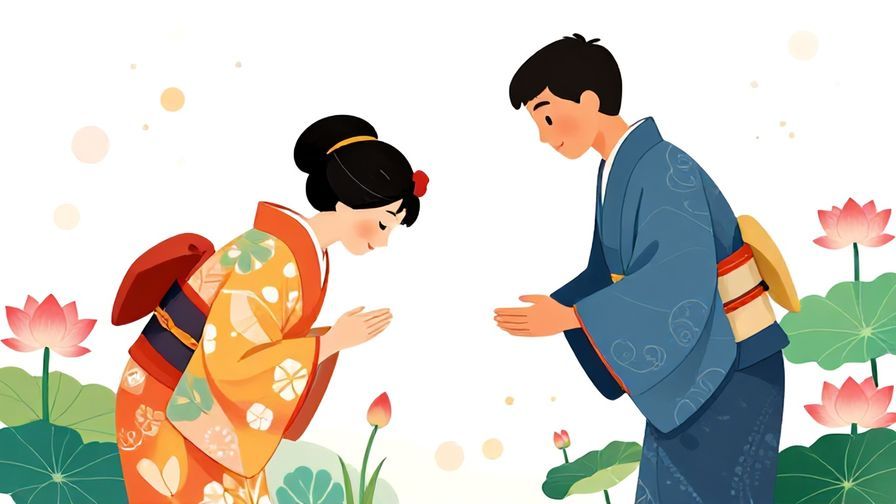
Adding the honorific お (o) before 約束 makes it more polite and respectful.
お約束 is often used in formal contexts or when addressing someone respectfully.
It sounds warm and courteous without being too stiff.
Use this when you want to honor the promise socially or professionally.
It’s easy to remember by associating お (o) with respect and politeness.
This phrase shows you value the promise and the person you’re speaking to.
10. 誓う (Chikau) – “To vow/pledge.”

誓う (chikau) means “to vow” or “to swear,” a much stronger and more formal word than 約束する.
It’s used in serious promises, like wedding vows or solemn pledges.
It’s a beautiful, weighty word that expresses deep commitment.
For example, 「永遠の愛を誓います」 (Eien no ai o chikaimasu) means “I vow eternal love.”
Use it when you want to sound heartfelt and formal.
It’s a powerful word to know and can impress in the right context.
11. お約束いたします (Oyaku-soku itashimasu) – “I humbly promise.”

This is the humble, very polite form of “making a promise.”
The verb いたします (itashimasu) is a humble form of する (to do), showing respect.
It’s perfect for formal letters, speeches, or business commitments.
Use it to convey deference and professionalism.
It’s a bit advanced but great for formal Japanese learners.
Knowing this phrase sets you apart when you need to sound extra polite.
12. 忠誠を誓う (Chūsei o chikau) – “To swear loyalty.”

This phrase means “to swear loyalty,” combining 忠誠 (chūsei) meaning “loyalty” with 誓う (chikau) meaning “to vow.”
It’s used in very formal or literary contexts, not daily talk.
Great for understanding historical dramas or formal speeches.
It conveys deep allegiance and serious promise.
Memorize it to impress with your grasp of formal and poetic Japanese.
Use it to explore cultural nuances about promises and honor.
13. 誓約 (Seiyaku) – “Pledge; solemn promise.”

誓約 (seiyaku) is a noun meaning “pledge” or “solemn promise.”
It sounds formal and is often used in legal or official contexts.
“誓約書” (seiyakusho) means pledge document or written contract.
Use it when discussing formal agreements or serious commitments.
It’s a handy word if you want to understand professional Japanese better.
Recognizing this term can help you read contracts or official texts.
14. 了承する (Ryōshō suru) – “To agree/consent (implied promise).”

了承 (ryōshō) means “to consent” or “acknowledge,” often implying a promise to comply.
It’s used in polite or business contexts to show agreement.
It’s less direct than 約束 but still important for formal promises.
Try using it in professional emails or meetings.
It helps you sound respectful and cooperative.
Understanding this phrase improves your formal conversation skills.
15. 約束を果たす (Yakusoku o hatasu) – “To fulfill a promise.”

果たす (hatasu) means “to fulfill” or “carry out,” so this phrase means “to fulfill a promise.”
It’s useful for talking about following through with commitments.
Use it to express reliability formally or casually.
For example, 「約束を果たします」 (Yakusoku o hatashimasu) means “I will fulfill my promise.”
It’s a great phrase to add nuance when talking about promises.
Use it to sound trustworthy and dependable.
16. 断言する (Dangen suru) – “To assert; declare firmly (promise-like).”

断言 (dangen) means “to assert” or “declare definitively,” often carrying a promise-like certainty.
It’s a formal way to make a statement you stand by firmly.
It’s useful in speeches, debates, or formal discussions.
Using it shows strong conviction and seriousness.
It’s a bit formal, but great for advanced learners aiming for persuasive speech.
Try it when you want to promise with authority.
Part 3: Very Casual / Native-like Expressions
17. 約束ね! (Yakusoku ne!) – “Promise, okay?” (casual emphasis)

This casual phrase is great for friendly promises with a warm, playful tone.
The ね (ne) adds a soft confirmation, like “right?” making it feel more like a shared secret.
It’s easy to say and super common among young people.
Try it out with friends to sound natural and close.
It’s a fun phrase to practice for everyday conversation.
Use it to make promises feel light yet sincere.
18. 絶対だよ! (Zettai da yo!) – “It’s absolute!” (casual strong promise)

Adding だよ (da yo) to 絶対 (zettai) makes it a strong, casual promise.
It’s like saying “Definitely!” with confidence and friendliness.
Great for informal conversations when you want to reassure someone.
It sounds natural and energetic.
Be mindful that it’s casual, so avoid in formal settings.
It’s a lively way to show you mean what you say.
19. 約束したじゃん! (Yakusoku shita jan!) – “You promised, didn’t you?”

This phrase is used to remind someone of a promise in a casual, sometimes teasing way.
じゃん (jan) adds a bit of informal emphasis, like “didn’t you?”
It’s common among friends or siblings.
Use it to nudge someone gently about a commitment.
It’s a natural phrase that helps you sound like a native speaker.
Try it to master casual reminder expressions.
20. 約束だってば! (Yakusoku datte ba!) – “I’m telling you, it’s a promise!”

The phrase だってば (datte ba) adds emphasis and sometimes mild frustration or insistence.
It’s used when you want to strongly assure or remind someone about a promise.
It’s casual and very conversational.
Perfect for moments when you want to be emphatic but friendly.
Use it to show personality and natural flow in conversations.
It’s a phrase that makes your Japanese sound lively and real.
21. 約束守ってよ! (Yakusoku mamotte yo!) – “Keep the promise, okay?” (friendly command)

This phrase is a casual way to ask someone to keep their promise.
守って (mamotte) is the te-form of 守る (mamoru), meaning “to keep,” and よ (yo) adds friendly emphasis.
It’s direct but polite enough for friends.
Great for encouraging reliability in a lighthearted way.
Practice it to sound natural when you want to remind someone gently.
It’s a phrase full of warmth and trust.
22. 約束な! (Yakusoku na!) – “Promise!” (casual, emphatic)

This is a very casual, emphatic way to say “Promise!”
な (na) adds a masculine or friendly tone, depending on the speaker.
It’s commonly used among close friends or family.
Short and punchy, it’s easy to remember and use.
Perfect for informal conversations when you want to sound confident and natural.
Use this phrase to seal your casual promises like a native.
Concluding Thought
Exploring these 22 ways to say “promise” in Japanese shows how versatile and rich the language is when it comes to expressing commitment.
From casual chats with friends to solemn vows, each phrase carries its own warmth and nuance, helping you connect more deeply in conversations.
Keep practicing these expressions, and you’ll find yourself sounding more natural and confident, making promises that truly resonate with the heart.