22 Japanese ways to say “I’ll back you up”
Backing up a friend or colleague is such a powerful thing to say in any language. In Japanese, there are many ways to express “I’ll back you up,” each carrying its own nuance and warmth.
Whether you want to sound casual or polite, supportive or strong, this list has you covered. Learning these phrases not only boosts your Japanese skills but also deepens your connection with others.
From everyday conversations to more formal settings, you’ll find expressions that fit every situation. Plus, you’ll get tips on pronunciation and meaning to make sure you nail it every time.
Let’s dive into these 22 Japanese ways to say “I’ll back you up,” so you can confidently support your friends and teammates in style!
Ready to get started? These phrases are practical, easy to learn, and will come in handy sooner than you think.
Grab your notebook or favorite app, and let’s make backing up someone in Japanese feel natural and heartfelt.
Understanding Backing Someone Up in Japanese
Backing someone up in Japanese can take many forms depending on the situation and relationship.
From casual chats with friends to formal business settings, the phrases vary in tone and politeness. Knowing when and how to use them adds a lot of depth to your communication.
Think of these expressions as tools you can pick and choose depending on who you’re talking to and what kind of support you want to express.

Sometimes, a great beginner phrasebook can give you a perfect starting point for a cohesive understanding.
Learning these phrases helps you express empathy and reliability clearly.
Even just knowing a few can improve your daily conversations and build trust.
Part 1: Casual Suggestions
1. 頼ってね (Tayotte ne) – “Count on me.”

This phrase is a warm and casual way to say “You can rely on me.”
“頼って” (tayotte) is the imperative form of the verb “頼る” (tayoru), meaning “to rely on,” and “ね” (ne) adds a friendly tone. It’s perfect for close friends or coworkers.
Using this phrase makes you sound approachable and supportive.
Try to say it with a gentle smile for the best effect.
You might also hear “頼っていいよ” (tayotte ii yo) which means “It’s okay to rely on me.”
Keep this phrase handy for reassuring friends who need a boost.
2. 力になるよ (Chikara ni naru yo) – “I’ll be your strength.”

This expression means you’ll support someone by being their strength.
“力” (chikara) means “power” or “strength,” and “になる” (ni naru) means “to become.” Adding “よ” (yo) at the end makes it casual and confident.
It’s great for encouraging friends who are facing tough challenges.
Say it with energy to show your commitment.
Related phrase: “味方になるよ” (mikata ni naru yo) means “I’ll be on your side.”
Use this when you want to show strong emotional or moral support.
3. 手伝うよ (Tetsudau yo) – “I’ll help you.”

Simple and friendly, this phrase means “I’ll help you.”
“手伝う” (tetsudau) is the verb “to help,” and “よ” (yo) softens it and adds friendliness.
It’s perfect for offering support in practical situations.
Use it anytime you want to show you’re ready to pitch in.
For a softer version, you can say “手伝うね” (tetsudau ne) which sounds even more gentle.
Great for everyday conversations with friends or family.
4. 支えるよ (Sasaeru yo) – “I’ll support you.”

This phrase translates directly as “I’ll support you.”
“支える” (sasaeru) means “to support” or “to hold up,” and with “よ” (yo) it’s casual but sincere.
It’s a great phrase for emotional or practical support.
Say it with calm confidence to reassure.
Often used in friendships or between teammates.
It’s a dependable phrase you can use in many situations.
5. 俺がついてる (Ore ga tsuiteru) – “I’ve got your back.”

This is a very casual and masculine way to say “I’ve got your back.”
“俺” (ore) is an informal “I” used mostly by men, “が” (ga) is the subject marker, and “ついてる” (tsuiteru) means “attached” or “with you.”
It’s perfect for close friends or when you want to sound confident and reassuring.
Use it sparingly with people you know well to avoid sounding too rough.
For a softer tone, women might say “私がついてる” (watashi ga tsuiteru).
It’s a phrase full of loyalty and strength.
6. 心強いよ (Kokorozuyoi yo) – “I’ll be your support.”
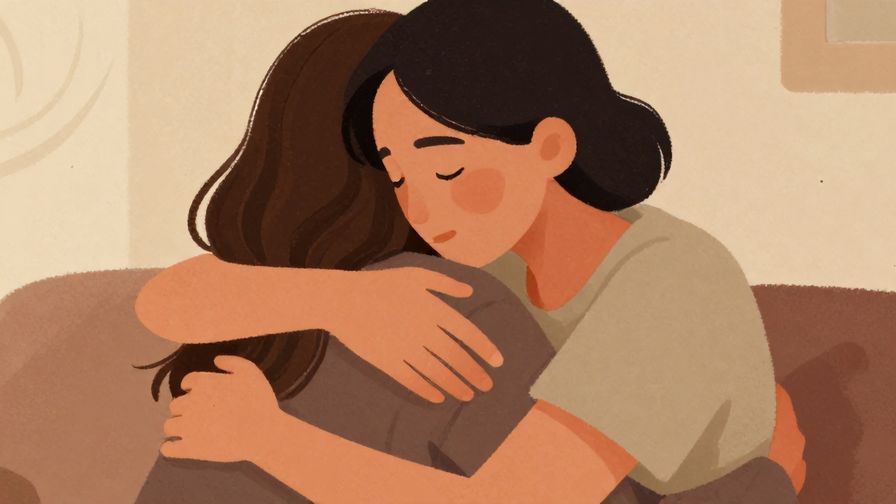
This phrase literally means “I’m strong in your heart,” implying strong emotional support.
“心強い” (kokorozuyoi) means “reassuring” or “encouraging,” and with “よ” it’s casual and warm.
Use it when you want to emotionally uplift someone.
It’s a heartfelt way to say you’re there for them.
Try pairing it with a gentle smile for maximum comfort.
Great for close friends or loved ones in tough times.
7. 一緒にいるよ (Issho ni iru yo) – “I’ll be with you.”
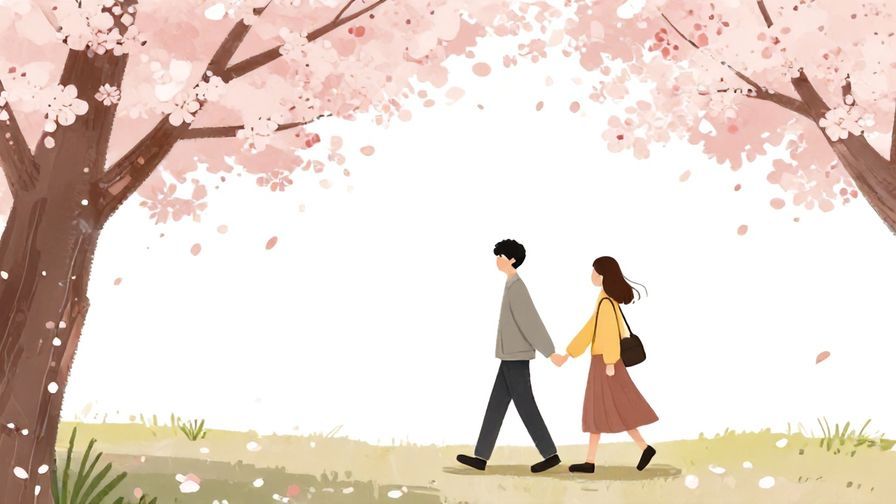
This phrase means “I’ll stay with you” or “I’m by your side.”
“一緒に” (issho ni) means “together,” “いる” (iru) means “to be (exist),” and “よ” adds friendly emphasis.
It’s perfect for offering emotional presence and companionship.
Say it gently to show heartfelt support.
Good for friends or partners needing moral support.
A beautiful way to express solidarity and care.
8. 助けるよ (Tasukeru yo) – “I’ll help you out.”

This casual phrase means “I’ll help you out.”
“助ける” (tasukeru) means “to help” or “to save,” and “よ” adds a friendly tone.
It’s great for offering immediate or practical assistance.
Use it when you want to sound reliable and ready to act.
Can be paired with “大丈夫?” (daijoubu?) meaning “Are you okay?”
Works well in both casual and slightly serious situations.
Part 2: Polite & Formal Suggestions
9. お手伝いします (O-tetsudai shimasu) – “I will help you.”

This is a polite and formal way to say “I will help you.”
“お手伝い” (o-tetsudai) is the honorific form of “help,” and “します” (shimasu) is the polite verb “do.”
Perfect in work or formal situations to show respect.
Say it clearly and calmly for best effect.
It’s often used when offering help to strangers or superiors.
Using honorifics shows your politeness and professionalism.
10. 支援いたします (Shien itashimasu) – “I will provide support.”

This is a very formal phrase meaning “I will support you.”
“支援” (shien) means “support,” and “いたします” (itashimasu) is the humble form of “do.”
Use it in business meetings or official communications.
It conveys professionalism and humility.
Good for written communication or formal speeches.
This phrase expresses strong dedication to helping.
11. ご協力いたします (Go-kyouryoku itashimasu) – “I will cooperate with you.”

This phrase means “I will cooperate with you” politely.
“ご協力” (go-kyouryoku) means “cooperation” with honorific prefix “ご,” and “いたします” is the humble form of “do.”
Use it when promising teamwork in formal contexts.
It’s a great phrase to show willingness to collaborate.
Often used in business emails or meetings.
It sounds very respectful and professional.
12. 支えさせていただきます (Sasae sasete itadakimasu) – “Allow me to support you.”

This very polite phrase means “Allow me to support you.”
“支え” (sasae) is “support,” “させていただきます” (sasete itadakimasu) is a humble expression meaning “let me do.”
Use this to show humble willingness in professional or respectful settings.
It expresses both respect and eagerness to help.
Great for client services or senior colleagues.
It’s a beautiful, formal way to offer your help.
13. お力になります (O-chikara ni narimasu) – “I will be of assistance.”

This polite phrase means “I will be of assistance.”
“お力” (o-chikara) is a respectful way of saying “power” or “help,” “になります” (ni narimasu) means “to become.”
Use it to express readiness to help with respect.
Common in business or customer service.
It sounds both humble and supportive.
Try it when you want to sound dependable and polite.
14. いつでもお手伝いいたします (Itsudemo o-tetsudai itashimasu) – “I’m always ready to help.”

This phrase means “I’m always ready to help” in a polite way.
“いつでも” (itsudemo) means “anytime,” “お手伝い” (o-tetsudai) is “help” with honorific, and “いたします” is polite “do.”
It shows your constant willingness to assist.
Great for customer service or teammates.
Say it with sincerity to sound genuine.
It reassures others of your dependable support.
15. 全力でサポートします (Zenryoku de sapōto shimasu) – “I will support you with all my strength.”

This phrase means “I will support you with all my strength.”
“全力” (zenryoku) means “full power,” “サポートします” (sapōto shimasu) is “support” in katakana and polite verb.
Use it to express full commitment in a formal or semi-formal setting.
It’s motivational and shows strong dedication.
Perfect for encouraging teammates or clients.
A powerful phrase to express wholehearted support.
16. 必ず力になります (Kanarazu chikara ni narimasu) – “I will definitely back you up.”

This phrase means “I will definitely be your strength.”
“必ず” (kanarazu) means “without fail” or “definitely,” “力になります” (chikara ni narimasu) means “become strength.”
Use it to strongly promise support in a polite way.
It’s reassuring and firm without being too casual.
Great for important conversations with colleagues or friends.
Shows your serious commitment.
Part 3: Very Casual / Native-like Expressions
17. ついてるよ (Tsuiteru yo) – “I’m with you.”

This phrase is a very casual way to say “I’m with you.”
“ついてる” (tsuiteru) means “attached” or “following,” and “よ” adds friendly emphasis.
It’s used among close friends or peers.
Say it with a confident tone to show support.
Can be used to back someone up in casual conversations.
It sounds natural and native-like in everyday speech.
18. 任せて (Makase te) – “Leave it to me.”

This phrase means “Leave it to me” in a casual, confident way.
“任せて” (makasete) is the te-form of “任せる” (makaseru), meaning “to entrust.”
It’s perfect for showing you will handle something.
Use it among friends or coworkers.
It’s a short phrase that packs a lot of assurance.
Sounds native and natural for backing someone up.
19. 俺がいるから (Ore ga iru kara) – “Because I’m here.”

This phrase means “Because I’m here” in a casual but strong way.
“俺” (ore) is informal “I,” “が” (ga) subject particle, “いる” (iru) means “to be,” “から” (kara) means “because.”
It implies the speaker will back you up by their presence.
Very casual and masculine.
Use it with close friends or younger people.
It’s a confident phrase that reassures.
20. 頼っていいよ (Tayotte ii yo) – “You can count on me.”

This phrase means “It’s okay to rely on me.”
“頼って” (tayotte) is “rely on,” “いいよ” (ii yo) means “it’s good” or “okay” with casual ending.
It invites someone to lean on you.
Warm and gentle, perfect for friends.
Use it to encourage openness and trust.
Easy to say and very natural.
21. 手を貸すよ (Te o kasu yo) – “I’ll lend you a hand.”

This phrase means “I’ll lend you a hand.”
“手” (te) means “hand,” “貸す” (kasu) means “to lend,” and “よ” adds friendly emphasis.
It’s a casual, friendly offer to help.
Great for practical support in daily life.
Often used in casual conversations or among peers.
Sounds warm and helpful.
22. 一緒に頑張ろう (Issho ni ganbarou) – “Let’s do our best together.”

This phrase means “Let’s do our best together.”
“一緒に” (issho ni) means “together,” “頑張ろう” (ganbarou) is the volitional form of “to do one’s best.”
It’s a very encouraging way to support each other.
Use it with friends or teammates.
It expresses mutual effort and backing.
A wonderful phrase to strengthen bonds.
Concluding Thought
Learning how to say “I’ll back you up” in Japanese opens up so many ways to show care and solidarity.
These 22 phrases cover casual, polite, and native-like expressions that will help you connect deeply with others in any situation.
Keep practicing, and soon you’ll find yourself naturally offering support with heartfelt words that resonate perfectly in Japanese culture. Ganbatte!