22 Japanese ways to say “Blood is thicker than water”
Family ties run deep in every culture, and Japan is no exception.
When it comes to expressing just how strong those bonds are, Japanese has some beautifully unique ways to say “Blood is thicker than water.”
Whether you’re learning Japanese for fun, travel, or to connect with loved ones, knowing these expressions can add warmth and depth to your conversations.
In this list, we’ll explore 22 different Japanese phrases that capture the spirit of family loyalty and closeness, each with its own flavor and context.
Understanding these will not only help you sound more natural but also appreciate the cultural nuances behind these heartfelt sayings.
Ready to dive in and see how the Japanese express the power of family ties? Let’s get started!
Understanding the Heart of Family in Japanese
Japanese culture places great importance on family and close relationships.
Many common phrases reflect this value, often with poetic or metaphorical meanings that go beyond the literal.
These expressions provide insight into how the Japanese view the strength and importance of blood relations compared to other bonds.
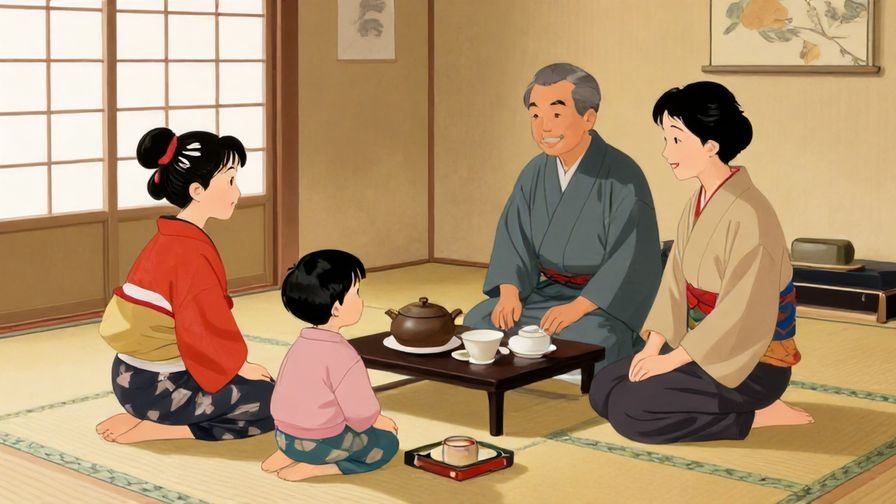
If you want a deeper dive into Japanese phrases, a great proverbs and phrases guidebook can be an excellent resource.
With these expressions, you’ll start to see how language reflects the cultural heart.
Next up, we’ll break down the list into casual, formal, and native-like expressions to suit every occasion.
Part 1: Casual Suggestions
1. 血は水よりも濃い (Chi wa mizu yori mo koi) – “Blood is thicker than water.”
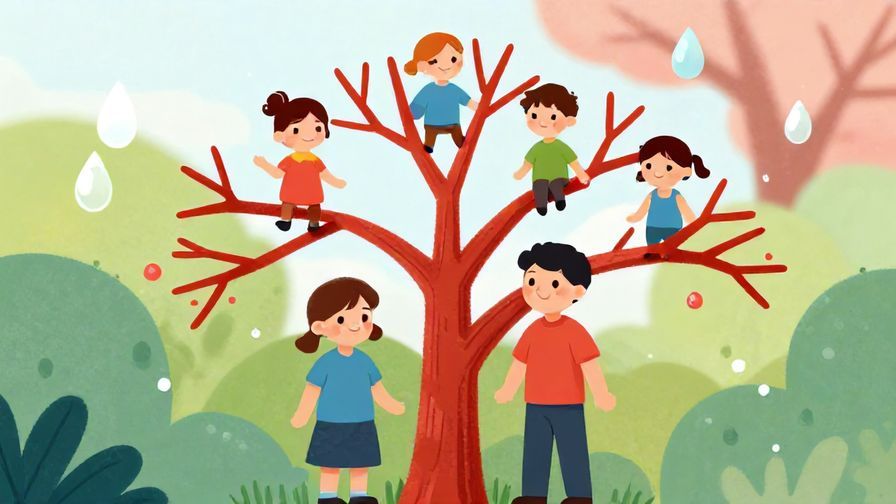
This is the most direct translation of the phrase.
血 (Chi) means “blood,” 水 (Mizu) means “water,” and 濃い (Koi) means “thick” or “dense.”
It’s a straightforward way to express the idea that family bonds are stronger than other relationships.
Because it’s so direct, it’s easy to remember and use in many everyday situations.
You might hear this in casual chats or see it in writing when discussing family loyalty.
Use it to emphasize a family connection that stands firm against outside influences.
2. 家族は宝 (Kazoku wa takara) – “Family is treasure.”
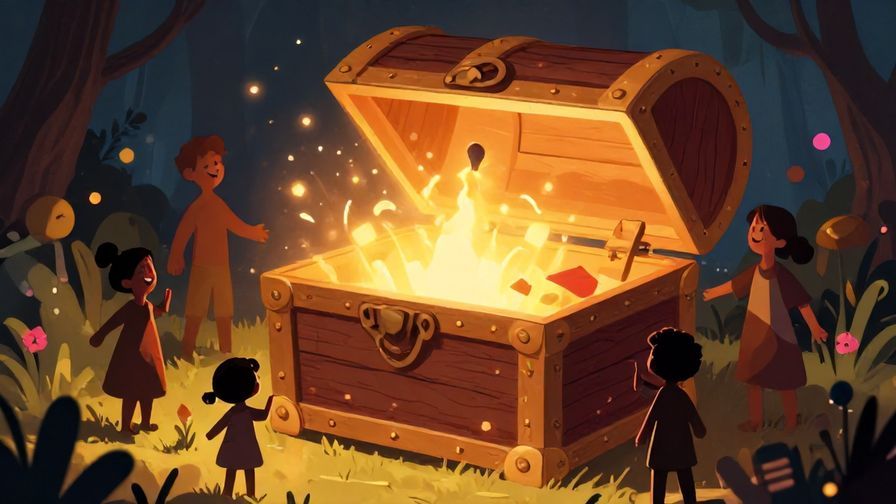
This phrase highlights the preciousness of family.
家族 (Kazoku) means “family,” and 宝 (Takara) means “treasure.”
It’s a sweet way to say that family is the most valuable thing you have.
Great for expressing gratitude or emphasizing emotional bonds.
Try using it in heartfelt conversations or to reassure someone about family support.
A lovely phrase to remind yourself what really matters.
3. 血のつながりは強い (Chi no tsunagari wa tsuyoi) – “Blood ties are strong.”
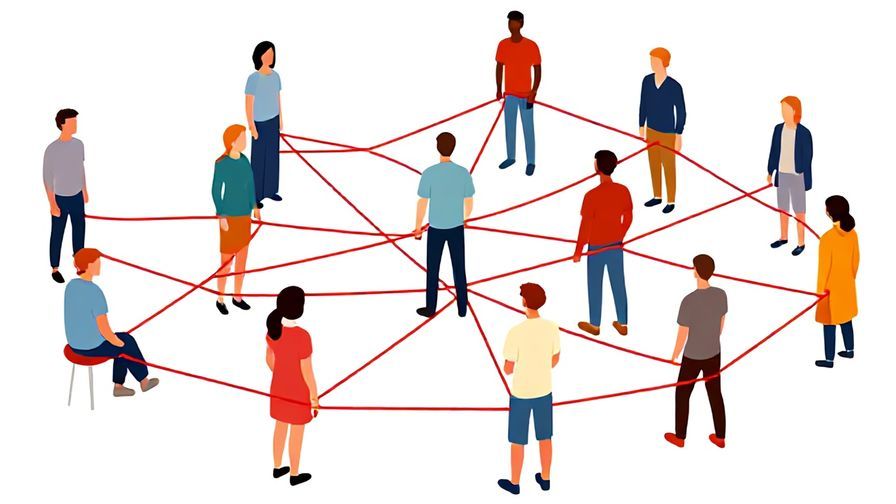
Here, the focus is on the strength of blood relations.
血のつながり (Chi no tsunagari) means “blood connection,” and 強い (Tsuyoi) means “strong.”
This phrase is great for emphasizing natural loyalty or inherited bonds.
It sounds sincere but casual, perfect for conversations about family unity.
Use it when you want to highlight the unbreakable nature of family ties.
It also reminds us that these bonds often come with responsibility and care.
4. 血は繋がっている (Chi wa tsunagatte iru) – “Blood is connected.”
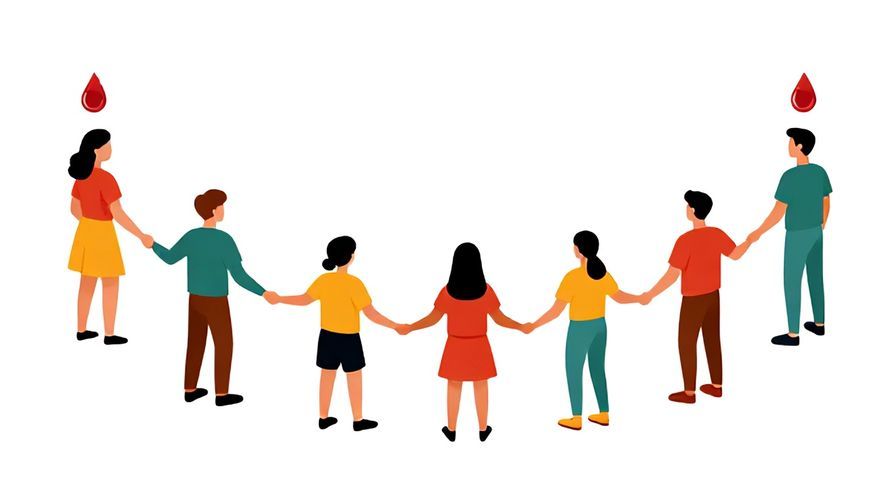
This phrase subtly points out that family members share a biological or emotional link.
繋がっている (Tsunagatte iru) means “are connected.”
It’s often used to express a gentle affirmation of family ties.
Easy to use in everyday speech and carries a warm feeling.
Try it when you want to remind someone that family connections are always there.
It’s a soft way to express closeness without sounding too formal.
5. 血の絆は強い (Chi no kizuna wa tsuyoi) – “Blood bonds are strong.”
絆 (Kizuna) means “bond” or “tie,” often emotional or spiritual.
This phrase combines that with blood to emphasize deep family connections.
It’s a popular way to express that family ties aren’t just biological but heartfelt.
Use it when talking about family loyalty or support in difficult times.
It’s a phrase that sounds both poetic and meaningful.
Perfect for moments when you want to show respect for family unity.
6. 血縁は切れない (Ketsuen wa kirenai) – “Blood ties can’t be cut.”
血縁 (Ketsuen) means “blood relation,” and 切れない (Kirenai) means “cannot be cut.”
This phrase stresses that family ties are permanent and unbreakable.
It’s useful when discussing family conflicts or reconciliation.
A reminder that no matter what, blood relations hold strong.
Use it to comfort or emphasize lasting connections.
It’s a strong phrase with emotional weight.
7. 血は水より濃い (Chi wa mizu yori koi) – “Blood is thicker than water.” (Shortened)
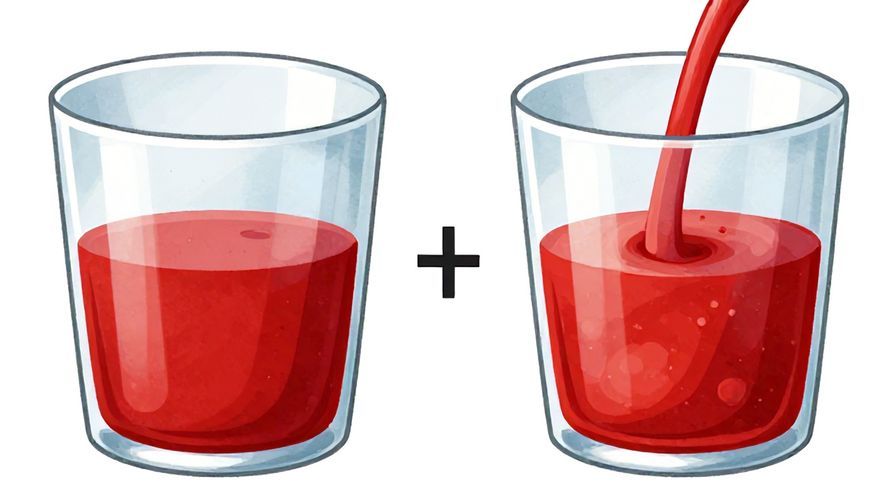
This is a slightly shortened version of the full phrase.
It’s casual and commonly understood, making it easy to slip into conversations.
Perfect for informal chats about family loyalty.
It keeps the core meaning intact while sounding natural.
Great to remember since it’s simple and effective.
Use it when you want to get the point across quickly and clearly.
8. 血は繋がり続ける (Chi wa tsunagari tsuzukeru) – “Blood keeps connecting.”
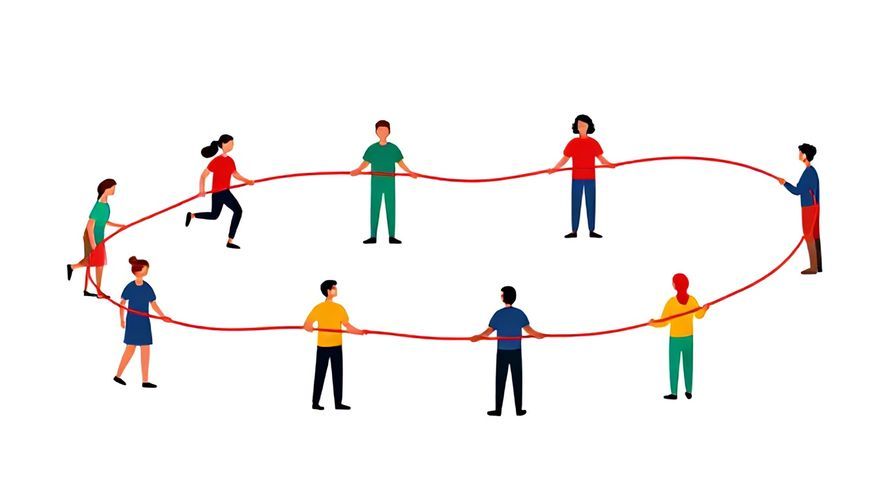
This phrase highlights that family ties continue over time and generations.
繋がり続ける (Tsunagari tsuzukeru) means “keep connecting.”
It’s poetic and hopeful, suggesting an unbroken chain.
Great for expressing enduring family bonds in stories or speeches.
Use it when talking about family legacy or heritage.
It’s a lovely way to express timeless connection.
Part 2: Polite & Formal Suggestions
9. 血縁関係は最も重要です (Ketsuen kankei wa mottomo juuyou desu) – “Blood relations are the most important.”

This formal phrase emphasizes the priority of blood relations.
関係 (Kankei) means “relation,” and 最も重要 (Mottomo juuyou) means “most important.”
It’s suitable for speeches, presentations, or formal discussions about family.
Use it when you want to sound respectful and clear.
It reflects cultural respect for family hierarchy and loyalty.
Great for academic or professional contexts.
10. 血の繋がりは尊重されるべきです (Chi no tsunagari wa sonchou sareru beki desu) – “Blood connections should be respected.”
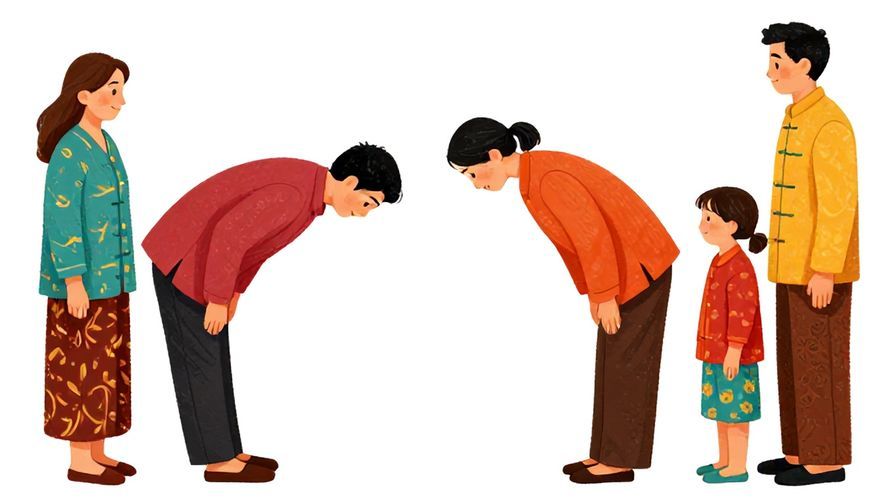
This phrase emphasizes respect for family ties.
尊重されるべき (Sonchou sareru beki) means “should be respected.”
Use it in formal writing or polite conversations.
It highlights the cultural expectation to honor family bonds.
Ideal for philosophical or ethical discussions.
Shows maturity and deep understanding of family values.
11. 血縁は社会の基盤です (Ketsuen wa shakai no kiban desu) – “Blood relations are the foundation of society.”
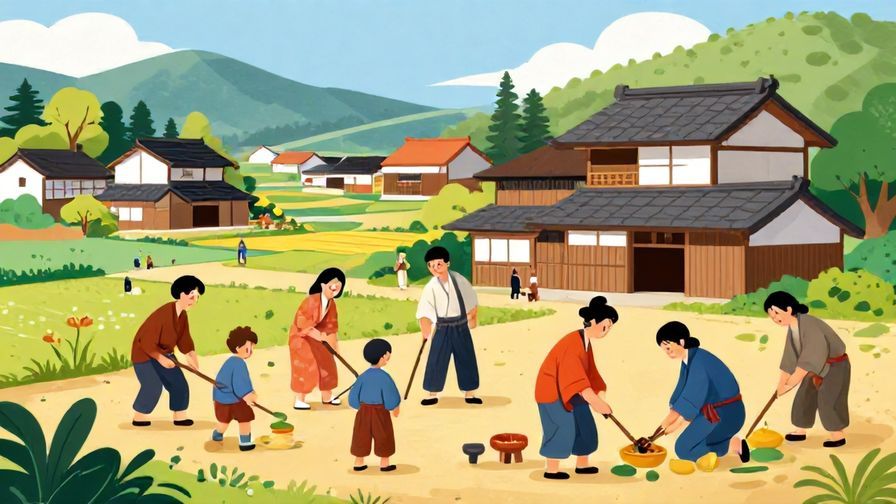
This phrase ties family bonds to broader societal importance.
基盤 (Kiban) means “foundation.”
It’s useful in sociological or cultural discussions.
Shows how family relationships support community stability.
Use it when discussing social values or cultural traditions.
It’s formal and insightful, perfect for essays or speeches.
12. 血の繋がりは永遠です (Chi no tsunagari wa eien desu) – “Blood connections are eternal.”

This poetic expression underscores the timelessness of family bonds.
永遠 (Eien) means “eternal.”
Great for formal occasions or sentimental writing.
Use it to express heartfelt commitment to family.
It sounds dignified and meaningful.
Perfect for weddings, reunions, or commemorations.
13. 血縁は断ち切れない絆です (Ketsuen wa tachikirenai kizuna desu) – “Blood ties are unbreakable bonds.”
This phrase combines biological ties with emotional bonds.
断ち切れない (Tachikirenai) means “cannot be cut off.”
It’s formal but emotionally powerful.
Use it to emphasize lasting family loyalty in serious discussions.
It’s respectful and sincere.
Good for writing or speeches about family strength.
14. 血縁は最も深い関係です (Ketsuen wa mottomo fukai kankei desu) – “Blood relations are the deepest relationships.”
This phrase stresses the depth and significance of family ties.
深い (Fukai) means “deep.”
Great for formal or educational contexts.
It conveys respect and emotional closeness.
Use it when explaining family importance to learners or audiences.
It’s clear and impactful.
15. 血縁は代々受け継がれるものです (Ketsuen wa daidai uketsugareru mono desu) – “Blood ties are inherited through generations.”
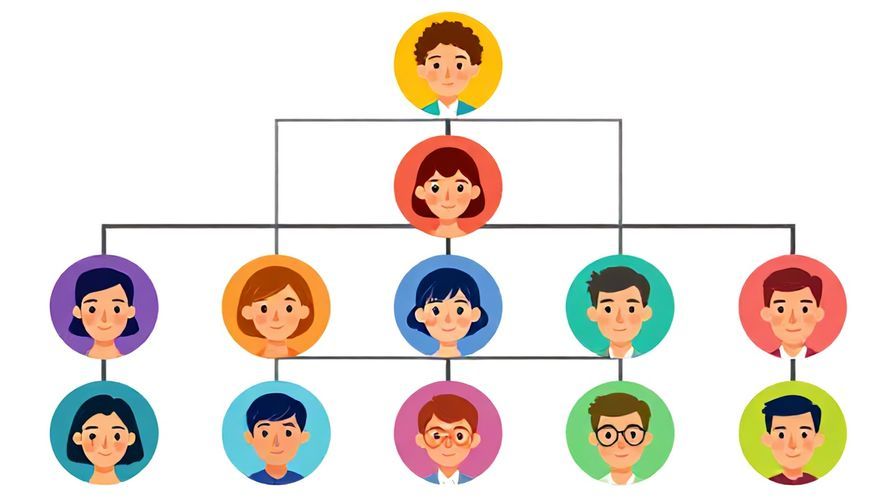
This phrase highlights the generational transmission of family bonds.
代々 (Daidai) means “generations,” and 受け継がれる (Uketsugareru) means “to be inherited.”
Use it in cultural, historical, or genealogical discussions.
It shows respect for ancestry and heritage.
Good for formal speeches or educational materials.
It reminds us that family ties transcend time.
16. 血縁はどんな時も変わらない (Ketsuen wa donna toki mo kawaranai) – “Blood ties never change, no matter the time.”
This phrase expresses the permanence of family bonds.
変わらない (Kawaranai) means “do not change.”
It’s formal yet heartfelt.
Use it to reassure someone about family loyalty.
Perfect for both writing and speech.
It’s a gentle reminder of stability in relationships.
Part 3: Very Casual / Native-like Expressions
17. 血は裏切らない (Chi wa uragiranai) – “Blood doesn’t betray.”

This is a casual but powerful expression.
裏切らない (Uragiranai) means “doesn’t betray.”
It’s often used in everyday speech to affirm trust in family.
Use it to emphasize loyalty when someone doubts others.
It’s short, catchy, and easy to remember.
Perfect for informal conversations among friends or family.
18. 血のつながりは大事だよね (Chi no tsunagari wa daiji da yo ne) – “Blood ties are important, right?”
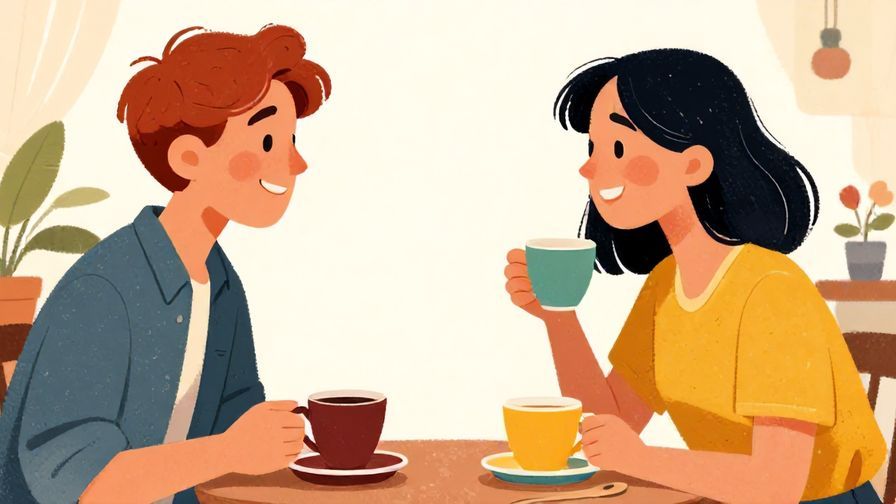
This phrase is casual and conversational.
大事だよね (Daiji da yo ne) means “is important, right?”
It’s perfect for lighthearted talks about family.
Use it to express agreement or start conversations about family bonds.
It sounds natural and approachable.
Great for learners practicing casual Japanese.
19. 血はつながってるからね (Chi wa tsunagatteru kara ne) – “Because we’re connected by blood.”
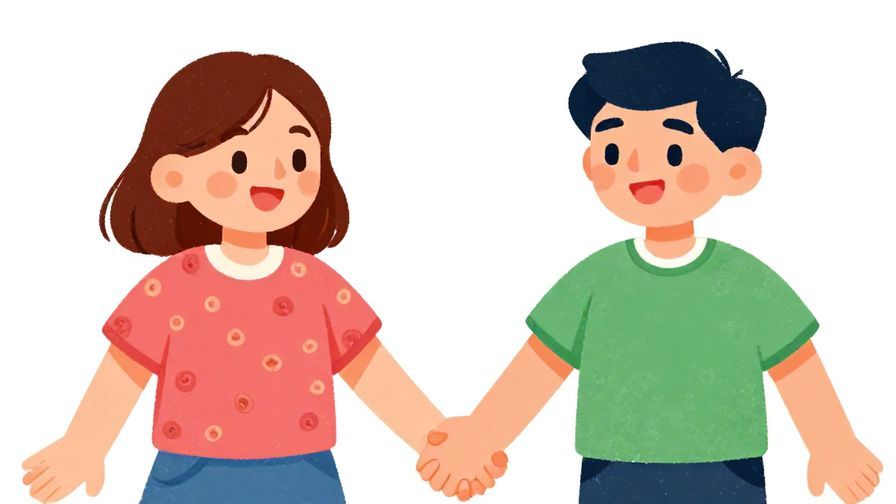
This phrase casually explains family connection.
からね (Kara ne) adds a friendly tone meaning “because.”
It’s often used to justify loyalty or support.
Great for everyday conversation or storytelling.
It feels warm and natural.
Try it to sound more native-like and intimate.
20. 血の絆は切れないんだよ (Chi no kizuna wa kirenain da yo) – “You can’t cut blood bonds, you know.”
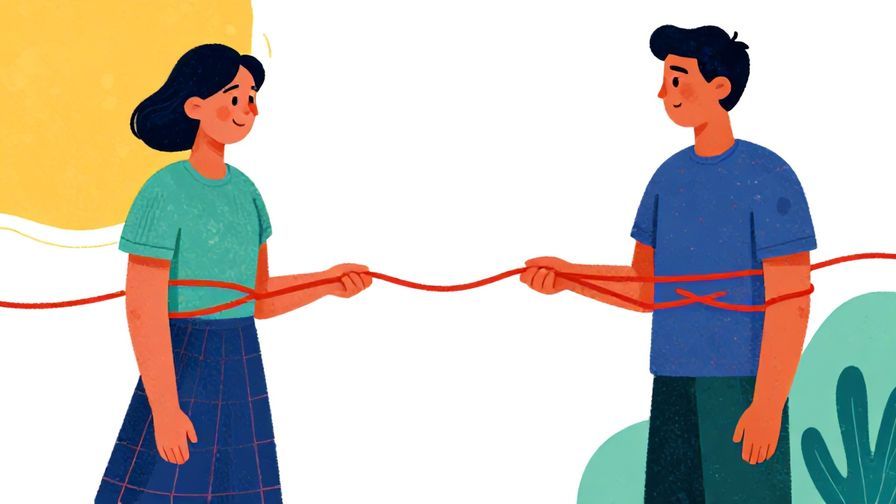
Adding んだよ (N da yo) makes the phrase more emphatic and casual.
It’s perfect for reassuring someone about family loyalty.
Use it to sound heartfelt but informal.
It’s common in spoken Japanese.
Good for expressing emotional strength in family ties.
Try this to sound empathetic and genuine.
21. 血は水よりもずっと濃いよ (Chi wa mizu yori mo zutto koi yo) – “Blood is much thicker than water.”

This phrase adds ずっと (Zutto), meaning “much” or “far,” for emphasis.
よ (Yo) adds a friendly tone.
It’s a casual and slightly stronger way to say the classic phrase.
Use it to stress family importance in friendly chats.
Easy to remember and natural to say.
Perfect for informal situations.
22. 血がつながってるから助け合うんだ (Chi ga tsunagatteru kara tasuke au n da) – “Because we’re connected by blood, we help each other.”
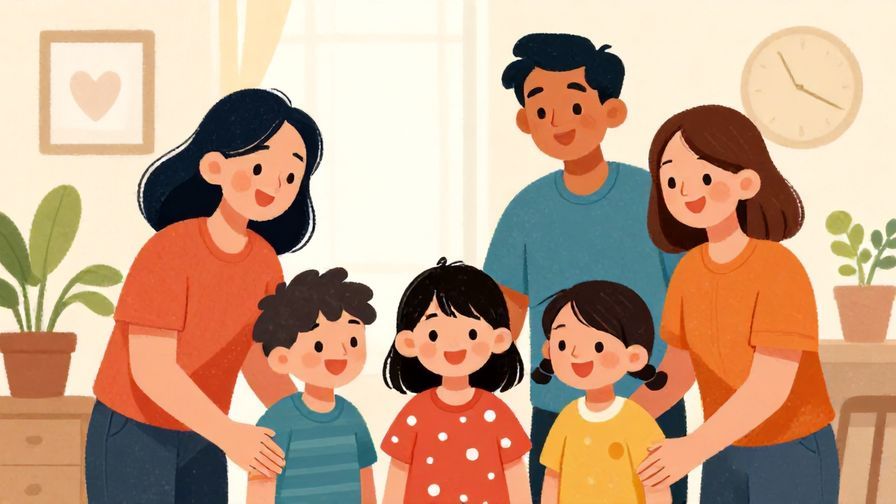
This phrase explains the reason behind family support.
助け合う (Tasuke au) means “help each other.”
It’s warm, natural, and very common in spoken Japanese.
Use this to highlight cooperation within family.
It sounds genuine and heartfelt.
Great for conversations about family responsibilities.
Concluding Thought
Exploring these 22 Japanese expressions shows just how much family means in Japan.
From casual chats to formal speeches, each phrase carries a unique shade of meaning about blood ties.
Next time you want to express the strength of family bonds, try one of these phrases—you’ll not only speak Japanese but also speak from the heart.