22 Japanese ways to say “You’re family”
Family means so much more than blood—it’s about the people who stand by you no matter what. In Japanese, there are many beautiful ways to express this deep connection.
Whether you’re telling someone they truly belong or simply want to share a warm feeling, Japanese has phrases that capture this perfectly. Let’s explore 22 heartfelt ways to say “You’re family” in Japanese.
These expressions range from casual to formal, and even include native-like phrases that will make your words feel genuine and warm.
You’ll get pronunciation guides and explanations, so you can confidently share these phrases with your friends, loved ones, and chosen family.
Plus, learning these will deepen your appreciation of Japanese culture and the language’s subtle expressions of closeness.
Ready to feel the warmth? Let’s dive into these beautiful ways to say “You’re family” in Japanese!
Understanding Family in Japanese
In Japanese, the word for family, 家族 (kazoku / kah-zoh-koo), generally refers to blood relatives. But when you want to include friends or loved ones as family, expressions get more nuanced and heartfelt.
Japanese often expresses belonging and closeness through phrases that imply “we’re connected” or “you belong here,” rather than a direct translation of “you’re family.”
Using the right phrase in the right context shows emotional warmth and respect.
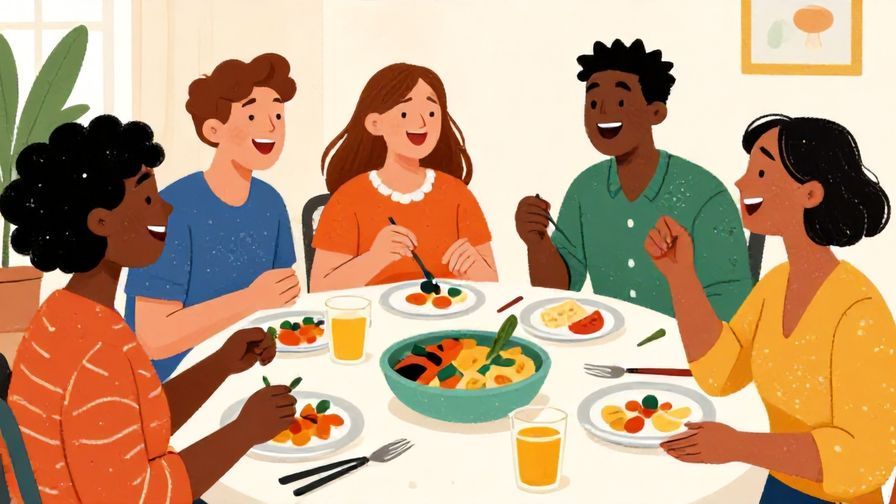
Sometimes, using a great Japanese phrasebook can give you a perfect starting point for a cohesive understanding.
Once you grasp these expressions, you’ll find it easier to convey warmth and acceptance in your conversations.
Getting familiar with these phrases is a wonderful way to express love beyond just words.
Part 1: Casual Suggestions
1. 家族みたいだよ (Kazoku mitai da yo) – “You’re like family.”
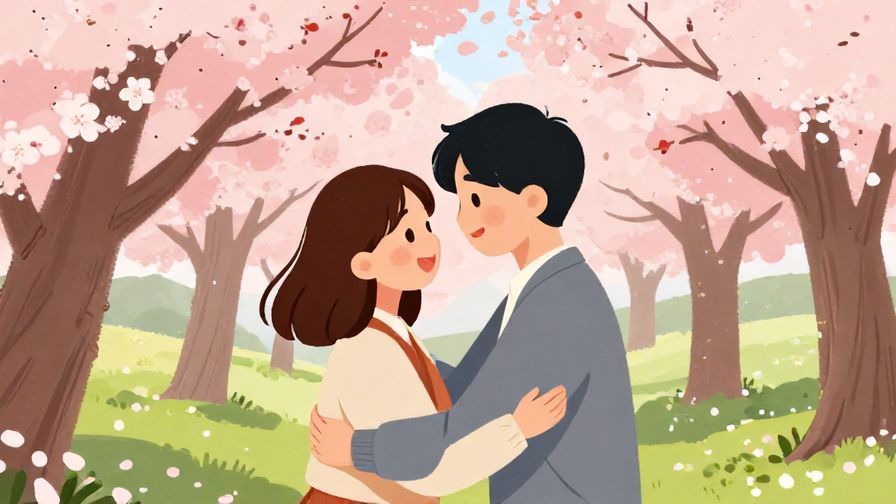
This phrase literally means “You are like family,” a perfect casual way to tell someone they feel like family to you.
“家族 (kazoku)” means “family,” and “みたい (mitai)” means “like” or “similar to.” The ending “だよ (da yo)” adds warmth and certainty.
Using this phrase shows you see the person as close as family without implying actual blood relation.
It’s casual and friendly, great for close friends or long-term companions.
You might hear it in conversations among friends who have become tight-knit over time.
Try saying it with a smile—it makes the sentiment even warmer.
2. あなたは僕の家族だ (Anata wa boku no kazoku da) – “You’re my family.”
This is a straightforward and heartfelt expression meaning “You are my family.”
“あなた (anata)” means “you,” “僕の (boku no)” means “my” (used by males), and “家族 (kazoku)” is “family.” “だ (da)” is a casual copula meaning “is.”
This phrase is direct and personal, perfect to say when you want to make someone feel truly included.
Be mindful that “僕 (boku)” is usually used by men; women might say “私の (watashi no).”
It’s often used in intimate conversations or moments of emotional connection.
Try practicing this with close friends to deepen your bond.
3. 仲間だよ (Nakama da yo) – “You’re my close companion/family.”

“仲間 (nakama)” means “companion,” “comrade,” or “close friend,” often used to describe people you consider family in spirit.
“だよ (da yo)” adds warmth and emphasis, making it “You’re my close companion.”
This phrase is casual and used among friends who feel like family.
It’s great for expressing camaraderie without formalities.
Used often in anime and casual speech among friends.
Try saying this when you want to include someone in your inner circle warmly.
4. 兄弟みたい (Kyoudai mitai) – “Like siblings.”
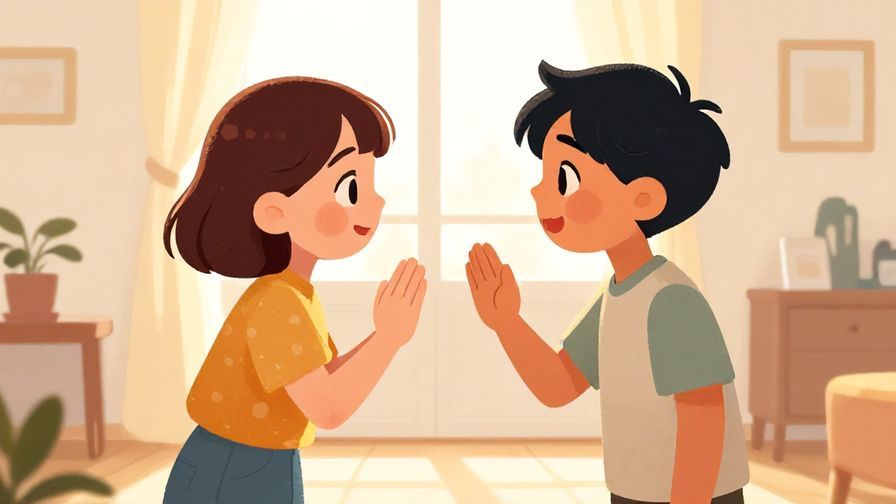
“兄弟 (kyoudai)” means “brothers” or “siblings,” and “みたい (mitai)” means “like.”
“兄弟みたい” means “like siblings,” a great way to say someone feels as close as family.
This phrase works well in casual, playful contexts among friends who share a sibling-like bond.
It conveys familiarity and closeness.
You might use this with friends who tease each other like brothers or sisters.
It’s a fun and loving way to show your connection.
5. 家族同然だよ (Kazoku douzen da yo) – “You’re like family.”

“家族 (kazoku)” means “family,” and “同然 (douzen)” means “just like” or “equivalent to.”
This phrase means “You’re just like family,” implying a very close bond.
It’s a bit more emphatic than “みたい,” showing deep affection.
“だよ (da yo)” adds a friendly tone.
Use this to stress that someone is family in everything but blood.
It’s perfect for heartfelt moments.
6. いつもそばにいるよ (Itsumo soba ni iru yo) – “I’m always by your side.”
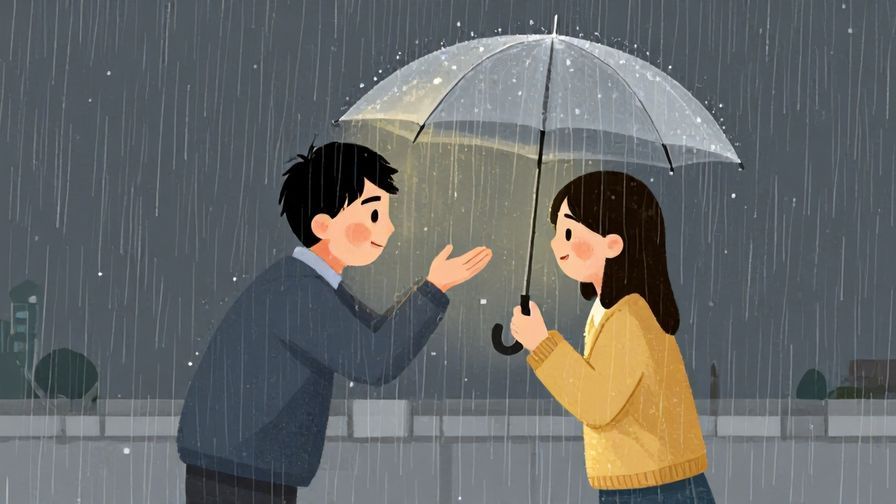
This phrase literally means “I’m always by your side,” expressing loyalty and closeness.
“いつも (itsumo)” means “always,” “そばにいる (soba ni iru)” means “to be by (someone’s) side.”
Used to imply family-like support and care.
This phrase is sweet and comforting.
It’s great when words like “family” feel too direct but you want to express the same sentiment.
Say it to reassure someone you’re there for them.
7. 大切な人だよ (Taisetsu na hito da yo) – “You are a precious person.”

“大切な人 (taisetsu na hito)” means “precious person,” a warm way to say someone is important to you like family.
“だよ (da yo)” adds a soft, friendly emphasis.
This phrase is gentle and affectionate without being overly formal.
It works well in friendships and romantic relationships alike.
It’s a lovely, heartfelt compliment that implies deep care.
Try it to make someone feel cherished.
8. 心の家族だよ (Kokoro no kazoku da yo) – “You’re family of my heart.”

“心の (kokoro no)” means “of the heart,” so this phrase literally means “family of my heart.”
This poetic expression emphasizes emotional connection beyond blood ties.
It’s a beautiful way to say someone is family in spirit and love.
Use it when you want to express deep, heartfelt belonging.
Perfect for writing in cards or personal messages.
It’s sure to touch hearts deeply.
Part 2: Polite & Formal Suggestions
9. あなたは私の家族です (Anata wa watashi no kazoku desu) – “You are my family.”
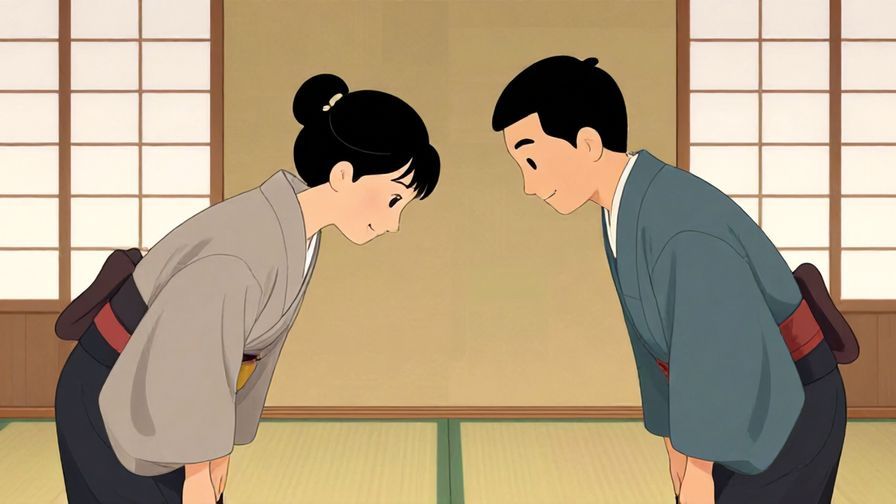
This is the polite and formal way to say “You are my family.”
“あなた (anata)” means “you,” “私の (watashi no)” means “my,” “家族 (kazoku)” means “family,” and “です (desu)” is the polite copula.
Use this in respectful or formal contexts, such as speaking to elders or in serious conversations.
It conveys sincerity and respect.
Perfect for heartfelt declarations in more formal settings.
Practice this to show respect while expressing closeness.
10. ご家族のように思っています (Gokazoku no you ni omotte imasu) – “I consider you like family.”
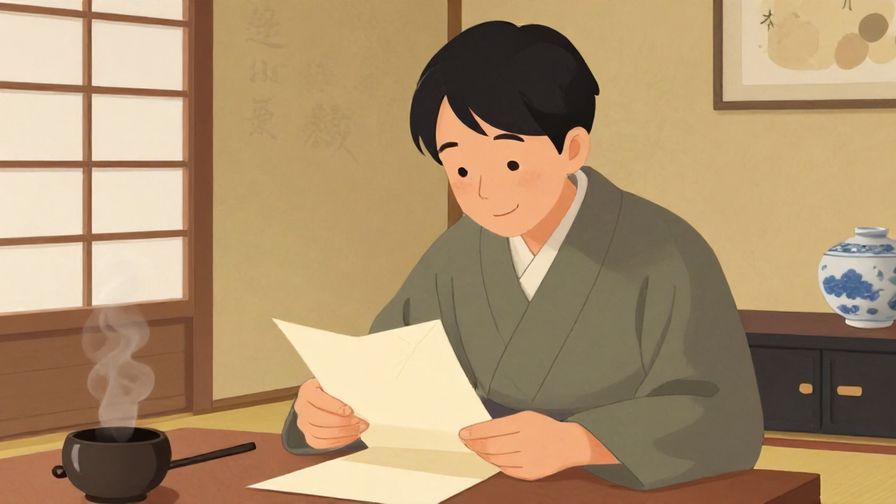
This formal phrase means “I think of you as family.”
“ご家族 (gokazoku)” is a polite way to say “family,” “のように (no you ni)” means “like,” and “思っています (omotte imasu)” means “I think.”
It’s a respectful way to express emotional closeness.
Great for professional or polite situations where warmth is needed.
You can use this in letters, speeches, or when addressing someone with respect.
It balances formality with heartfelt feeling.
11. 私たちは家族のようなものです (Watashitachi wa kazoku no you na mono desu) – “We are like family.”
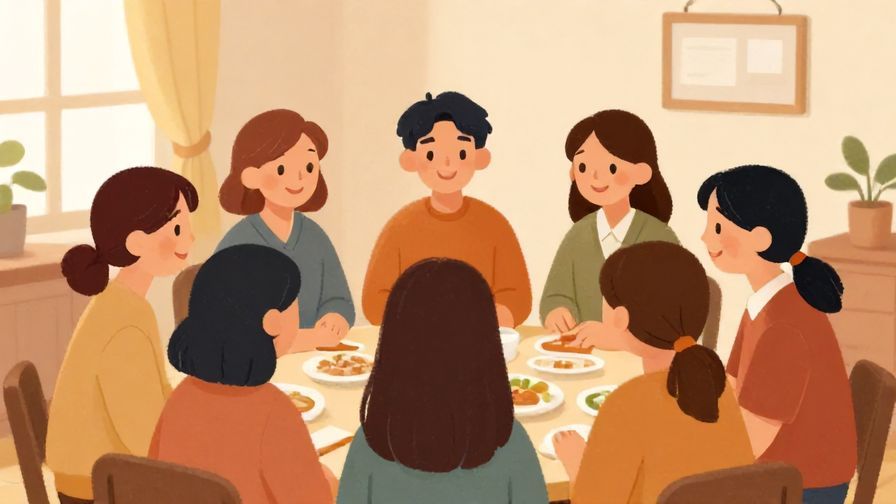
This phrase means “We are like family,” expressing a shared bond.
“私たち (watashitachi)” means “we,” “家族のようなもの (kazoku no you na mono)” means “something like family,” and “です (desu)” is polite.
It’s perfect for teams, groups, or friends who act like family.
Using “もの (mono)” softens the phrase, making it humble and inclusive.
Great for formal group settings or speeches.
It highlights unity while maintaining respect.
12. お互いに家族のように思っています (Otagai ni kazoku no you ni omotte imasu) – “We consider each other like family.”

This polite phrase means “We consider each other like family.”
“お互いに (otagai ni)” means “each other,” and the rest expresses thinking of each other as family.
It’s a beautiful way to acknowledge mutual closeness respectfully.
Use this to emphasize shared feelings and respect.
Perfect in formal conversations or written communication.
It reflects mutual care and connection.
13. ご家族の一員のように感じます (Gokazoku no ichiin no you ni kanjimasu) – “I feel like you are a member of my family.”
This phrase is a polite and heartfelt way to say someone feels like family.
“ご家族 (gokazoku)” is polite “family,” “一員 (ichiin)” means “a member,” and “感じます (kanjimasu)” means “I feel.”
It conveys deep emotional connection with respect.
Great for expressing sincere feelings in formal contexts.
Use it in speeches, letters, or meaningful conversations.
Its tone is both warm and respectful.
14. あなたは私の大切な家族です (Anata wa watashi no taisetsu na kazoku desu) – “You are my precious family.”
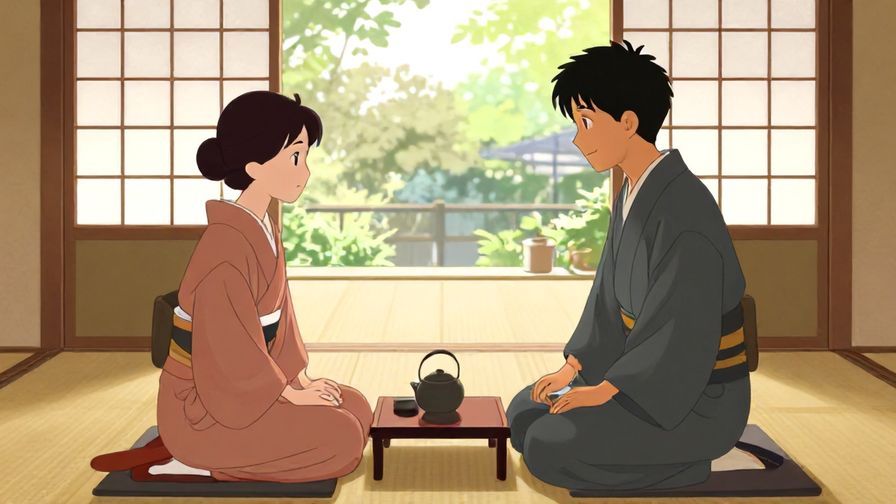
This formal phrase means “You are my precious family.”
“大切な (taisetsu na)” means “precious” or “important,” adding emotional weight.
It’s perfect for expressing how much someone means to you in a formal or serious conversation.
Use this phrase to show deep respect and love.
It’s a powerful way to combine affection with politeness.
Try it during special occasions or heartfelt talks.
15. 家族の一員として歓迎します (Kazoku no ichiin to shite kangei shimasu) – “I welcome you as a member of the family.”
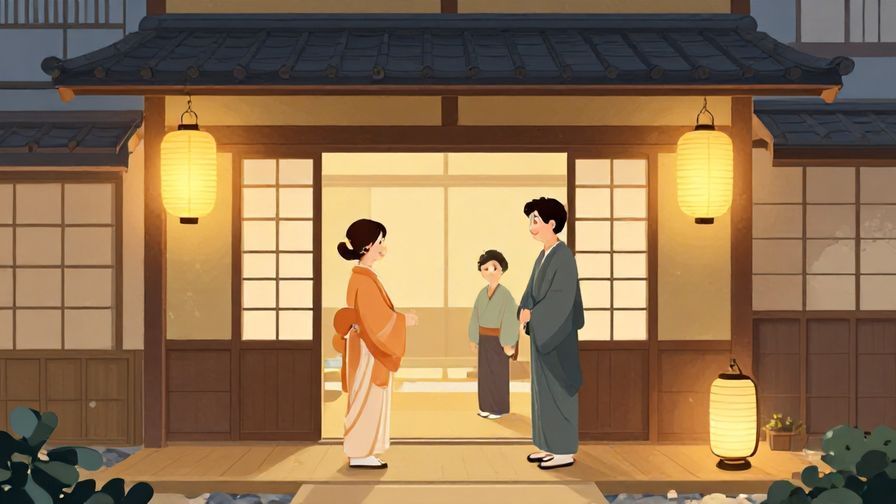
This phrase means “I welcome you as a family member,” a formal and inclusive expression.
“歓迎します (kangei shimasu)” means “I welcome,” making it polite.
It’s ideal for welcoming someone into your close circle respectfully.
Great for ceremonies, introductions, or official welcomes.
This phrase shows open-hearted acceptance and warmth.
Use it to make someone feel truly included.
16. 家族のように大切に思います (Kazoku no you ni taisetsu ni omoimasu) – “I cherish you like family.”

This formal phrase expresses cherishing someone like family.
“大切に思います (taisetsu ni omoimasu)” means “cherish” or “think of as important.”
It’s a respectful and heartfelt way to show deep care.
Use this phrase in serious or formal emotional moments.
It combines warmth with politeness perfectly.
It’s ideal when words like “family” need emphasis with respect.
Part 3: Very Casual / Native-like Expressions
17. もう家族みたいなもんだよ (Mou kazoku mitai na mon da yo) – “You’re already like family.”

This casual and friendly phrase means “You’re already like family.”
“もう (mou)” means “already,” and “なもんだよ (na mon da yo)” adds a colloquial, emphatic tone.
It’s often used among close friends who feel inseparable.
The phrase sounds warm and natural, like everyday speech.
A perfect way to show affection without sounding formal.
Try it with people you feel very close to.
18. うちの家族みたいなものだよ (Uchi no kazoku mitai na mono da yo) – “You’re like family to us.”
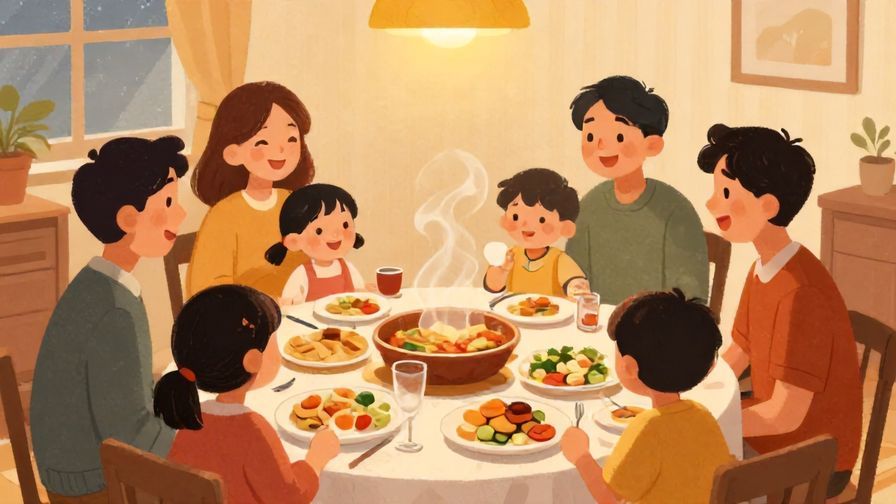
“うち (uchi)” means “our home” or “our family,” making this phrase very inclusive and casual.
“みたいなもの (mitai na mono)” means “something like,” softening the phrase.
It’s a warm expression used to welcome someone into your close group.
This is common in friendly, everyday speech.
Use this when you want to say “You’re like family to us” casually.
It’s perfect for friends who are practically family.
19. 兄弟みたいなもんだよ (Kyoudai mitai na mon da yo) – “We’re basically siblings.”
This phrase means “We’re basically siblings,” very casual and native-like.
Adding “なもんだよ (na mon da yo)” makes it sound friendly and natural.
It’s great for people who share a sibling-like bond.
The phrase is relaxed and affectionate.
Use it to joke or express closeness in informal settings.
A fun way to say “You’re family” among close friends.
20. もう家族だよ、気にしないで (Mou kazoku da yo, ki ni shinaide) – “You’re family now, don’t worry.”

This casual phrase means “You’re family now, don’t worry about it.”
It’s perfect for comforting someone who’s hesitant about belonging.
“気にしないで (ki ni shinaide)” means “don’t worry” or “don’t mind.”
It’s a warm, inclusive phrase that breaks down barriers.
Use it to reassure new friends or loved ones.
It’s both casual and deeply kind.
21. 家族って感じだね (Kazoku tte kanji da ne) – “Feels like family, doesn’t it?”

This phrase means “It feels like family,” casual and conversational.
“って感じ (tte kanji)” means “feels like” or “kind of.”
It’s great to use when you want to comment on the closeness of a group.
The ending “だね (da ne)” invites agreement, making it warm and inclusive.
Use it in casual conversations to express belonging.
It’s perfect for bonding moments with friends.
22. うちの家族の一員だよ (Uchi no kazoku no ichiin da yo) – “You’re a member of our family.”

This casual phrase means “You’re a member of our family,” very warm and inclusive.
“一員 (ichiin)” means “a member.”
It’s used to make someone feel officially part of your family or group.
This phrase sounds genuine and heartfelt in everyday speech.
Use it to warmly include someone close to you.
It’s a perfect phrase for chosen family moments.
Concluding Thought
Expressing “You’re family” in Japanese is beautifully nuanced, ranging from casual warmth to formal respect. Each phrase carries its own shade of closeness and affection.
By using these expressions, you can share your feelings of belonging and acceptance in a meaningful way that resonates with Japanese culture and your loved ones.
So go ahead, practice these phrases, and let your chosen family know how deeply they mean to you. After all, family is where the heart truly is.