22 Japanese ways to say “I value your friendship”
Friendship is a beautiful bridge that connects hearts across cultures and languages. Expressing how much you value a friendship in Japanese can be both heartfelt and nuanced.
Whether you’re chatting with a close friend or want to deepen a bond, there are many warm ways to say “I value your friendship” in Japanese.
This listicle will explore 22 different phrases, from casual to formal, that you can use to share your appreciation sincerely.
Each phrase includes pronunciation guides and brief explanations to make it easy and fun to learn.
Jump in and discover new ways to say what matters most: “You’re special to me.”
Ready to warm some hearts? Let’s get started!
Why Learning Friendship Phrases Matters
Friendship phrases open the door to deeper connection and understanding.
Japanese culture values subtlety and respect, so picking the right phrase can make your sincerity shine through clearly.
These expressions help you share feelings without awkwardness, making your words memorable.

Sometimes, using a great beginner phrasebook can give you a perfect starting point for a cohesive understanding.
Let’s look at expressions that range from casual and easy to very polite and heartfelt.
Try them out and see which feel most like you!
Part 1: Casual Suggestions
1. 友達って大事だよね (Tomodachi tte daiji da yo ne) – “Friends are important, right?”

This phrase is a friendly way to casually say that friendship matters.
“友達 (Tomodachi)” means “friend,” “大事 (daiji)” means “important,” and “だよね (da yo ne)” softens it to sound conversational and relatable.
It’s a great phrase to use when catching up or reassuring a friend.
It feels natural and warm without being too formal.
You might hear it in everyday conversations among close friends.
Try saying it when you want to casually emphasize your appreciation for your friend.
2. 君との友情を大切にしている (Kimi to no yūjō o taisetsu ni shite iru) – “I treasure our friendship.”

A bit more direct and heartfelt, this phrase expresses that you truly value your bond.
“君 (Kimi)” means “you,” “友情 (yūjō)” means “friendship,” and “大切にしている (taisetsu ni shite iru)” means “to treasure” or “to cherish.”
Use it when you want to sound sincere but still maintain casual closeness.
It’s perfect for writing messages or saying in person during meaningful moments.
Be mindful that “君” is casual and mostly used among close friends or younger people.
It’s a lovely way to highlight the value you place on your friendship.
3. いつもありがとう (Itsumo arigatō) – “Thank you always.”
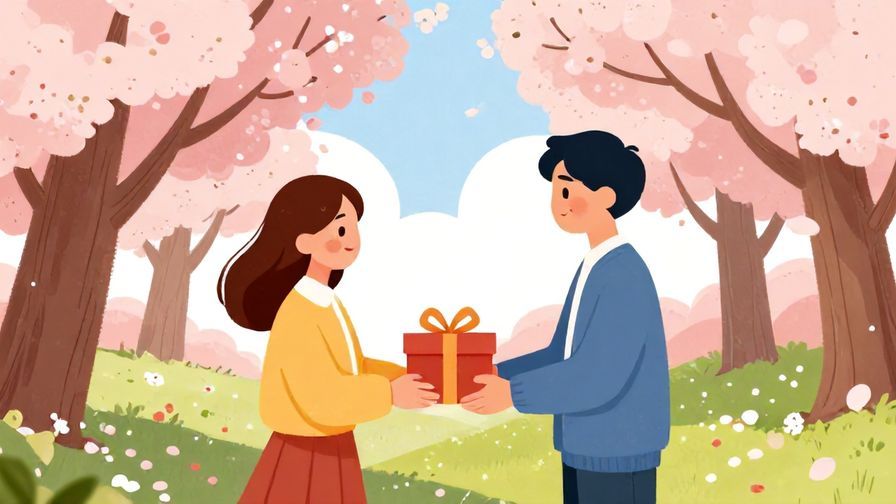
Simple but powerful, this phrase shows appreciation for ongoing friendship support.
“いつも (Itsumo)” means “always,” and “ありがとう (arigatō)” means “thank you.”
It’s informal and friendly, often used between good friends.
Expressing thanks can sometimes say “I value you” more than direct phrases.
Great to use after spending time together or when your friend has helped you.
Easy to remember and heartfelt with just two words!
4. 友達でいてくれて嬉しい (Tomodachi de ite kurete ureshii) – “I’m happy you’re my friend.”

This phrase focuses on the joy of having someone as a friend.
“友達でいてくれて (Tomodachi de ite kurete)” means “for being my friend,” and “嬉しい (ureshii)” means “happy.”
It’s a sweet way to say you appreciate their presence in your life.
Use it to brighten a friend’s day or after a special moment together.
It sounds genuine and easy to say in casual conversations.
Try it next time you want to express happiness about your friendship.
5. これからもよろしくね (Kore kara mo yoroshiku ne) – “Let’s keep getting along.”

This is a common phrase to express continuing good relations.
“これからも (Kore kara mo)” means “from now on as well,” and “よろしくね (yoroshiku ne)” is a casual way to say “please treat me well” or “let’s get along.”
It’s often used at the end of conversations to reinforce friendship.
It’s informal and friendly, perfect for both new and old friends.
It’s a versatile phrase that shows you value ongoing connection.
Practice using it to seal a conversation warmly.
6. あなたは大切な友達です (Anata wa taisetsu na tomodachi desu) – “You’re an important friend.”

This phrase is straightforward and polite but still warm.
“あなた (Anata)” means “you,” “大切な (taisetsu na)” means “important,” and “友達 (tomodachi)” means “friend.”
Use this when you want to clearly express how much a friend means to you.
The “です (desu)” ending adds politeness without being too formal.
Great for heartfelt conversations or cards.
It’s a reliable go-to phrase for many friendship situations.
7. 一緒にいると安心する (Issho ni iru to anshin suru) – “I feel at ease when I’m with you.”

This phrase conveys comfort and trust in friendship.
“一緒にいると (Issho ni iru to)” means “when we’re together,” and “安心する (anshin suru)” means “to feel at ease.”
It’s a lovely way to say your friend makes you feel safe and valued.
Perfect for close friends or when you want to deepen your bond.
It’s less direct but very meaningful.
Try it when you want to express emotional closeness naturally.
8. 友達がいてくれて助かるよ (Tomodachi ga ite kurete tasukaru yo) – “I’m grateful to have a friend like you.”

This phrase highlights gratitude for friendship support.
“友達がいてくれて (Tomodachi ga ite kurete)” means “having you as a friend,” and “助かるよ (tasukaru yo)” means “I’m saved” or “I’m grateful.”
It’s casual and shows you appreciate their presence in tough times.
Use it to strengthen bonds by acknowledging their importance.
It’s natural and commonly used among good friends.
Good for both spoken and written appreciation.
Part 2: Polite & Formal Suggestions
9. あなたとの友情を大切に思っています (Anata to no yūjō o taisetsu ni omotte imasu) – “I cherish our friendship.”
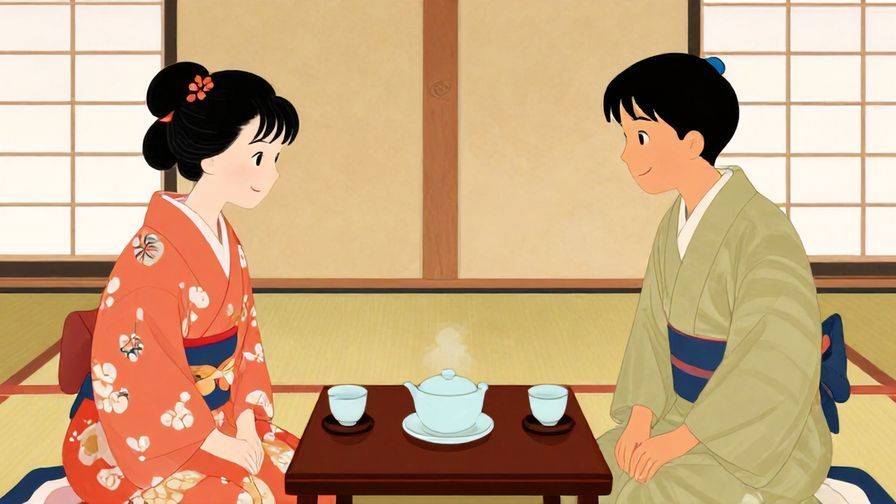
This is a polite and respectful way to express your feelings.
“あなたとの友情 (Anata to no yūjō)” means “our friendship,” and “大切に思っています (taisetsu ni omotte imasu)” means “I cherish/think it’s important.”
It’s suitable for formal or respectful contexts.
Use this when you want to sound thoughtful and serious.
It works well in speeches, letters, or formal conversations.
This phrase carries warmth while maintaining decorum.
10. いつも支えてくれて感謝しています (Itsumo sasaete kurete kansha shite imasu) – “I’m always grateful for your support.”
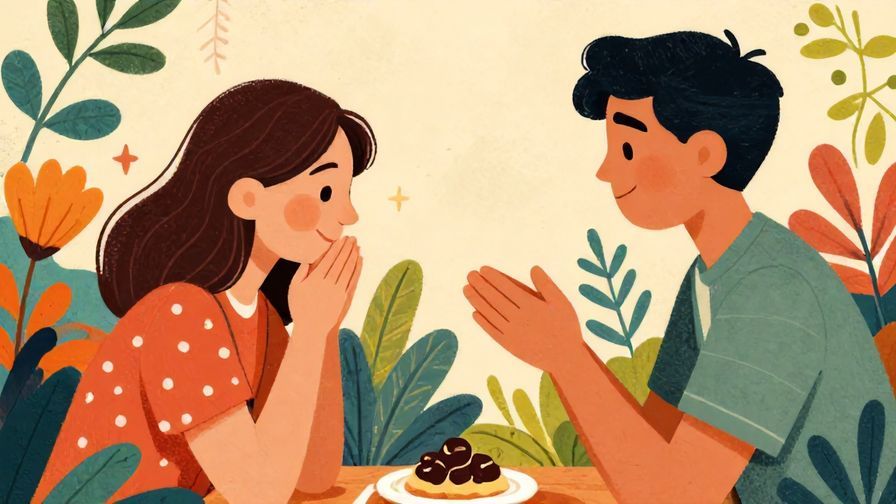
This phrase is formal and shows deep gratitude.
“いつも支えてくれて (Itsumo sasaete kurete)” means “always supporting me,” and “感謝しています (kansha shite imasu)” means “I am grateful.”
Great for expressing appreciation in writing or serious talks.
It’s polite and acknowledges ongoing friendship support.
Use it when you want to show respect and genuine thanks.
A perfect phrase for important friendships or mentors.
11. あなたの友情に感謝します (Anata no yūjō ni kansha shimasu) – “I appreciate your friendship.”

This is a simple, polite phrase to express appreciation.
“あなたの友情 (Anata no yūjō)” means “your friendship,” and “感謝します (kansha shimasu)” means “I appreciate.”
It’s straightforward and respectful, ideal for letters or formal speech.
Use it when you want to sound sincere and courteous.
This phrase fits formal to semi-formal situations well.
Easy to use and appreciated in many contexts.
12. これからも良い友達でいましょう (Kore kara mo yoi tomodachi de imashō) – “Let’s continue being good friends.”

This polite phrase expresses hope for lasting friendship.
“これからも (Kore kara mo)” means “from now on as well,” “良い友達 (yoi tomodachi)” means “good friends,” and “いましょう (imashō)” is a polite volitional form meaning “let’s be.”
It’s great for closing a letter or conversation formally.
Use it to affirm your commitment to friendship.
It strikes a warm yet respectful tone.
A wonderful phrase to seal the promise of ongoing friendship.
13. あなたと出会えて本当に良かったです (Anata to deaete hontō ni yokatta desu) – “I’m really glad to have met you.”

This phrase expresses gratitude for the friendship’s beginning.
“あなたと出会えて (Anata to deaete)” means “having met you,” “本当に (hontō ni)” means “truly/really,” and “良かったです (yokatta desu)” means “was good.”
It’s polite and heartfelt, great for letters or meaningful talks.
Use it to celebrate the bond you share.
This phrase is perfect for special occasions or anniversaries.
It’s a beautiful way to say “I value you.”
14. あなたの存在が私にとって大きな支えです (Anata no sonzai ga watashi ni totte ōkina sasae desu) – “Your presence is a great support to me.”

This phrase expresses how much your friend means emotionally.
“あなたの存在 (Anata no sonzai)” means “your presence,” “私にとって (watashi ni totte)” means “to me,” and “大きな支えです (ōkina sasae desu)” means “a big support.”
It’s formal and deeply appreciative.
Use it in serious conversations or letters.
This phrase shows your friend’s importance beyond words.
Perfect for expressing emotional reliance politely.
15. 友情をこれからも大切にしたいです (Yūjō o kore kara mo taisetsu ni shitai desu) – “I want to continue cherishing our friendship.”

This polite phrase shares your wish to nurture the friendship.
“友情 (Yūjō)” means “friendship,” “これからも (kore kara mo)” means “from now on,” and “大切にしたいです (taisetsu ni shitai desu)” means “want to cherish.”
It’s a gentle and respectful way to express ongoing care.
Use this when writing or speaking formally.
This phrase is hopeful and sincere, creating warmth.
Great for meaningful conversations or notes.
16. あなたの友情は私の宝物です (Anata no yūjō wa watashi no takaramono desu) – “Your friendship is my treasure.”

A poetic and formal way to express how precious a friendship is.
“友情 (Yūjō)” means “friendship,” and “宝物 (takaramono)” means “treasure.”
“私の宝物です (watashi no takaramono desu)” means “is my treasure.”
Use it to make your friend feel truly special.
This phrase is impactful and elegant for letters or speeches.
Perfect for expressing deep appreciation in a memorable way.
Part 3: Very Casual / Native-like Expressions
17. 友達マジ大事 (Tomodachi maji daiji) – “Friends are seriously important.”

This is a casual, slangy way to say “I really value our friendship.”
“マジ (maji)” is slang for “seriously,” and “大事 (daiji)” means “important.”
Use it among close peers or younger friends for a laid-back vibe.
It’s informal and fun, great for text messages or casual chats.
Try it to sound like a native speaker expressing genuine feelings.
Perfect for easy-going friendship moments.
18. ずっと友達でいようね (Zutto tomodachi de iyou ne) – “Let’s be friends forever.”

This phrase expresses a wish for lifelong friendship.
“ずっと (Zutto)” means “forever,” and “友達でいようね (tomodachi de iyou ne)” means “let’s be friends.”
It’s casual, sweet, and often used among close friends.
Use it to emphasize lasting bonds in a heartfelt way.
It’s easy to say and very touching.
Try it for memorable moments or farewells.
19. お前は俺の大事な友達だ (Omae wa ore no daiji na tomodachi da) – “You’re an important friend to me.”

This phrase is very casual and masculine.
“お前 (Omae)” means “you” (very casual), “俺 (ore)” is “I” (masculine), and “大事な友達 (daiji na tomodachi)” means “important friend.”
It’s used among very close male friends.
Use it only with friends comfortable with casual speech.
This phrase carries warmth and straightforwardness.
Perfect for deepening male friendships with sincerity.
20. 友達って最高だよな (Tomodachi tte saikō da yo na) – “Friends are the best, aren’t they?”

This phrase celebrates friendship with enthusiasm.
“最高 (saikō)” means “the best,” and “だよな (da yo na)” adds an informal, confirming tone.
It’s great for lively conversations or social settings.
Use it to hype up your friends and show appreciation.
It’s catchy and easy to remember.
Perfect for casual moments full of energy.
21. お互いに支え合っていこうな (Otagai ni sasae atte ikou na) – “Let’s support each other.”

This phrase emphasizes mutual support in friendship.
“お互いに (otagai ni)” means “each other,” and “支え合っていこうな (sasae atte ikou na)” means “let’s keep supporting.”
It’s casual and motivational.
Use it to encourage your friend and show you’re in it together.
It’s a great phrase for challenging times or new beginnings.
Try it to strengthen your friendship with positive vibes.
22. 友達以上、家族未満だね (Tomodachi ijō, kazoku miman da ne) – “More than friends, less than family.”

This phrase describes a very close friendship.
“以上 (ijō)” means “more than,” “家族 (kazoku)” means “family,” and “未満 (miman)” means “less than.”
It’s casual and poetic, used to express a deep bond.
Use it when a friendship feels like family but isn’t quite there.
It’s heartfelt and often used among best friends.
Perfect for expressing strong emotional connection.
Concluding Thought
Expressing how much you value a friend in Japanese can be as simple or as poetic as you want it to be.
From casual chats to heartfelt letters, these 22 phrases offer many ways to warm a friend’s heart.
Keep practicing and using these expressions to deepen your bonds and celebrate the treasure of friendship every day.