22 Japanese ways to say “Let’s just be friends”
Sometimes in life, feelings get complicated, and it’s best to keep things simple. Saying “Let’s just be friends” can be tricky, especially in another language.
Japanese offers so many ways to express this gentle boundary, each with its own nuance and warmth. It’s all about kindness and clarity without hurting feelings.
Whether you’re navigating a delicate conversation or just want to understand cultural expressions better, these phrases will come in handy.
From casual to polite, and even some native-like expressions, here’s a friendly guide to saying “Let’s just be friends” in Japanese in 22 different ways.
Learning these can help you communicate thoughtfully and build stronger connections, even when setting boundaries.
Ready to explore? Let’s dive into these warm, informal, and relatable Japanese phrases!
Understanding the Basics
Before jumping into specific phrases, it’s good to know a bit about how Japanese expresses relationships and feelings.
Japanese often uses subtlety and indirect language to maintain harmony. Saying “Let’s just be friends” often involves softening expressions or explaining feelings gently.
Knowing some cultural context helps, and having a handy beginner phrasebook can really boost your confidence.

These phrases will help you navigate both casual and formal situations with ease.
Let’s start with some casual suggestions you can use with friends or people close to you.
Keep in mind tone and context to make your message clear but kind.
Part 1: Casual Suggestions
1. 友達だけでいよう (Tomodachi dake de iyou) – “Let’s just be friends.”

This phrase is straightforward and kind. “友達” (tomodachi) means “friend,” “だけ” (dake) means “only,” and “いよう” (iyou) is the volitional form of “to be,” so it literally means “Let’s just be friends.”
It’s casual and perfect for situations where you want to keep things friendly without confusion.
Use it when you’re close enough to speak openly but want to be clear.
It’s easy to remember by thinking “Tomodachi = friend” and “dake = only.”
It’s softer than blunt refusals and helps keep the mood positive.
Try practicing this phrase with a language partner or in your daily study to get comfortable.
2. 友達のままでいよう (Tomodachi no mama de iyou) – “Let’s stay as friends.”

This phrase means “Let’s remain friends.” “のまま” (no mama) means “as is” or “the same state,” so it emphasizes staying in the friend zone.
It’s casual and often used when someone suggests moving the relationship further, but you prefer to keep it simple.
It’s an easy phrase to remember by associating “no mama” with “unchanged.”
Perfect for gently pushing back on romantic advances without awkwardness.
Practice it by imagining conversations where you want to keep friendly boundaries clear.
This phrase keeps the tone light and positive, good for close friends.
3. 友達でいいよ (Tomodachi de ii yo) – “Friends are fine.”

This is a casual, friendly phrase that means “Being friends is good.” It’s a simple way to say you’re happy with the friendship.
“でいい” (de ii) means “is fine” or “is good,” so you’re expressing contentment with friendship.
It’s great for casual talks and easy to use in everyday conversation.
Think of it like a gentle reassurance that friendship is enough.
Use it when you want to sound positive and warm but clear.
It’s a great phrase to add to your casual Japanese toolkit.
4. 友達としてよろしくね (Tomodachi toshite yoroshiku ne) – “Let’s be good friends.”

“友達として” (tomodachi toshite) means “as friends,” and “よろしくね” (yoroshiku ne) is a friendly way to say “please treat me well” or “let’s get along.”
This phrase politely emphasizes friendship and goodwill.
It’s casual but respectful, great for reinforcing positive connections.
Remember “yoroshiku” as a versatile phrase often used in greetings and farewells.
It’s a subtle way to say “Let’s just be friends,” focusing on the positive.
Try this phrase to keep things lighthearted yet sincere.
5. 恋愛はちょっと…友達でいたい (Ren’ai wa chotto… tomodachi de itai) – “Romance is a bit… I want to stay friends.”
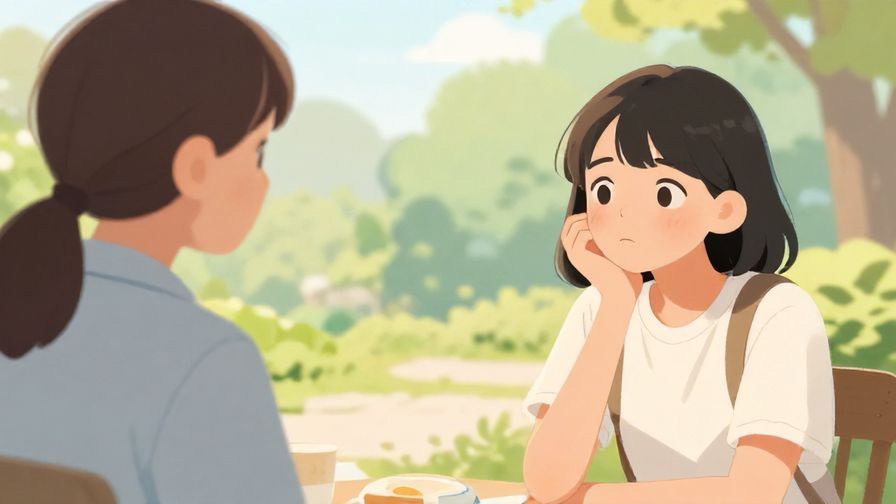
This phrase delicately expresses hesitation about romance. “恋愛” (ren’ai) means “romance,” and “ちょっと” (chotto) means “a little” or “a bit.”
It’s a gentle way to say you’re not ready or interested romantically but want to keep the friendship.
It’s perfect for situations where you want to explain your feelings without sounding harsh.
Use “ちょっと” to soften your refusal – it’s a common conversational tool.
This phrase helps maintain respect and openness.
Practice it when you want to balance honesty and kindness.
6. 友達でいてくれる? (Tomodachi de ite kureru?) – “Will you stay friends with me?”

This phrase is a gentle request to maintain friendship. “いてくれる” (ite kureru) means “will you stay” or “will you be.”
It’s a soft and polite way of asking someone to remain friends after a difficult talk.
It shows vulnerability and care, making it a warm expression.
Use this when you want to reassure the other person that friendship matters to you.
It’s easy to remember by focusing on “tomodachi” and the question form.
This phrase can soften the mood and strengthen bonds.
7. これからも友達だよね (Kore kara mo tomodachi da yo ne) – “We’re still friends from now on, right?”

This phrase reassures the continuation of friendship. “これからも” (kore kara mo) means “from now on as well.”
It’s casual and warm, often used after clarifying feelings to confirm friendship.
Try it to show you value the relationship despite changes.
It’s easy to remember by breaking it down: “kore kara” = from now, “tomodachi” = friend.
It’s a friendly way to keep connections strong.
Use it when you want to make sure there’s no awkwardness after a sensitive talk.
8. 友達でいるほうがいい (Tomodachi de iru hou ga ii) – “It’s better if we stay friends.”

This phrase gently suggests that friendship is the best path. “ほうがいい” (hou ga ii) means “it’s better to.”
It’s slightly more direct but still polite and caring.
Use it when explaining why you prefer to keep things friendly.
It’s an easy structure to learn and useful in many contexts.
Try pairing it with positive body language for best effect.
This phrase helps communicate your feelings clearly but kindly.
Part 2: Polite & Formal Suggestions
9. お友達としてお付き合いしましょう (O-tomodachi toshite otsukiai shimashou) – “Let’s associate as friends.”
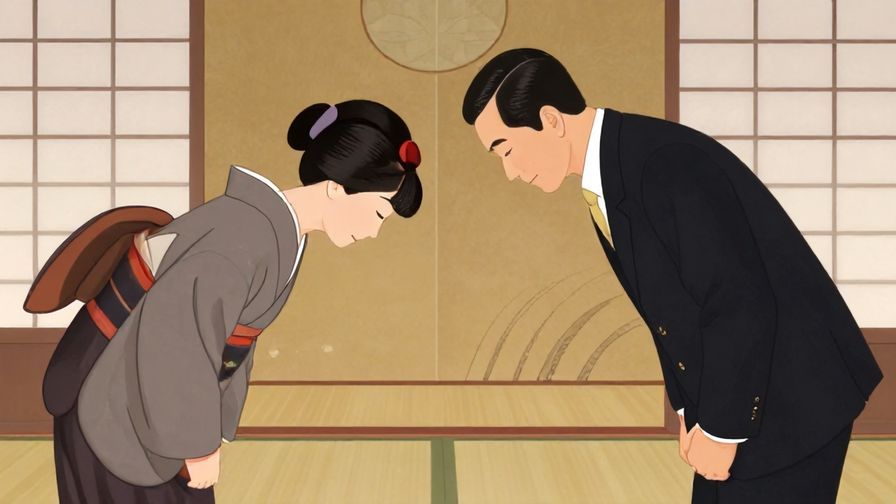
This is a polite, formal way to say “Let’s be friends.” “お付き合いしましょう” (otsukiai shimashou) means “let’s associate.”
It’s perfect for professional or respectful contexts where you want to be clear but courteous.
Use it when addressing someone you don’t know well or want to show respect.
Remember the honorific “お” (o-) before “友達” adds politeness.
It’s a great phrase for formal situations or workplace boundaries.
Practice it to sound more refined and considerate.
10. お友達のままでいたいです (O-tomodachi no mama de itai desu) – “I want to stay as friends.”

This is a polite, somewhat formal phrase expressing your desire to keep the friendship.
The “です” (desu) ending makes it polite, and “たい” (tai) shows desire.
It’s useful in conversations where you want to be sincere and respectful.
Use it when you need to soften your refusal politely.
The phrase balances warmth with clear intention.
Try practicing it aloud to capture the gentle tone.
11. 恋愛感情はありません、友達としてお願いします (Ren’ai kanjou wa arimasen, tomodachi toshite onegaishimasu) – “I don’t have romantic feelings; please let’s stay friends.”

This is a more formal and clear phrase, useful in serious conversations.
“恋愛感情はありません” (ren’ai kanjou wa arimasen) means “I have no romantic feelings.”
“お願いします” (onegaishimasu) is a polite “please.”
It’s perfect when you want to be honest and respectful simultaneously.
Use it in formal or difficult conversations to maintain clarity.
This phrase shows maturity and respect for feelings.
12. 友達としてこれからもよろしくお願いします (Tomodachi toshite kore kara mo yoroshiku onegaishimasu) – “As friends, please continue to treat me well.”

This polite phrase is a respectful way to affirm friendship moving forward.
“これからも” (kore kara mo) means “from now on as well,” and “よろしくお願いします” (yoroshiku onegaishimasu) is a formal “please be kind.”
Use it to maintain positive relationships in formal settings.
It’s a helpful phrase for coworkers or acquaintances.
Remember the double politeness for best effect.
It leaves the door open for a warm friendship.
13. 恋愛対象ではなく、友達として大切にしたいです (Ren’ai taishou de wa naku, tomodachi toshite taisetsu ni shitai desu) – “You’re not a romantic interest, but I want to cherish you as a friend.”

This phrase is a gentle, formal way to express caring without romance.
“対象” (taishou) means “target” or “object,” so “恋愛対象ではなく” means “not a romantic target.”
It’s heartfelt and respectful, showing you value the friendship deeply.
Use this when you want to emphasize respect and affection as friends.
It’s a bit longer, so practice it slowly for fluency.
This phrase is perfect for meaningful, honest conversations.
14. これ以上の関係は考えていません、友達としてお願いします (Kore ijou no kankei wa kangaete imasen, tomodachi toshite onegaishimasu) – “I’m not thinking about anything beyond this; please let’s stay friends.”

This phrase is formal and clear for setting firm boundaries.
“これ以上” (kore ijou) means “anymore” or “beyond this,” and “考えていません” (kangaete imasen) means “I’m not thinking.”
It’s direct but polite, useful for serious discussions.
Use it to clearly communicate your limits with respect.
It’s good to pair this with a calm tone and open body language.
This phrase helps avoid misunderstandings.
15. お互いに友達でいましょう (Otagai ni tomodachi de imashou) – “Let’s both stay friends.”

This polite phrase emphasizes mutual agreement to remain friends.
“お互いに” (otagai ni) means “mutually” or “each other.”
It’s a warm way to invite cooperation in friendship.
Use it to create a sense of partnership in maintaining boundaries.
Try it when you want to be inclusive and respectful.
This phrase fosters goodwill and understanding.
16. 友達としての関係を大事にしたいと思います (Tomodachi toshite no kankei o daiji ni shitai to omoimasu) – “I think I want to cherish our relationship as friends.”

This is a formal and heartfelt phrase expressing the desire to value friendship.
“大事にしたい” (daiji ni shitai) means “want to cherish” or “value.”
It’s a respectful way to affirm your feelings toward the friendship.
Use it in meaningful conversations or letters.
It reflects maturity and kindness.
Practice this phrase to express deep appreciation for friends.
Part 3: Very Casual / Native-like Expressions
17. 友達でいいよね? (Tomodachi de ii yo ne?) – “Friends are good, right?”

This very casual phrase is like checking in on friendship status.
It’s light and playful, often used among close friends or peers.
Use it to casually confirm that friendship is okay.
It’s easy to remember and sounds natural in everyday talk.
Perfect for situations where you want to keep things lighthearted.
It’s a friendly phrase to ease tension.
18. 友達が一番だよ (Tomodachi ga ichiban da yo) – “Friends are the best.”

This phrase praises friendship as the top priority.
“一番” (ichiban) means “number one” or “the best.”
It’s a fun, casual way to celebrate being friends.
Use it to reinforce your preference for friendship over romance.
It’s memorable and positive.
Great for casual chats and social media posts.
19. 恋人より友達のほうがいい (Koibito yori tomodachi no hou ga ii) – “Friends are better than lovers.”

This phrase compares friendship and romantic relationships, favoring friends.
“より” (yori) means “than,” so you’re saying friends are preferable.
It’s casual and honest, often used in joking or serious talk.
Use it to lightly express what you value most.
It’s a phrase that can start interesting conversations.
Practice it to sound like a native speaker.
20. 友達以上恋人未満 (Tomodachi ijou koibito miman) – “More than friends, less than lovers.”

This common expression describes a gray area between friendship and romance.
“以上” (ijou) means “more than,” and “未満” (miman) means “less than.”
It’s often used when the relationship is ambiguous.
Use it to explain complicated feelings gently.
It’s a useful phrase for nuanced conversations.
Try learning it to understand native relationship talk.
21. 友達でいさせてね (Tomodachi de isasete ne) – “Please let me stay your friend.”

This phrase is a humble and gentle request to remain friends.
“いさせて” (isasete) is a causative form meaning “let me be.”
It’s casual but heartfelt.
Use it when you feel vulnerable but want to keep the friendship.
It’s a soft and emotional phrase.
Practice it for expressing sincerity naturally.
22. ずっと友達でいようね (Zutto tomodachi de iyou ne) – “Let’s be friends forever.”
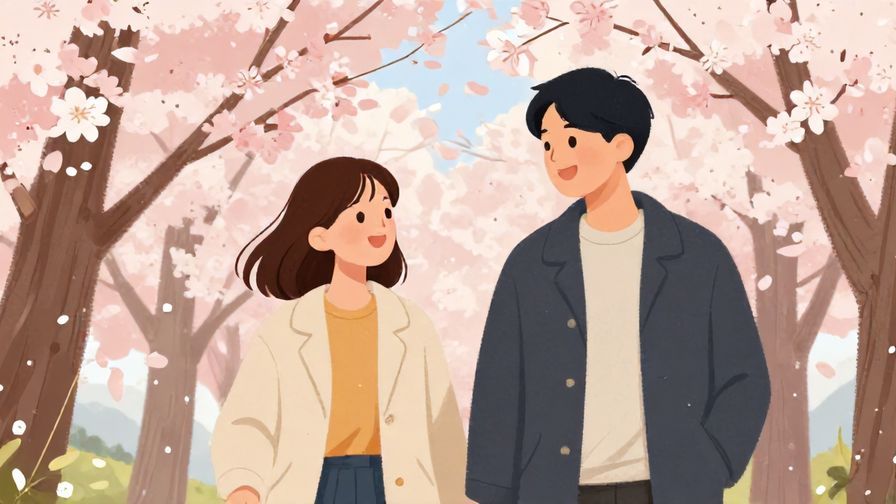
This sweet phrase expresses a wish for lasting friendship.
“ずっと” (zutto) means “forever” or “all along.”
It’s casual and affectionate.
Use it to show you truly value the friendship long-term.
It’s easy to remember and very positive.
Perfect for close friends or heartfelt moments.
Concluding Thought
Exploring these 22 phrases shows just how rich and nuanced Japanese can be when expressing “Let’s just be friends.”
The key takeaway is kindness and clarity—whether casual or formal, the right phrase can keep relationships healthy and warm.
With these expressions in your language toolkit, you’re ready to handle delicate conversations gracefully and keep your friendships strong and joyful.