22 Japanese ways to say “We need to see other people”
Sometimes, relationships reach a point where we need to express that it’s time to “see other people.”
It’s a sensitive phrase in any language, and Japanese has many ways to soften or clarify this message.
Whether you want to sound gentle, casual, or formal, there’s a phrase for every mood.
Let’s explore 22 warm, relatable, and culturally fitting Japanese ways to say “We need to see other people,” complete with pronunciation and meaning.
Learning these can help you navigate tricky conversations with empathy and clarity.
Ready to speak your heart with kindness and confidence? Let’s dive in!
Understanding the Nuance
Breaking up or shifting a relationship in Japanese culture often involves subtlety and respect.
Many phrases don’t translate to a direct “We need to see other people” but convey the sentiment thoughtfully.
Using the right tone and vocabulary can make all the difference.
Sometimes, using a great beginner phrasebook can give you a perfect starting point for a cohesive understanding.
Remember, tone and context matter as much as words.
Ready for some phrases? Let’s start with casual suggestions.
Part 1: Casual Suggestions
1. 別の人と会ったほうがいい (Betsu no hito to atta hou ga ii) – “It’s better to meet other people.”

This phrase gently suggests moving on by saying it’s better to meet others.
“別の人” (Betsu no hito) means “other person,” “会った” (atta) is the past form of “meet,” and “ほうがいい” (hou ga ii) expresses recommendation.
It’s casual but clear, great for easing into the conversation.
Using “ほうがいい” keeps it soft and non-confrontational.
You might hear a related phrase like “違う人と出会いたい” (chigau hito to deaitai) meaning “I want to meet different people.”
Try this when you want to be honest but kind in a casual setting.
2. 他の人にも目を向けよう (Hoka no hito ni mo me wo mukeyou) – “Let’s also look at other people.”

This phrase invites both parties to consider others, using “目を向ける” (me wo mukeru) meaning “to turn one’s eyes.”
It’s a gentle, inclusive way to say you want to explore other relationships.
“他の人にも” (hoka no hito ni mo) means “also to other people.”
A common mistake is making it sound like a command; keep your tone light.
For example, you could say, “最近、他の人にも目を向けようと思っている” (“Lately, I’m thinking of also looking at other people”).
This phrase is great for suggesting change collaboratively.
3. ちょっと距離を置こう (Chotto kyori wo okou) – “Let’s put some distance.”

This phrase uses “距離を置く” (kyori wo oku) literally meaning “put distance.”
It’s commonly used to suggest taking a break or cooling off.
“ちょっと” (chotto) means “a little,” softening the expression.
It’s a practical phrase to ease into the idea of seeing other people without being harsh.
People sometimes confuse it with permanent breakups, but it can mean temporary space.
Use it if you want to express needing space while keeping options open.
4. お互いに自由になろう (Otagai ni jiyuu ni narou) – “Let’s be free from each other.”

This phrase emphasizes mutual freedom using “お互いに” (otagai ni) meaning “each other” and “自由になろう” (jiyuu ni narou), “let’s become free.”
It sounds warm and hopeful, focusing on positive personal growth.
The verb “なろう” (narou) is a volitional form, inviting collaboration.
It can be a hopeful way to say “we should see other people” without blame.
Be careful not to sound too formal or distant with this in casual talk.
Try it when you want to part on good terms.
5. 新しい人と出会いたい (Atarashii hito to deaitai) – “I want to meet new people.”

This is a straightforward and honest phrase expressing your desire to meet others.
“新しい” (atarashii) means “new,” and “出会いたい” (deaitai) is “want to meet.”
It’s casual and clear without sounding harsh.
Avoid overusing it in early conversations as it may sound abrupt.
Example: “最近、新しい人と出会いたくなってきた” (“Lately, I’ve started wanting to meet new people”).
A good phrase to express readiness for change in a friendly way.
6. もう少し自由にしたい (Mou sukoshi jiyuu ni shitai) – “I want to be a little freer.”

This phrase centers on personal freedom, hinting at needing space in the relationship.
“もう少し” (mou sukoshi) means “a little more,” and “自由にしたい” (jiyuu ni shitai) means “want to be free.”
It’s a gentle way to imply wanting to see other people without direct confrontation.
Don’t use this if you want to be very direct; it’s more subtle.
Example sentence: “最近、もう少し自由にしたい気持ちがある” (“Lately, I feel like I want to be a little freer”).
Great for easing into the topic with softness.
7. ちょっと別の道を歩みたい (Chotto betsu no michi wo ayumitai) – “I want to walk a different path a bit.”

This poetic phrase conveys the wish to take a different path in life or love.
“別の道” (betsu no michi) means “a different path,” and “歩みたい” (ayumitai) means “want to walk.”
“ちょっと” (chotto) softens it, making it less absolute.
Use it to suggest change with nuance and respect.
It’s less about “seeing other people” literally, but implies moving on.
Perfect for heartfelt, gentle conversations.
8. 一度距離を置いてみよう (Ichido kyori wo oite miyou) – “Let’s try putting some distance once.”

This phrase suggests a trial separation using “一度” (ichido) meaning “once,” and “距離を置く” (kyori wo oku) “put distance.”
“みよう” (miyou) adds a tentative “let’s try” tone.
It’s a considerate way to propose space without finality.
Be mindful that it can sometimes be misunderstood as a breakup.
Example: “最近うまくいってないから、一度距離を置いてみようか” (“Things haven’t been going well lately, so let’s try putting some distance once”).
Great for suggesting a pause with hope for clarity.
Part 2: Polite & Formal Suggestions
9. お互いに別の人と過ごす時間が必要だと思います (Otagai ni betsu no hito to sugosu jikan ga hitsuyou da to omoimasu) – “I think we both need time with other people.”
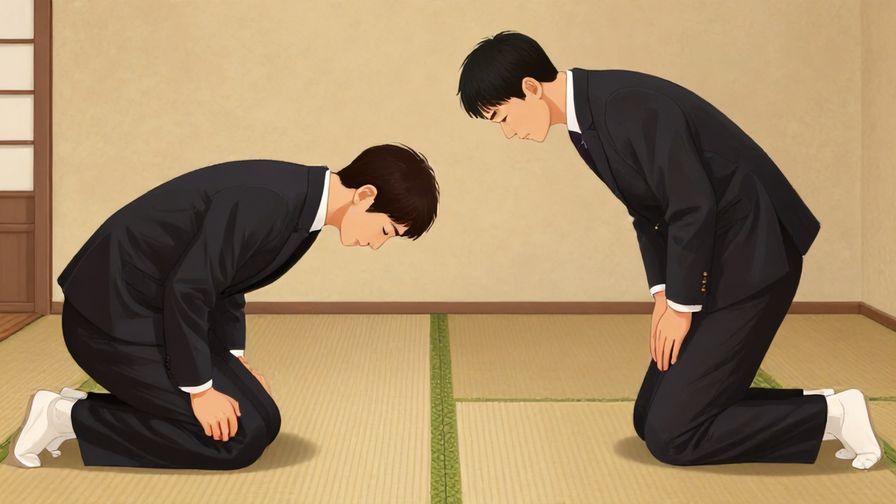
This is a polite, thoughtful way to say you need time apart.
“お互いに” (otagai ni) means “mutually,” “別の人” (betsu no hito) “other people,” and “時間が必要だと思います” (jikan ga hitsuyou da to omoimasu) “I think time is necessary.”
Perfect for formal or sensitive conversations.
It expresses mutual respect and shared needs.
You might use this in workplace relationships or more formal romantic contexts.
Using “思います” (omoimasu) softens the statement by showing it’s your opinion.
10. 今後は別々の道を歩むべきだと思います (Kongo wa betsubetsu no michi wo ayumu beki da to omoimasu) – “I think from now on we should walk separate paths.”

This phrase is formal and direct, suitable for serious talks.
“今後は” (kongo wa) means “from now on,” “別々の道” (betsubetsu no michi) “separate paths,” and “歩むべきだ” (ayumu beki da) “should walk.”
Adding “と思います” (to omoimasu) makes it polite and less blunt.
It clearly signals a breakup or separation.
Use it carefully to avoid sounding too harsh.
It’s often used in written or business-like communications.
11. 関係を見直す必要があると思います (Kankei wo minaosu hitsuyou ga aru to omoimasu) – “I think we need to reconsider our relationship.”

This phrase suggests re-evaluating the relationship’s direction.
“関係” (kankei) means “relationship,” “見直す” (minaosu) “to reconsider,” and “必要がある” (hitsuyou ga aru) “there is a need.”
It’s polite, implying change without specifying what.
Great when you want to open a dialogue.
Commonly used in counseling or formal discussions.
Try it when you want to soften difficult news.
12. 今は別々の時間を持つことが大切だと思います (Ima wa betsubetsu no jikan wo motsu koto ga taisetsu da to omoimasu) – “I think it’s important to have separate time right now.”

This phrase values space and personal time.
“今は” (ima wa) means “right now,” “別々の時間を持つこと” (betsubetsu no jikan wo motsu koto) “to have separate time,” and “大切だと思います” (taisetsu da to omoimasu) “I think it’s important.”
It’s gentle and respectful.
Good for couples looking to pause without ending things abruptly.
Mind to keep your tone soft to avoid confusion.
Useful for long-distance or busy schedules too.
13. 新たな出会いを探すべき時だと思います (Aratana deai wo sagasu beki toki da to omoimasu) – “I think it’s time to look for new encounters.”

This phrase politely suggests seeking new relationships.
“新たな出会い” (aratana deai) means “new encounters,” “探すべき時” (sagasu beki toki) “time to search,” and “だと思います” (da to omoimasu) softens the statement.
It’s formal, yet hopeful and future-focused.
Best for serious conversations about the end of a chapter.
Helps frame separation as a positive new beginning.
Can be used in letters or face-to-face talks.
14. それぞれの道を進むことを提案します (Sorezore no michi wo susumu koto wo teian shimasu) – “I propose we each take our own path.”

This is a formal, polite way to suggest parting ways.
“それぞれの道” (sorezore no michi) means “each one’s path,” and “提案します” (teian shimasu) means “I propose.”
It’s respectful and clear.
Use it in mature discussions where mutual understanding matters.
It emphasizes choice and respect rather than blame.
Great for ending relationships on good terms.
15. お互いのために別々の道を選びましょう (Otagai no tame ni betsubetsu no michi wo erabimashou) – “For each other’s sake, let’s choose separate paths.”
This phrase highlights kindness toward each other.
“お互いのために” (otagai no tame ni) means “for each other’s sake” and “選びましょう” (erabimashou) is “let’s choose.”
It’s formal but warm.
Use it to express care even while ending things.
It helps soften the message and focus on mutual benefit.
Perfect for thoughtful, empathetic conversations.
16. 今後は別の方とお付き合いすることにします (Kongo wa betsu no kata to otsukiai suru koto ni shimasu) – “From now on, I will date someone else.”
This is a polite and clear way to announce dating someone else.
“別の方” (betsu no kata) is a polite way to say “another person,” and “お付き合いすることにします” (otsukiai suru koto ni shimasu) means “I will date.”
It’s formal and unambiguous.
Be aware it might sound direct in casual contexts.
Example: “申し訳ないですが、今後は別の方とお付き合いすることにします。”
Best for clear closure in respectful terms.
Part 3: Very Casual / Native-like Expressions
17. ちょっと他の人と遊んでみたい (Chotto hoka no hito to asonde mitai) – “I want to hang out with other people a bit.”

This casual phrase uses “遊ぶ” (asobu), meaning “to play/hang out,” making it lighthearted.
“ちょっと” (chotto) softens it, “他の人” (hoka no hito) means “other people.”
It sounds natural among friends or young couples.
Be careful: it can sound very informal or even flippant.
Example: “最近ちょっと他の人と遊んでみたい気分なんだ。”
Use it for honest, easygoing talk among peers.
18. 気分転換に別の人と会いたい (Kibuntenkan ni betsu no hito to aitai) – “I want to meet someone else for a change of pace.”

This phrase frames seeing other people as a “気分転換” (kibuntenkan), a “change of mood.”
It’s casual, hinting at curiosity rather than serious breakup.
“別の人と会いたい” (betsu no hito to aitai) means “want to meet someone else.”
Watch tone to avoid sounding like it’s just for fun if you want more seriousness.
Example: “ちょっと気分転換に別の人と会いたいな。”
Good for playful or exploratory conversations.
19. そろそろ他の人を見てみようかな (Sorosoro hoka no hito wo mitemiyou kana) – “Maybe it’s about time to check out other people.”

This phrase sounds casual and a bit playful.
“そろそろ” (sorosoro) means “soon/about time,” “見てみよう” (mitemiyou) is “let’s try to see,” and “かな” (kana) softens it to “maybe.”
It’s a native-like way to express readiness for change.
Great for conversations among close friends or casual partners.
Example: “そろそろ他の人を見てみようかなと思ってる。”
Offers a gentle hint without pressure.
20. なんか違う人と付き合いたい気分だ (Nanka chigau hito to tsukiaitai kibun da) – “I kind of feel like dating someone different.”

This is very casual and conversational.
“なんか” (nanka) means “kind of,” “違う人” (chigau hito) “different person,” “付き合いたい” (tsukiaitai) “want to date,” and “気分だ” (kibun da) “feel like.”
It’s honest and relatable.
Use it among close friends or casual partners.
Avoid in formal or sensitive situations.
Example: “最近、なんか違う人と付き合いたい気分だよ。”
21. もうちょっと自由になりたいな (Mou chotto jiyuu ni naritai na) – “I want to be a little freer.”

This phrase is casual and soft, expressing a desire for freedom.
“もうちょっと” (mou chotto) is “a little more,” and “自由になりたい” (jiyuu ni naritai) “want to be free.”
The ending “な” (na) adds a gentle tone.
It’s a good way to hint at wanting space without confrontation.
Example: “最近、もうちょっと自由になりたいなって思ってる。”
Nice for subtle conversations about relationship shifts.
22. ちょっと距離を置きたいだけ (Chotto kyori wo okitai dake) – “I just want to put some distance.”

This phrase is casual and straightforward.
“距離を置きたい” (kyori wo okitai) means “want to put distance,” and “だけ” (dake) means “just/only.”
It’s a gentle way to say you need space without ending things outright.
Be mindful of tone to avoid misunderstandings.
Example: “今はちょっと距離を置きたいだけなんだ。”
Great for expressing temporary space needs.
Concluding Thought
Expressing “We need to see other people” in Japanese is all about balancing honesty with kindness.
These 22 phrases offer you a range of ways—from casual to formal—to communicate your feelings thoughtfully.
Remember, the best phrase is the one that matches your heart and respects the other person’s feelings. Good luck!