22 Japanese ways to say “All’s fair in love and war”
“All’s fair in love and war.” It’s one of those classic sayings that reminds us sometimes, rules bend when emotions run high.
In Japanese, there are many ways to express this idea, each with its own flavor and nuance. Whether you want to sound poetic, casual, or formal, there’s a phrase for every mood.
Exploring these expressions is a fun way to deepen your understanding of Japanese culture and language.
It also shows how universal certain feelings are—love and conflict bring out the wild side in all of us, no matter where we’re from.
Ready to learn 22 Japanese ways to say this timeless phrase? Let’s dive in and add some new phrases to your linguistic toolkit!
By the end, you’ll have plenty of fresh expressions to impress friends or spice up your conversations.
Understanding the Nuance Behind “All’s Fair in Love and War”
Before jumping into the list, it’s good to know that Japanese often expresses this idea indirectly.
The culture values subtlety, so many phrases hint at the meaning rather than stating it outright.
That makes learning these expressions a rewarding challenge!
Sometimes, using a great Japanese idioms and phrases book can give you a perfect starting point for a cohesive understanding.
These resources help you grasp the cultural context, making your learning smoother.
Plus, they often include pronunciation guides and example sentences.
Part 1: Casual Suggestions
1. 恋も戦も勝てば官軍 (Koi mo ikusa mo kateba kangun) – “In love and war, the victor is the rightful army.”

This phrase literally means if you win in love or war, you’re justified.
“Koi” (こい / koi) means love, “ikusa” (いくさ / ee-koo-sa) means war or battle, “kateba” (かてば / ka-teh-ba) means “if you win,” and “kangun” (かんぐん / kan-goon) refers to the “rightful army.”
It’s a direct way to express that winning justifies the means.
Use it when talking about situations where the outcome excuses any rough tactics.
It’s a handy phrase to sound confident in casual chats about romance or rivalry.
Try saying it aloud a few times to get comfortable with the rhythm; it’s a mouthful but pretty memorable!
2. 無礼講 (Bureikou) – “No etiquette meeting” (Anything goes)

“Bureikou” (ぶれいこう / boo-ray-koh) literally means “no manners allowed.”
It’s used to say that during certain events or moments, usual rules are relaxed—like in love or war.
Great for casual conversations when you want to say “anything goes.”
It’s easy to remember because it’s just three syllables and sounds fun!
Be careful not to use it in overly formal settings, as it implies breaking etiquette.
In daily life, you might hear it during friendly gatherings where people loosen up.
3. 恋の勝負は手段を選ばず (Koi no shoubu wa shudan wo erabazu) – “In love battles, any means are chosen.”

This phrase means love battles don’t shy away from any tactics.
“Koi” (こい / koi) is love, “shoubu” (しょうぶ / show-boo) is a contest or battle, “shudan” (しゅだん / shoo-dan) means means or method, and “erabazu” (えらばず / eh-rah-bah-zoo) means not choosing or choosing without care.
It’s perfect for describing situations where people go all out in love.
Use it when talking about bold or daring romantic moves.
It’s a nice phrase to remember because it’s like a mini proverb.
Try pairing it with stories about love to see it in action!
4. 戦は勝って兜の緒を締めよ (Ikusa wa katte kabuto no o wo shimeyo) – “After winning a battle, tighten your helmet cords.”

This saying reminds us to stay cautious even after victory.
“Ikusa” (いくさ / ee-koo-sa) is war, “katte” (かって / ka-teh) means winning, “kabuto” (かぶと / kah-boo-toh) is helmet, and “o wo shimeyo” (おをしめよ / oh-wo-shee-meh-yo) means tighten the cords.
It’s often used in love or war contexts to warn against letting your guard down.
Use it when advising friends to keep focus after success.
It’s a phrase with a vivid image that helps you remember its lesson.
Great to sound wise and thoughtful in conversations!
5. 好きこそ物の上手なれ (Suki koso mono no jouzu nare) – “Love makes one skillful.”

This positive phrase means love inspires excellence.
“Suki” (すき / sue-key) means love or liking, “koso” (こそ / koh-soh) adds emphasis, “mono” (もの / mo-noh) is thing or skill, “jouzu” (じょうず / joe-zoo) means skillful, and “nare” (なれ / nah-reh) is a form of “become.”
Use it to cheer on someone putting effort into love or war.
It’s a gentle reminder that passion fuels success.
Easy to remember because it has a nice rhythm and hopeful tone.
You can find it handy when discussing motivation or encouragement.
6. 愛は盲目 (Ai wa moumoku) – “Love is blind.”

“Ai wa moumoku” (あいはもうもく / eye wah mo-mo-koo) is the classic “love is blind.”
“Ai” (あい) means love, “wa” (は) is the topic marker, and “moumoku” (もうもく) means blind.
This phrase is often used in casual or poetic contexts.
It’s short and easy to remember, making it a staple phrase.
Use it to explain why people sometimes overlook flaws for love’s sake.
A great phrase to sprinkle into conversations about romance.
7. 恋は戦い (Koi wa tatakai) – “Love is war.”

Simply put, this phrase states love itself is a battle.
“Koi” (こい / koi) means love, “wa” (は) topic particle, and “tatakai” (たたかい / ta-ta-kai) means fight or battle.
It’s straightforward and casual, good for informal chats.
Perfect for describing the ups and downs of relationships.
Easy to remember since it’s very short and direct.
Use it to capture the passionate, sometimes combative side of love.
8. 何でもあり (Nan demo ari) – “Anything goes.”

“Nan demo ari” (なんでもあり / nan de-mo a-ri) means “anything is allowed.”
“Nan” (なん) means what/anything, “demo” (でも) means even, and “ari” (あり) means existence or is.
This phrase fits well when rules or limits don’t apply.
It’s casual and very common in spoken Japanese.
Use it to express that in love or war, all bets are off.
It’s an easy phrase with a rhythmic sound, making it easy to recall.
Part 2: Polite & Formal Suggestions
9. 恋愛と戦争には法則なし (Ren’ai to sensō ni wa hōsoku nashi) – “There are no rules in love and war.”
This formal phrase clearly states that love and war have no rules.
“Ren’ai” (れんあい / ren-ai) means romantic love, “sensō” (せんそう / sen-soh) means war, “hōsoku” (ほうそく / hoh-soh-koo) means rules or laws, and “nashi” (なし / nah-shee) means none.
It’s perfect for formal writing or speeches.
Use it when you want to sound authoritative and clear.
It’s a bit longer but very respectful and precise.
Great for essays or presentations about human nature.
10. 恋と戦いは手段を選ばない (Koi to tatakai wa shudan wo erabanai) – “Love and war do not choose means.”

This phrase politely states that in love and war, anything goes.
“Koi” (こい) means love, “tatakai” (たたかい) means battle, “shudan” (しゅだん) means means, and “erabanai” (えらばない) means do not choose.
Use it in formal discussions or essays for a polished touch.
Perfect for professional or academic contexts.
It’s a useful phrase to expand your formal vocabulary.
Practice its pronunciation slowly for clarity and effect.
11. 恋愛は戦争のようなもの (Ren’ai wa sensō no yō na mono) – “Love is like war.”

This expression politely compares love to war.
“Yō na mono” (ようなもの / yo-na mo-no) means “something like.”
It’s a respectful way to draw the parallel between love and battle.
Great for formal letters or thoughtful conversations.
It’s a phrase easy to remember because of its clear structure.
Use it to sound poetic while keeping a polite tone.
12. 戦いにルールはない (Tatakai ni rūru wa nai) – “There are no rules in battle.”

This phrase means battles have no rules.
“Tatakai” (たたかい) means fight or battle, “rūru” (ルール) is the borrowed word for rules, and “nai” (ない) means none.
It’s formal but straightforward.
Use it in discussions about conflict or strategy.
It’s easy to remember since “rūru” sounds like the English “rule.”
Good for sounding clear and serious.
13. 恋も戦も結果が全て (Koi mo ikusa mo kekka ga subete) – “In love and war, results are everything.”
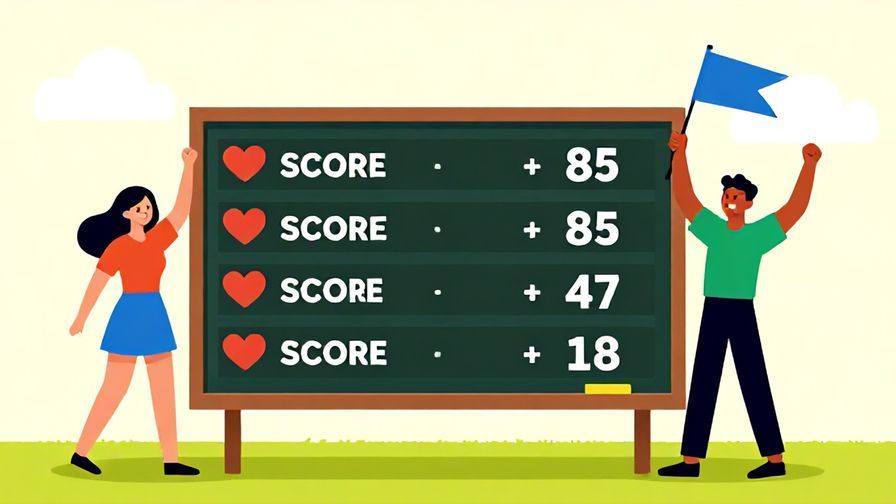
This phrase emphasizes that the outcome matters most in love and war.
“Kekka” (けっか / ke-kka) means result, and “subete” (すべて / su-be-te) means everything.
It’s polite and often used in writing or speeches.
Use it when discussing success or failure in these contexts.
The phrase is memorable because of its strong message.
Repeat it a few times to internalize the rhythm.
14. 恋愛も戦争も勝者が正義 (Ren’ai mo sensō mo shōsha ga seigi) – “In love and war, the winner is justice.”

This phrase states the winner defines what’s right in love and war.
“Shōsha” (しょうしゃ / show-sha) means winner, and “seigi” (せいぎ / say-gee) means justice.
It’s formal and impactful.
Great for persuasive writing or formal discussions.
The phrase sounds balanced and profound.
Using it shows you understand deeper cultural meanings.
15. 恋の戦いに規則はない (Koi no tatakai ni kisoku wa nai) – “There are no rules in the battle of love.”

This phrase politely says love battles have no rules.
“Kisoku” (きそく / ki-so-ku) means rules or regulations.
Use it in formal or semi-formal settings.
It’s slightly poetic and respectful.
Good for essays or reflective conversations.
Try to use it when explaining the unpredictability of love.
16. 戦争も恋も勝つ者が全てを手に入れる (Sensō mo koi mo katsu mono ga subete wo te ni ireru) – “In war and love, the winner gets everything.”

This formal phrase emphasizes that winners take all in love and war.
“Katsu” (かつ / ka-tsu) means to win, “mono” (もの / mo-no) means person, “te ni ireru” (てにいれる / teh-nee-ee-reh-ru) means to obtain or get.
It’s a strong, complete expression.
Use it to highlight the stakes in these battles.
It’s a memorable phrase due to its vivid imagery.
Great for speeches or dramatic writing.
Part 3: Very Casual / Native-like Expressions
17. 恋は手段を選ばない (Koi wa shudan wo erabanai) – “Love doesn’t choose methods.”

Used casually, this phrase means love will use any method.
It’s short and rolls off the tongue easily.
Use it in informal conversations about relationship struggles.
It sounds native and natural.
Try using it with friends when joking about love tactics.
It’s a handy phrase to show you’re comfortable with casual Japanese.
18. 恋は戦いだよ (Koi wa tatakai da yo) – “Love is a fight, you know.”

This is a very casual way to say love is a battle.
“Da yo” adds a friendly, conversational tone.
Use it with close friends or in relaxed settings.
It’s easy to say and sounds native.
Perfect for everyday chats about relationships.
Try practicing it with a smile to sound natural.
19. 戦は勝てばなんでもあり (Ikusa wa kateba nan demo ari) – “In war, if you win, anything goes.”

This phrase casually states that winning excuses all in war.
It’s a bit cheeky and often used in informal speech.
Great for storytelling or joking.
It’s memorable because of its bold tone.
Try using it when recounting funny or exaggerated war stories.
It adds personality to your Japanese speaking.
20. 恋のルールなんてないさ (Koi no rūru nante nai sa) – “There are no rules in love, you know.”

A relaxed way to say love has no rules.
“Nante” softens the phrase, “nai sa” adds casual emphasis.
Use it with friends for a laid-back vibe.
It’s easy and sounds like a native speaker.
Perfect for casual conversations about love’s unpredictability.
Have fun saying it with a light tone!
21. 戦は勝てばいいんだ (Ikusa wa kateba iin da) – “In war, winning is what matters.”

This is a very casual and direct way to say winning is all that counts.
“Iin da” adds an informal, conversational feel.
Use it in everyday talk about competition or struggles.
It’s memorable because of its simplicity.
Try it in playful debates or friendly banter.
It’ll help you sound like a confident native speaker.
22. 恋も戦もやるしかない (Koi mo ikusa mo yaru shika nai) – “In love and war, you just have to do it.”

This phrase captures the idea that in love and war, you have no choice but to act.
“Yaru shika nai” means “there’s no other way but to do it.”
It’s very casual and motivational.
Use it to encourage friends or yourself in tough situations.
Easy to remember because of its hopeful tone.
Say it with energy to boost your confidence!
Concluding Thought
Exploring these 22 Japanese expressions shows just how rich and varied language can be when talking about love and war.
Each phrase offers a unique window into how Japanese speakers view passion, conflict, and the fine line between right and wrong.
Keep practicing these phrases and soon you’ll not only sound more fluent but also connect more deeply with the culture behind the words. Ganbatte!