22 Japanese ways to say “It’s a dog-eat-dog world
Life can often feel like a tough competition, where everyone’s scrambling to get ahead.
In English, you might have heard the phrase “It’s a dog-eat-dog world.” But did you know Japanese has its own unique ways of expressing this idea?
Whether you’re learning Japanese or just curious about cultural expressions, exploring these phrases can be both fun and insightful.
In this article, we’ll walk you through 22 Japanese ways to say “It’s a dog-eat-dog world” — from casual to formal, and even some native-like expressions.
Understanding these will not only boost your language skills but also give you a deeper sense of how Japanese people view competition and survival.
So, let’s dive in and discover how to express the hustle and bustle of life in Japanese!
Why So Many Ways?
Japanese is rich with expressions that capture nuances of competition and survival.
Different phrases reflect different levels of intensity, formality, and cultural context, giving you plenty of options depending on the situation.
Whether chatting with friends or writing a formal essay, you’ll find just the right phrase to fit.
Sometimes, using a great beginner phrasebook can give you a perfect starting point for a cohesive understanding.
Each phrase comes with its own flavor and little cultural hints that make learning more rewarding.
Let’s start exploring!
Part 1: Casual Suggestions
1. サバイバルの世界 (Sabaibaru no sekai) – “Survival world”

This phrase literally means “survival world,” emphasizing life’s challenges.
It’s casual, easy to remember, and directly captures the feeling of competition and struggle.
Great for everyday conversations about tough situations.
Think of it as a Japanese way to say “life is survival.”
“サバイバル” (Sabaibaru) is borrowed from English “survival,” so it’s easy for learners to recall.
Use this when describing harsh environments or competitive fields.
2. 弱肉強食 (Jakunikukyoushoku) – “The weak are meat, the strong eat”
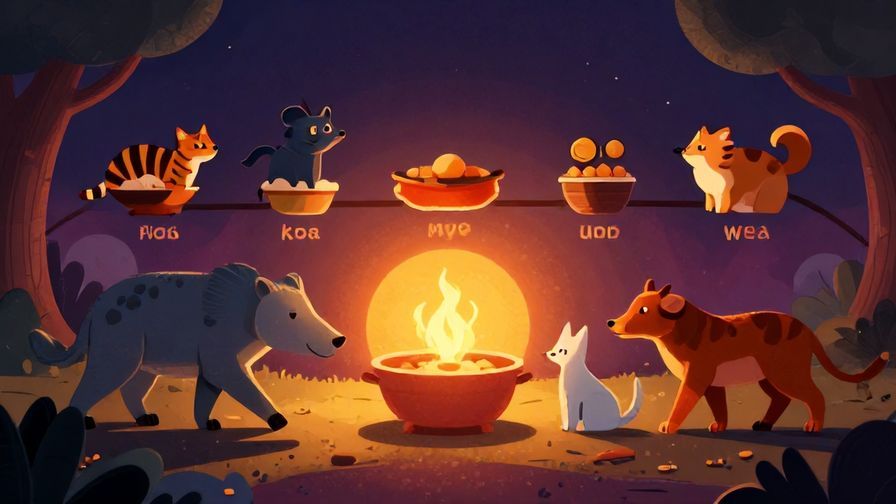
This is a classic idiom in Japanese that reflects a harsh natural order.
It’s a four-kanji compound (yojijukugo) phrase, often used in writing or formal speech.
It strongly conveys the dog-eat-dog idea with a vivid metaphor.
Remember to pronounce it as “ja-ku-ni-ku-kyou-sho-ku” (jah-koo-nee-koo kyoh-shoh-koo).
Use it when discussing competition or survival in a very direct way.
It’s a powerful phrase, so use it thoughtfully.
3. 生き馬の目を抜く (Ikiuma no me o nuku) – “Pluck the eyes of a living horse”

This expression is quite vivid and means “to be extremely ruthless or competitive.”
It’s a bit less common but very expressive and native-like.
It literally describes a violent act, metaphorically meaning everyone is ruthless in the competition.
Pronounce it as “i-ki-u-ma no me o nu-ku” (ee-kee-oo-mah noh meh oh noo-koo).
Use it to describe cutthroat business or fierce rivalry.
Try saying it slowly to get the rhythm and tone right.
4. 競争社会 (Kyousou shakai) – “Competitive society”

This phrase is straightforward and common in everyday Japanese.
It means “competitive society” and can be used to talk about modern life or work.
Pronounce it as “kyou-sou sha-kai” (kyoh-soh shah-kai).
It’s less colorful but very practical for conversation.
Perfect for discussing social or workplace competition.
Easy to remember as it combines “competition” and “society.”
5. 出る杭は打たれる (Deru kui wa utareru) – “The nail that sticks out gets hammered down”

This popular proverb describes how people who stand out get criticized or suppressed.
It reflects a competitive environment where conformity is valued.
Pronounce: “de-ru ku-i wa u-ta-re-ru” (deh-roo koo-ee wah oo-tah-reh-roo).
Use this when talking about social pressure in competitive settings.
It’s very relatable and often used in casual talks.
Helps you understand Japanese social dynamics.
6. 弱い者は淘汰される (Yowai mono wa touta sareru) – “The weak are eliminated”

This phrase is straightforward and slightly formal but still clear.
It means the weak get removed or eliminated in competition.
Pronounce it “yo-wa-i mo-no wa to-u-ta sa-re-ru” (yo-wah-ee moh-no wah toh-tah sah-reh-roo).
It’s useful in business or social contexts discussing survival of the fittest.
Helps express the harsh reality of competition.
Try pairing it with other phrases for emphasis.
7. 競争が激しい (Kyousou ga hageshii) – “Competition is fierce”

A simple and common way to say competition is intense.
Pronounce “kyou-sou ga ha-ge-shii” (kyoh-soh gah hah-geh-shee).
Great for informal conversation, easy to use.
Works well to describe sports, business, or school settings.
Easy to remember with “激しい” (hageshii) meaning fierce or intense.
Use it often to sound natural and clear.
8. 食うか食われるか (Kuu ka kuwareru ka) – “Eat or be eaten”

This phrase directly expresses a dog-eat-dog mentality.
It’s casual and easy to remember, perfect for informal chats.
Pronounce “kuu ka ku-wa-re-ru ka” (koo kah koo-wah-reh-roo kah).
Use it to describe ruthless competition or survival situations.
It’s vivid and paints a clear picture.
Try it when talking about tough work or social environments.
Part 2: Polite & Formal Suggestions
9. 生存競争 (Seizon kyousou) – “Survival competition”

This phrase is formal and often used in business or academic contexts.
It combines “生存” (seizon) meaning survival and “競争” (kyousou) meaning competition.
Pronounce “sei-zon kyo-u-so-u” (say-zon kyoh-soh).
Great for polite speech or writing.
Use it when discussing economic or social survival.
Sounds professional and precise.
10. 競争の厳しい社会 (Kyousou no kibishii shakai) – “A society with severe competition”

This phrase is a bit longer but polished.
It means a society where competition is harsh or strict.
Pronounce “kyou-sou no ki-bi-shii sha-ka-i” (kyoh-soh noh kee-bee-shee shah-kai).
Perfect for essays, speeches, or polite conversation.
Helps convey a complex idea clearly.
Use it when discussing societal challenges.
11. 過酷な競争環境 (Kakoku na kyousou kankyou) – “Harsh competitive environment”

This phrase emphasizes the severity of the competition environment.
“過酷” (kakoku) means harsh or severe, enhancing the phrase’s tone.
Pronounce “ka-ko-ku na kyo-u-so-u kan-kyo-u” (kah-koh-koo nah kyoh-soh kahn-kyoh).
Common in business or formal reports.
It’s a useful phrase to describe tough work or market conditions.
Use it to sound knowledgeable and serious.
12. 競争原理 (Kyousou genri) – “Principle of competition”

This phrase is academic and formal, often used in economics or sociology.
“原理” (genri) means principle or theory.
Pronounce “kyou-sou gen-ri” (kyoh-soh gen-ree).
Use this phrase when discussing theories behind competition.
Great for essays, presentations, or formal discussions.
It adds intellectual weight to your language.
13. 競争が激化する (Kyousou ga gekika suru) – “Competition intensifies”

This phrase means that competition is heating up or getting fiercer.
“激化する” (gekika suru) means to intensify or escalate.
Pronounce “kyou-sou ga ge-ki-ka su-ru” (kyoh-soh gah geh-kee-kah soo-roo).
Useful in business contexts or news reports.
Use it to describe growing rivalry or pressure.
It’s a clear and formal way to express change in competition.
14. 生き残りをかけた戦い (Ikinokori o kaketa tatakai) – “Battle for survival”

This poetic phrase means fighting for survival or staying alive.
It’s formal, often used metaphorically in writing or speeches.
Pronounce “i-ki-no-ko-ri o ka-ke-ta ta-ta-ka-i” (ee-kee-no-koh-ree oh kah-keh-tah tah-tah-kai).
Great for adding emotional impact to your language.
Use when discussing serious competition or struggles.
Helps paint a vivid mental image.
15. 厳しい競争社会 (Kibishii kyousou shakai) – “Harsh competitive society”

This phrase combines “厳しい” (kibishii) meaning strict or harsh with “competitive society.”
Pronounce “ki-bi-shii kyo-u-so-u sha-ka-i” (kee-bee-shee kyoh-soh shah-kai).
Commonly used in news or essays about society.
It captures the tough reality of modern life.
Use it to describe social pressure or economic competition.
Simple yet impactful phrase for formal occasions.
16. 競争にさらされる (Kyousou ni sarasareru) – “Exposed to competition”

This phrase means being exposed or subjected to competition.
Pronounce “kyou-sou ni sa-ra-sa-re-ru” (kyoh-soh nee sah-rah-sah-reh-roo).
Polite and useful in formal discussions.
Use it when talking about environments where competition is unavoidable.
It highlights vulnerability and pressure.
Good for nuanced conversations about social or work life.
Part 3: Very Casual / Native-like Expressions
17. サバイバルゲーム (Sabaibaru geemu) – “Survival game”

This is a casual, native-like phrase meaning “survival game.”
Borrowed from English, it’s easy to say and fun to use.
Pronounce “sa-bai-ba-ru gee-mu” (sah-bye-bah-roo gay-moo).
It’s playful, often used when describing tough situations lightly.
Great for informal chats about work or school competition.
Use it to sound trendy and natural.
18. 弱肉強食の世界 (Jakunikukyoushoku no sekai) – “A world where the strong eat the weak”

This is a casual way to say the world is dog-eat-dog.
It’s a direct and vivid phrase often used conversationally.
Pronounce “ja-ku-ni-ku kyo-u-sho-ku no se-ka-i” (jah-koo-nee-koo kyoh-shoh-koo noh seh-kai).
It’s a bit edgy but very clear.
Perfect for expressing frustration or realism.
Use it when you want to sound native and impactful.
19. 生き馬の目を抜くような世界 (Ikiuma no me o nuku you na sekai) – “A world like plucking the eyes of a living horse”

This longer version adds “world” to the earlier idiom, making it very descriptive.
Pronounce “i-ki-u-ma no me o nu-ku yo-u na se-ka-i” (ee-kee-oo-mah noh meh oh noo-koo yoh nah seh-kai).
It paints a brutal picture of the world’s ruthlessness.
Great phrase for strong opinions or storytelling.
It’s a bit advanced but very expressive.
Try practicing it aloud to get the rhythm.
20. 食うか食われるかの世界 (Kuu ka kuwareru ka no sekai) – “A world of eat or be eaten”

This phrase casually describes the world as a constant survival battle.
Pronounce “kuu ka ku-wa-re-ru ka no se-ka-i” (koo kah koo-wah-reh-roo kah noh seh-kai).
It’s vivid and commonly understood.
Use it in conversations about tough competition or business.
Easy to remember thanks to repetition of “kuu” and “kuwareru.”
Sounds natural and relatable.
21. 弱肉強食のルール (Jakunikukyoushoku no ruuru) – “The rule of the strong eating the weak”

This phrase adds “rule” to the idiom, highlighting the harsh laws of competition.
Pronounce “ja-ku-ni-ku kyo-u-sho-ku no roo-ru” (jah-koo-nee-koo kyoh-shoh-koo noh roo-roo).
It’s commonly used among younger speakers.
Perfect for casual talks about life or work.
Helps express the idea that the world has tough unwritten rules.
Try using it when discussing societal norms.
22. サバイバル社会 (Sabaibaru shakai) – “Survival society”

This casual phrase combines “survival” and “society.”
Pronounce “sa-bai-ba-ru sha-ka-i” (sah-bye-bah-roo shah-kai).
It’s trendy and easy to use.
Great for informal conversations about modern life pressures.
It adds a dynamic and youthful feel to the description.
Use it to sound up-to-date and natural.
Concluding Thought
Exploring these 22 Japanese ways to say “It’s a dog-eat-dog world” shows how vibrant and nuanced the language is.
Each phrase carries its own atmosphere and cultural background, giving you tools to express competition in just the right tone.
Keep practicing these expressions, and you’ll not only sound more natural but also gain a deeper understanding of Japanese culture and mindset. Ganbatte!