22 Japanese ways to say “That’s life”
Life is full of ups and downs, and sometimes all you can say is, “That’s life.” In Japanese, there are many warm, relatable ways to express this simple yet profound acceptance.
Whether you’re learning the language or just love Japanese culture, these phrases capture the spirit of embracing life’s unpredictability with a smile.
From casual expressions to more formal sayings, we’ve gathered 22 Japanese ways to say “That’s life” that you can use in different situations.
Each phrase comes with pronunciation guides and little explanations to help you remember and feel confident using them.
Understanding these expressions will not only improve your language skills but also give you insight into a uniquely Japanese way of looking at life’s twists and turns.
So, let’s dive in and discover these heartfelt, informal, and sometimes poetic ways to say “That’s life” in Japanese.
Understanding the Nuances
Before we jump into the phrases, it’s helpful to know that Japanese often conveys acceptance of life’s challenges through subtlety and context.
Many expressions carry a tone of resignation but also a sense of peace or humor, which makes them feel warm and relatable.
These sayings can be perfect for conversations where you want to acknowledge life’s unpredictability without sounding too negative.
Sometimes, using a great Japanese language learning book can deepen your understanding of these cultural nuances.
With that, let’s jump into the first set of casual expressions!
These are great to use with friends, family, or in informal settings.
Part 1: Casual Suggestions
1. 仕方ない (Shikata nai) – “It can’t be helped.”
This is one of the most common ways to say “That’s life” in Japanese.
“仕方 (shikata)” means “way” or “method,” and “ない (nai)” means “there isn’t.” Together, they express that there’s no way to change a situation.
It’s perfect for moments when something unfortunate happens, but you accept it calmly.
Just remember, it’s a gentle phrase, not harsh or negative.
Related phrases like “しょうがない (shouganai)” have a similar meaning and are used interchangeably.
Using this phrase shows you’re realistic but not defeated by life’s challenges.
2. そんなもんだ (Sonna mon da) – “That’s just how it is.”

This phrase is casual and carries a sense of resigned acceptance.
“そんな (sonna)” means “such” or “that kind of,” “もん (mon)” is a casual form of “もの (mono),” meaning “thing,” and “だ (da)” is the plain copula “is.”
It’s a handy phrase to shrug off small disappointments or quirks of life.
Be careful not to use it in very formal situations, as it’s quite casual.
For example, when a plan falls through, you might say, “まあ、そんなもんだね (Maa, sonna mon da ne).”
It’s a friendly way to say, “Oh well, that’s just how it goes.”
3. 人生そんなもの (Jinsei sonna mono) – “Life is like that.”

This phrase directly references life (“人生” – jinsei) and accepts its unpredictable nature.
“そんなもの (sonna mono)” means “such a thing” or “that kind of thing.”
It’s a slightly poetic but still casual way to say, “That’s just how life is.”
It works well when reflecting on life’s ups and downs, often with a thoughtful tone.
It’s easy to remember because it uses the word for life and a simple phrase for “such a thing.”
Try using it to share a moment of reflection with friends or family.
4. しょうがないね (Shouganai ne) – “It can’t be helped, huh?”

This is a very common and casual phrase meaning “it can’t be helped.”
“しょうがない (shouganai)” means “there’s no choice” or “it’s inevitable,” and “ね (ne)” adds a soft confirmation like “right?”
It’s often used to comfort someone or to accept a situation with a lighthearted tone.
Be mindful that overusing it might sound like giving up, so balance it with positive phrases.
It’s great to say after something doesn’t go your way, to acknowledge reality without frustration.
Pair it with a smile to soften its tone.
5. 仕方がないよ (Shikata ga nai yo) – “There’s no way around it.”
This phrase is similar to “shikata nai” but adds the particle “が (ga)” for emphasis and “よ (yo)” for a friendly tone.
It’s a casual but clear way to say “that’s life,” implying acceptance.
Using “よ” makes it sound like you’re sharing a gentle truth with someone.
It’s useful in conversations where empathy is needed.
Try it when a friend is upset and you want to comfort them by saying, “It’s okay, it can’t be helped.”
It’s a soft but honest phrase.
6. それが人生だ (Sore ga jinsei da) – “That’s life.”

This phrase literally means “That is life.”
“それ (sore)” means “that,” “が (ga)” marks the subject, “人生 (jinsei)” means “life,” and “だ (da)” is the plain form of “is.”
It’s straightforward and can be used in casual or semi-formal contexts.
It expresses acceptance of whatever is happening, good or bad.
It’s easy to use and remember because it’s very direct.
Use it to sum up a situation where nothing more can be done.
7. ま、いいか (Ma, ii ka) – “Well, whatever.”
This phrase is very casual and often used among friends.
“ま (ma)” is a soft interjection like “well,” and “いいか (ii ka)” means “is it okay?” or “whatever.”
It’s a laid-back way to say “That’s life” or “It’s fine, no worries.”
It’s great for letting go of small annoyances.
Be careful not to use it in serious conversations—it sounds too informal.
It’s perfect for daily casual chats.
8. 仕方ないさ (Shikata nai sa) – “It can’t be helped, you know.”

Adding “さ (sa)” gives a masculine, casual emphasis to “shikata nai.”
This phrase is often used by men to express acceptance with a bit of confidence.
It’s informal and friendly, good for conversations with close friends.
It softens the resignation with a tone of casual acceptance.
If you want to sound more informal or masculine, this is a great choice.
Use it to show you’re okay with whatever happens.
Part 2: Polite & Formal Suggestions
9. 仕方ありません (Shikata arimasen) – “There is no way.”
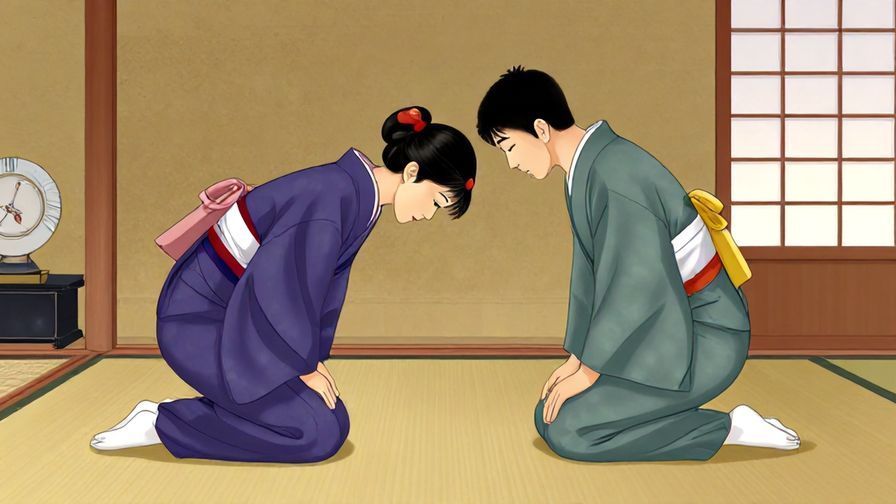
This is the polite version of “shikata nai,” often used in formal situations or business.
“ありません (arimasen)” is the polite negative form of “aru” (to exist), making this phrase respectful.
Use it when you want to accept a situation politely without sounding too casual.
It’s perfect for customer service or formal conversations.
It shows respect while still communicating acceptance.
Keep it in your toolkit for polite yet realistic expressions.
10. やむを得ない (Yamu wo enai) – “It can’t be helped.”

This phrase is formal and means “there is no choice but to do something.”
“やむ (yamu)” means “to stop,” “得ない (enai)” means “cannot be avoided.”
It’s often used in formal writing or serious conversations.
It carries a sense of inevitability with a mature tone.
Try it when discussing unavoidable decisions or situations.
It sounds professional and thoughtful.
11. 仕方がございません (Shikata ga gozaimasen) – Very Formal “It can’t be helped.”
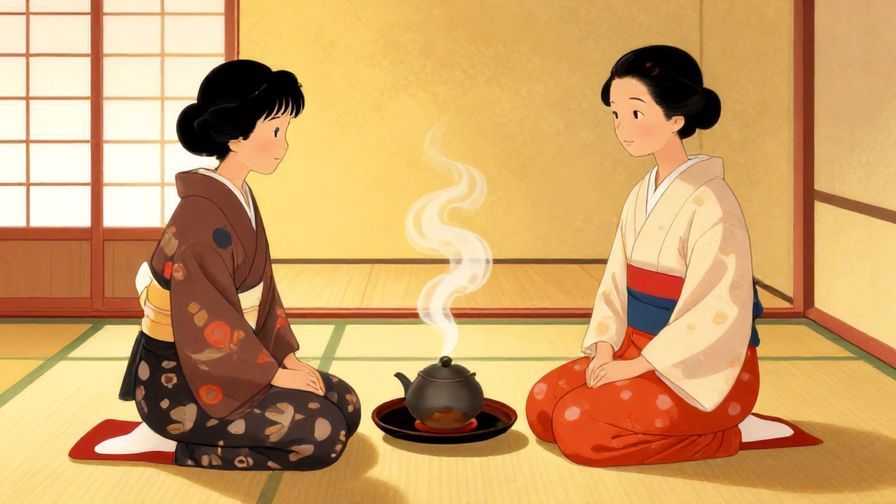
This is an even more polite version used in very formal contexts.
“ございます (gozaimasu)” is the formal equivalent of “あります,” showing high respect.
Use it in official statements or formal customer interactions.
It conveys humility and acceptance simultaneously.
It’s a great phrase to learn for business Japanese.
Remember, it’s not casual, so use it thoughtfully.
12. 仕方なし (Shikata nashi) – “No other choice.”
This is a slightly old-fashioned but formal way to say “it can’t be helped.”
It’s often found in literature or traditional speech.
“なし (nashi)” means “without,” so the phrase means “there is no way/method.”
It’s good for formal writing or poetic speech.
Try it if you want a more classical feel in your language.
It’s less common in daily conversation.
13. 仕方がありませんでした (Shikata ga arimasen deshita) – “There was no way.” (past)
This is the past tense polite form of “shikata ga arimasen.”
It’s used when accepting something that couldn’t be helped in the past.
Great for telling stories or explaining past situations politely.
It shows you’re reflecting on things that happened.
Use it to sound respectful when discussing past difficulties.
It adds emotional depth to your expression.
14. 仕方ありませんでした (Shikata arimasen deshita) – Polite past tense “It couldn’t be helped.”
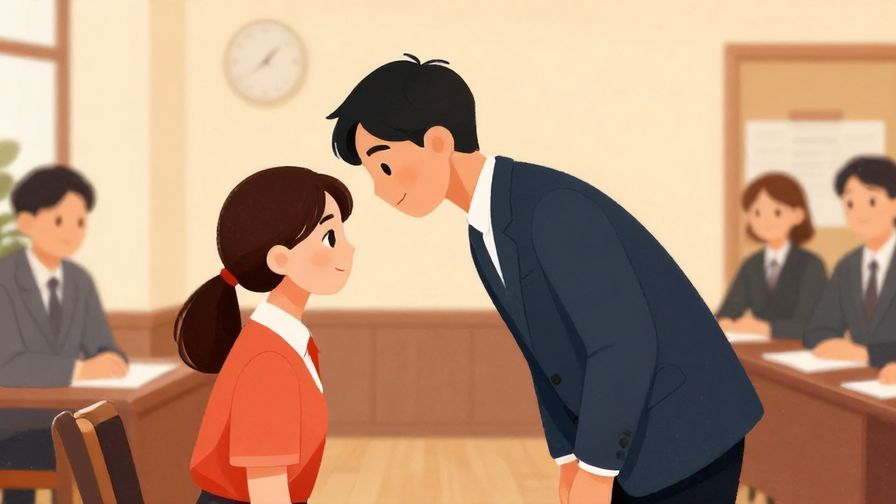
This is another past polite form, slightly shorter than the previous phrase.
It also expresses acceptance of past events politely.
Use it interchangeably with “shikata ga arimasen deshita.”
It’s useful in formal apologies or explanations.
It keeps the tone respectful and calm.
Perfect for professional or formal storytelling.
15. それも運命 (Sore mo unmei) – “That’s fate, too.”

This phrase brings in the idea of fate (“運命” – unmei).
“それも (sore mo)” means “that too,” so it accepts life’s difficulties as part of fate.
It’s polite yet philosophical, great for thoughtful conversations.
Use it to express a calm acceptance of destiny’s role in life.
It sounds a bit poetic and deep.
Great for writing or reflective speech.
16. 仕方がないものです (Shikata ga nai mono desu) – “It’s something that can’t be helped.”
This phrase adds “ものです (mono desu),” which softens the statement and makes it more explanatory.
It’s polite and often used to comfort or explain calmly.
Use it when you want to sound gentle and understanding.
It’s a nice way to say “that’s life” in a respectful tone.
Perfect for conversations where empathy is important.
Helps you sound caring and mature.
Part 3: Very Casual / Native-like Expressions
17. まあ、そんなもんだよ (Maa, sonna mon da yo) – “Well, that’s just how it is.”

This phrase is very casual and includes “まあ (maa),” a soft interjection meaning “well.”
Adding “よ (yo)” gives it a friendly, conversational tone.
It’s perfect for informal chats and sounding like a native speaker.
Use it when you want to lightly brush off something unexpected.
It’s a relaxed way to say “that’s life” with a bit of humor.
Great for daily conversations with friends.
18. そんなもんだろ (Sonna mon daro) – “That’s probably how it is.”

Adding “だろ (daro)” gives the phrase a masculine, casual, and slightly assertive tone.
It means “probably” or “right?” making it sound like a confident assumption.
Use it when you want to accept life’s quirks with a bit of attitude.
Great for casual male speech or relaxed settings.
It’s a bit rough but very native-like.
Use it carefully to avoid sounding rude.
19. しゃあない (Sha nai) – Kansai Dialect “It can’t be helped.”
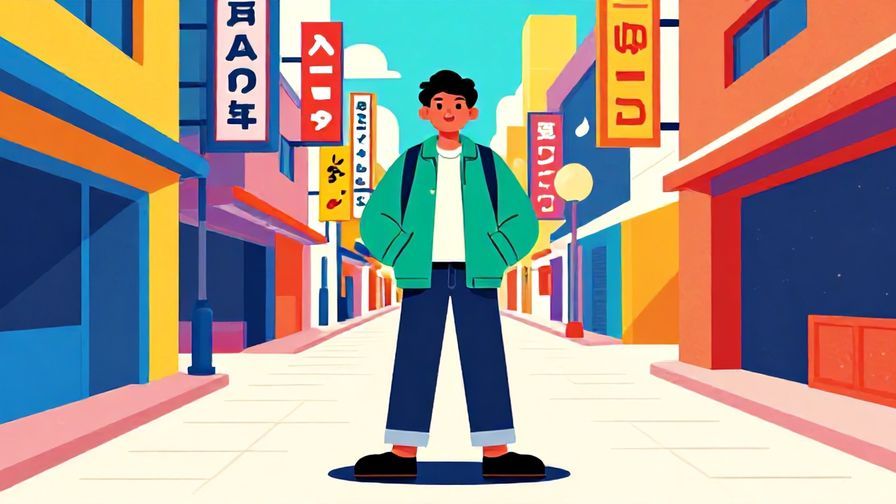
This is the Kansai dialect version of “shikata nai.”
It’s informal and often used in Osaka and surrounding areas.
It has a friendly, down-to-earth vibe.
Use it if you want to sound regional or casual.
It’s perfect for lighthearted acceptance of life’s annoyances.
Great for fans of Japanese regional culture.
20. どーしようもない (Doushiyou mo nai) – “There’s nothing you can do.”
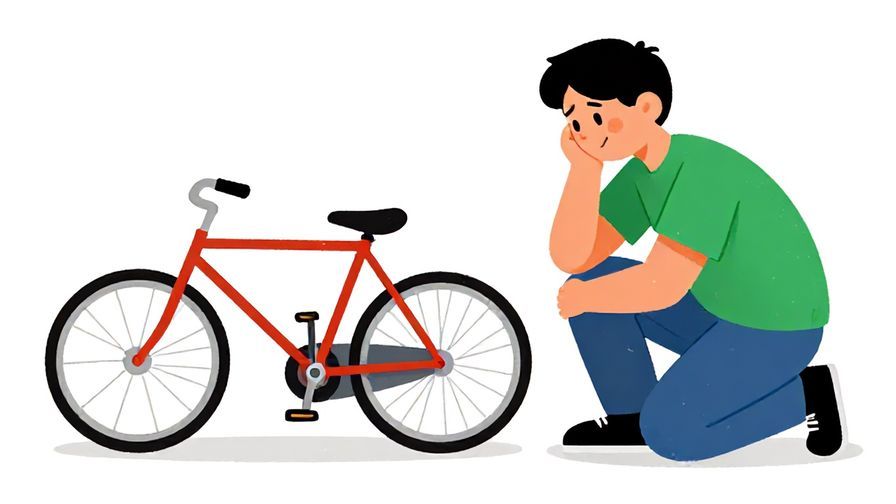
This phrase means “there’s no way to do anything about it.”
It’s very casual and often used in everyday speech.
“どーしよう (doushiyou)” means “what to do,” and “もない (mo nai)” means “there is not even.”
It’s great for expressing helplessness with a relaxed tone.
Use it when something just can’t be fixed or changed.
It’s very relatable and natural sounding.
21. まあ、仕方ないね (Maa, shikata nai ne) – “Well, it can’t be helped, right?”
A slightly softer version of “shikata nai” with “まあ (maa)” and “ね (ne)” for a conversational tone.
It conveys gentle acceptance and invites agreement.
Perfect for friendly conversations when you want to sound casual but thoughtful.
Use it to acknowledge life’s little setbacks warmly.
It’s easy to say and remember.
Great for everyday use.
22. そんなもんさ (Sonna mon sa) – “That’s just how it is.” (casual male)

Adding “さ (sa)” gives this phrase a masculine, casual emphasis.
It’s commonly used by men to express laid-back acceptance.
It’s a simple, native-like way to say “that’s life” with a bit of attitude.
Use it in informal settings with friends or family.
It’s easy to remember and sounds natural.
Perfect for when you want to sound effortlessly cool and accepting.
Concluding Thought
Exploring these 22 Japanese ways to say “That’s life” shows just how rich and nuanced the language is when it comes to expressing acceptance.
From casual shrugs to formal acknowledgments, each phrase lets you share a bit of that warm, human feeling when life doesn’t go as planned.
So next time life throws you a curveball, you’ll have the perfect Japanese phrase ready to embrace it with grace and a smile.