22 Japanese ways to say “What goes around comes around”
Ever noticed how life has a way of balancing itself out? What goes around comes around is a universal truth, and Japanese has some beautiful ways to express this idea.
Whether you’re chatting with friends or reflecting on the ups and downs of life, knowing these phrases can add a warm, poetic touch to your conversations.
Japanese expressions often carry deep cultural wisdom, wrapped in simple words that resonate beyond language.
In this list, we’ll explore 22 ways to say “What goes around comes around” in Japanese — from casual sayings to formal proverbs and native-like expressions.
Each phrase comes with easy explanations and pronunciation guides, perfect for learners of any level.
Ready to dive in and enrich your Japanese? Let’s go!
Understanding the Concept in Japanese
Before jumping into the specific phrases, it’s helpful to understand how Japanese culture views karma and balance.
Many expressions revolve around the idea of cause and effect, responsibility, and the natural flow of life’s actions.
These concepts are often tied to Buddhist ideas and everyday wisdom.

If you’re looking for a solid start, a phrasebook with idioms and proverbs can be a great companion to explore these ideas further.
Many of these phrases are timeless and used in everyday life, so learning them will definitely pay off.
Plus, they’re a fun way to sound a bit wiser in Japanese conversations!
Part 1: Casual Suggestions
1. 因果応報 (Inga ōhō) – “Cause and effect.”
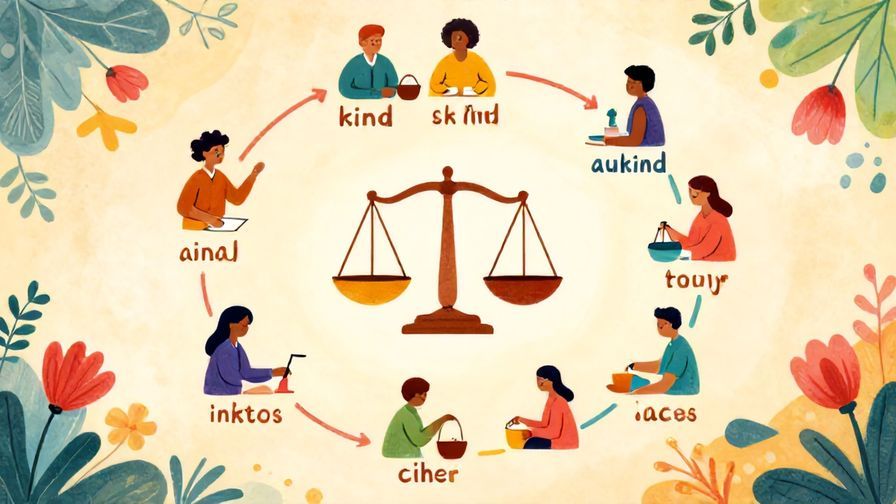
One of the most common ways to express “what goes around comes around” is 因果応報 (Inga ōhō).
因果 (Inga) means “cause and effect,” and 応報 (ōhō) means “retribution” or “reward.” Put together, it beautifully sums up karma.
Using this phrase shows a clear understanding that actions have consequences.
It’s often used in both casual and formal contexts.
You might hear it in conversations about justice or when someone reflects on their past deeds.
Remember this phrase as your go-to for talking about karmic balance in a straightforward way.
2. 自業自得 (Jigō jitoku) – “You reap what you sow.”

自業自得 (Jigō jitoku) literally means “one’s own actions, one’s own gains or losses.”
It’s a phrase you can use when someone faces the consequences of their own behavior, good or bad.
This saying carries a slightly stronger tone, implying personal responsibility.
Perfect for reminding someone gently but firmly that their choices matter.
It’s often used to say things like “You brought this on yourself.”
Try practicing it with friends, and you’ll sound like a real native!
3. 返報 (Henpō) – “Retribution.”

返報 (Henpō) is a concise way to talk about payback or retribution.
It’s often used in written or formal speech but can be understood in everyday conversation.
This word highlights the idea that actions return to you in kind.
It’s a neat, elegant way to say “what goes around comes around” without being too casual.
Henpō is great for conversations that touch on justice or fairness.
Keep it in your vocabulary when you want to sound polished yet clear.
4. 復讐は復讐を生む (Fukushū wa fukushū o umu) – “Revenge begets revenge.”

This phrase literally says, “Revenge begets revenge,” warning about the endless cycle of retaliation.
It’s a cautionary expression that fits perfectly with the “what goes around comes around” concept.
It reminds people that bad actions often cause more bad actions.
Use it when discussing conflict or the consequences of grudges.
This phrase is a bit more poetic and less commonly used casually.
It’s perfect for thoughtful conversations or writing.
5. いいことは巡り巡って返ってくる (Ii koto wa meguri megutte kaette kuru) – “Good things come back around.”

This is a warm, friendly way to say that kindness and good deeds return to you.
いいこと (ii koto) means “good things,” 巡り巡って (meguri megutte) means “go around and around,” and 返ってくる (kaette kuru) means “come back.”
It feels like a reassuring reminder that positivity returns.
Great for casual chats or encouraging someone to keep doing good.
It’s a lovely phrase to use in everyday life to spread some hope.
Try saying this one when someone is feeling discouraged.
6. 自分で蒔いた種は自分で刈る (Jibun de maita tane wa jibun de karu) – “You reap what you sow.”

This phrase literally means, “You harvest the seeds you sow yourself.”
It’s a natural, everyday way to say that your actions determine your results.
It’s great for teaching lessons or giving advice without sounding too harsh.
Often used in conversations about responsibility and consequences.
Use it to remind yourself or others to think before acting.
It’s a timeless piece of wisdom in a simple package.
7. 世の中は巡り巡る (Yo no naka wa meguri meguru) – “The world turns around.”

This phrase captures the cyclical nature of life and events.
世の中 (yo no naka) means “the world,” and 巡り巡る (meguri meguru) means “goes round and round.”
It’s a poetic way to acknowledge that life’s ups and downs are natural.
Use it in casual or reflective conversations.
It’s a gentle reminder that bad times will pass and good times will come.
Perfect for comforting friends or thinking about life’s rhythm.
8. 人の行いは必ず返ってくる (Hito no okonai wa kanarazu kaette kuru) – “People’s actions always come back.”

This is a straightforward phrase that clearly states the idea.
人の行い (hito no okonai) means “people’s actions,” 必ず (kanarazu) means “always,” and 返ってくる (kaette kuru) means “come back.”
It’s a practical phrase for everyday conversations.
Use it when you want to emphasize fairness and natural justice.
It’s easy to remember and helps express cause and effect in simple terms.
Great for both casual and polite settings.
Part 2: Polite & Formal Suggestions
9. 天網恢恢疎にして漏らさず (Tenmō kaikai so ni shite morasazu) – “Heaven’s net is wide and does not let anything escape.”

This is a classic proverb that expresses inevitable justice.
It suggests that no wrongdoing escapes heaven’s watchful eye.
Often quoted in literature or serious conversations about karma and justice.
This phrase shines in formal speeches or writings.
It’s perfect when you want to sound wise and profound.
Keep it handy for deep discussions about moral balance.
10. 諸行無常 (Shogyō mujō) – “All things are impermanent.”

While not exactly “what goes around comes around,” 諸行無常 (Shogyō mujō) reflects life’s constant change.
It reminds us that situations and fortunes don’t last forever.
This phrase is deeply rooted in Buddhist philosophy and often used formally.
Use it to reflect on the transient nature of life’s ups and downs.
It’s a great phrase to pair with karmic sayings for a fuller picture.
Perfect for thoughtful moments or poetic writing.
11. 善因善果、悪因悪果 (Zenin zenka, akuin akka) – “Good causes bring good results, bad causes bring bad results.”

This formal phrase explains karma in a clear, balanced way.
善因善果 (Zenin zenka) means “good causes, good results,” and 悪因悪果 (Akuin akka) means “bad causes, bad results.”
It’s perfect for speeches, essays, or serious discussions about morality.
Using this phrase shows a strong grasp of karmic principles.
It’s also a helpful reminder to choose your actions wisely.
Try using it when discussing ethics or personal responsibility.
12. 因果律 (Inga ritsu) – “Law of cause and effect.”
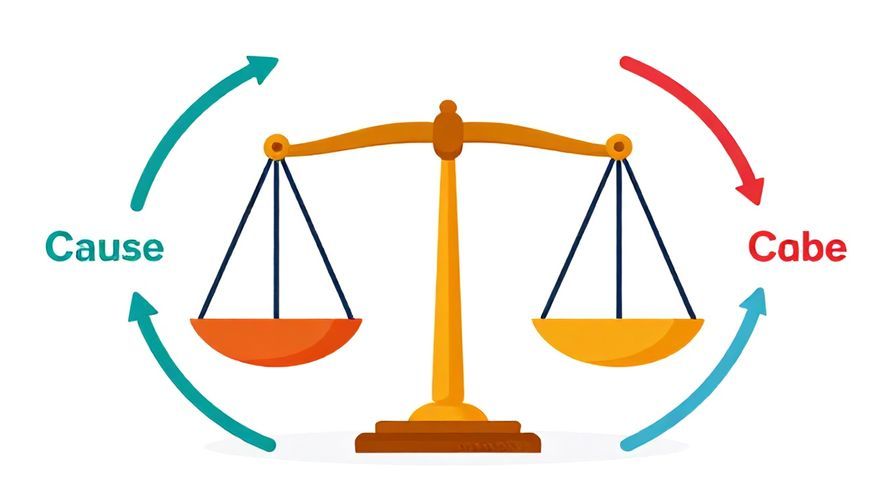
因果律 (Inga ritsu) is a formal term for the law of cause and effect.
It’s often found in academic or philosophical contexts.
This phrase is useful when discussing karma or moral philosophy clearly.
It’s less common in casual conversation but great for precise explanations.
Knowing this term can impress teachers or peers in advanced studies.
Use it when you want to sound educated and serious.
13. 因果応報の理 (Inga ōhō no kotowari) – “The principle of cause and effect.”

This expression explains the reasoning behind karma.
理 (kotowari) means “principle” or “reason,” so it highlights the natural law at work.
It’s a phrase you’ll find in formal essays or lectures.
Using it shows a deep understanding of karmic concepts.
It’s perfect for sharing wisdom in an elegant way.
Good for formal writing or reflective discussions.
14. 自業自得の理 (Jigō jitoku no kotowari) – “The principle of reaping what you sow.”
This phrase is a formal extension of the popular 自業自得.
Adding 理 (kotowari) emphasizes the principle behind personal responsibility.
It’s great for polite conversations or educational settings.
Use it when explaining why people face the outcomes of their actions.
It sounds respectful and thoughtful.
Perfect for teachers or thoughtful discussions.
15. 天罰は必ず下る (Tenbatsu wa kanarazu kudaru) – “Divine punishment will surely come.”

This phrase talks about inevitable divine justice.
天罰 (tenbatsu) means “punishment from heaven,” and 必ず下る (kanarazu kudaru) means “surely falls.”
It’s a strong, serious way to say that wrongdoers will face consequences.
Use it carefully, as it can sound a bit harsh.
Perfect for serious warnings or moral lessons.
Great when you want to emphasize inevitable justice.
16. 因果は巡る (Inga wa meguru) – “Cause and effect revolve.”

A polished, formal way of expressing the cyclical nature of karma.
It’s often used in writing or speeches about ethics.
This phrase reminds listeners that actions come full circle.
Use it when you want to sound intelligent but approachable.
It’s a versatile expression for many contexts.
Keep it in your formal vocabulary.
Part 3: Very Casual / Native-like Expressions
17. やったことは返ってくる (Yatta koto wa kaette kuru) – “What you do comes back.”

This is a casual, everyday way to say “what goes around comes around.”
やったこと (yatta koto) means “things you did,” and 返ってくる (kaette kuru) means “come back.”
It’s simple and perfect for chatting with friends.
Use it when you want to be clear but relaxed.
It’s a friendly reminder that your actions have reactions.
Great for casual conversations or social media posts.
18. 人にやったことは自分に返る (Hito ni yatta koto wa jibun ni kaeru) – “What you do to others returns to yourself.”

This phrase highlights the reciprocity of actions in daily life.
It’s a natural, warm way to express karmic balance.
Use it when encouraging kindness or fairness.
It sounds very natural and is easy to remember.
Perfect for native-like conversations or advice.
Try it next time you talk about how actions affect relationships.
19. いいことも悪いことも巡ってくる (Ii koto mo warui koto mo megutte kuru) – “Good and bad things both come around.”

This phrase casually covers both sides of karma.
It’s a balanced, friendly way to remind someone life has ups and downs.
Use it in conversations about fate or fortune.
It’s a great phrase to sound thoughtful but casual.
Perfect for everyday talks about life’s twists and turns.
Easy to remember with the words “いいこと” (good things) and “悪いこと” (bad things).
20. 因果は巡るよ (Inga wa meguru yo) – “Cause and effect goes around, you know.”

This is a very casual, conversational way to bring up karma.
Adding よ (yo) gives a friendly, confident tone.
Use it when chatting with friends or family.
It sounds natural and easygoing.
Great for emphasizing that actions always have consequences.
Try it to sound like a native speaker in casual settings.
21. いつかは自分に返ってくる (Itsuka wa jibun ni kaette kuru) – “Someday it will come back to you.”

This phrase carries a hopeful, gentle tone.
It’s a nice way to remind someone that karma works in the long run.
Use it when comforting or advising friends.
It’s casual but caring, perfect for everyday use.
“いつか” (itsuka) meaning “someday” adds patience to the message.
Perfect for encouraging optimism about justice or fairness.
22. 自分に返ってくるだけさ (Jibun ni kaette kuru dake sa) – “It just comes back to you.”

This is a laid-back, native-like way to say the phrase.
“だけさ” (dake sa) adds a casual, almost philosophical tone.
It works well in informal talks or storytelling.
Use it when you want to sound wise but relaxed.
It’s a great phrase to wrap up a conversation about karma.
Perfect for sounding natural and friendly in Japanese.
Concluding Thought
Exploring these 22 ways to say “What goes around comes around” reveals how rich and nuanced Japanese expressions are.
From poetic proverbs to casual chat, each phrase offers a window into culture and wisdom about life’s balance.
Keep these phrases close, and you’ll not only deepen your language skills but also your understanding of how actions shape our world. Ganbatte!