22 Japanese ways to say “I’m over it”
Sometimes, life throws us curveballs, and we just need to say, “I’m over it.” It’s a phrase that carries so much weight and relief.
In Japanese, expressing that you’ve moved past something can be both subtle and direct. There are many ways to say it, depending on the mood, formality, and nuance.
Whether you want to sound cool and casual or polite and formal, this list has you covered with 22 authentic Japanese expressions for “I’m over it.”
Learning these phrases can not only boost your language skills but also help you express yourself more naturally in everyday situations.
Plus, understanding the cultural context behind these expressions will make your Japanese conversations richer and more relatable.
Ready to move on and learn how to say “I’m over it” in 22 creative ways? Let’s dive in!
Getting Started: Understanding “I’m over it” in Japanese
Before jumping into the list, it’s good to know that “I’m over it” can mean different things—being done with a problem, no longer bothered, or simply moving on.
Japanese often uses expressions that imply letting go or losing interest rather than a direct translation. Context is key!
Keep in mind that some phrases work better with friends, while others suit work or formal settings.
Sometimes, using a great Japanese phrasebook can give you a perfect starting point for a cohesive understanding.
Remember, practice makes perfect, and trying these phrases out loud will help you feel more natural.
Let’s start with some casual, everyday ways to say you’re over something.
Part 1: Casual Suggestions
1. もういい (Mou ii) – “I’m done” / “Enough already.”

This is a super common way to say you’ve had enough or you’re over something.
“もう (mou)” means “already,” and “いい (ii)” means “good” or “enough.” Together, it’s like saying “that’s enough” or “I’m done.”
It’s casual but firm, perfect with close friends or in laid-back situations.
It carries a tone of finality, so use it when you really want to move on.
A related phrase is “もうやめた (mou yameta),” meaning “I quit” or “I’ve stopped.”
Use it when you want to clearly show you’re no longer interested or affected.
2. 気にしない (Ki ni shinai) – “I don’t care” / “I’m not bothered.”

This phrase literally means “I don’t mind” or “I’m not worried.”
“気 (ki)” means “mind” or “feeling,” “に (ni)” is a particle, and “しない (shinai)” means “don’t do.”
It’s an easy way to express not being affected anymore.
Be careful not to use it to dismiss someone’s feelings if they’re serious.
It fits well in casual chats when you want to sound relaxed about something.
Try saying it to show you’ve moved past a small annoyance.
3. もう終わった (Mou owatta) – “It’s over now.”
This phrase means “It’s already finished” or “It’s over.”
“終わった (owatta)” is the past tense of “end.”
It’s a clear way to say you’ve emotionally moved on from something.
Use it to signal closure or acceptance.
It works well when talking about past events or feelings.
It’s a practical phrase to remember for conversations about moving forward.
4. 気分が変わった (Kibun ga kawatta) – “My feelings have changed.”

This one’s a bit softer—it says your mood or feelings have shifted.
“気分 (kibun)” means “mood” or “feeling,” and “変わった (kawatta)” means “changed.”
Great for expressing you’ve moved past something but with a gentle tone.
It’s less direct but shows emotional growth or detachment.
Try it when you want to sound thoughtful rather than blunt.
It’s perfect for conversations where you want to explain your change of heart.
5. もう気にしない (Mou ki ni shinai) – “I’m not worried anymore.”
This phrase is a variation combining “もう (already)” with “気にしない (don’t care).”
It emphasizes that you’ve completely let go of worries.
It’s casual and great for reassuring someone you’re over a past issue.
Use it to sound positive and emotionally free.
It’s often used in daily conversations between friends.
Try pairing it with a smile for a friendly, confident vibe.
6. どうでもいい (Dou demo ii) – “I don’t care at all.”

This is a very casual and slightly blunt way to say you don’t care.
“どうでも” means “whatever” or “anything,” and “いい” means “good” or “fine.”
It’s perfect for expressing total indifference.
Use it carefully, as it can sound rude if used with strangers.
It’s great among close friends when you want to sound carefree.
Try it when you want to express you’re truly over something and it doesn’t matter anymore.
7. もう興味ない (Mou kyoumi nai) – “I’m not interested anymore.”

Here, “興味 (kyoumi)” means “interest,” and “ない (nai)” means “not.”
It’s a straightforward and polite way to say you’re over something because you lost interest.
Great for conversations about hobbies, topics, or even people.
Use it when you want to express clear detachment.
It’s softer than some blunt phrases but still direct.
Try to use it when explaining why you don’t want to engage anymore.
8. もう我慢できない (Mou gaman dekinai) – “I can’t take it anymore.”
This phrase is a bit emotional and means you’ve reached your limit.
“我慢 (gaman)” means “patience” or “endurance,” and “できない (dekinai)” means “cannot.”
Use it to express being fed up or over a stressful situation.
It’s commonly used in daily life when frustrations build up.
Try it to communicate you’re done tolerating something.
It helps others understand you’re emotionally at a breaking point.
Part 2: Polite & Formal Suggestions
9. もう気にしていません (Mou ki ni shite imasen) – “I’m no longer concerned.”

This is a polite way to say you’re over something and not bothered anymore.
“気にしていません” is a formal negative form meaning “not worrying about.”
Perfect for workplace conversations or respectful situations.
It sounds mature and composed.
Try this phrase when you want to keep things professional but clear.
It’s a great phrase to add to your polite conversation toolbox.
10. もう気持ちは切り替えました (Mou kimochi wa kirikaemashita) – “I’ve changed my feelings.”

This phrase politely expresses you’ve moved on emotionally.
“気持ち (kimochi)” means “feelings,” and “切り替えました (kirikaemashita)” means “have switched/changed.”
It’s formal and thoughtful, great for serious talks.
Use it to show emotional maturity and readiness to move forward.
It fits well in both work and family settings.
Try this when you want to emphasize a positive mindset change.
11. もう終わったことですから (Mou owatta koto desu kara) – “Because it’s something that’s already over.”

This phrase politely states that the matter is finished.
“終わったこと” means “a thing that ended,” and “ですから” means “because.”
It’s a gentle way to imply it’s time to move on.
Use it for calming tense discussions or disagreements.
It helps maintain harmony while expressing closure.
Try this when you want to sound diplomatic and final.
12. もう気にかけていません (Mou ki ni kakete imasen) – “I’m no longer concerned about it.”
This is another polite way to say you’ve stopped worrying about something.
“気にかける” means “to worry or care about,” and “いません” is a polite negative.
It’s softer than blunt phrases and suitable for formal settings.
Use this when you want to be respectful but clear about your feelings.
It’s useful for both personal and professional contexts.
Try it to sound calm and collected while showing you’ve moved on.
13. もう悩んでいません (Mou nayande imasen) – “I’m no longer troubled.”

This phrase expresses relief from worry or stress.
“悩む (nayamu)” means “to worry” or “to be troubled,” and the negative polite form means “not troubled.”
It’s perfect for showing emotional recovery or acceptance.
Use it in formal or semi-formal conversations to express peace of mind.
This phrase helps communicate emotional clarity and calm.
Try saying it when you want to reassure someone you’ve moved past difficulties.
14. もう受け入れました (Mou ukeiremashita) – “I have accepted it.”

This polite phrase means you’ve accepted the situation and moved on.
“受け入れる (ukeireru)” means “to accept,” and “ました” makes it past polite.
It’s a positive, mature way to say you’re over something emotionally.
Use it in conversations about difficult topics or changes.
It shows strength and readiness to move forward.
Try it when you want to communicate acceptance clearly and kindly.
15. もう興味を失いました (Mou kyoumi o ushinai mashita) – “I’ve lost interest.”

This is a formal way to say you’re no longer interested in something.
“興味 (kyoumi)” means “interest,” and “失う (ushinau)” means “to lose.”
It’s useful in polite conversations when explaining detachment.
Use it when you want to sound respectful but clear.
It helps avoid sounding rude while being honest.
Try this phrase when discussing topics or activities you’ve moved past.
16. もう関心がありません (Mou kanshin ga arimasen) – “I have no more concern.”

“関心 (kanshin)” means “concern” or “interest,” and “ありません” is polite negative.
This phrase politely expresses that you’re no longer concerned or interested.
Great for formal or business settings.
Use it to gently close topics without sounding harsh.
It’s a subtle but clear way to say you’re over something.
Try it when you want to keep conversations professional and calm.
Part 3: Very Casual / Native-like Expressions
17. もうどうでもいいや (Mou dou demo ii ya) – “I really don’t care anymore.”

This is a very casual and native-like way to say you’re over it.
“どうでもいい” means “whatever” or “don’t care,” and “や” adds a casual, emphatic tone.
It’s perfect with close friends when you want to sound laid-back.
Use it to express genuine indifference with a fun vibe.
It’s often seen in informal chats or social media.
Try this to sound like a native when chatting casually.
18. もう飽きた (Mou akita) – “I’m bored / fed up with it.”
“飽きた (akita)” means “got bored” or “fed up.”
It’s a casual and blunt way to say you’re over something.
Great for expressing frustration or loss of interest.
Use with friends or people you know well.
It’s relatable and often used for hobbies, shows, or repetitive things.
Try it to sound natural and informal.
19. もういいってば (Mou ii tte ba) – “I said I’m done!”

This phrase adds “ってば” for emphasis, making it sound more emotional.
It’s casual and can be slightly bossy or playful depending on tone.
Use it when you want to insist you’re over something.
Caution: It’s best with friends or siblings.
Try it to add personality and native flair to your speech.
It conveys impatience but in a lighthearted way.
20. もう知らない (Mou shiranai) – “I don’t care anymore.”

“知らない (shiranai)” means “I don’t know” but conveys “I don’t care” in context.
This is a blunt and casual way to express being over something.
Often used when someone is tired of explaining or caring.
Be cautious; it can sound rude if used improperly.
Use among friends when you want to show frustration or detachment.
Try it to express a strong “I’m done” feeling.
21. もう放っといて (Mou hottoite) – “Just leave me alone already.”
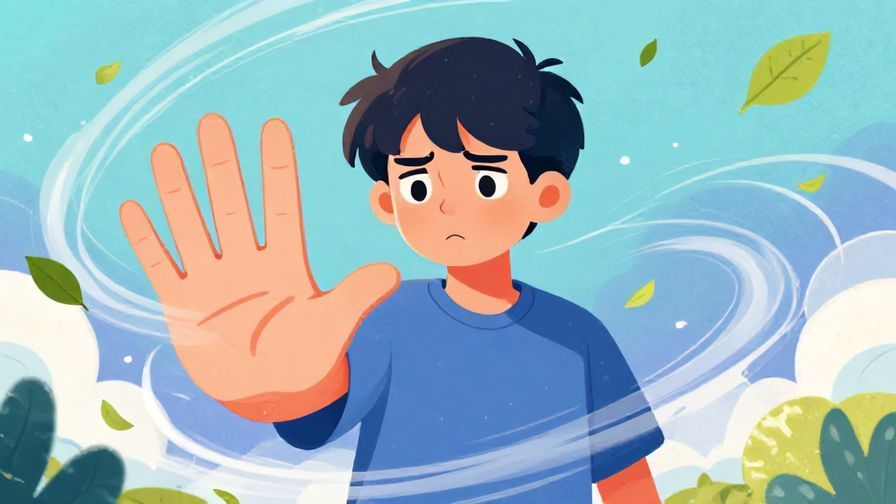
“放っといて (hottoite)” means “leave me alone.”
This casual phrase expresses that you want to be left alone because you’re over it.
It’s great for showing emotional exhaustion or needing space.
Use it carefully with close friends or family.
Try this when you want to sound authentically casual but firm.
It’s a powerful phrase to set boundaries.
22. もうどうでもよくなった (Mou dou demo yoku natta) – “I’ve come to not care at all.”

This phrase means you used to care but now truly don’t.
It’s casual and expresses a change of heart to full indifference.
Great for storytelling or explaining emotional journey.
Use it with friends to sound natural and heartfelt.
Try it to share how you’ve moved from caring to being over it.
It’s a great phrase to show emotional growth.
Concluding Thought
Learning these 22 ways to say “I’m over it” in Japanese gives you a wide range of expressions from casual to formal, and everything in between.
Each phrase carries its own nuance and emotion, helping you communicate more authentically in different situations.
Keep practicing, and soon you’ll be able to express your feelings naturally and confidently in Japanese — whether you’re over a bad day, a tough situation, or just want to move on.