22 Japanese ways to say “Time’s up”
Ever been caught off guard when time runs out, but you want to sound a bit more natural or fun in Japanese? Whether you’re in a game, a meeting, or just wrapping up a chat, there are so many ways to say “Time’s up” in Japanese.
From casual to formal, and even playful expressions, these phrases help you fit right in with the native flow. Plus, learning a variety keeps your conversations fresh and interesting!
This list will take you through 22 different ways to say “Time’s up” in Japanese, with easy pronunciation guides and real-life context.
It’s not just about the words; it’s about timing, tone, and knowing when to use what. Perfect for learners or anyone curious about the nuances of Japanese.
Sprinkle these expressions into your conversations and watch your Japanese skills shine.
Ready to dive in? Let’s get started!
Understanding Time Expressions in Japanese
Before jumping into the list, it’s good to know the basics. Japanese often uses words like 時間 (じかん, jikan) meaning “time” and 終わり (おわり, owari) meaning “end.”
Combining these with different verbs and particles can change the tone from casual to formal, or urgent to playful.
Mastering these basics will make the list easier to digest and apply.
Sometimes, using a great Japanese language learning book can give you a perfect starting point for a cohesive understanding.
Practice with phrases often and you’ll start to notice the rhythm of how time-related phrases fit naturally into conversation.
Once you get the hang of this, you’ll be ready to explore all the fun variations!
Part 1: Casual Suggestions
1. 時間だよ (Jikan da yo) – “It’s time!”
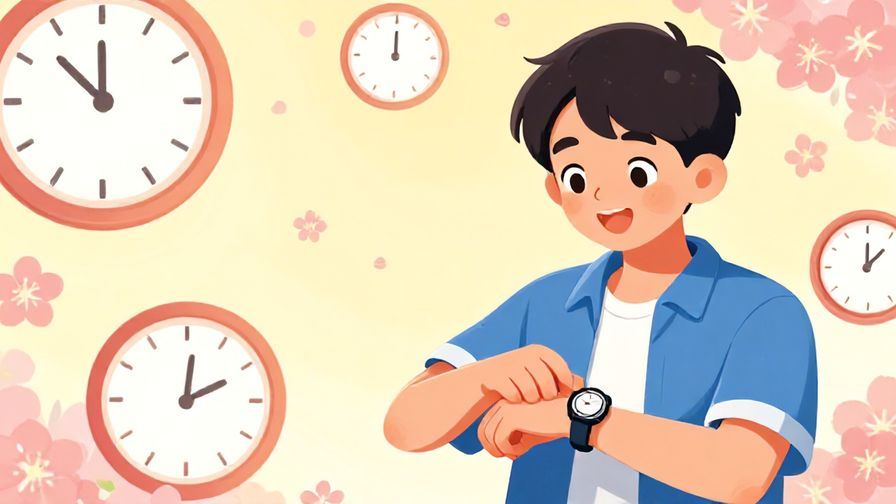
This is a straightforward, casual way to announce that time is up.
“時間” (じかん, jikan) means “time,” and “だよ” (da yo) adds a friendly, conversational tone.
Great for friends or informal settings where you want to sound natural and clear.
It’s like saying, “Hey, time’s up!” in a casual way.
You can also say “もう時間だよ” (もうじかんだよ, mou jikan da yo) to mean “It’s already time!”
Use this phrase when you want to lightly remind someone that their time has ended.
2. 終わり! (Owari!) – “Finished!”

“終わり” (おわり, owari) simply means “the end” or “finished.”
It’s super casual and often used in games or informal talks to indicate something is done.
Easy to remember since it’s just one word!
Be careful not to use it in very formal settings as it might sound too blunt.
Example: In a quiz game, shout “終わり!” when the time’s up.
This phrase instantly communicates that the activity is over without fuss.
3. もう終わった? (Mou owatta?) – “Is it over already?”

This one is a casual, slightly playful way to ask if time is up.
“もう” (mou) means “already,” and “終わった” (owatta) is the past tense of “end.”
It’s great to express mild surprise or check if time’s really up.
This can start a conversation or a playful moment after time ends.
Useful in informal chats or during a game to keep things light.
Try it out when you want to sound curious or a bit cheeky!
4. もう時間切れ! (Mou jikan gire!) – “Time’s up!”

“時間切れ” (じかんぎれ, jikan gire) literally means “time cut” or “time expired.”
Adding “もう” (mou, “already”) makes it clear the time limit has been reached.
This phrase is common in games and timed tests.
It sounds a bit dramatic, perfect for adding a punch to the moment.
Example: After a timed quiz ends, say “もう時間切れ!”
Great for making the end of time feel official and a bit exciting.
5. タイムアップ! (Taimu appu!) – “Time’s up!” (Loanword)

This is a borrowed phrase from English, pronounced “タイムアップ” (taimu appu).
It’s widely understood in casual and some professional settings.
Easy to say and remember because it sounds like English.
Great for gamers or anyone in a fast-paced environment.
Example: When the timer runs out in a game, shout “タイムアップ!”
Perfect for adding a cool, modern flavor to your speech.
6. そろそろ終わりだよ (Sorosoro owari da yo) – “It’s about time to finish.”

“そろそろ” (sorosoro) means “soon” or “about time.”
Combined with “終わりだよ” (owari da yo), it gently signals that time is almost up.
This is a polite but casual way to wrap things up.
Ideal for meetings, study groups, or casual hangouts.
Example: “そろそろ終わりだよ、片付けよう” (“It’s about time to finish, let’s clean up.”)
Use this to smoothly transition toward ending an activity.
7. 時間が来たよ (Jikan ga kita yo) – “Time has come.”

This phrase literally means “the time has come.”
It’s casual and sounds natural in everyday conversation.
Good for signaling when a deadline or end time arrives.
It’s a great alternative to more abrupt phrases.
Example: “時間が来たよ、テストをやめてください” (“Time has come, please stop the test.”)
Try this phrase to sound polite but clear.
8. もう終わりだよ (Mou owari da yo) – “It’s already over.”

This casual phrase tells someone that the time is up or the event is done.
“もう” (mou) means “already,” and “終わり” (owari) means “end.”
It’s informal, great for friends or family.
Example: At the end of a game, say “もう終わりだよ!”
It sounds natural and friendly, perfect for everyday use.
Great for closing a conversation or activity gently.
Part 2: Polite & Formal Suggestions
9. 時間が終了しました (Jikan ga shūryō shimashita) – “Time has ended.”

This is a polite, formal way to announce that time is up.
“終了しました” (しゅうりょうしました, shūryō shimashita) means “has ended.”
Perfect for business or official settings.
It sounds respectful and clear.
Example: At the end of a presentation, say “時間が終了しました” to signal the session is over.
Impress with this polite phrase in formal situations.
10. 制限時間が過ぎました (Seigen jikan ga sugimashita) – “The time limit has passed.”

“制限時間” (せいげんじかん, seigen jikan) means “time limit.”
“過ぎました” (すぎました, sugimashita) means “has passed.”
This formal phrase is perfect for announcements or official rules.
It sounds precise and professional.
Example: “制限時間が過ぎましたので、回答を締め切ります” (“The time limit has passed, so we will close the answers.”)
Use this to clearly indicate deadlines in formal contexts.
11. お時間になりました (O-jikan ni narimashita) – “Your time has come.” (Polite)
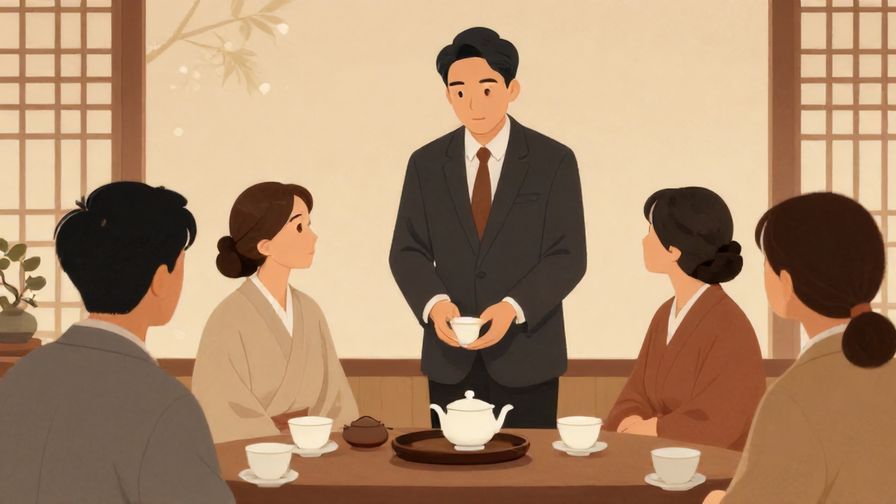
Adding “お” (o) makes this phrase polite and respectful.
“なりました” (narimashita) means “has become.”
It’s a gentle and courteous way to say time is up.
Perfect for formal events or customer service.
Example: “お時間になりましたので、次の方どうぞ” (“Your time has come, so next person please.”)
Use this to keep things polite and smooth.
12. 終了時間です (Shūryō jikan desu) – “It is the ending time.”
A clear, polite way to state that the set time has ended.
“終了時間” means “ending time.”
Simple and professional.
Example: “終了時間ですので、終了いたします” (“It is ending time, so we will finish.”)
Great for meetings, classes, or timed events.
It’s respectful and easy to remember.
13. 時間が来ましたので、終了します (Jikan ga kimashita node, shūryō shimasu) – “Since time has come, we will finish.”

This polite phrase combines explanation and conclusion.
It’s perfect for smoothly ending formal gatherings.
“ので” (node) means “because” or “since.”
Example: “時間が来ましたので、終了します。ありがとうございました。” (“Since time has come, we will finish. Thank you.”)
Use it to sound professional and courteous.
Ideal for wrapping up presentations or workshops.
14. お時間の終了となります (O-jikan no shūryō to narimasu) – “This marks the end of the time.”

This is a very polite and formal way to announce that time is up.
It sounds official and respectful.
Use this phrase in formal speeches or announcements.
Example: “お時間の終了となります。ご協力ありがとうございました。” (“This marks the end of the time. Thank you for your cooperation.”)
Perfect for ceremonies or official events.
It leaves a professional and polished impression.
15. 時間切れとなりました (Jikan gire to narimashita) – “Time has expired.” (Formal)
More formal take on “時間切れ” (time’s up).
“となりました” (to narimashita) is a polite way to say “has become.”
It sounds serious and official.
Example: “試験の時間切れとなりました。” (“The exam time has expired.”)
Ideal for official announcements where clarity is key.
Use it to maintain professionalism.
16. お時間が終了いたしました (O-jikan ga shūryō itashimashita) – “Your time has ended.” (Very polite)

This is a very polite and humble phrasing.
“いたしました” (itashimashita) is the humble form of “did.”
Perfect for customer service or formal events.
Example: “お時間が終了いたしました。ありがとうございました。” (“Your time has ended. Thank you.”)
Use this to show great respect and professionalism.
Impress your listeners with this refined expression.
Part 3: Very Casual / Native-like Expressions
17. もうダメ! (Mou dame!) – “No more time!” / “No good anymore!”

This is a super casual, expressive way to say time’s up.
“ダメ” (dame) means “no good” or “not allowed.”
Often used in games or among close friends.
Example: After a timer runs out in a game, shout “もうダメ!”
It’s fun and natural but not for formal use.
Use it to add some humor and urgency.
18. 終わっちゃった! (Owacchatta!) – “It’s already finished!” (Casual)
This phrase uses the casual past tense “ちゃった” to add a feeling of “already done” with slight regret or surprise.
Great for informal conversations.
Example: “わあ、もう終わっちゃった!” (“Wow, it’s already finished!”)
It’s very natural and native-sounding.
Perfect for chatting with friends about time running out.
Try it to sound spontaneous and lively.
19. タイムオーバー! (Taimu ōbā!) – “Time over!” (Loanword)
Another English loanword phrase, “タイムオーバー,” means “Time over.”
It’s casual but widely understood.
Common in games, sports, and competitions.
Example: “タイムオーバー!次のゲームへ行こう!” (“Time over! Let’s go to the next game!”)
Fun and punchy, perfect for fast-paced contexts.
Use it to sound like a native gamer or sports fan.
20. 時間ね! (Jikan ne!) – “Time’s up, huh!” (Casual, with nuance)

Adding “ね” (ne) gives a nuance of seeking agreement or softening the phrase.
It’s casual and friendly.
Example: “時間ね、そろそろ終わろうか。” (“Time, huh? Let’s finish up soon.”)
Great for conversations with friends or teammates.
It sounds natural and easygoing.
Use this to gently call attention to time without pressure.
21. 時間切れだってば! (Jikan gire datte ba!) – “I’m telling you, time’s up!” (Casual, emphatic)

This phrase adds “だってば” for emphasis, common in casual speech when stressing a point.
It’s lively and native-like.
Example: “時間切れだってば!早く答えて!” (“I’m telling you, time’s up! Hurry and answer!”)
Use it among friends to add urgency with a casual tone.
It’s expressive and fun.
Perfect for playful reminders.
22. もう終わりっしょ (Mou owari ssho) – “It’s over already, right?” (Very casual/slang)

This slangy phrase is very casual, using “っしょ” (ssho) to seek agreement.
Sounds very native but only suitable for close friends.
Example: “もう終わりっしょ?帰ろうよ。” (“It’s over already, right? Let’s go home.”)
Great for informal, relaxed situations.
Use it to sound like a local teen or young adult.
It’s playful and casual, so use wisely!
Concluding Thought
Exploring these 22 ways to say “Time’s up” in Japanese shows just how rich and varied the language can be.
Whether you want to be polite, casual, or playful, there’s a perfect phrase for every occasion.
So go ahead, practice them, and add some fun timing flair to your Japanese conversations!