22 Japanese ways to say “Break time”
We all know how vital that little pause is during a busy day — a moment to catch our breath and recharge. In Japan, there are many ways to express this simple yet precious “break time.”
Whether you’re chatting with friends, at work, or just relaxing solo, knowing different ways to say “break time” in Japanese can add a fun, cultural touch to your everyday language.
This list is packed with warm, informal expressions as well as polite and native-like phrases you can use depending on the situation.
Learning these will not only help you relax with more confidence but also connect with Japanese culture in a meaningful way.
Plus, picking up these phrases can be a great excuse for a little mental break — a break about breaks!
So, let’s dive into 22 Japanese ways to say “Break time” and find your perfect phrase.
Common Phrases to Say “Break Time”
Before we jump into the different expressions, here’s a quick note: “break time” in Japanese is often context-dependent, so you’ll find casual, formal, and native expressions.
Understanding when and how to use each will make your conversations feel more natural and relaxed.
Let’s start with some basics that you can use anytime.
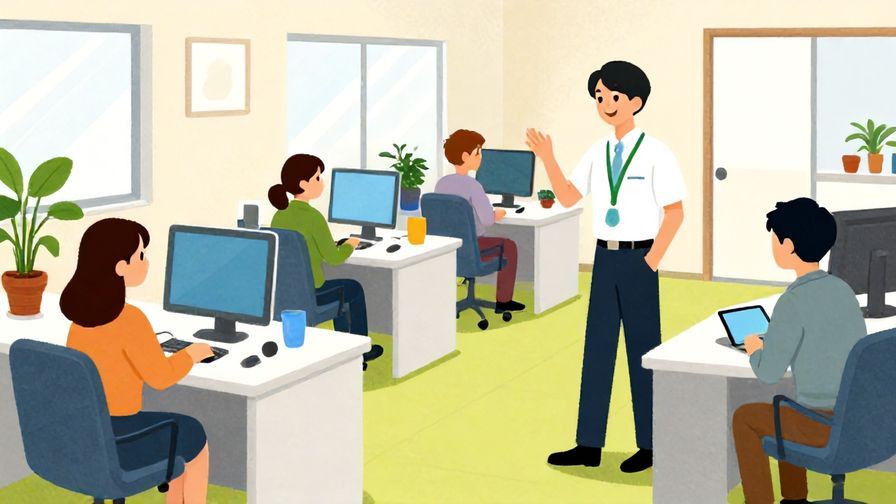
Sometimes, using a great beginner phrasebook can give you a perfect starting point for a cohesive understanding.
Having these phrases up your sleeve allows you to switch smoothly between professional and casual settings.
Now, let’s explore some approachable, everyday ways to say “break time.”
Part 1: Casual Suggestions
1. 休憩 (きゅうけい, Kyuukei) – “Break” / “Rest”

Probably the most common word for “break” or “rest.”
It’s simple — just say “kyuukei” when you want to tell someone you’re taking a break or to announce break time. This fits both casual and workplace environments.
It’s easy to remember because it directly means “rest” or “pause.”
For example, “Kyuukei shiyou” means “Let’s take a break.”
Related phrase: 休む (やすむ, Yasumu) means “to rest” or “to take a break.”
It’s your go-to word for any kind of pause, so keep it handy.
2. ちょっと休憩 (ちょっときゅうけい, Chotto kyuukei) – “A little break”

This adds “chotto,” meaning “a little,” to signal a short break.
Great for casual conversations when you’re stepping away for a few minutes, like grabbing coffee or stretching.
Easy to say and super natural in everyday talk.
Just say, “Chotto kyuukei!”
Watch out not to overuse it in formal settings, where longer breaks need a different phrase.
It’s perfect for quick pauses between tasks.
3. お茶休憩 (おちゃきゅうけい, Ocha kyuukei) – “Tea break”
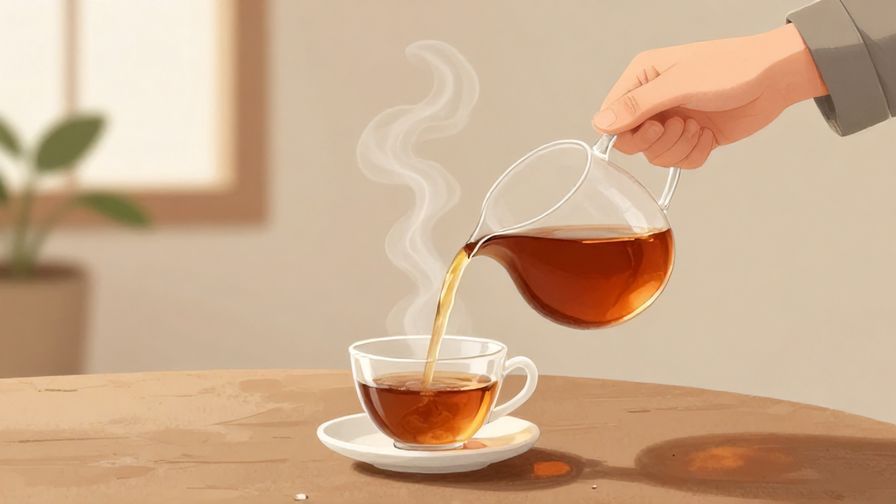
This means “tea break” and is perfect when taking a moment with a warm drink.
“Ocha” means tea, and “kyuukei” means break, so it’s literally a tea-time pause.
It’s a cozy, relatable phrase for relaxing moments.
Try saying, “Ocha kyuukei shimasu” to mean “I’m taking a tea break.”
This phrase is often used in casual office settings or at home.
Pair it with a real tea break for maximum effect!
4. 休み時間 (やすみじかん, Yasumi jikan) – “Break time” / “Rest time”

This phrase literally means “rest time” and is often used in schools or workplaces.
“Yasumi” means rest or holiday, and “jikan” means time.
It feels a bit more specific than kyuukei and is great for scheduled break times.
Use it when referring to official or planned breaks like lunch or recess.
Example: “Yasumi jikan desu” means “It’s break time.”
It’s formal enough for work but casual enough for everyday use.
5. 小休止 (しょうきゅうし, Shoukyuushi) – “Short pause”

This word means a brief pause or short rest, often used in speeches or performances.
It’s a bit more formal but nice to know for varied contexts.
“Shou” means small, and “kyuushi” means pause or stop.
Use it to signify a quick mental or physical break.
Example: “Shoukyuushi o torimashou” means “Let’s take a short break.”
It’s a great phrase to add variety to your vocabulary.
6. ひと休み (ひとやすみ, Hitoyasumi) – “A little rest”

This is a lovely way to say “a short rest.”
“Hito” means one or a little, and “yasumi” means rest.
It’s casual and often used when you want a quick breather.
Say “Hitoyasumi shiyou” to suggest taking a quick break.
It feels natural and gentle, perfect for informal chats.
Good to use with friends or colleagues for a soft pause.
7. 休憩しよう (きゅうけいしよう, Kyuukei shiyou) – “Let’s take a break”

A friendly invitation to take a break together.
“Kyuukei” means break, and “shiyou” is the volitional form of “do,” meaning “let’s do.”
It’s easy and inviting, great for coworkers or friends.
Use it when you want to encourage a group pause.
Example: “Minna, kyuukei shiyou!” means “Everyone, let’s take a break!”
It helps build camaraderie in casual settings.
8. ちょっと一息 (ちょっとひといき, Chotto hitoiki) – “A little breather”
A warm, native-like expression meaning “a little breather.”
“Hitoiki” means a single breath, so it’s a poetic way of saying take a short rest.
Great for informal and soothing moments.
Say, “Chotto hitoiki shiyou” for “Let’s take a breather.”
It’s easy to remember and sounds very natural.
Perfect for calming down or resetting your energy.
Part 2: Polite & Formal Suggestions
9. お休み時間 (おやすみじかん, Oyasumi jikan) – “Rest period”

A polite way to say “rest time,” often used in workplaces or formal settings.
Adding “o” at the beginning makes it honorific and respectful.
Use this when speaking to superiors or in official announcements.
Example: “Oyasumi jikan desu” means “It is rest time.”
It’s a safe phrase to use in any formal environment.
Pair it with a respectful tone to sound natural and professional.
10. 中休み (なかやすみ, Nakayasumi) – “Mid-break” / “Intermission”

Literally meaning “middle rest,” this is used for intermissions or mid-session breaks.
Great for formal events, meetings, or theatrical performances.
Use it to indicate a scheduled pause in the middle of activities.
Example: “Nakayasumi no jikan desu” means “It’s time for a mid-break.”
This phrase carries a calm, organized feeling.
It’s a precise term for planned breaks.
11. 休憩時間です (きゅうけいじかんです, Kyuukei jikan desu) – “It’s break time”

A polite and clear way to announce break time.
“Kyuukei jikan” means break time, and “desu” adds politeness.
Perfect for formal workplace or school announcements.
Example: “Ima, kyuukei jikan desu” means “It’s break time now.”
It’s straightforward and widely understood.
Use this phrase when you want to sound courteous and professional.
12. 休憩を取らせていただきます (きゅうけいをとらせていただきます, Kyuukei o torasete itadakimasu) – “I will take a break (polite)”
This expression is very polite and humble.
It’s used when you want to announce taking a break, showing respect.
“Torasete itadakimasu” is a humble way of saying “I will take.”
Example: “Chotto kyuukei o torasete itadakimasu” means “I will take a short break.”
Great for formal workplaces or with superiors.
It makes your intentions clear with respect.
13. 少し休憩をいただきます (すこしきゅうけいをいただきます, Sukoshi kyuukei o itadakimasu) – “I will take a short break (very polite)”

This phrase is an even more polite way to say you’ll take a short break.
“Sukoshi” means a little, “itadakimasu” is a humble form of receiving or doing.
It’s perfect for formal emails or announcements.
Example: “Sukoshi kyuukei o itadakimasu” means “I will take a little break.”
Use it when you want to make a good impression.
This phrase is especially useful in traditional work culture.
14. 休憩時間を設けます (きゅうけいじかんをもうけます, Kyuukei jikan o moukemasu) – “We will provide break time”

This is a formal phrase used when organizing or announcing break times.
“Moukemasu” means to set up or provide.
Use it in meetings or event planning contexts.
Example: “Kyuukei jikan o moukemasu” means “We will set break time.”
It sounds professional and decisive.
Great for formal notices or schedules.
15. 休息時間 (きゅうそくじかん, Kyuusoku jikan) – “Rest period”
This phrase emphasizes restful time, a bit more formal than kyuukei jikan.
“Kyuusoku” means rest or relaxation.
It’s often used in health or wellness contexts.
Example: “Kyuusoku jikan desu” means “It’s rest time.”
Use it when focusing on relaxation rather than just a break.
A nice phrase for wellness conversations.
16. 休止時間 (きゅうしじかん, Kyuushi jikan) – “Pause time”
This is a formal way to say “pause time” often used in performances or broadcasts.
“Kyuushi” means pause or suspension.
Use it in specialized or formal contexts.
Example: “Kyuushi jikan desu” means “It’s pause time.”
It’s less common in everyday talk but good to know.
Perfect for cultural or entertainment settings.
Part 3: Very Casual / Native-like Expressions
17. ひといきつこう (Hitōiki tsukou) – “Let’s take a breather” (casual)

This is a very casual, native-like phrase meaning “Let’s take a breather.”
“Hitōiki” means one breath, and “tsukou” is the volitional form of “tsuku,” to take.
It’s perfect for relaxed conversations with close friends.
Say, “Hitōiki tsukou!” when you want to suggest a chill break.
It feels warm and natural in everyday speech.
Great for informal hangouts or after some hard work.
18. 一服しよう (いっぷくしよう, Ippuku shiyou) – “Let’s take a smoke/break”
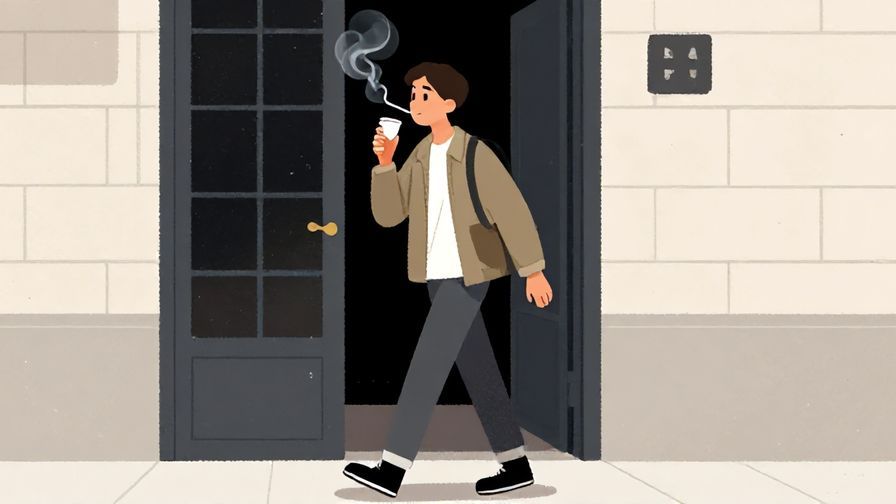
Literally means “let’s take a puff,” commonly used for cigarette breaks.
It’s casually used among smokers but can imply taking a short rest.
Use it casually with friends or colleagues who smoke.
Example: “Ippuku shiyou” means “Let’s take a smoke/break.”
Be mindful this phrase is less universal but very natural in casual circles.
A useful phrase if you want to sound more local in specific contexts.
19. ひとやすみしよ (Hitoyasumi shiyo) – “Let’s take a quick rest” (casual)

A casual invitation to take a little rest together.
“Hitoyasumi” means a short rest, and “shiyo” is the casual volitional form of “do.”
It’s friendly and informal.
Say, “Hitoyasumi shiyo!” to suggest a break.
Perfect for relaxed social settings.
Helps connect with friends naturally.
20. ちょっと休もう (ちょっとやすもう, Chotto yasumou) – “Let’s rest a bit”

This is a simple, casual way to say “Let’s rest a bit.”
“Yasumou” is the volitional form of “yasumu,” to rest.
Easy to use in informal conversations.
Example: “Chotto yasumou” means “Let’s rest a bit.”
Good for when you want to sound relaxed and friendly.
Works perfectly for quick breaks with friends or coworkers.
21. 休憩タイム (きゅうけいたいむ, Kyuukei taimu) – “Break time” (loanword)

“Kyuukei taimu” mixes Japanese and English, using “time” from English.
This trendy phrase is common among younger generations.
Easy to remember and fun to say!
Use it casually to sound modern and friendly.
Example: “Kyuukei taimu desu” means “It’s break time.”
It’s popular in casual or creative workplaces.
22. 休憩しちゃおう (きゅうけいしちゃおう, Kyuukei shichaou) – “Let’s take a break” (casual, playful)

This phrase adds a playful tone to “Let’s take a break.”
“Shichaou” is the casual volitional form with a nuance of “why not?” or “let’s go ahead.”
Great for friendly, upbeat group settings.
Say, “Kyuukei shichaou!” to sound lighthearted and inviting.
It’s a fun way to encourage a break.
Perfect for informal, lively environments.
Concluding Thought
Exploring these 22 ways to say “break time” in Japanese shows just how rich and varied a simple pause can be.
From polite office phrases to casual, warm invitations, there’s a perfect way to express your need for rest in every situation.
So next time you need a little breather, try one of these phrases and enjoy not just the break, but the connection it brings.