22 Japanese ways to say “That reminds me”
Ever had a moment when someone mentions something, and suddenly a memory pops right up? In Japanese, there are so many warm and casual ways to say “That reminds me,” each with its own little flavor.
Whether you’re chatting with friends or writing a heartfelt message, knowing these phrases can make your conversations richer and more natural. It’s like opening a little door to shared memories.
In this list, we’ll explore 22 Japanese ways to express that lovely moment when a thought or memory is triggered.
Some are casual, some polite, and others are super native-like expressions that bring your Japanese to life.
Along the way, you’ll pick up pronunciation tips and handy little mnemonics to remember them easily.
So, let’s dive in and discover how to say “That reminds me” in Japanese in 22 thoughtful ways!
Why Knowing Different Ways Matters
Japanese is a language full of nuance, and the way you express something can change the tone of your conversation.
From casual chats to polite conversations, having options makes you sound more natural and thoughtful. It also helps avoid repeating the same phrase over and over.
Even better, you’ll connect more deeply with native speakers by using expressions that fit the moment perfectly.

Sometimes, using a great beginner phrasebook can give you a perfect starting point for a cohesive understanding.
It’s all about layering your skills with practical phrases you’ll actually love to use.
Ready to add some new sparkle to your Japanese? Let’s start!
Part 1: Casual Suggestions
1. 思い出した! (Omoidashita!) – “I just remembered!”

This is a simple and direct way to say “That reminds me!” in casual talk.
“思い出した” comes from the verb 思い出す (omoidasu), meaning “to remember.” The past tense “した” (shita) means “did,” so literally “I did remember.”
Great for those spontaneous moments when a memory suddenly hits you.
It’s very common among friends or family conversations.
If you want to sound a little softer, you can add “あのね” (ano ne) before it, meaning “you know.”
Try using it when someone mentions a place, and you suddenly recall a fun story!
2. そういえば (Sou ieba) – “Speaking of which…”

“そういえば” is a fantastic phrase to smoothly segue into a memory triggered by the current topic.
It literally means “if you say so” but is used like “that reminds me” or “speaking of which.”
It’s casual but polite enough for many situations.
Be careful not to overuse it, as it’s best when the memory is relevant.
For example, if your friend talks about sushi, you can say, “そういえば、あの店行ったことあるよ” (Speaking of which, I’ve been to that restaurant).
It’s a great way to keep the conversation flowing naturally.
3. 思い出したんだけど (Omoidashitan da kedo) – “I just remembered, but…”

This phrase is a bit softer and adds a bit of hesitation or casual nuance with “んだけど” (n da kedo), meaning “but.”
It’s like saying, “That reminds me, but…” as you prepare to share a story or additional info.
Perfect for casual conversations where you want to sound natural and a bit reflective.
It invites the listener to pay attention because you’re about to add something interesting.
You can pair it with “ね” (ne) at the end to soften it more.
Try it when you suddenly remember a detail in the middle of a story.
4. あっ、そうだ! (Ah, sou da!) – “Ah, that’s right!”

This is a very natural and lively way to jump in with a memory or realization.
“そうだ” literally means “that’s right” or “that’s it,” and adding “あっ” shows surprise or a lightbulb moment.
It’s perfect for quick, informal chats.
Be careful not to use this in very formal settings since it’s quite casual.
It’s great for group conversations when you suddenly recall something helpful or fun.
Use it to bring energy and positivity to your talk.
5. なんか思い出した (Nanka omoidashita) – “I just kind of remembered”

Adding “なんか” (nanka) before “思い出した” adds an informal, somewhat vague tone, like “kind of” or “somehow.”
This phrase is used when the memory is a bit fuzzy or just popped up casually.
It’s a great phrase to sound natural in everyday speech.
Don’t use it in very formal situations, as it’s quite laid-back.
For example, when you suddenly remember a song or a place but can’t recall details fully.
This phrase helps you express that “aha” moment without sounding too certain.
6. そうそう、それで思い出した (Sousou, sore de omoidashita) – “Oh yes, and that reminds me”

“そうそう” means “that’s right” or “exactly,” and “それで” means “and then” or “so.”
Put together, it’s a smooth, casual way to say “That reminds me” after agreeing with something.
It’s perfect for storytelling or when you want to add a related memory.
Use it to keep conversations flowing naturally.
Try pairing it with “ね” at the end for a friendly touch.
This phrase adds warmth and connection to your chats.
7. ふと思い出した (Futo omoidashita) – “Suddenly remembered”

“ふと” means “suddenly” or “unexpectedly.”
Combined with “思い出した,” it expresses a spontaneous memory coming to mind.
This phrase is a bit more literary but still fine in casual speech.
It’s great for writing or storytelling to add a poetic touch.
Practice using it when recalling a memory that just popped into your head.
It adds a nice rhythm and subtlety to your Japanese.
8. あのことを思い出した (Ano koto o omoidashita) – “I remembered that thing”

This phrase literally means “I remembered that thing,” using “あのこと” (ano koto) for “that thing” or “that matter.”
It’s conversational and a bit more specific.
Use it to refer to a particular event or topic previously discussed.
It’s casual but can work in polite contexts if you adjust tone.
This is handy when you want to be a bit more precise about what you remembered.
Try it next time you want to recall a shared experience.
Part 2: Polite & Formal Suggestions
9. 思い出しましたが (Omoidashimashita ga) – “I remembered, but…”
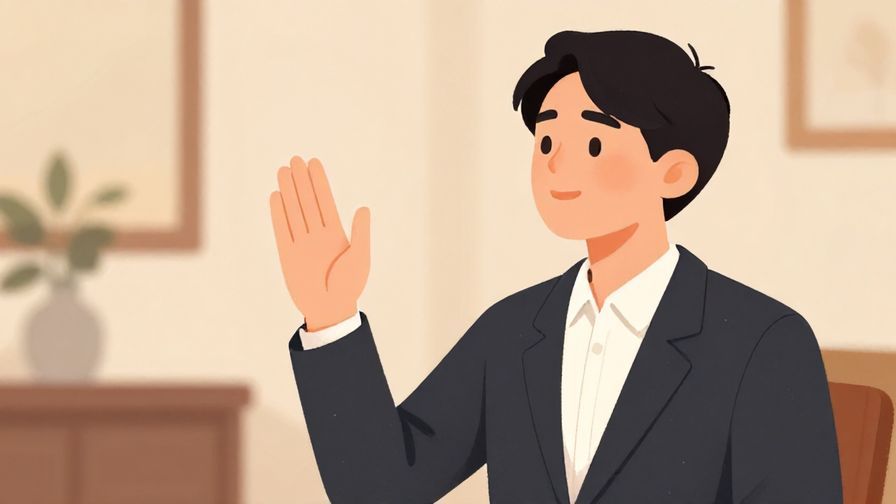
This is a polite way to start a sentence when you want to say “That reminds me,” often followed by a contrasting statement.
Using the polite past form “思い出しました” (omoidasimashita) shows respect, and “が” (ga) means “but.”
It’s great for workplace or formal conversations.
Be sure to follow it with a relevant point or question.
For example, in a meeting, you might say this before sharing an important memory or detail.
It conveys professionalism with a natural flow.
10. 先ほど思い出しました (Sakihodo omoidashimashita) – “I just remembered earlier”

“先ほど” (sakihodo) means “a little while ago” or “just now,” combined with the polite “思い出しました.”
This phrase is perfect for polite or formal settings when you want to share a recent memory.
It can be used in emails, meetings, or with clients.
It sounds respectful and attentive.
Use it to remind someone of something you recalled recently.
It’s a polished way to bring up a memory in professional contexts.
11. 思い出させていただきました (Omoidasasete itadakimashita) – “I was reminded (humbly)”
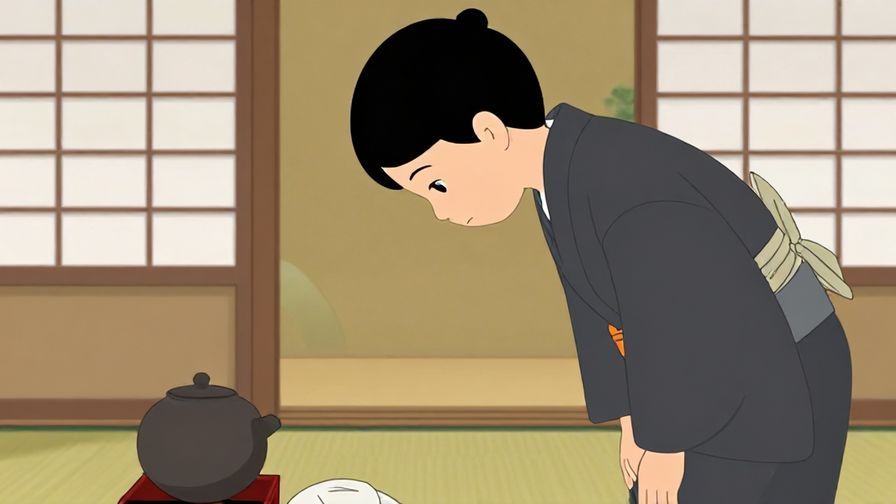
This is a very formal and humble expression, often used in business or respectful communication.
It literally means “I was allowed to be reminded,” showing gratitude for the memory.
Use it when you want to politely acknowledge that something reminded you.
It’s best saved for written communication or formal speech.
This phrase shows high respect and professionalism.
Perfect for Japanese business emails or formal meetings.
12. ふと思い出しました (Futo omoidashimashita) – “I suddenly remembered” (polite)

This is the polite form of “ふと思い出した,” adding a respectful tone.
Great for formal or polite conversations where you want to express a sudden memory.
It combines warmth with professionalism.
Use it when you want to share a spontaneous thought respectfully.
Perfect for polite storytelling or presentations.
It helps you sound thoughtful and engaged.
13. 思い出してみました (Omoidashite mimashita) – “I tried to remember”

This phrase means “I tried to remember,” implying a conscious effort to recall something.
It’s polite and humble, suitable for formal or semi-formal use.
Great for situations where you want to show you made an effort to remember details.
Use it in meetings or conversations where accuracy matters.
This phrase adds a layer of thoughtfulness to your speech.
It’s a subtle way to express memory without sounding too casual.
14. ちょっと思い出しました (Chotto omoidashimashita) – “I just remembered a little”

“ちょっと” means “a little” or “just,” making this a gentle, polite way to say you recalled something briefly.
It’s perfect for polite but informal situations.
Use it when you want to share a small memory without making it a big deal.
It softens your statement and sounds humble.
Great for casual workplace chats or polite conversations.
This phrase keeps things light and respectful.
15. 思い出しましたのでご連絡します (Omoidashimashita node go-renraku shimasu) – “Since I remembered, I’m contacting you”

This is a polite and formal phrase used in emails or messages.
It literally means “I remembered, so I am contacting you.”
Use it when you want to bring up a memory as a reason to reach out.
It’s very clear, professional, and respectful.
Great for business or formal communication.
It helps you sound organized and thoughtful.
16. 思い出しましたらご連絡いたします (Omoidashimashitara go-renraku itashimasu) – “I will contact you if I remember”

This is a polite, conditional phrase meaning “If I remember, I will contact you.”
Perfect for formal contexts when you want to promise follow-up communication.
It sounds respectful and thoughtful.
Use it in business emails or polite conversations.
This phrase shows commitment and professionalism.
It’s a neat way to express intentions with respect.
Part 3: Very Casual / Native-like Expressions
17. あ、それ思い出した! (A, sore omoidashita!) – “Ah, I just remembered that!”

This is a super casual, energetic phrase great among friends.
“あ” is a quick exclamation, “それ” means “that,” and “思い出した” means “I remembered.”
Use it when something suddenly comes back to you in conversation.
It adds excitement and spontaneity.
Perfect for informal chats or social media.
It shows you’re engaged and enthusiastic.
18. それで思い出したんだけどさ (Sore de omoidashitan da kedo sa) – “And that reminded me, you know”

This phrase is very natural and casual, often used by younger speakers.
“さ” at the end adds a friendly, informal tone.
It’s perfect for storytelling or bringing up memories casually.
Use it to connect topics and memories smoothly.
It’s a hallmark of native-like fluency.
Try it with close friends or in relaxed settings.
19. なんか思い出したんだけど (Nanka omoidashitan da kedo) – “I kind of just remembered, but…”

This is a laid-back, very conversational phrase.
“なんか” adds a vague, softening effect, and “んだけど” introduces some hesitation.
It’s great for when memories are a bit fuzzy or you’re unsure.
Use it to sound relaxed and natural.
It’s often used in casual chats or texts.
Perfect for expressing spontaneity without pressure.
20. あ、思い出したわ! (A, omoidashita wa!) – “Ah, I remembered it!” (female casual)

Adding “わ” at the end is a feminine casual sentence ending that adds warmth.
It’s often used by women in informal settings.
Use this phrase to sound friendly and lively.
It’s great for sharing sudden memories with friends.
Perfect for casual conversations or social media.
This ending makes your speech feel personal and gentle.
21. そういや (Sou iya) – “Come to think of it…”

“そういや” is a very casual, shortened form of “そういえば.”
It’s perfect for quick, colloquial conversations.
Use it to introduce a memory related to the current topic.
It’s common among young people and in informal settings.
Try it in casual texts or chats for a native feel.
It’s a neat shortcut to sound like a local.
22. あー、思い出した! (Aa, omoidashita!) – “Ahh, I remembered!”

“あー” is a prolonged exclamation showing relief or realization.
This phrase is perfect for casual moments when a memory finally comes back.
Use it to express satisfaction or excitement about remembering.
It’s very natural in everyday speech.
Great for informal conversations or texts.
It adds a warm, human touch to your expression.
Concluding Thought
Exploring all these ways to say “That reminds me” in Japanese shows just how rich and expressive the language is.
Each phrase carries its own nuance, tone, and context, letting you connect authentically with others.
So, try mixing these into your conversations and watch your Japanese bloom with personality and warmth!