22 Japanese ways to say “Are you sure?”
Ever found yourself doubting what someone just said, and you want to gently ask, “Are you sure?” in Japanese? It’s a super common phrase, but there are so many ways to say it depending on the situation, your relationship, and the tone you want to convey.
Whether you’re chatting with friends, speaking formally, or just want to sound like a native, this list will have you covered. Each expression adds a little flavor and nuance to the simple question.
Learning these variations will not only boost your Japanese skills but also help you connect better with people by choosing just the right phrase.
From casual to polite to very natural expressions, you’ll find something that fits perfectly. Plus, I’ll throw in pronunciation guides and simple explanations to make it easy.
Curious about the best phrasebooks and learning aids to complement your journey? You’ll find a handy link below to get started with a solid resource.
Ready to explore 22 Japanese ways to say “Are you sure?” Let’s jump into it!
Understanding the Basics
Before diving into all the phrases, it’s good to understand the core words often used.
“Sure” can be expressed with words like 確か (tashika, tah-shee-kah) meaning “certain” or 本当 (hontou, hon-toh) meaning “really.” Adding question markers like ? or でしょう (deshou, deh-show) softens the question or makes it polite.
With that in mind, it’s easy to mix and match to form variations.
Sometimes, using a great beginner phrasebook can give you a perfect starting point for a cohesive understanding.
Once you get the basics, these phrases will be simple to remember and use.
Let’s get started with casual conversations first!
Part 1: Casual Suggestions
1. 本気? (Honki?) – “Are you serious?”

“Honki?” is a quick and casual way to ask if someone really means what they said.
Honki (本気, hon-kee) means “serious” or “earnest.” Just saying it with a questioning tone works perfectly.
It’s direct but friendly, perfect among close friends or peers.
Use it when you want to check if someone is joking or really determined.
Related phrase: 本気なの? (Honki nano?) adds a little more softness.
Great for keeping things light and playful.
2. 本当? (Hontou?) – “Really?”

Hontou (本当, hon-toh) literally means “truth” or “really.”
It’s super common and straightforward to say “Really?” when you want to confirm something.
Easy to remember because it’s used often in daily conversation.
Watch out not to sound too skeptical; tone matters!
Example: “Hontou? You won the lottery?”
This phrase is a staple for casual chats.
3. 確か? (Tashika?) – “Are you sure?”

“Tashika?” (確か, tah-shee-kah) means “certain” or “sure.”
Just one word can work as a casual question asking if someone is certain.
It’s polite enough for most casual situations but still relaxed.
It’s a safe phrase to use when you want to double-check.
Related phrase: 確かだよね? (Tashika da yo ne?) adds confirmation.
This phrase is great for everyday use.
4. ほんとに? (Hontoni?) – “Really?”

“Hontoni?” (ほんとに, hon-toh-nee) means “really” or “truly.”
It’s a more casual and slightly softer way than “Hontou?”
Easy to say when you’re surprised or want to confirm.
It’s often used in friendly conversations.
Be mindful of your tone, or it might sound doubtful.
Pair it with a smile to keep it light-hearted.
5. マジ? (Maji?) – “Seriously?”

“Maji?” (マジ, mah-jee) is slang for “seriously” or “for real.”
It’s very casual and popular among young people.
Perfect for informal conversations and expressing surprise.
Not suitable for formal situations.
Example: “Maji? You met a celebrity?”
Fun and punchy, it’s a great phrase for casual chats.
6. 大丈夫? (Daijoubu?) – “Are you sure (it’s okay)?”

“Daijoubu?” (大丈夫, die-joh-boo) means “okay” or “all right.”
Often used to check if someone is sure or okay with something.
It’s caring and gentle, great among friends or family.
Can be used to confirm physical or emotional states too.
Example: “Daijoubu? You don’t want to go?”
It’s a versatile phrase that fits many casual contexts.
7. 本当に大丈夫? (Hontou ni daijoubu?) – “Are you really sure?”

This is a slightly longer, gentle way to ask if someone is really sure.
“Hontou ni” (本当に, hon-toh-nee) means “really,” combined with “daijoubu.”
It’s polite in casual conversation and shows genuine concern.
Good for situations that need a softer touch.
Example: “Hontou ni daijoubu? Are you sure you want to do that?”
Use this when you want to sound thoughtful and warm.
8. まじで? (Majide?) – “For real?”

“Majide?” (まじで, mah-jee-deh) is another casual slang for “for real?”
It’s similar to “Maji?” but a bit more emphasized.
Great for showing surprise or disbelief.
Stick to informal chats with friends.
Example: “Majide? You’re moving to Tokyo?”
It’s a fun way to keep conversations lively.
Part 2: Polite & Formal Suggestions
9. 本当ですか? (Hontou desu ka?) – “Is that true?”

“Hontou desu ka?” is a polite way to ask “Is that true?”
“Desu ka” adds politeness, perfect for coworkers or strangers.
It’s straightforward and respectful.
Use it in formal conversations or business settings.
Example: “Hontou desu ka? Did the meeting change?”
A must-know phrase for polite inquiries.
10. 確かですか? (Tashika desu ka?) – “Are you sure?”

This is a polite form of “Are you sure?” using “tashika.”
Adding “desu ka” formalizes the question.
Good for situations when you need clear confirmation politely.
Example: “Tashika desu ka? Are you sure about the data?”
Useful for business or formal discussions.
11. よろしいですか? (Yoroshii desu ka?) – “Is that okay?”

“Yoroshii desu ka?” means “Is that okay?” or “Is it all right?”
It’s polite and often used when confirming permission or agreement.
It’s a softer way to check surety.
Example: “This time works, yoroshii desu ka?”
Great for polite and professional exchanges.
12. 確認してもいいですか? (Kakunin shite mo ii desu ka?) – “May I confirm?”

This phrase literally means “May I confirm?”
It’s a formal and polite way to double-check.
Perfect for professional settings or when you want to be extra courteous.
Example: “Kakunin shite mo ii desu ka? Can I confirm the details?”
Use this to sound respectful and clear.
13. 確かめてもいいですか? (Tashikamete mo ii desu ka?) – “Can I verify?”

A polite way to ask if you can verify something.
“Tashikamete” is the verb form meaning “to confirm” or “to verify.”
Add “mo ii desu ka” for politeness.
Example: “Tashikamete mo ii desu ka? May I verify this information?”
Great for formal or business conversations.
14. お確かめですか? (O-tashikame desu ka?) – “Are you certain?” (honorific)
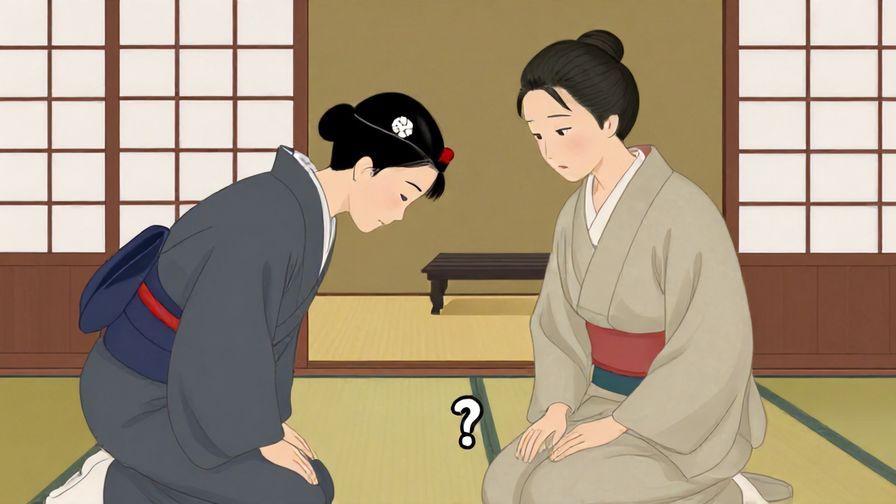
This is a very polite and honorific way to ask “Are you certain?”
Adding “o” at the start makes it honorific, showing respect.
Used in formal customer service or very polite conversations.
Example: “O-tashikame desu ka? Are you certain about this matter?”
Use it when utmost politeness is needed.
15. ご確認いただけますか? (Go-kakunin itadakemasu ka?) – “Could you please confirm?”

This phrase is a very formal way to ask for confirmation.
“Itadakemasu ka” is a humble request form, very polite.
Typically used in business emails or formal conversation.
Example: “Go-kakunin itadakemasu ka? Could you please confirm?”
Perfect when you want to be polite and professional.
16. 間違いないですか? (Machigai nai desu ka?) – “Is there no mistake?”

Literally asking “Is there no mistake?”
It’s a polite way to confirm accuracy.
Useful when verifying important details.
Example: “Machigai nai desu ka? Are you sure there’s no mistake?”
Good for double-checking facts politely.
Part 3: Very Casual / Native-like Expressions
17. ホント? (Honto?) – Casual “Really?”

“Honto?” (ホント) is a shortened, slangy form of “Hontou.”
Very casual and common among friends.
Easy to say and sounds very natural.
Example: “Honto? You got a new job?”
Great for everyday conversations with peers.
18. そうなの? (Sou nano?) – “Is that so?”

“Sou nano?” means “Is that so?” or “Really?”
Very casual and friendly, used to show interest.
Common in spoken conversation.
Example: “Sou nano? You like sushi?”
It’s a soft and easy way to ask if you’re sure.
19. マジで? (Maji de?) – “Seriously?”

Similar to “Maji?” but with “de” added for emphasis.
Very casual and expressive.
Great to show disbelief or surprise.
Example: “Maji de? You passed the exam?”
Use only with close friends or informal settings.
20. ほんとに? (Honto ni?) – Casual “Really?”

This is a casual and friendly way to say “Really?”
It sounds natural and warm.
Used in everyday conversations.
Example: “Honto ni? That’s amazing!”
Perfect for sounding genuine and engaged.
21. いいの? (Ii no?) – “Is it okay?” or “Are you sure?”
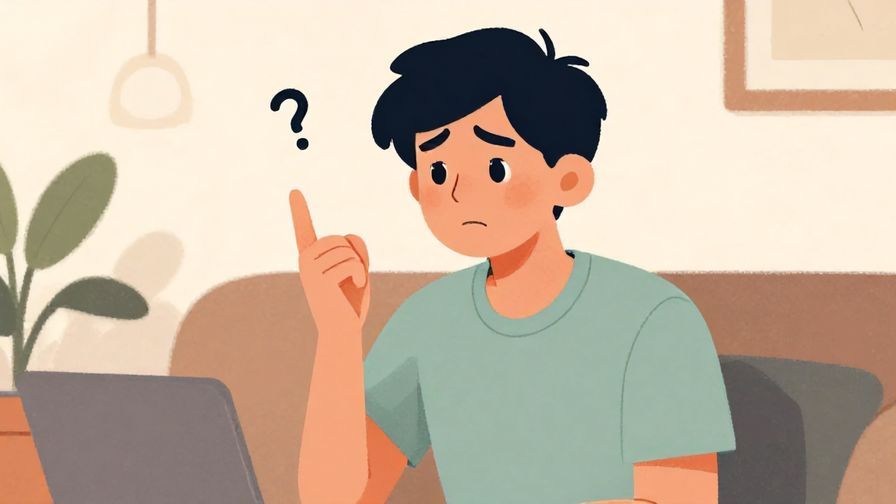
“Ii no?” means “Is it okay?” or “Are you sure?”
Very casual and often used when checking permission or certainty.
Example: “Ii no? You want to do that now?”
Sounds caring and informal.
22. だよね? (Da yo ne?) – “Right?” or “Are you sure?”

“Da yo ne?” is a phrase used to seek agreement or confirmation.
It’s casual and often added at the end of a statement to say “Right?” or “Are you sure?”
Example: “That’s the plan, da yo ne?”
It’s a natural way to double-check without sounding too formal.
Concluding Thought
Exploring these 22 ways to say “Are you sure?” in Japanese shows just how rich and nuanced the language is. Each phrase brings its own flavor, from casual slang to polite requests.
Knowing when and how to use them will help you sound more natural and confident when speaking Japanese. Plus, it can make your conversations more engaging and respectful.
Keep practicing, and don’t be afraid to try out these expressions in real life. Your efforts will definitely pay off, and you’ll connect more deeply with Japanese speakers along the way!