22 Japanese ways to say “You’re next”
When you’re in line or waiting for your turn, saying “You’re next” feels so natural in English. But how do you express that warmth, encouragement, or simple heads-up in Japanese?
Japanese offers a variety of ways to say “You’re next,” each with its own nuance and context. Whether you want to be casual, polite, or just sound like a local, there’s something here for you.
In this listicle, we’ll explore 22 Japanese phrases to say “You’re next,” giving you the tools to sound friendly, respectful, or casual depending on the situation.
Learning these expressions not only helps you communicate better but also deepens your understanding of Japanese social cues and manners.
So, whether it’s for a queue, a game, or a fun challenge, get ready to say “You’re next” in style!
Let’s jump right in and discover these handy phrases together.
Getting Ready for Your Turn
Before diving into the phrases, it’s good to know that context matters a lot in Japanese. The way you say “You’re next” depends on how formal or casual the situation is.
In everyday life, from shops to events, you’ll hear different expressions depending on the speaker and setting. Understanding these nuances helps you fit right in.
Whether you’re at a busy ramen shop or chatting with friends, these phrases will have you covered.

Sometimes, starting with a great Japanese phrasebook can make learning these expressions easier and more fun.
Remember, practice makes perfect, and hearing these phrases in action will boost your confidence.
Let’s explore the first batch of casual phrases you can use right away!
Part 1: Casual Suggestions
1. 次は君だよ (Tsugi wa kimi da yo) – “You’re next!”

This phrase literally means “Next is you.” It’s super casual and friendly, perfect for friends or informal situations.
“Tsugi” means “next,” “wa” is a topic marker, “kimi” means “you” (casual), and “da yo” adds a friendly emphasis. It’s like saying, “Hey, you’re up!”
It’s easy to remember because it’s a straightforward sentence structure with familiar words.
Use it when you want to encourage someone with a warm tone.
You might hear a similar phrase like “次はあなた” (Tsugi wa anata) but that sounds a bit more distant and less casual.
Try using this phrase next time you play a board game or wait in a casual line—it’s a natural and inviting way to say “You’re next.”
2. 次、君ね! (Tsugi, kimi ne!) – “You’re next, okay?”

This is a shorter, punchier way to say “You’re next.” It’s friendly and casual, often used among close friends.
“Ne” at the end adds a soft confirmation, like “right?” or “okay?” which makes it feel more conversational.
It’s a great phrase for quick reminders during fun activities or group events.
Make sure to use it only with people you are close to, as it’s informal.
For example, when playing games, you can say “Tsugi, kimi ne!” to keep things light and fun.
It’s an easy phrase to practice because it’s short and sounds natural in everyday chats.
3. あなたの番だよ (Anata no ban da yo) – “It’s your turn!”
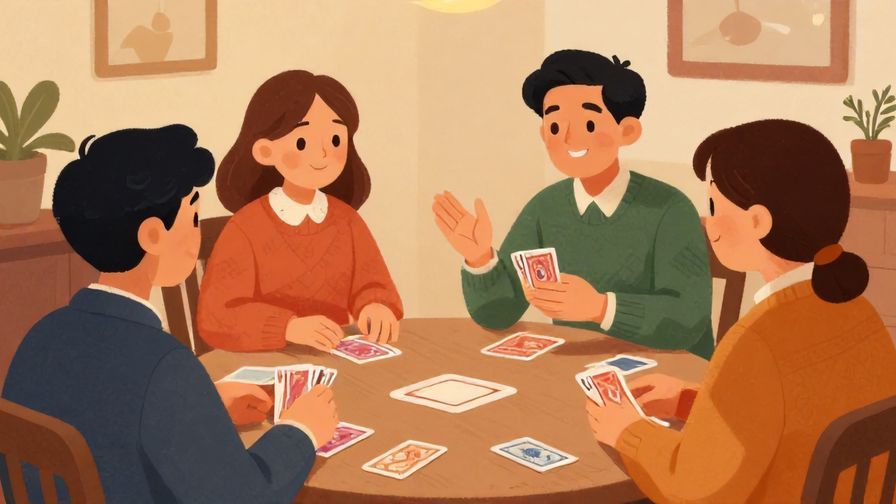
This phrase means “It’s your turn,” which is very close to “You’re next.”
“Anata” means “you” (neutral polite), “no” shows possession, “ban” means “turn,” and “da yo” adds a friendly tone.
It’s a perfect phrase for games or any turn-based activity.
It’s polite enough to use with acquaintances but still casual.
Sometimes it’s shortened to just “あなたの番” (Anata no ban) for simplicity.
It’s a useful phrase to remember for many social situations involving turns.
4. 次、あなたです (Tsugi, anata desu) – “Next, it’s you.”

This phrase is slightly more polite than the casual “kimi” versions.
“Desu” at the end makes it polite, suitable for strangers or customers.
It’s straightforward and clear, often used in service settings or formal lines.
Be careful not to confuse it with casual tones when speaking to friends.
For example, a staff member might say this at a restaurant or clinic.
It’s a great phrase to know for everyday polite interactions.
5. 次はあなたですよ (Tsugi wa anata desu yo) – “You’re next, you know.”

This adds “yo” at the end for a gentle emphasis, making it polite yet friendly.
It’s often used in customer service to kindly inform the next person.
The sentence structure is polite but still warm, balancing respect and friendliness.
It’s perfect when you want to sound courteous but not too stiff.
Try using it in situations where you want to politely notify someone about their turn.
It’s a perfect expression for formal but friendly environments.
6. あなたの順番です (Anata no junban desu) – “It’s your turn.”

This is a polite, formal way to say “It’s your turn.”
“Junban” means “order” or “turn,” and “desu” keeps it polite.
Commonly used in formal settings like offices, hospitals, or public services.
It’s clear and respectful, so it fits well in professional contexts.
You can use it when you want to politely tell someone they’re next in line.
It’s a handy phrase for formal or official situations.
7. 次の方、どうぞ (Tsugi no kata, douzo) – “Next person, please.”

This phrase is very polite and commonly used in customer service.
“Kata” is a respectful way to say “person,” and “douzo” means “please.”
It’s often heard at places like banks, clinics, or government offices.
It’s perfect when you want to politely call the next person.
Try using it when role-playing formal conversations or visiting official places.
It’s a must-know phrase for polite Japanese interactions.
8. 次はあなたの番です (Tsugi wa anata no ban desu) – “Next is your turn.”

This is a complete polite sentence combining several elements you’ve learned.
It’s very polite and clear, ideal for formal situations.
You can use it at work, clinics, or any setting where respect is important.
The phrase is easy to remember because it’s logical and straightforward.
Using this phrase shows you understand Japanese politeness.
It’s a great step up from casual expressions.
Part 2: Polite & Formal Suggestions
9. ご順番です (Go junban desu) – “It’s your turn.” (Honorific)

This phrase uses “go,” an honorific prefix, making it very polite.
It’s often used in formal customer service or official settings.
Perfect when you want to sound respectful and professional.
Because it’s honorific, it’s best avoided in casual conversation.
For example, staff at a bank or hospital might say this.
It’s useful to master this for formal Japanese communication.
10. お次の方、どうぞ (O-tsugi no kata, douzo) – “Next person, please.” (Honorific)

This is like #7 but with the honorific “o” added, increasing politeness.
It’s the kind of phrase you’ll often hear in very polite or official places.
It shows respect to the person being called.
Best used in formal customer service or ceremonial occasions.
Try listening for this phrase in Japanese dramas or public announcements.
It’s a solid phrase to sound very polite and professional.
11. お待ちの方、次にどうぞ (O-machi no kata, tsugi ni douzo) – “Those waiting, please come next.”
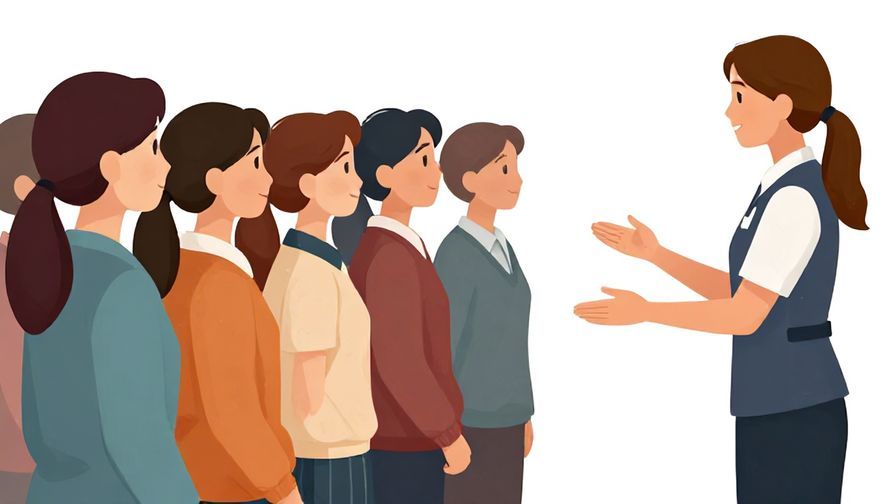
This phrase is polite and addresses multiple people waiting.
It’s suitable for formal settings where you call people forward in order.
“O-machi” means “waiting” with honorific, “kata” is polite for “people.”
It’s a great phrase to use if you want to address a group politely.
You might hear this at clinics or government offices.
It’s a respectful way to manage queues and flow.
12. 次の方、お入りください (Tsugi no kata, o-hairi kudasai) – “Next person, please enter.”

This phrase politely invites the next person to enter a room or area.
“O-hairi kudasai” means “please enter” politely.
Common in offices, clinics, or any formal reception area.
It’s useful to know for professional and respectful communication.
Try practicing this phrase if you’re working in customer service or hospitality.
It’s a clear way to guide visitors politely.
13. お客様、次にどうぞ (O-kyaku-sama, tsugi ni douzo) – “Dear customer, you’re next.”
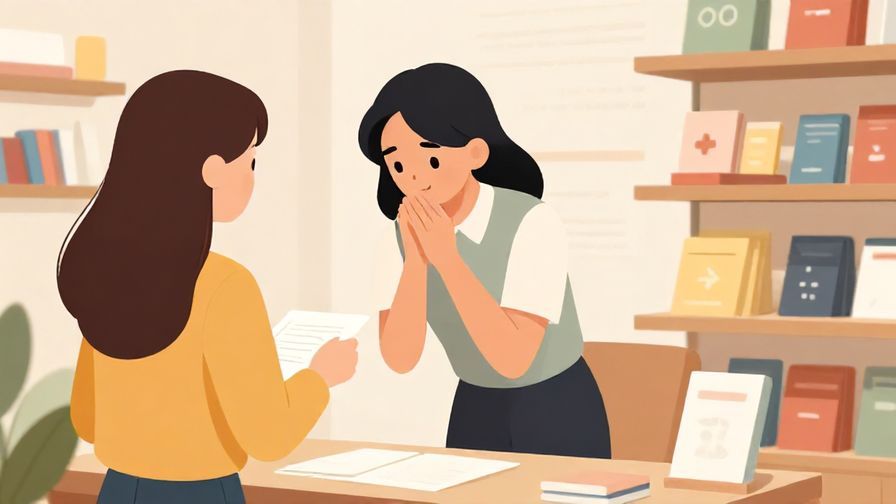
This phrase specifically addresses customers politely.
“O-kyaku-sama” is a very polite way to say “customer” or “guest.”
It’s perfect for service industry workers calling the next customer.
It sounds very respectful and professional.
Great phrase for those working in retail or hospitality.
Using it shows excellent polite Japanese skills.
14. 順番が来ました (Junban ga kimashita) – “Your turn has come.”
This phrase literally means “The order (turn) has come.”
It’s a polite but straightforward way to inform someone their turn is up.
Used in both casual and semi-formal situations.
It’s a handy phrase when you want to be clear without being too casual.
Try using it in queues or meeting lines.
It’s an easy phrase to remember and versatile.
15. 次の順番の方です (Tsugi no junban no kata desu) – “It’s the next person’s turn.”

This is a polite, formal expression indicating the next turn.
“Kata” makes it respectful, “junban” means “order/turn.”
Useful in workplaces, clinics, or formal events.
It’s a clear, respectful way to announce the next person.
Good phrase to practice for business or polite scenarios.
It helps you sound professional and courteous.
16. お名前を呼んでいます (O-namae o yonde imasu) – “We are calling your name.”

While not exactly “You’re next,” this phrase is often used to call the next person by name.
“O-namae” means “name” politely, “yonde imasu” means “calling.”
It’s polite and common at clinics or service counters.
Knowing this helps you understand announcements better.
It’s useful when waiting to be called personally.
Try to listen for it in real-life or media for practice.
Part 3: Very Casual / Native-like Expressions
17. おまえの番だ (Omae no ban da) – “It’s your turn.” (Very casual)

This is a very casual and rough way to say “It’s your turn.”
“Omae” is a casual “you,” often used among close male friends or in informal settings.
Use it only with people you know well to avoid sounding rude.
It’s common in male groups or casual hangouts.
Great for sounding like a native in relaxed conversations.
Be cautious with tone to keep it friendly, not offensive.
18. おまえ次だぞ (Omae tsugi da zo) – “You’re next, you know.”

Similar to #17 but with “zo” for emphasis and a bit of a teasing tone.
It’s casual and often used jokingly among friends.
Great for lively, informal conversations or games.
Again, use only with people you are very close to.
It adds a sense of fun and light-heartedness.
Perfect for informal gatherings or playful moments.
19. 次はお前だぜ (Tsugi wa omae da ze) – “You’re next, dude.”

This is a casual, masculine way to say “You’re next.”
“Ze” adds a strong, confident emphasis, often masculine.
Common among male friends or teammates.
It sounds energetic and enthusiastic.
Great for sports, games, or casual challenges.
Use it to sound native in informal male conversations.
20. さあ、次は君だ (Saa, tsugi wa kimi da) – “Alright, you’re next.”

“Saa” adds a gentle encouraging tone, like “Alright” or “Let’s go.”
“Kimi” is casual but friendly.
It’s a great phrase for motivating someone before their turn.
Use it in games, performances, or casual events.
It sounds supportive and warm, perfect for friends or juniors.
Try it to add some encouragement to the moment.
21. そろそろお前の番だ (Sorosoro omae no ban da) – “It’s almost your turn.”

“Sorosoro” means “soon” or “almost,” adding a sense of anticipation.
It’s casual and friendly, often used to build excitement.
Good for games, performances, or casual queues.
Use it to gently remind someone their turn is coming.
It’s a natural phrase among friends or peers.
Practice it to sound like a native in relaxed settings.
22. おまえ、次で頼むぞ (Omae, tsugi de tanomu zo) – “You’re next, so I’m counting on you.”
This phrase adds “tanomu,” meaning “I’m counting on you,” making it encouraging and motivating.
It’s casual and masculine, often used among friends or teammates.
Perfect for boosting confidence before a challenge or game.
It sounds warm and supportive despite the casual tone.
Use it to motivate someone and show trust.
It’s a great way to sound natural and encouraging in Japanese.
Concluding Thought
Exploring these 22 ways to say “You’re next” in Japanese shows how rich and nuanced the language is.
From casual chats with friends to formal customer service, there’s always a perfect phrase to fit your style and situation.
With these expressions in your language toolbox, you’re ready to sound friendly, polite, or native-like whenever it’s your or someone else’s turn. Keep practicing and enjoy every moment of your Japanese journey!