22 Japanese ways to say “It’s your turn”
Have you ever found yourself in a game or conversation, wanting to say “It’s your turn” in Japanese but not knowing the perfect phrase? Whether you’re playing a board game, passing the conversation, or just indicating the next person should step up, Japanese has many warm and casual ways to express this.
From polite expressions to casual slang, these 22 phrases will help you sound more natural and friendly. Learning these will not only boost your vocabulary but also give you insight into Japanese social nuances.
Each phrase includes a pronunciation guide and a simple explanation, making it easy to remember and use right away.
Imagine how fun it will be to surprise your Japanese friends or classmates with these different ways to say the same thing!
Plus, knowing these expressions can turn any group activity into a more engaging and culturally rich experience.
Ready to dive in? Let’s explore the many ways to say “It’s your turn” in Japanese!
Understanding the Basics
Before we jump into the list, it’s helpful to know that “turn” in Japanese can be expressed with words like 順番 (じゅんばん, junban) meaning “order” or “turn,” and 次 (つぎ, tsugi) meaning “next.” Many phrases revolve around these concepts.
By focusing on these keywords, you’ll find it easier to recognize and remember the different ways to say “It’s your turn.”
These phrases can range from formal to very casual, so you can pick the right one for any situation.
Sometimes, using a great beginner phrasebook can give you a perfect starting point for a cohesive understanding.
With these basics in mind, your learning will feel much smoother.
Now, let’s get to the fun part—our list!
Part 1: Casual Suggestions
1. あなたの番だよ (Anata no ban da yo) – “It’s your turn.”
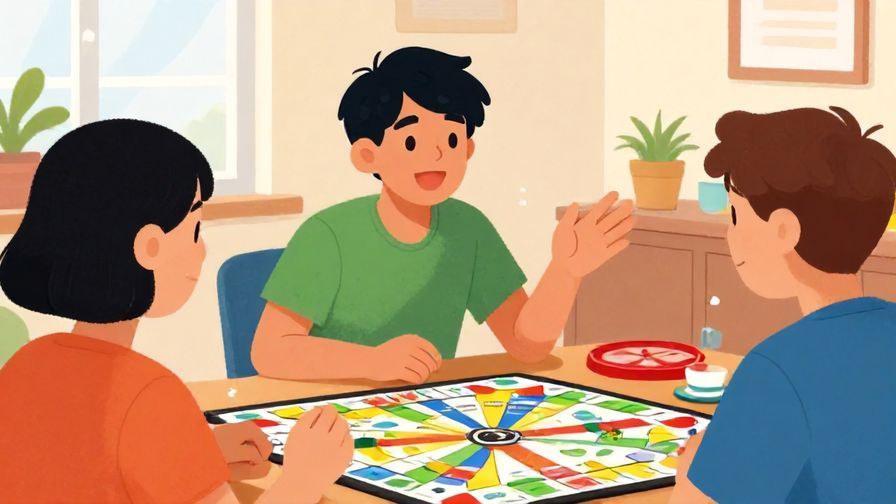
This is a straightforward, casual way to say “It’s your turn.”
あなだ (Anata) means “you,” 番 (ばん, ban) means “turn,” and だよ (da yo) adds a friendly emphasis.
It’s perfect for friendly games or informal situations.
Using だよ keeps it light and approachable.
It’s similar to saying “Your turn now!” in English.
Try this phrase when playing with friends to sound natural and warm.
2. 次は君だよ (Tsugi wa kimi da yo) – “Next is you.”

Here’s a casual phrase using 次 (つぎ, tsugi), meaning “next.”
君 (きみ, kimi) is an informal way to say “you,” often used among close friends.
It’s commonly used when passing something or taking turns.
Be careful: 君 can be too casual or rude in formal situations.
For example, when passing a ball in a game, you can say this to your teammate.
This phrase adds a friendly, conversational tone that’s easy to remember.
3. そろそろ君の番だよ (Sorosoro kimi no ban da yo) – “It’s about time for your turn.”

Adding そろそろ (sorosoro) gives a sense of “it’s about time.”
This phrase is casual and a little playful, great for encouraging someone.
It’s like saying, “Your turn soon!” in a friendly way.
Use this when you want to gently remind someone.
It works well in casual game settings or group chats.
Try adding a smile when you say it to keep the mood light!
4. はい、君の番 (Hai, kimi no ban) – “Okay, your turn.”
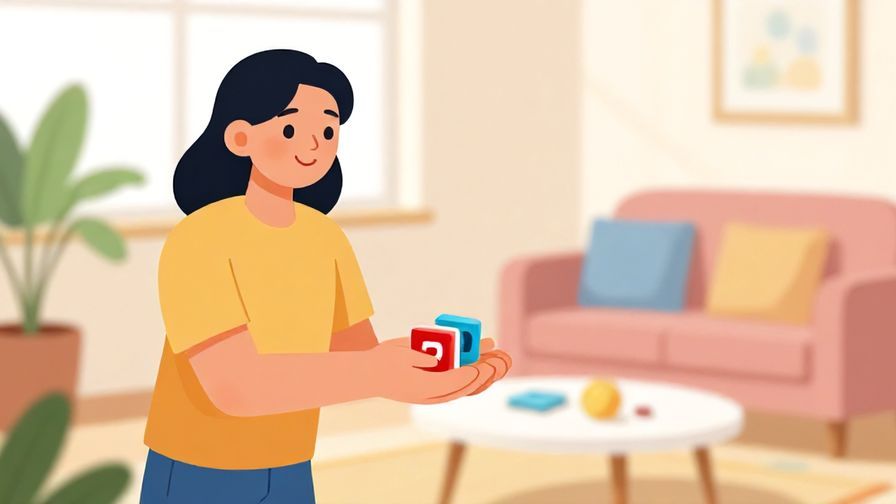
“はい” (Hai) means “okay” or “here you go.”
It’s a simple and direct way to pass the turn.
This is common in casual, fun settings.
Make sure to say it with a friendly tone so it doesn’t sound bossy.
It’s quick and natural for smooth gameplay.
Perfect when you want to keep things moving easily.
5. どうぞ、あなたの番 (Douzo, anata no ban) – “Please, it’s your turn.”

どうぞ (Douzo) means “please,” adding politeness even in casual settings.
This phrase sounds warm and inviting.
It’s great for friends or family when you want to be nice and courteous.
It’s a simple way to show respect while being friendly.
You can use it for games, conversations, or any turn-taking moment.
Adding どうぞ makes your invitation feel thoughtful and welcoming.
6. 君の番だよ (Kimi no ban da yo) – “It’s your turn.”

This phrase is similar to #1 but uses 君 (kimi), a more casual “you.”
It’s perfect for close friends and informal situations.
Using だよ (da yo) adds a friendly emphasis.
Avoid this phrase in formal or professional contexts.
Great for quick reminders during games or group activities.
It’s easy to say and widely understood among native speakers.
7. あなたのターン (Anata no tān) – “Your turn.”

ターン (Tān) is the loanword from English “turn.”
It’s often used in casual, modern conversations, especially among younger people.
This phrase is simple and easy to remember.
It’s common in games or online chats.
Using katakana here makes it feel trendy and informal.
Try this one if you want a quick, easy phrase that sounds friendly.
8. 次はあなただよ (Tsugi wa anata da yo) – “Next is you.”
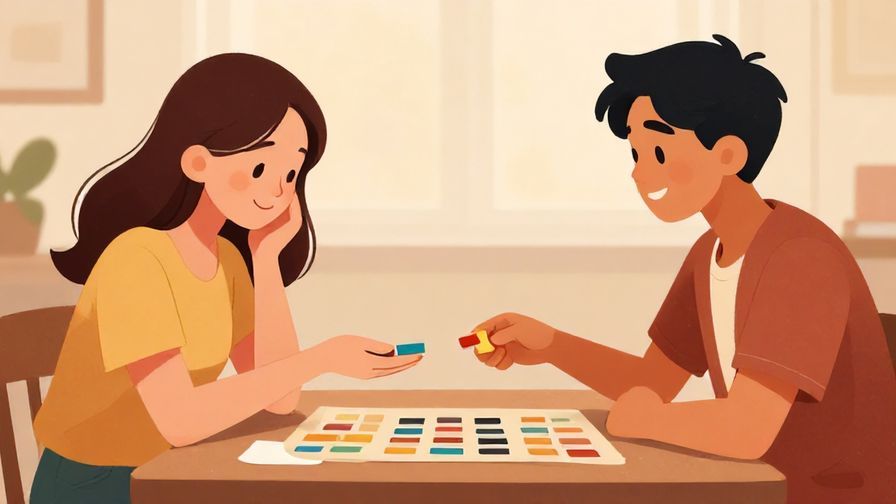
This is a polite but still casual way to say “It’s your turn.”
次 (Tsugi) means “next,” and あなた (anata) is the polite “you.”
The だよ (da yo) keeps it friendly and casual.
It works well in mixed company or semi-formal groups.
You can use this phrase when you want to be polite but still relaxed.
It’s a nice middle ground phrase for many situations.
Part 2: Polite & Formal Suggestions
9. お次はあなたの番です (Otsugi wa anata no ban desu) – “Next, it is your turn.”

This phrase uses polite prefixes and formal verb endings.
お次 (otsugi) is a respectful way to say “next,” and です (desu) adds formality.
Perfect for polite conversation or workplace games.
It shows respect while clearly indicating the turn.
Use this in formal gatherings or with people you don’t know well.
It’s a great phrase to sound courteous and professional.
10. あなたの順番になります (Anata no junban ni narimasu) – “It will become your turn.”

This is a polite, somewhat formal way to announce someone’s turn.
順番 (junban) means “turn” or “order,” and になります (ni narimasu) is a polite verb meaning “will become.”
It’s appropriate in formal or business settings.
This phrase is clear and respectful.
Use it when you want to maintain professionalism.
It’s useful in meetings, presentations, or formal games.
11. どうぞ、お先に (Douzo, osaki ni) – “Please, after you.”
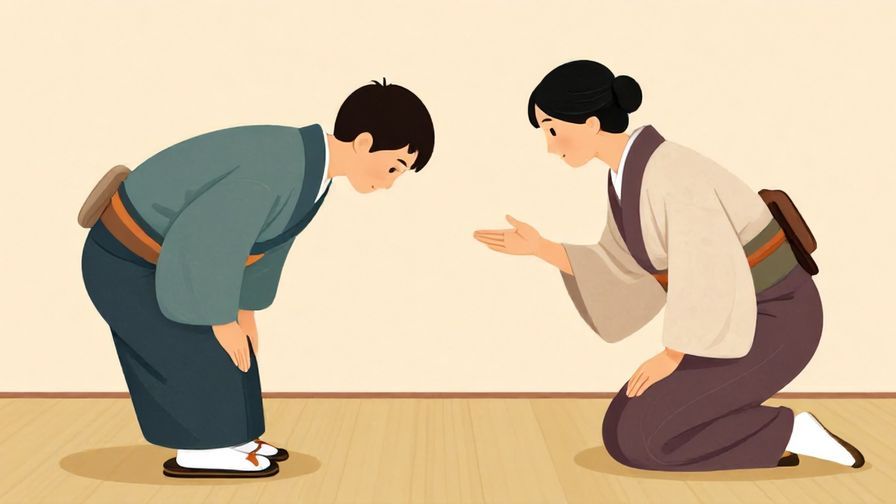
お先に (osaki ni) literally means “before you” or “ahead.”
It’s a polite phrase often used to invite someone to go ahead or take their turn.
Perfect for formal or respectful situations.
This phrase can be used outside games too, like letting someone enter a room first.
Adding どうぞ (douzo) makes it more inviting.
It’s a classic, polite way to say “It’s your turn.”
12. あなたの番でございます (Anata no ban de gozaimasu) – “It is your turn.” (very polite)

This is a very formal and respectful phrase.
でございます (de gozaimasu) is a humble, polite form of です (desu).
Use this in highly formal situations or customer service.
It clearly communicates respect and politeness.
Perfect for ceremonies or formal instructions.
It’s a phrase that shows utmost courtesy.
13. 次の方、どうぞ (Tsugi no kata, douzo) – “Next person, please.”

方 (かた, kata) is a polite way to say “person.”
This phrase is used to invite the next person forward.
It’s common in formal lines, events, or service counters.
Adding どうぞ (douzo) makes it polite and warm.
It’s a natural way to say “your turn” in public situations.
A great phrase for professional or polite interactions.
14. お番ですよ (Oban desu yo) – “It’s your turn.” (polite with honorific)

お (o) is the honorific prefix showing respect.
番 (ban) means “turn,” and です (desu) adds politeness.
This phrase is polite yet friendly.
It’s good for polite conversations with friends or acquaintances.
The ですよ (desu yo) ending gives a gentle emphasis.
It’s a nice way to balance respect and warmth.
15. 順番ですよ (Junban desu yo) – “It’s your turn.”

順番 (じゅんばん, junban) means “order” or “turn.”
This phrase politely reminds someone it’s their turn.
It’s often used in more formal or neutral settings.
The ですよ (desu yo) softens it with friendliness.
Perfect for polite groups or when you want to sound neutral.
It’s a versatile and respectful phrase.
16. お先にどうぞ (Osaki ni douzo) – “Please, go ahead.”
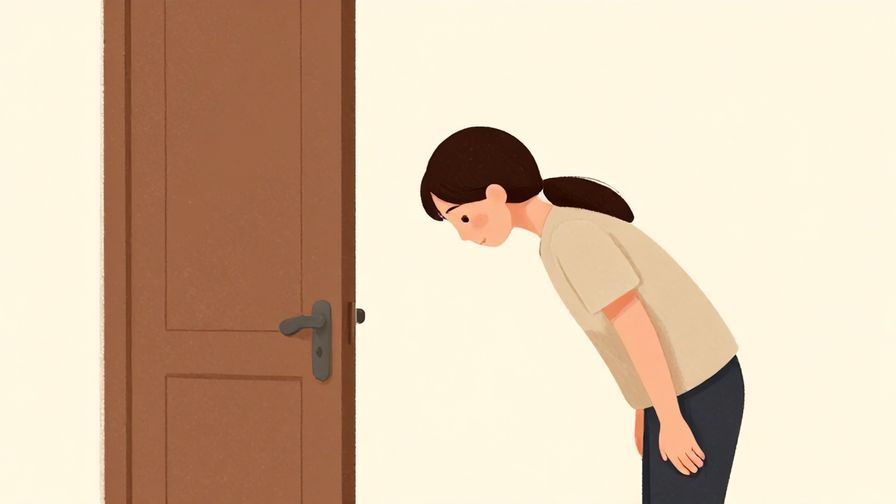
This phrase politely lets someone go before you.
It’s a humble and courteous way to say “It’s your turn.”
Great for formal and everyday respectful interactions.
Use it to show good manners in various situations.
Perfect for queues, conversations, or games.
It’s simple, polite, and very useful.
Part 3: Very Casual / Native-like Expressions
17. お前の番だ (Omae no ban da) – “It’s your turn.” (very casual)

お前 (omae) is a very casual or rough way to say “you.”
Use this only with close friends or when joking.
番 (ban) means “turn,” and だ (da) is informal “is.”
This phrase feels very natural among young people.
Be careful—it can sound rude if used wrongly.
Great for playful, casual moments.
18. 次はお前の番だぜ (Tsugi wa omae no ban da ze) – “Next is your turn.” (very casual, masculine)

The ぜ (ze) ending adds a masculine and casual tone.
This phrase is best for close male friends.
It’s playful and informal, great for teasing or joking.
It’s a natural-sounding phrase in casual male speech.
Use it only when you know the other person won’t be offended.
Perfect for game nights or friendly competitions.
19. さあ、君の番だ (Sā, kimi no ban da) – “Come on, it’s your turn.”

さあ (sā) is an encouraging interjection, like “come on.”
This phrase sounds warm and motivating.
Perfect for casual, fun settings.
It’s an easy way to cheer someone on.
Use it to create friendly energy.
It’s natural and approachable.
20. お前の番だよ、急げ! (Omae no ban da yo, isoge!) – “It’s your turn, hurry up!”

This adds urgency with 急げ (isoge), meaning “hurry!”
Very casual and playful, often used among close friends.
Be sure the tone is friendly to avoid sounding rude.
Great for fast-paced games or joking around.
It’s a fun way to keep the game moving.
Use it to add excitement and speed.
21. お先にどうぞってば (Osaki ni douzo tte ba) – “I’m telling you, please go ahead.” (very casual)

The ってば (tte ba) adds emphasis and casual insistence.
This phrase sounds very friendly and informal.
Use it to insist someone take their turn.
It’s playful and warm.
Great for close friends or family.
It helps express eagerness in a fun way.
22. そっちの番だよ (Sotchi no ban da yo) – “It’s your turn over there.”

そっち (sotchi) means “that side” or “over there.”
This phrase is casual and descriptive.
It clearly indicates whose turn it is with a location hint.
Perfect for group games or activities where turns are divided by place.
It sounds natural and friendly.
Try it when you want to be specific and casual.
Concluding Thought
Exploring these 22 ways to say “It’s your turn” in Japanese shows just how rich and varied the language can be—even for simple phrases.
Whether you choose polite, casual, or playful expressions, using the right phrase for the right moment will help you connect better and sound more natural.
Keep practicing, have fun with the phrases, and soon you’ll find yourself comfortably navigating turns in any Japanese conversation or game!