22 Japanese ways to say “Anyway”
When chatting in Japanese, sometimes you want to smoothly switch topics, wrap up a point, or just say “anyway” like a pro. But did you know there’s more than one way to say it?
“Anyway” isn’t just “とにかく (tonikaku).” There’s a variety of expressions that fit different moods and situations—casual, polite, or very natural sounding.
Whether you’re chatting with friends or writing an email, having multiple ways to say “anyway” can make your Japanese flow more naturally and feel more native.
In this warm and friendly guide, we’ll explore 22 Japanese phrases that express “anyway,” complete with pronunciation guides and tips on when to use each one.
Learning these will not only improve your communication but also deepen your understanding of nuance in Japanese.
Ready to upgrade your Japanese? Let’s dive in!
Understanding “Anyway” in Japanese
“Anyway” can mean “regardless,” “to change the subject,” or “to summarize.” Japanese captures these shades with different phrases.
Some expressions are more casual, like those used among friends, while others are polite or more formal, perfect for work or formal conversations.
Knowing when and how to use these will make your conversations feel natural and smooth.

If you want a great overview, a good Japanese learning book can be an excellent companion.
Mastering these phrases means you’ll never be stuck fumbling for a way to say “anyway” again.
Let’s explore the different categories and expressions!
Part 1: Casual Suggestions
1. とにかく (Tonikaku) – “Anyway” / “At any rate”

Probably the most common casual way to say “anyway.”
“とにかく (tonikaku)” literally means “at any rate” or “anyhow.” It’s perfect for steering a conversation or emphasizing that you’re moving past something.
It’s easy to remember because it starts with “とに” which sounds like “tony,” imagine “Tony” changing the subject abruptly!
Use it when you want to wrap up a point or shift focus in casual talks.
For example, “とにかく、頑張ろう!(Tonikaku, ganbarou!)” means “Anyway, let’s do our best!”
Try dropping “とにかく” naturally into your daily conversations to sound more fluent.
2. まあ (Maa) – “Well, anyway”

“まあ (maa)” is a casual filler word, often used to soften statements or signal a transition.
It’s like saying “well” or “anyway” when you want to sound relaxed and a bit thoughtful.
It’s really short and easy to say, making it perfect for everyday speech.
Be careful not to overuse it, as it can sound hesitant if repeated too much.
In conversation: “まあ、そういうことだね。(Maa, sou iu koto da ne.)” means “Well, that’s how it is, anyway.”
Practice it by mimicking casual Japanese TV shows or conversations for a natural feel.
3. ともかく (Tomokaku) – “Anyway” / “At any rate” (slightly formal)

Similar to “とにかく,” but a bit more formal or written.
“ともかく (tomokaku)” literally means “putting aside” or “anyway.” It’s useful when you want to set aside details and focus on the main point.
A good mnemonic is “tomo” sounds like “tomo” (friend) and “kaku” means “write,” so imagine writing a note to a friend to say “Anyway…”
Use it in semi-formal situations or when you want to sound a bit polished.
Example: “ともかく、行きましょう。(Tomokaku, ikimashou.)” means “Anyway, let’s go.”
This phrase is great to add variety beyond “とにかく.”
4. それにしても (Sore ni shite mo) – “Even so” / “Anyway”

Used when you acknowledge something but want to emphasize moving forward.
“それにしても (sore ni shite mo)” breaks down as “それに” (in addition) + “しても” (even if), meaning “even so” or “anyway.”
It’s a bit more thoughtful and can express mild surprise or emphasis.
Say it when you want to highlight that despite everything, you’re continuing.
For example: “それにしても、彼はすごいね。(Sore ni shite mo, kare wa sugoi ne.)” means “Anyway, he’s amazing.”
Try this phrase to sound more nuanced in conversations.
5. とにかくさ (Tonikaku sa) – Casual with a friendly tone

Adding “さ (sa)” at the end of “とにかく” makes it softer and more friendly.
This ending particle is common in casual male speech but can be used by anyone for an informal vibe.
It adds a conversational tone, like saying “Anyway, you know…”
In conversation: “とにかくさ、明日会おうよ。(Tonikaku sa, ashita aou yo.)” means “Anyway, let’s meet tomorrow.”
It’s a great way to sound approachable and natural.
Use it with close friends or informal groups.
6. それはそうと (Sore wa souto) – “By the way” / “Anyway”

Literally means “That being so,” used to change the subject.
“それはそうと (sore wa souto)” is like “Anyway” when you want to switch topics smoothly.
It’s super useful in conversations and easy to remember if you think “That’s that, and now…”
Example: “それはそうと、週末の予定は?(Sore wa souto, shuumatsu no yotei wa?)” means “Anyway, what are your plans for the weekend?”
Try it when you want to pivot a chat naturally.
7. さて (Sate) – “Well then” / “Anyway”
“さて (sate)” is a classic Japanese phrase for moving on.
It’s often used in speeches or conversations to say “Well then” or “Anyway, let’s move on.”
It’s very natural and polite without being too formal.
For example: “さて、話を続けましょう。(Sate, hanashi o tsuzukemashou.)” means “Anyway, let’s continue the talk.”
Perfect for presentations or group discussions.
Practice this one to sound smooth in formal and casual settings alike.
8. ともあれ (Tomoare) – “Anyway” / “In any case”

“ともあれ (tomoare)” is used to conclude something and focus on the main point.
It literally means “in any case” and is a bit formal but common in spoken Japanese.
Good for summarizing or wrapping up a topic naturally.
Example: “ともあれ、結果が大事だ。(Tomoare, kekka ga daiji da.)” means “Anyway, the result is what matters.”
Use this one to sound thoughtful and clear.
Part 2: Polite & Formal Suggestions
9. いずれにしても (Izureni shitemo) – “In any case” / “Anyway”

Very polite and formal, used in business or writing.
“いずれにしても (izureni shitemo)” combines “いずれに” (in either case) + “しても” (even if), meaning “in any case.”
It’s perfect for formal emails or presentations to politely conclude a point.
Example: “いずれにしても、ご連絡いたします。(Izureni shitemo, gorenraku itashimasu.)” means “Anyway, I will contact you.”
Try this when you want to sound professional and respectful.
10. ともすると (Tomo suru to) – “Anyway” / “Tend to”

Literally means “tend to,” often used to introduce a generalization or conclusion.
In formal contexts, it can imply “anyway” as a way to wrap up an idea.
Use this phrase when discussing tendencies or summarizing points formally.
Example: “ともすると、ミスが起こりやすい。(Tomo suru to, misu ga okori yasui.)” means “Anyway, mistakes tend to happen.”
Great for reports or analytical speech.
11. それでは (Sore dewa) – “Well then” / “Anyway”

“それでは (sore dewa)” is polite and often used to wrap up or transition.
It means “Then,” but can be used like “Anyway” to move forward politely.
Perfect for business or formal social settings.
Example: “それでは、失礼します。(Sore dewa, shitsurei shimasu.)” means “Anyway, excuse me.”
Using this makes you sound courteous and natural.
12. それゆえに (Sore yue ni) – “Therefore” / “Anyway”
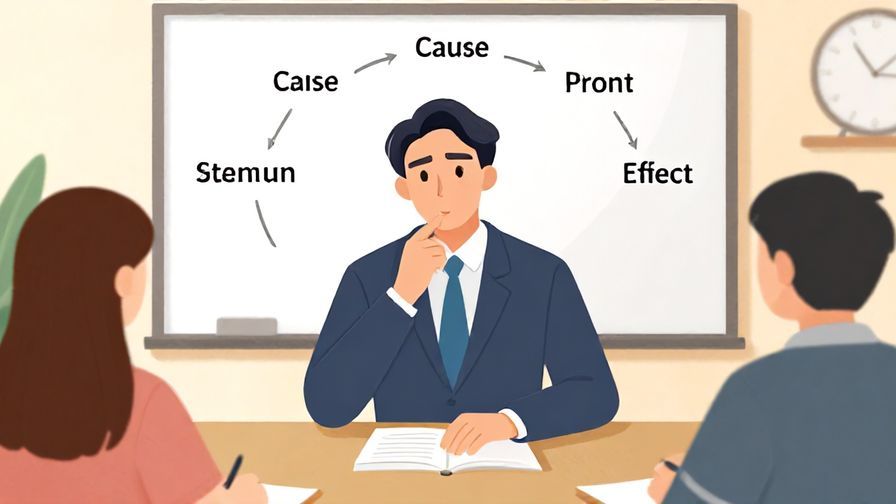
More logical and formal, “それゆえに (sore yue ni)” means “therefore” or “because of that.”
It can act like “anyway” when closing an argument or summing up reasons.
Example: “それゆえに、計画を変更しました。(Sore yue ni, keikaku o henkou shimashita.)” means “Anyway, we changed the plan.”
This is great for logical conclusions in writing or speeches.
13. かくして (Kakushite) – “Thus” / “Anyway”

“かくして (kakushite)” means “thus” or “in this way,” often used to sum up stories or events.
It’s a bit literary but can be used like “anyway” to conclude.
Example: “かくして、彼の冒険は終わった。(Kakushite, kare no bouken wa owatta.)” means “Anyway, his adventure ended.”
Use this for storytelling or formal writing.
14. とにかくも (Tonikakumo) – “In any case” (formal)

A formal variant of “とにかく,” adding emphasis and politeness.
“とにかくも (tonikakumo)” is less common but useful in polished writing or speech.
Example: “とにかくも、ご協力ありがとうございます。(Tonikakumo, gokyouryoku arigatou gozaimasu.)” means “Anyway, thank you for your cooperation.”
Use this to sound extra respectful and clear.
15. 何にせよ (Nani ni seyo) – “In any case” / “Anyway”

“何にせよ (nani ni seyo)” literally means “whatever it is” and is a formal way to say “in any case.”
It’s great for wrapping up or emphasizing that something applies regardless.
Example: “何にせよ、結果が重要です。(Nani ni seyo, kekka ga juuyou desu.)” means “Anyway, the result is important.”
Try it to add variety to formal conversations.
16. ともかくとして (Tomokaku to shite) – “Anyway” / “Putting aside”

A formal phrase that literally means “putting aside that matter.”
It’s ideal for redirecting or emphasizing a new focus politely.
Example: “ともかくとして、次の議題に移りましょう。(Tomokaku to shite, tsugi no gidai ni utsurimashou.)” means “Anyway, let’s move on to the next topic.”
Great for meetings or presentations.
Part 3: Very Casual / Native-like Expressions
17. じゃあ (Jaa) – “Well then” / “Anyway”

“じゃあ (jaa)” is super casual and versatile, often used to wrap up or transition.
It’s like “well then” or “anyway” at the end of chats.
Easy to say and very common among younger speakers.
Example: “じゃあ、またね!(Jaa, mata ne!)” means “Anyway, see you later!”
Use it with friends for a natural vibe.
18. とにかくね (Tonikaku ne) – Casual with a soft tone

Adding “ね (ne)” to “とにかく” softens it and adds a friendly tone.
It’s like saying “Anyway, you know…” or “Anyway, right?”
Great for casual conversations where you want to connect warmly.
Example: “とにかくね、頑張ってね。(Tonikaku ne, ganbatte ne.)” means “Anyway, do your best, okay?”
Try this to sound more personable.
19. まあね (Maa ne) – “Well, anyway” (casual, thoughtful)

“まあね (maa ne)” is a casual phrase combining “まあ” and “ね” to reflect agreement and transition.
It’s like saying “Well, anyway” with a bit of thoughtfulness.
Use it to sound laid-back but engaged.
Example: “まあね、仕方ないよね。(Maa ne, shikata nai yo ne.)” means “Well, anyway, it can’t be helped.”
Great for natural, friendly chats.
20. ともかくとしてさ (Tomokaku to shite sa) – Super casual with “sa”

Adding “さ (sa)” to “ともかくとして” makes it super casual and conversational.
It’s like “Anyway, you know…” used among close friends.
Example: “ともかくとしてさ、次行こうよ。(Tomokaku to shite sa, tsugi ikou yo.)” means “Anyway, let’s go to the next thing.”
Try this for relaxed, native-like flow.
21. でさ (De sa) – “So anyway” / “And then”

“でさ (de sa)” is very casual and used to continue a story or shift topics.
It’s like “So anyway” or “And then…” in English.
Common in spoken Japanese among friends and young people.
Example: “でさ、昨日さ…” (De sa, kinou sa…) means “So anyway, yesterday…”
Great for storytelling and informal chats.
22. まあいいや (Maa ii ya) – “Anyway, it’s fine” / “Whatever”

“まあいいや (maa ii ya)” literally means “well, it’s fine,” used to dismiss something lightly.
It can be a casual “anyway” to move past a topic or decision.
Use it when you want to sound relaxed and unconcerned.
Example: “まあいいや、次行こう。(Maa ii ya, tsugi ikou.)” means “Anyway, let’s move on.”
Perfect for informal conversations when you want to brush off something minor.
Concluding Thought
Exploring these 22 ways to say “anyway” in Japanese shows you how rich and nuanced the language really is.
From casual chats to formal meetings, having the right phrase helps you sound natural and confident.
Keep practicing these expressions, and soon “anyway” won’t just be a filler—it’ll be your conversational superpower. がんばってね!(Ganbatte ne!)