22 Japanese ways to say “Likewise”
When you want to say “likewise” in Japanese, there’s a whole world of phrases waiting to be explored. Whether you’re responding politely or chatting casually with friends, Japanese offers plenty of ways to express that warm “me too” feeling.
These expressions can vary by context, tone, and relationship. Some are perfect for formal situations, while others are everyday friendly phrases.
Understanding these nuances will not only help you sound more natural but also deepen your connection with Japanese speakers.
So, let’s dive into 22 Japanese ways to say “likewise,” each with a pronunciation guide and simple explanations. Ready to expand your Japanese vocabulary in a fun and practical way?
We’ll sprinkle in useful tips and even recommend resources you can check out to sharpen your skills.
By the end, you’ll have plenty of options to choose from the next time you want to say “likewise” like a pro!
Understanding “Likewise” in Japanese
Japanese doesn’t always have a direct one-word equivalent for English phrases. “Likewise” is no exception—it can be translated in various ways depending on tone and situation.
Whether you want to say “same here,” “me too,” or “the feeling is mutual,” there’s a phrase for that. Knowing when and how to use each one will boost your confidence.
It’s worth exploring these options so you can sound more natural and responsive in conversations.

If you’re looking to build your skills, a great Japanese language learning book can guide you through common expressions with examples and practice.
Remember, practice makes perfect. Try repeating these phrases in your daily chats or language exchanges.
Before long, you’ll be responding naturally and warmly, just like a native speaker.
Part 1: Casual Suggestions
1. 私も (Watashi mo) – “Me too.”

“私も” (Watashi mo, wah-tah-shee moh) is the simplest and most straightforward way to say “me too” or “likewise” in casual conversations.
“私” (watashi) means “I” and “も” (mo) means “also” or “too.” It’s perfect when you want to express that you share the same feeling or opinion.
This phrase works great with friends and acquaintances, and it’s easy to remember because it’s short and polite enough for most settings.
Just say it after someone shares their thought to show you feel the same.
It’s often used in response to statements like “I like sushi” or “I’m tired today.”
Try practicing it in your next conversation to quickly affirm common feelings.
2. 同じく (Onajiku) – “Likewise” or “Same here.”

“同じく” (Onajiku, oh-nah-jee-koo) literally means “the same way” or “likewise.”
It’s a bit more formal than “私も” but still common in casual conversations, especially among adults.
It’s a handy word to show agreement or shared sentiment quickly and naturally.
Just remember: it’s not used to agree with actions but rather feelings or opinions.
For example, if someone says, “I’m excited for the weekend,” you can reply with “同じく” to mean “me too.”
Use it to sound natural and a little more polished when chatting.
3. そうだね (Sō da ne) – “That’s right, likewise.”
“そうだね” (Sō da ne, soh dah neh) translates as “that’s right” or “I agree.”
It’s often used to positively affirm someone’s statement and can imply “likewise” in context.
The phrase breaks down as “そう” (sō) meaning “so” or “that way,” “だ” (da) as a casual copula meaning “is,” and “ね” (ne) a sentence-ending particle seeking agreement.
It’s perfect for casual chats with friends or family.
Just use it when you want to agree warmly without repeating the exact same phrase.
It adds a nice conversational flow to your Japanese.
4. 同感 (Dōkan) – “I feel the same.”
“同感” (Dōkan, doh-kahn) means “same feeling” or “I feel the same.”
It’s slightly more formal and used when you want to express empathy or agreement with someone’s opinion or feeling.
“同” (dō) means “same,” and “感” (kan) means “feeling.”
You’ll often hear it in conversations or even news media when acknowledging shared opinions.
It’s a great phrase if you want to sound thoughtful and sincere.
Try it in discussions where you want to emphasize emotional agreement.
5. 自分も (Jibun mo) – “Me too” (casual, self-focused).

“自分も” (Jibun mo, jee-boon moh) literally means “myself too.”
“自分” (jibun) is a casual way of saying “I” or “myself,” and “も” (mo) means “also.”
This phrase is more natural in casual conversations among close friends or family.
It’s a friendly way of saying “likewise” when you want to emphasize your personal involvement.
Use it when you want to add a bit of personality to your agreement.
It’s easy to remember since “自分” is a very common word in everyday Japanese.
6. 同じく私も (Onajiku watashi mo) – “Likewise, me too.”

Combining “同じく” (Onajiku) and “私も” (Watashi mo) makes a polite and clear way to say “likewise, me too.”
This phrase is great when you want to express agreement clearly but still keep it casual.
It’s longer but emphasizes both “the same” and “me too,” making it very friendly and clear.
Perfect for conversations where you want to show enthusiasm and agreement.
Try using it when responding to positive statements like “I love this song.”
It feels warm and inclusive without being overly formal.
7. ぼくも (Boku mo) – “Me too” (used by males).

“ぼくも” (Boku mo, boh-koo moh) means “me too,” primarily used by males.
“ぼく” (boku) is a casual, masculine pronoun for “I,” and “も” (mo) means “also.”
This is a natural and polite way for men to say “likewise” or “me too” in conversation.
It’s less formal than “私も” but widely accepted in everyday speech.
If you’re a male learner, this phrase will come in handy for casual chats.
It helps make your Japanese sound authentic and friendly.
8. あたしも (Atashi mo) – “Me too” (used by females, casual).

“あたしも” (Atashi mo, ah-tah-shee moh) is a casual, feminine way to say “me too.”
“あたし” (atashi) is a soft, informal pronoun used mostly by females, and “も” (mo) means “also.”
This phrase is perfect for casual conversations among friends, especially women.
It’s friendly and natural but should be avoided in formal situations.
Use it when you want to sound warm and approachable.
Great for everyday chats and casual replies.
Part 2: Polite & Formal Suggestions
9. 同様に (Dōyō ni) – “Likewise” (formal)

“同様に” (Dōyō ni, doh-yoh nee) is a formal way to say “likewise” or “similarly.”
It’s often used in business or formal writing, presentations, and polite conversation.
“同様” (dōyō) means “same manner,” and “に” (ni) is a particle that turns it into “in the same way.”
This phrase works well when you want to sound professional or respectful.
It’s perfect for emails, meetings, or formal speeches.
Try it when you want to acknowledge agreement politely without sounding casual.
10. こちらこそ (Kochira koso) – “Likewise” (polite, reciprocal)
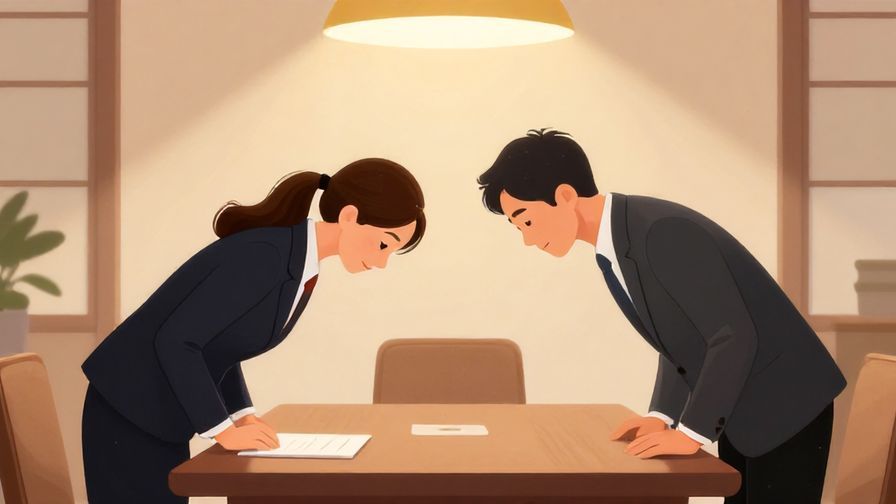
“こちらこそ” (Kochira koso, koh-chee-rah koh-soh) translates as “likewise” or “the pleasure is mine.”
It’s used to reciprocate thanks, apologies, or greetings politely.
“こちら” (kochira) means “this side” or “I,” and “こそ” (koso) emphasizes the statement strongly.
It’s perfect for formal or business settings when you want to return a sentiment warmly.
Use it in response to “Thank you” (ありがとう) or “Nice to meet you” (はじめまして).
It’s a very polite way to say “likewise” without repeating the same phrase.
11. 同意します (Dōi shimasu) – “I agree” (formal)

“同意します” (Dōi shimasu, doh-ee shee-mah-su) means “I agree.”
It’s polite and formal, often used in meetings, debates, or written communication.
“同意” (dōi) means “agreement,” and “します” (shimasu) is a polite verb meaning “do.”
This phrase clearly expresses agreement or shared opinion.
It’s useful when you want to affirm someone’s point respectfully.
Try using it when discussing ideas or proposals formally.
12. おっしゃる通りです (Ossharu tōri desu) – “Exactly as you say”

“おっしゃる通りです” (Ossharu tōri desu, oh-sshah-roo toh-ree dess) means “Exactly as you say” or “I completely agree.”
“おっしゃる” (ossharu) is the honorific verb form of “to say,” “通り” (tōri) means “as” or “in the way,” and “です” (desu) adds politeness.
This phrase is very polite and used to show strong agreement with someone’s statement.
It’s perfect when you want to respectfully acknowledge someone’s opinion.
Use it in formal conversations or business discussions.
It’s a great way to say “likewise” with extra respect.
13. 同感いたします (Dōkan itashimasu) – “I feel the same” (very polite)
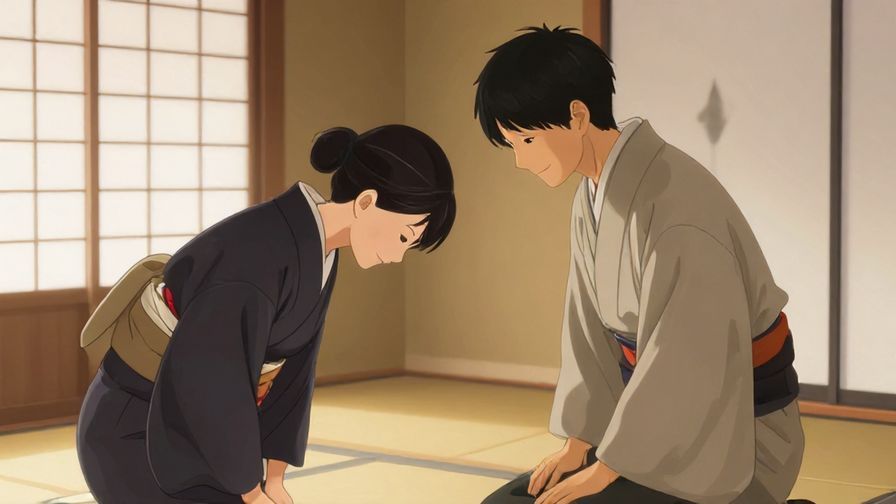
“同感いたします” (Dōkan itashimasu, doh-kahn ee-tah-shee-mah-su) is a very polite way to say “I feel the same.”
“同感” (dōkan) means “same feeling,” and “いたします” (itashimasu) is the humble form of “to do.”
This phrase is used in formal settings to express sincere agreement or empathy.
It’s ideal for professional emails, speeches, or respectful conversations.
Use it when you want to sound humble and polite while showing agreement.
It’s a refined alternative to more casual expressions.
14. そう思います (Sō omoimasu) – “I think so too.”

“そう思います” (Sō omoimasu, soh oh-moh-ee-mah-su) means “I think so too.”
It’s polite and commonly used in conversation and writing.
“そう” (sō) means “that way,” and “思います” (omoimasu) means “I think.”
This phrase expresses agreement with someone’s opinion in a humble way.
It’s perfect for polite discussions or when you want to share your thoughts respectfully.
Try using it to smoothly say “likewise” in many situations.
15. 同じ気持ちです (Onaji kimochi desu) – “I feel the same.”

“同じ気持ちです” (Onaji kimochi desu, oh-nah-jee kee-moh-chee dess) means “I feel the same.”
“同じ” (onaji) means “same,” “気持ち” (kimochi) means “feeling,” and “です” (desu) adds politeness.
It’s a nice way to express emotional agreement or shared feelings politely.
Use it when you want to connect emotionally with someone’s statement.
This phrase is great for both friendly and formal settings.
It adds warmth and sincerity to your “likewise.”
16. こちらも同様です (Kochira mo dōyō desu) – “Same here as well.”

“こちらも同様です” (Kochira mo dōyō desu, koh-chee-rah moh doh-yoh dess) means “Same here as well.”
“こちらも” (kochira mo) means “this side also” or “me too,” and “同様です” (dōyō desu) means “is the same.”
This phrase is formal and polite, commonly used in written or spoken professional contexts.
It’s a good way to express “likewise” in a respectful manner.
Use it to show agreement while maintaining professionalism.
It works well in business emails or meetings.
Part 3: Very Casual / Native-like Expressions
17. 俺も (Ore mo) – “Me too” (informal male)

“俺も” (Ore mo, oh-reh moh) means “me too” and is an informal, masculine way to say it.
“俺” (ore) is a casual male pronoun for “I,” and “も” (mo) means “also.”
This phrase is very casual and used among close male friends or peers.
It’s great for sounding natural and relaxed in informal conversations.
Be careful not to use it in formal or polite settings.
Use it when hanging out with friends or younger people.
18. 同じくね (Onajiku ne) – “Same here, you know.”

“同じくね” (Onajiku ne, oh-nah-jee-koo neh) adds the casual particle “ね” (ne) to “同じく” for a softer, friendlier tone.
It’s like saying “same here, right?” or “likewise, you know.”
Use it in casual conversations to sound more native-like and warm.
The “ね” invites agreement and connection.
It’s perfect for informal chats with friends or family.
Try adding “ね” to soften phrases and build rapport.
19. それな (Sore na) – “Exactly” / “Likewise.”

“それな” (Sore na, soh-reh nah) is a trendy slang phrase meaning “exactly” or “same here.”
It’s very casual and often used among younger people.
Literally, “それ” (sore) means “that,” and “な” (na) adds emphasis.
It’s a quick and cool way to say “likewise” or “I agree.”
Great for informal chats or texting with friends.
Keep in mind it’s not appropriate for formal or polite contexts.
20. 自分もそう思う (Jibun mo sō omou) – “I think so too.”

“自分もそう思う” (Jibun mo sō omou, jee-boon moh soh oh-moh) means “I think so too.”
It’s a casual, friendly way to express agreement.
“自分” (jibun) means “myself,” “も” (mo) means “also,” and “そう思う” (sō omou) means “think so.”
It’s perfect for conversations where you want to add your opinion naturally.
Use it with friends or peers for a relaxed tone.
It’s a neat phrase to sound like a native speaker.
21. 同じだよ (Onaji da yo) – “It’s the same.”

“同じだよ” (Onaji da yo, oh-nah-jee dah yoh) means “It’s the same” or “Same here.”
“同じ” (onaji) means “same,” “だ” (da) is an informal copula, and “よ” (yo) adds emphasis.
This phrase is casual and friendly, great for conversations with close friends.
It’s a simple way to say “likewise” with a natural flair.
Use the “よ” particle to sound more engaging and sure.
It’s a versatile phrase for daily chats.
22. 俺も同じく (Ore mo onajiku) – “Me too, likewise.”

“俺も同じく” (Ore mo onajiku, oh-reh moh oh-nah-jee-koo) combines “俺も” (me too) and “同じく” (likewise) for an emphatic casual expression.
This phrase is perfect for informal situations among male friends.
It expresses strong agreement and camaraderie.
Use it to sound natural and confident.
It’s a fun phrase to add some personality to your Japanese.
Try it when you want to really emphasize “me too” in a cool way.
Concluding Thought
Exploring these 22 ways to say “likewise” in Japanese shows just how rich and nuanced the language is. From casual chats to formal business talk, there’s a perfect phrase ready for you.
By practicing these expressions, you don’t just learn words—you build bridges, share feelings, and connect with others more deeply.
Keep practicing, stay curious, and enjoy your journey into the beautiful world of Japanese language and culture!