22 Japanese ways to say “I’m shocked”
Feeling shocked? Whether it’s surprise, disbelief, or just plain amazement, Japanese has a bunch of warm and expressive ways to say “I’m shocked.”
From casual chats with friends to polite conversations, these phrases will help you sound natural and relatable.
Learning a variety of expressions can bring your Japanese skills to life and help you connect deeper with native speakers.
So, if you want to expand your emotional vocabulary and impress your friends, keep reading!
These phrases are practical, easy to remember, and perfectly fit everyday conversations.
Let’s dive into 22 Japanese ways to say “I’m shocked” – a fun, informal guide with pronunciation and tips.
Understanding Shock in Japanese
Shock isn’t just one feeling—it can be surprise, disbelief, or even being stunned.
Japanese language reflects this with subtle variations in expressions depending on the intensity and context.
Choosing the right phrase helps convey exactly how you feel, whether casual or formal.
Sometimes, a great phrasebook on emotions can be a perfect guide to deepen your understanding.
Remember, practice makes perfect, so try these phrases out loud and with friends!
Now, let’s jump into the expressions that will make you sound like a native when shocked.
Part 1: Casual Suggestions
1. びっくりした! (Bikkuri shita!) – “I was surprised!”

This is the go-to casual phrase for shock or surprise.
“Bikkuri” means surprise, and “shita” is past tense of “to do,” so literally “I was surprised.”
Perfect for everyday moments like hearing unexpected news or seeing something amazing.
It’s short, easy to say, and sounds natural.
You can also say “びっくりしたよ!” (Bikkuri shita yo!) to add a casual emphasis.
Try using it next time you’re genuinely surprised by something fun or shocking!
2. マジで? (Maji de?) – “Seriously?”

This phrase is super common among younger people.
“Maji” means “serious” or “really,” and “de” turns it into a questioning tone: “Seriously?”
It’s a quick way to express disbelief or shock.
Don’t overuse it with strangers—it’s casual and informal.
Example: If a friend tells you a crazy story, just respond with “マジで?!”
It’s perfect for keeping conversations lively and natural.
3. うそ! (Uso!) – “No way!”
“Uso” literally means “lie,” but it’s used as an exclamation like “No way!” or “You’re kidding!”
It’s short, punchy, and packed with emotion.
Great for moments when you’re shocked by unexpected or unbelievable news.
Can be used alone or followed by “でしょ?” (desho?) to soften it: “No way, right?”
Just be mindful it’s informal and best with friends or close acquaintances.
Try it when you want to express friendly shock quickly and clearly.
4. びっくりしたわ! (Bikkuri shita wa!) – “I’m so shocked!” (feminine)
This is a slightly feminine way to say “I’m shocked.”
The “wa” particle adds a gentle, emotional tone often used by women.
It’s perfect in casual, friendly conversations to express strong surprise.
Men usually avoid “wa” in this way, but women can use it to sound warm and genuine.
Try it when you want to sound both polite and emotionally expressive.
It pairs well with “本当に” (hontou ni) meaning “really” for extra emphasis.
5. びっくりしたぜ! (Bikkuri shita ze!) – “I’m shocked!” (masculine)

The “ze” particle adds a masculine, casual emphasis to “I’m shocked.”
It’s used mostly by men to sound cool and expressive.
Great for informal settings with male friends or peers.
Use it when you want to sound both surprised and confident.
Just remember it’s not suitable for formal or polite contexts.
Try this if you want to add a bit of personality to your shock expressions.
6. ほんとに? (Hontoni?) – “Really?”
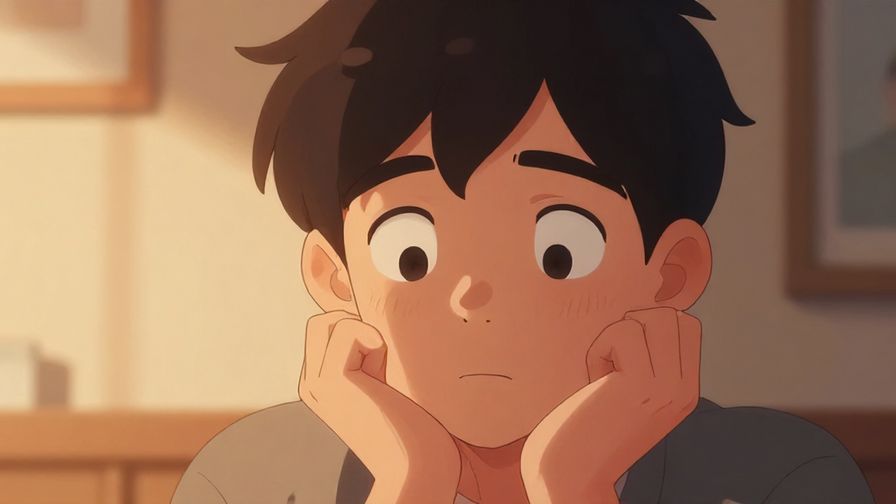
“Hontoni” means “really” or “truly.”
Adding a questioning tone turns it into “Really?” expressing surprise or disbelief.
It’s polite enough for most casual conversations and works well with strangers too.
Use this when you want to sound interested and shocked without being too informal.
Can be combined with a surprised facial expression for extra effect.
Perfect for confirming shocking or unexpected news politely.
7. ええっ?! (Eee?!) – “What?!”

“Eee?!” is an exclamation expressing shock or disbelief.
It’s like saying “What?!” or “No way!” in English.
Used a lot in casual speech to react instantly to shocking or unexpected news.
It’s informal and shows a spontaneous reaction.
Use it when you want to sound surprised and a bit playful.
Great for conversations with friends or family.
8. びっくり仰天! (Bikkuri gyouten!) – “Absolutely shocked!”

This phrase is a bit more dramatic and playful.
“Bikkuri” means surprised, and “gyouten” means astonished or flabbergasted.
It’s perfect for storytelling or when you want to exaggerate your shock for fun.
Not typically used in formal situations but great among friends.
Try saying this when something really unbelievable happens.
It adds a fun, expressive flair to your shock expressions.
Part 2: Polite & Formal Suggestions
9. 驚きました (Odorokimashita) – “I was surprised.” (polite)
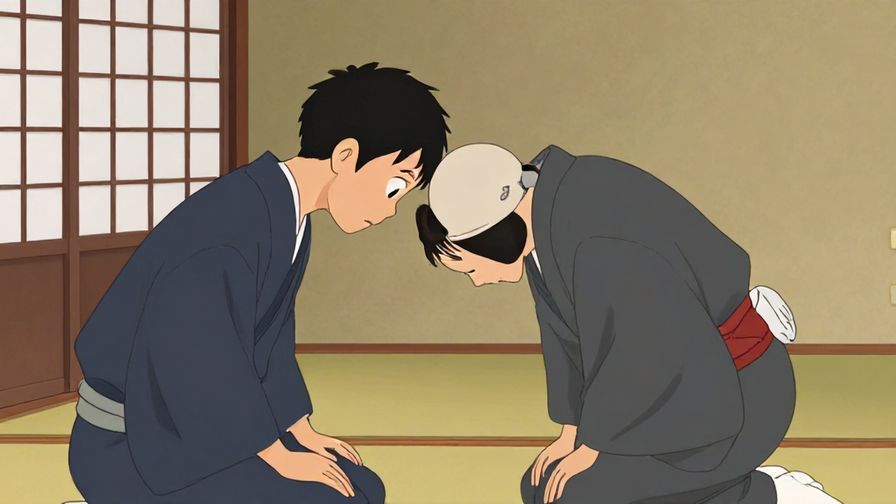
This is the polite past tense form of “to be surprised.”
Use it in formal or work settings where casual expressions aren’t appropriate.
It’s respectful and clear, good for interviews or formal conversations.
Avoid slang or overly casual words in these contexts.
Example: “そのニュースには驚きました。” (Sono nyūsu ni wa odorokimashita.) – “I was surprised by that news.”
Try practicing this phrase for professional or polite situations.
10. 信じられません! (Shinjiraremasen!) – “I can’t believe it!”

This phrase expresses disbelief in a polite but strong way.
“Shinjiraremasen” is the negative potential form of “to believe,” meaning “can’t believe.”
Good for expressing shock in formal and polite contexts.
It’s slightly more serious and less casual than “uso!”
Example: “こんなこと信じられません!” (Konna koto shinjiraremasen!) – “I can’t believe such a thing!”
Use this phrase when you want to sound respectful but shocked.
11. びっくりいたしました (Bikkuri itashimashita) – “I was surprised.” (very polite)
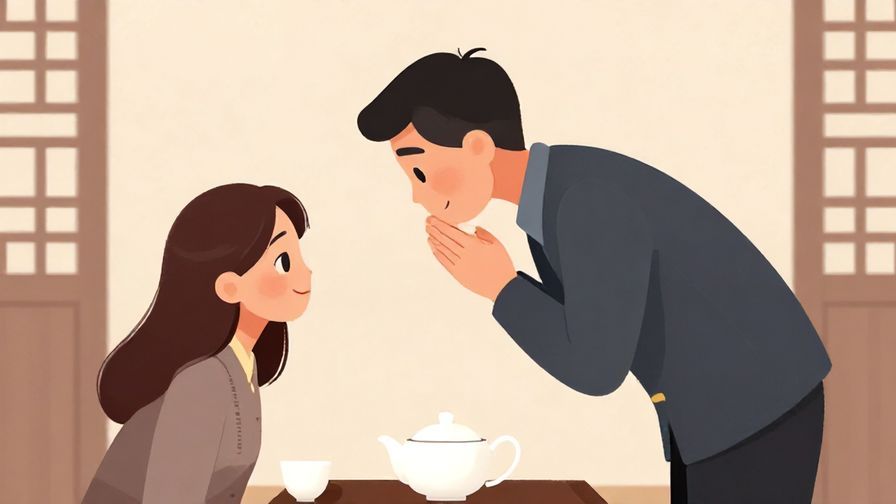
This is a humble, very polite way to say “I was surprised.”
“Itashimashita” is the humble form of “shita,” making it appropriate for super formal situations.
Use it in business or with people you respect deeply.
A bit formal for casual chats, but excellent for letters or official meetings.
Example: “その知らせにびっくりいたしました。” (Sono shirase ni bikkuri itashimashita.)
Perfect for professional settings where you want to convey shock politely.
12. 驚愕しました (Kyougaku shimashita) – “I was stunned.”

“Kyougaku” means astonishment or being stunned.
It’s a formal, strong expression for shock.
Use it when something really shakes you emotionally or mentally.
Less common in everyday speech but great for writing or presentations.
Example: “結果に驚愕しました。” (Kekka ni kyougaku shimashita.) – “I was stunned by the result.”
Try this phrase when you want to sound sophisticated and shocked.
13. びっくり仰天いたしました (Bikkuri gyouten itashimashita) – “I was absolutely shocked.”
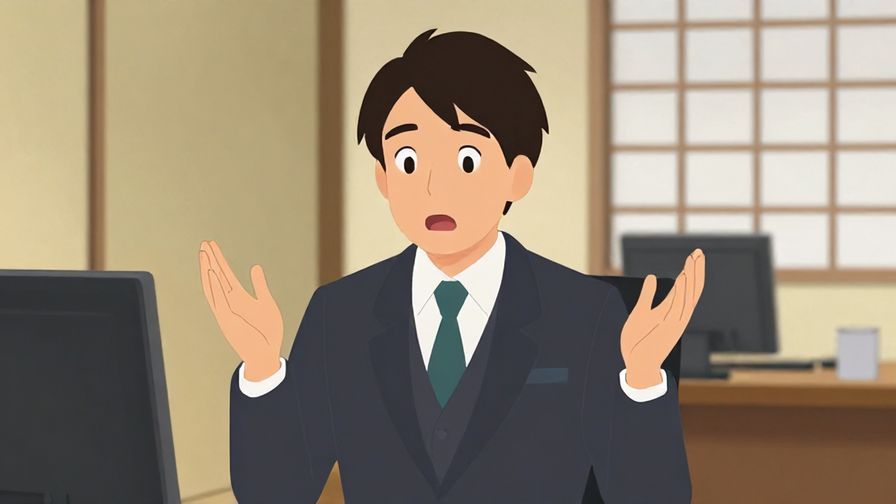
A very polite and dramatic way to say you were shocked.
Combines the casual “bikkuri gyouten” with humble “itashimashita.”
Good for formal letters or speeches when describing strong surprise.
Not casual but impressively expressive.
Example: “その知らせにはびっくり仰天いたしました。”
Use this phrase to leave a strong, respectful impression.
14. まさか! (Masaka!) – “No way!” (polite but strong)
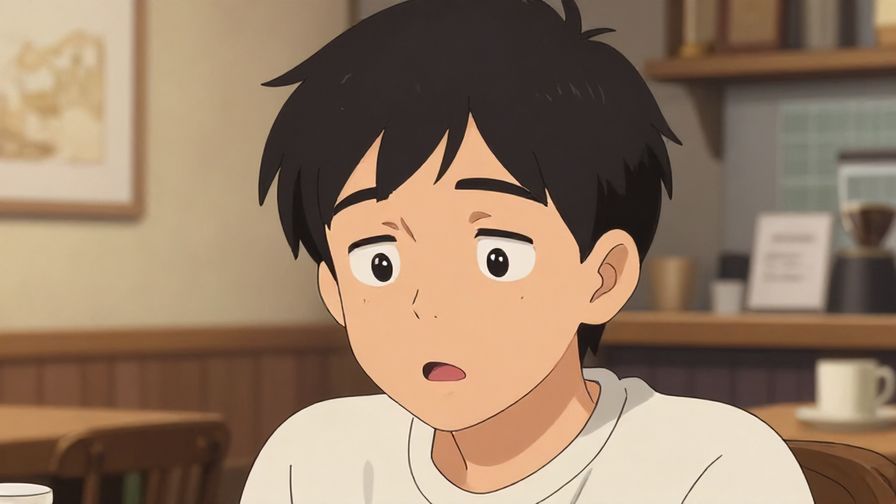
“Masaka” expresses disbelief or shock like “No way!”
It can be used formally or casually depending on tone.
Great for polite surprise without sounding too casual.
Often followed by a full sentence to explain shock.
Example: “まさかそんなことが起きるとは。” (Masaka sonna koto ga okiru to wa.)
Perfect for moments when something seems impossible or shocking.
15. 驚嘆しました (Kyoutan shimashita) – “I was amazed.”

“Kyoutan” means admiration mixed with shock or amazement.
This is a polite and slightly formal way to express being impressed and shocked.
Good for cultural events, performances, or impressive news.
Example: “彼の演技には驚嘆しました。” (Kare no engi ni wa kyoutan shimashita.)
Use this phrase to sound refined and genuinely amazed.
16. 目を見張る (Me o mihareru) – “To be wide-eyed.” (expression)

This is an idiomatic expression meaning “to be wide-eyed with surprise.”
Literally “to open one’s eyes wide.”
Can be used formally or casually depending on context.
Example: “その景色に目を見張った。” (Sono keshiki ni me o mihatta.)
Great for describing visual shock or awe.
Try using it to add vivid imagery to your expressions of shock.
Part 3: Very Casual / Native-like Expressions
17. わあ、びっくり! (Waa, bikkuri!) – “Wow, shocked!”
This is a playful and very casual way to show surprise and shock.
“Waa” is an exclamation like “Wow!” and “bikkuri” means surprise.
Use it with friends or in informal chats to sound lively and natural.
It’s simple but full of energy.
Combine it with gestures like hand clapping or jumping for full effect.
Perfect for reacting to good surprises or fun news.
18. え、マジ? (E, maji?) – “Eh, seriously?”

A very casual and popular slang phrase.
“E” is like “Eh?” expressing surprise, and “maji” means “seriously.”
Use it in casual conversations to express quick shock or disbelief.
It’s super common in youth culture and social media.
Example: Friend: “昨日、宝くじ当たった!” You: “え、マジ?”
Try this phrase to sound natural and current with young speakers.
19. びっくりぽん! (Bikkuri pon!) – “Totally shocked!” (funny/casual)

This is a playful, humorous way to say “I’m shocked.”
“Pon” adds a cute, fun sound effect after “bikkuri.”
Not a serious phrase, but good to lighten the mood.
Use it among friends or kids to sound playful and funny.
It’s a memorable phrase that can make conversations more fun.
Try it when you want to bring smiles while showing shock.
20. まじびびった! (Maji bibitta!) – “I was seriously freaked out!”

“Bibitta” is slang for being startled or freaked out.
Combined with “maji” for “seriously,” it’s a strong casual expression.
Use it when something shocks you enough to be a little scared or startled.
Very informal, best for close friends or peers.
Example: “あの音、まじびびった!” (Ano oto, maji bibitta!)
Great for telling exciting or scary stories naturally.
21. どびっくり! (Dobikkuri!) – “Completely shocked!”

This is a native-like, informal way to express extreme shock.
“Dobikkuri” is an emphatic form of “bikkuri.”
It’s fun, energetic, and shows you’re really stunned.
Use it casually with friends for dramatic effect.
Try to pair it with expressive body language for best impact.
Perfect for storytelling or reacting to unexpected events.
22. ぎょっとした! (Gyotto shita!) – “I was startled!”

“Gyotto” means to be startled or shocked suddenly.
It’s a casual but vivid way to describe a quick jump or shock.
Use it when something scares or surprises you unexpectedly.
Example: “急に声がしてぎょっとした!” (Kyuu ni koe ga shite gyotto shita!)
It’s a great word to describe sudden shocks or scares.
Try using it for natural and expressive conversations.
Concluding Thought
Exploring these 22 ways to say “I’m shocked” in Japanese shows just how rich and expressive the language can be.
Whether casual, polite, dramatic, or playful, there’s a perfect phrase for every situation and feeling.
Keep practicing these expressions, and soon you’ll be sharing your own surprised stories like a pro!