22 Japanese ways to say “I’m disappointed”
Feeling disappointed is something we all experience, and expressing that feeling in another language can be deeply satisfying. Japanese offers a rich variety of phrases to convey disappointment, each with its own nuance and warmth.
Whether you want to sound casual, polite, or truly native-like, there’s a phrase here for every situation. Plus, learning these expressions can help you connect better with Japanese speakers and understand their emotions more clearly.
In this article, you’ll discover 22 authentic ways to say “I’m disappointed” in Japanese. We’ll break them down by tone and context so you can pick the perfect one.
From casual phrases you can use with friends to more formal expressions suitable for work or respectful conversations, you’ll get a full toolbox of emotional vocabulary.
Along the way, we’ll also share easy pronunciation guides and helpful tips to make learning smooth and fun.
Ready to sound more natural and express your feelings more precisely? Let’s dive into these heartfelt Japanese phrases!
Getting Started with Expressing Disappointment in Japanese
Japanese has many ways to express disappointment, depending on how strong your feelings are and who you’re talking to. It’s a good idea to learn a few different expressions to match the moment.
Some expressions are soft and indirect, while others are straightforward and emotional. Knowing when to use each will help you sound more natural and avoid misunderstandings.
Try practicing with friends or while journaling to get comfortable.

Sometimes, using a great beginner phrasebook can give you a perfect starting point for a cohesive understanding.
Start small and build up your emotional vocabulary step by step.
With just a few phrases, you can express nuanced feelings and deepen your conversations.
Part 1: Casual Suggestions
1. がっかりした (Gakkari shita) – “I’m disappointed.”

This is the most straightforward and common phrase to say “I’m disappointed” in casual settings.
“がっかり” (Gakkari) means “disappointed,” and “した” (shita) is the past tense of “do,” so together it expresses the feeling clearly.
It’s easy to use with friends or family whenever something doesn’t meet your expectations.
For example, if your friend cancels plans last minute, you can say “がっかりしたよ” (Gakkari shita yo) to express mild disappointment.
Keep in mind it’s casual, so avoid it in formal situations.
It’s a great go-to phrase that sounds natural and heartfelt.
2. 残念だなあ (Zannen da naa) – “That’s a shame.”

“残念” (Zannen) means “regrettable” or “disappointing,” and “だなあ” adds a casual, reflective tone.
This phrase is softer and often used when you want to express disappointment but keep the mood light.
You can say it when something doesn’t go as planned but you’re not too upset.
For example, if an event is canceled, “残念だなあ” is a gentle way to let others know you’re disappointed.
Be careful not to use this in very serious situations, as it’s quite casual.
It’s perfect for everyday conversations with people close to you.
3. ちょっとがっかり (Chotto gakkari) – “A bit disappointed.”

This phrase adds “ちょっと” (chotto), meaning “a little” or “a bit,” to soften the disappointment.
It’s a casual way to say you’re mildly let down, without sounding too serious.
For example, if a friend forgets something minor, you can say “ちょっとがっかり” to show you noticed but aren’t upset.
It’s useful when you want to keep the vibe light and friendly.
Great for informal chats and text messages.
Try pairing it with a smile for a balanced tone.
4. 期待はずれだな (Kitai hazure da na) – “That’s disappointing (not what I expected).”

“期待” (Kitai) means “expectation,” and “はずれ” (hazure) means “miss” or “failure.”
Together, this phrase literally means “missed expectations.”
It’s casual but honest and a bit more specific to feeling let down by unmet hopes.
You might use it when a movie or meal doesn’t live up to what you thought.
It’s a good phrase for expressing disappointment with a bit of explanation.
Try practicing it with real-life examples to get comfortable.
5. ちょっとショックだよ (Chotto shokku da yo) – “I’m a little shocked (disappointed).”
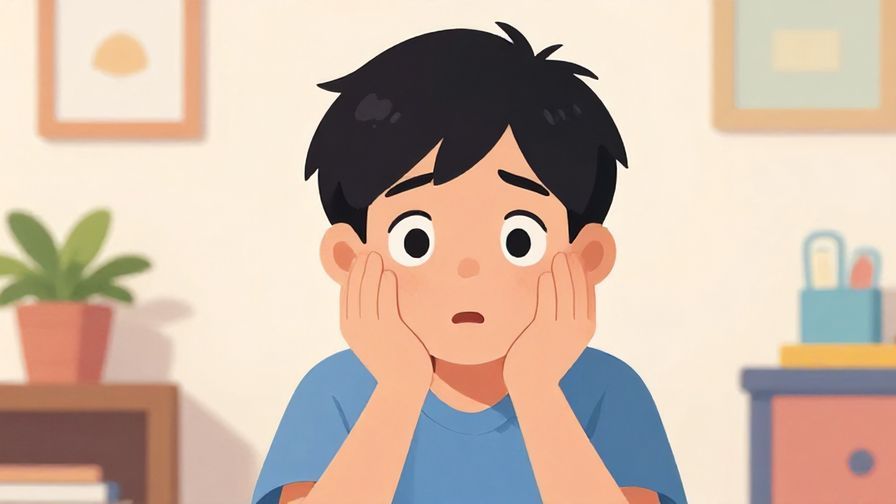
“ショック” (shokku) is borrowed from English “shock,” used in Japanese to mean emotional surprise or disappointment.
Adding “ちょっと” (chotto) softens it to “a little shocked.”
This phrase expresses a more emotional kind of disappointment, often mixed with surprise.
Great for moments when you didn’t expect something to be disappointing.
Be mindful it’s casual and best among friends or peers.
It’s a vivid way to share your feelings with impact.
6. 期待外れだね (Kitai hazure da ne) – “That’s really disappointing.”

This expression is similar to number 4 but adds “ね” (ne) at the end to invite agreement or empathy.
It’s a casual way to say something is truly disappointing and to share that feeling.
You can use it in conversations to connect emotionally with the listener.
It’s especially good when you want someone to understand your disappointment.
Try pairing it with a sincere tone for best effect.
Perfect for close friends and informal chats.
7. ガッカリだわ (Gakkari dawa) – “I’m really disappointed.”

Adding “だわ” (dawa) to “がっかり” adds a feminine, emotional emphasis to the feeling of disappointment.
It’s casual but shows a stronger emotional response.
Often used by women, it gives a gentle but clear expression of being really let down.
Use it in personal conversations or messages.
It’s a nice phrase to express vulnerability naturally.
Try practicing this to sound more native and relatable.
8. 期待してたのに (Kitai shiteta no ni) – “I was expecting more.”
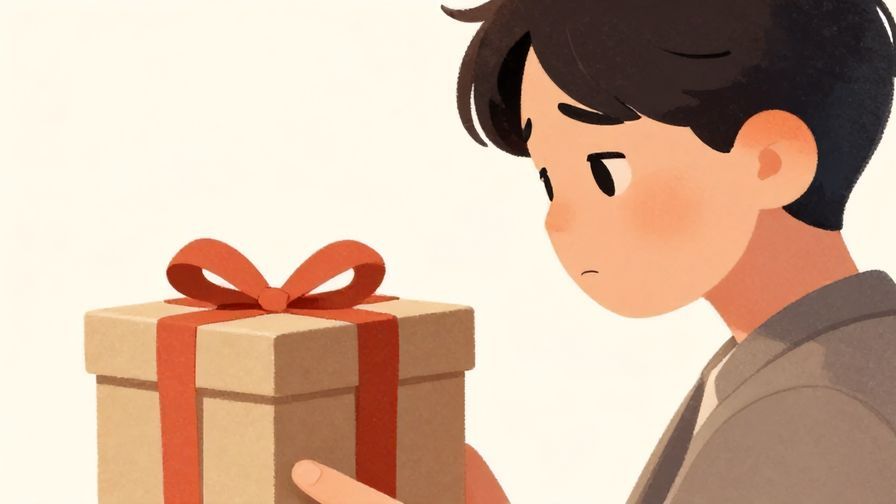
This phrase literally means “I was expecting, but…” and implies disappointment.
It’s a casual but heartfelt way to show you had hopes that were not met.
Great for conversations where you want to gently express your feelings without sounding harsh.
Use it to explain your disappointment with a soft tone.
It invites the listener to understand your perspective.
Practice it with real examples to get the nuance right.
Part 2: Polite & Formal Suggestions
9. 残念です (Zannen desu) – “I’m disappointed.” (polite)

This is the polite version of “残念” to express disappointment in formal settings.
“です” (desu) adds politeness, making it suitable for work or respectful conversations.
Use it to express regret or disappointment without sounding too emotional.
For example, after a meeting that didn’t meet expectations, you can say “残念です.”
It’s a safe and respectful choice for professional settings.
Practice saying it with a calm tone to sound sincere.
10. 期待外れでした (Kitai hazure deshita) – “It was disappointing.” (formal past)

This is a polite past tense expression meaning “It was disappointing.”
Useful for formal or written communication, like emails or reports.
It clearly expresses that expectations were not met, with respectful language.
Great for business or academic settings.
Try to use it when you want to maintain professionalism while being honest.
It’s a phrase that shows maturity and tact.
11. 期待に添えなくて申し訳ありません (Kitai ni soenakute moushiwake arimasen) – “I’m sorry I couldn’t meet your expectations.”

This is a very polite and formal way to apologize for disappointing someone.
“期待に添えなくて” means “unable to meet expectations,” and “申し訳ありません” is a humble apology.
Use this in serious situations where you need to express regret professionally.
It’s common in customer service, workplace apologies, or formal letters.
Practice this phrase to sound respectful and sincere.
It’s a bit long but powerful in the right context.
12. 残念ながら (Zannen nagara) – “Unfortunately…”

“残念ながら” is a polite phrase meaning “unfortunately,” often used before delivering disappointing news.
It’s a gentle way to soften the impact of what you’re about to say.
Useful in emails, announcements, or formal talks.
For example, “残念ながら、その商品は売り切れです” means “Unfortunately, that product is sold out.”
It’s a respectful phrase that prepares listeners for bad news.
Practice it as a polite opener in conversations.
13. 心苦しいですが (Kokorogurushii desu ga) – “I feel sorry (to say this), but…”

This phrase expresses a polite, empathetic feeling of regret before saying something disappointing.
It literally means “My heart hurts, but…”
Use it when you want to show that you care about the other person’s feelings.
Common in business or formal apologies.
Practice this to convey emotional depth respectfully.
It’s a great way to show you’re thoughtful even when delivering bad news.
14. 期待はずれで申し訳ありません (Kitai hazure de moushiwake arimasen) – “I apologize for the disappointment.”

This phrase combines apology with the idea of unmet expectations.
It’s very polite and appropriate for formal apologies.
Use it in emails, customer service, or serious conversations.
It shows responsibility and sincerity.
Try to pronounce it slowly to emphasize respect.
A useful phrase for serious situations where you caused disappointment.
15. 惜しいですね (Oshii desu ne) – “That’s a pity.”

“惜しい” (Oshii) means “close but no cigar” or “a shame.”
It’s polite but not too formal and used to express mild disappointment.
Great when someone almost succeeded or something nearly worked out.
For example, after a close game or a nearly perfect test.
Use it to encourage while acknowledging disappointment.
It’s a friendly and supportive phrase.
16. 惜しかったです (Oshikatta desu) – “It was a shame.” (polite past)

A polite past tense form of “惜しい,” used to reflect on a missed opportunity politely.
It’s perfect for formal conversations or feedback sessions.
Use it to acknowledge disappointment but keep the tone respectful.
It’s a phrase that balances kindness and honesty.
Practice it when giving constructive feedback.
It helps maintain good relationships even when things didn’t go perfectly.
Part 3: Very Casual / Native-like Expressions
17. ガッカリだよ (Gakkari da yo) – “I’m really disappointed.” (casual, emotional)

This is a casual and emotionally honest way to say you’re disappointed.
Adding “だよ” (da yo) gives it an emotional punch and a native feel.
Use it with close friends or family when you feel genuinely let down.
It’s not formal, so avoid using it in polite company.
Great for storytelling or expressing feelings online.
Try matching your tone with your feelings for authenticity.
18. まじでガッカリ (Maji de gakkari) – “Seriously disappointed.”

“まじで” (maji de) means “seriously” or “really.”
Combine it with “ガッカリ” to express strong disappointment in a casual, slangy way.
Popular among younger people and in informal conversations.
Use with friends who understand your tone.
It’s great for emphasizing how upset you are.
Be cautious with elders or formal settings.
19. しょんぼりだよ (Shonbori da yo) – “I’m feeling down (disappointed).”

“しょんぼり” (shonbori) is a cute onomatopoeic word meaning “downhearted” or “disappointed.”
Adding “だよ” makes it casual and expressive.
It’s less harsh and more about feeling blue than angry or upset.
Great for lighthearted or sympathetic conversations.
Use it to show you’re emotionally affected but not overwhelmed.
It’s a charming way to share your feelings.
20. 期待はずれすぎ (Kitai hazure sugi) – “Way too disappointing.”

“すぎ” (sugi) means “too much” or “excessively.”
Adding it to “期待はずれ” intensifies the disappointment.
Use it to express strong, casual frustration with unmet expectations.
Good among close friends or informal chats.
Be mindful it sounds a bit harsh.
Perfect when you want to vent honestly.
21. まったくがっかりだよ (Mattaku gakkari da yo) – “Totally disappointed.”

“まったく” (mattaku) means “completely” or “totally.”
When combined with “がっかり,” it’s a strong way to say you’re fully disappointed.
Use it casually to express deep frustration or sadness.
It’s a phrase you’ll hear often in native conversations.
Good for emphasizing your feelings clearly.
Try it in storytelling or emotional sharing.
22. がっかりしちゃった (Gakkari shichatta) – “I ended up disappointed.”

Adding “しちゃった” (shichatta) softens the phrase and adds a nuance of “it happened” or “ended up.”
It sounds natural and casual, like sharing a personal feeling.
Great for conversations where you want to sound sincere and relatable.
It’s less harsh and more reflective.
Try using it when telling stories about disappointment.
It’s a warm way to connect emotionally with others.
Concluding Thought
Learning to express disappointment in Japanese with these varied phrases lets you communicate your feelings more clearly and connect on a deeper level.
From casual chats with friends to formal apologies at work, there’s a perfect way to say “I’m disappointed” that fits your mood and situation.
Keep practicing these expressions, and soon you’ll feel confident sharing your true emotions in Japanese with warmth and authenticity.