22 Japanese ways to say “Surprise!”
Surprise! It’s one of those words that instantly grabs your attention, right? Whether it’s a birthday party, an unexpected gift, or just a delightful shock, expressing surprise feels universal.
But did you know that Japanese has many ways to say “Surprise!”? Each phrase carries its own vibe — from casual shock to polite astonishment. It’s a fun way to add flavor to your conversations!
In this article, we’ll explore 22 Japanese expressions to say “Surprise!” You’ll get pronunciation guides, simple explanations, and little tips to remember them easily.
If you love languages or are planning a trip to Japan, these phrases will definitely come in handy. Plus, learning different ways to express the same feeling is a great way to deepen your understanding.
From casual to formal, and even native-like expressions, we’ve got you covered. Ready to be surprised by how rich Japanese can be?
Let’s dive right in and discover these delightful expressions together!
Understanding Surprise in Japanese
In Japanese, surprise isn’t just one word — it’s a range of expressions depending on the situation and your relationship with the listener.
Some phrases are casual and fun, perfect for friends. Others are polite or formal, ideal for work or new acquaintances. Knowing when to use which will make your Japanese sound natural and warm.
Plus, many expressions come with cultural nuances that add charm to your conversations.

Sometimes, using a great Japanese phrasebook can give you a perfect starting point for a cohesive understanding.
It’s easier than you think to start recognizing and using these phrases naturally.
Let’s explore the first group: casual suggestions you can try right away!
Part 1: Casual Suggestions
1. びっくりした! (Bikkuri shita!) – “I was surprised!”
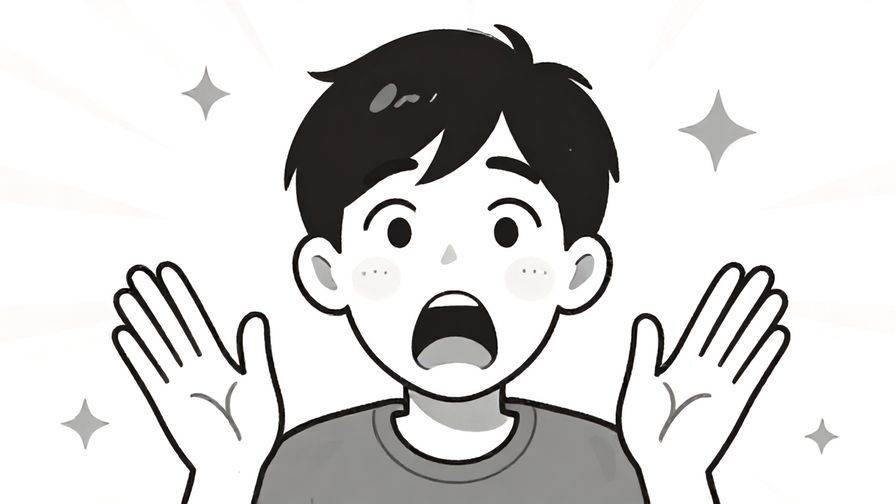
This is the most straightforward way to say “Surprised!” in Japanese.
“Bikkuri” means “surprise,” and “shita” is the past tense of “do,” so together it literally means “I was surprised.”
It’s casual and perfect for chatting with friends or family when something unexpected happens.
Just say it with a tone of genuine shock or amazement.
Related phrases include “びっくりしたよ!” (Bikkuri shita yo!) which adds a friendly emphasis.
Give it a try next time you want to express surprise naturally!
2. わあ! (Waa!) – “Wow!”

“Waa!” is a simple exclamation expressing surprise or delight — similar to “Wow!” in English.
It’s easy to remember because it’s short and sounds cheerful. Use it when you’re pleasantly surprised or impressed.
This is great for quick reactions and works well in casual settings.
Don’t overuse it in formal situations, though, as it’s quite informal.
For example, when seeing fireworks or a cute pet, “わあ!” fits perfectly.
It’s a fun and lively way to share your surprise instantly.
3. なんだって?! (Nandatte?!) – “What?!” (expressing shock)
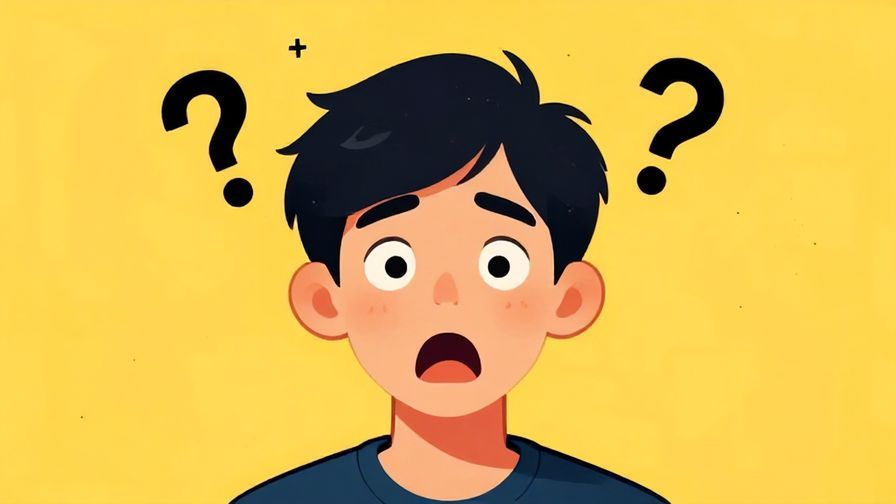
This phrase is an informal way to say “What?!” when you’re surprised or shocked by what you just heard.
“Nanda” means “what,” and “tte” is a casual emphasis particle that makes it more dramatic.
It’s perfect for conversations where you want to express disbelief or sudden astonishment.
Make sure to use it with friends or people you’re close to.
It’s often heard in anime or dramas, so it’s a fun phrase to learn if you’re a fan!
Try using it when you hear unexpected news to sound natural and expressive.
4. うそ! (Uso!) – “No way!” / “You’re kidding!”
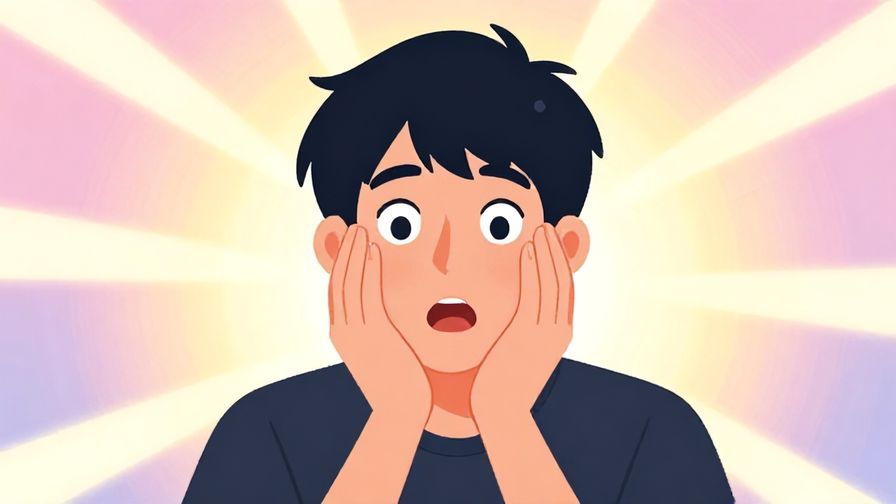
“Uso” means “lie,” but when exclaimed alone, it’s like saying “No way!” or “You’re kidding!”
It’s a very common casual way to express surprise or disbelief, often with a playful tone.
People use it when they can’t believe what they just heard or saw.
Be mindful not to say it to someone’s face in formal situations, as it could sound rude.
It’s great for casual chats and adds a fun edge to your reactions.
Try it when a friend tells you an unbelievable story!
5. マジで? (Maji de?) – “Seriously?” / “Really?”
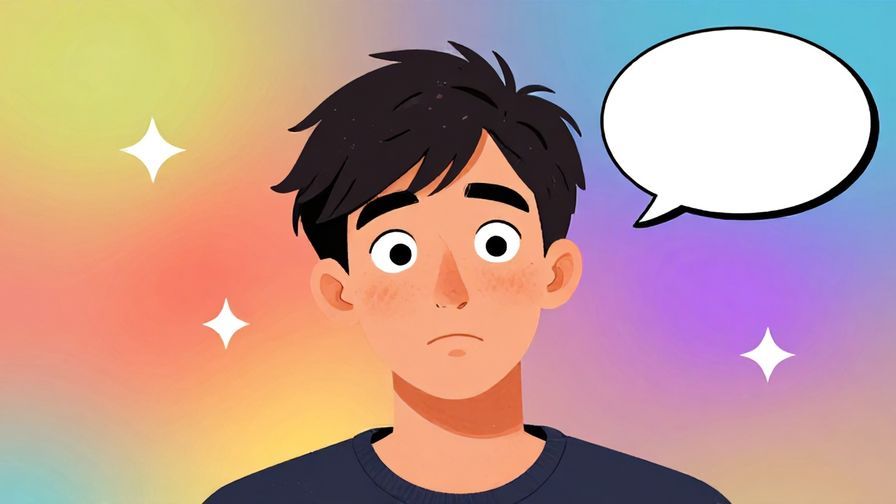
“Maji” means “serious” or “real,” so “Maji de?” literally asks “Seriously?” or “Really?”
It’s a casual and popular phrase among young people to express surprise or doubt.
It’s easy to remember because it’s short and sounds similar to English “magic” but means something different.
Use it when you want to confirm surprising news or facts.
It pairs well with a questioning tone and is often used in conversation.
Give it a try next time something catches you off guard!
6. びっくりだ! (Bikkuri da!) – “What a surprise!”

This phrase is similar to “Bikkuri shita,” but shorter and punchier.
“Da” is the casual form of “desu,” meaning “is,” so it translates to “It’s a surprise!”
Use it when you want to emphasize the surprise as a fact.
It’s casual and works great in informal settings.
Try it when someone unexpectedly shows up or when something amazing happens.
It’s a fun way to sound energetic and natural!
7. おっと! (Otto!) – “Oops!” / “Whoa!”
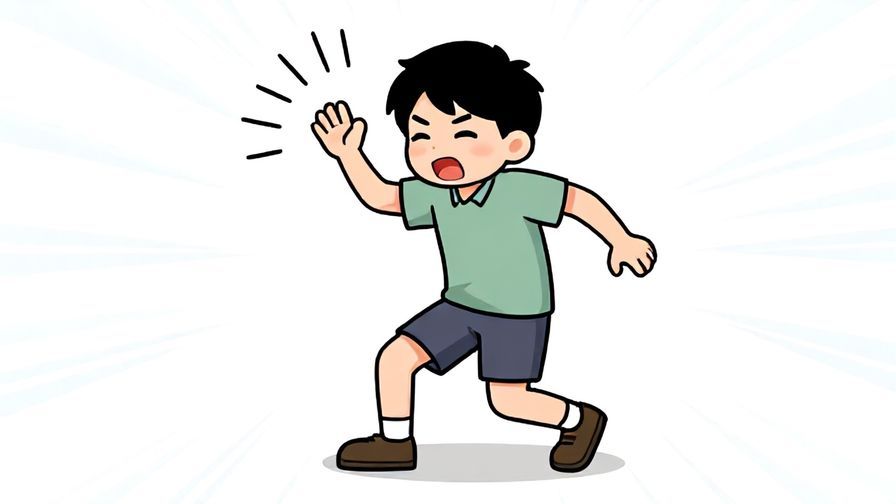
“Otto!” is often used when something surprising happens suddenly, like a small accident or unexpected moment.
It carries a slightly playful tone, like “Oops!” or “Whoa!” in English.
It’s casual and perfect for light surprises or minor shocks.
Use it when you almost bump into someone or drop something.
It’s a great expression to keep the mood light and fun.
Try it out in everyday situations for a natural feel!
8. えっ?! (Eh?!) – “Huh?!” / “What?!”

“Eh?!” is a short and sharp way to express surprise or confusion.
It’s like saying “Huh?!” when you didn’t quite catch what was said or you’re shocked.
It’s very casual and widely used in daily conversation.
Perfect for when you want to react quickly or show you’re taken aback.
Watch out not to use it in very formal settings, as it’s quite informal.
Next time you don’t believe your ears, “Eh?!” is your go-to!
Part 2: Polite & Formal Suggestions
9. 驚きました! (Odorokimashita!) – “I was surprised!” (polite)
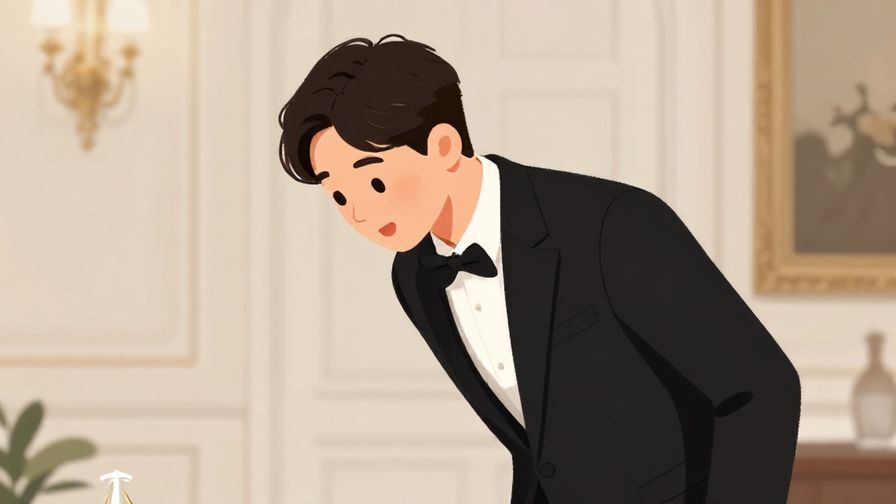
This is the polite, formal way to express surprise.
“Odoroku” means “to be surprised,” and “-mashita” is the polite past tense.
Use this in business settings or when speaking to strangers and elders.
It sounds respectful while conveying genuine surprise.
For example, when receiving unexpected good news at work, this phrase fits perfectly.
It’s a great phrase to know for polite conversations.
10. 本当に驚きました。 (Hontō ni odorokimashita.) – “I was truly surprised.”

Adding “本当に” (Hontō ni) means “truly” or “really,” which intensifies the surprise.
This polite phrase emphasizes your sincere reaction in a formal way.
It’s useful when you want to express heartfelt astonishment.
Use it in speeches or formal thank-you moments.
It’s a step up in politeness and emotion from just “Odorokimashita.”
Try using this when you want to sound warm and genuine.
11. びっくりいたしました。 (Bikkuri itashimashita.) – “I was surprised.” (very polite)

This is a very polite and humble form of “I was surprised.”
“Itashimashita” is a humble verb form, making this phrase ideal for formal business or ceremonial occasions.
It shows respect and modesty, important in Japanese culture.
Use this when you want to be very courteous.
It’s less common in casual speech but important in formal writing or speeches.
Keep it in your polite phrase toolkit for special moments.
12. 驚きましたね! (Odorokimashita ne!) – “That was surprising, wasn’t it?”

Adding “ね” (ne) at the end turns the phrase into a soft confirmation, like “right?”
This polite phrase invites agreement about the surprise.
It’s great for conversations where you share a surprising event.
It keeps things friendly and formal.
For example, after an unexpected announcement, you can say this to colleagues.
It’s a nice way to bond over shared surprise politely.
13. とても驚きました。 (Totemo odorokimashita.) – “I was very surprised.”

“Totemo” means “very,” making this phrase express strong surprise in a polite way.
It’s straightforward and easy to remember.
Use it when something truly amazes you, but you want to stay formal.
It’s also useful in written communication.
Perfect for thank you notes or emails expressing astonishment.
Try it to sound both polite and enthusiastic.
14. 驚きの声をあげる (Odoroki no koe o ageru) – “To raise a voice of surprise” (expression)

This phrase is more descriptive and means “to express surprise out loud.”
“Odoroki” is “surprise,” “koe” means “voice,” and “ageru” means “to raise.”
It’s useful in storytelling or formal writing.
It’s less common in everyday speech but great for vivid descriptions.
Use it when you want to describe how people react to something surprising.
A handy phrase for more advanced learners!
15. 驚異的ですね! (Kyōiteki desu ne!) – “That’s amazing!” (formal surprise)

“Kyōiteki” means “astonishing” or “amazing.”
This phrase expresses a positive surprise in a formal tone.
Use it when impressed by something extraordinary.
It’s polite and enthusiastic at the same time.
Great for complimenting work or achievements.
Add this to your formal praise vocabulary!
16. 思いがけないですね。 (Omoigakenai desu ne.) – “That’s unexpected.” (polite)

“Omoigakenai” means “unexpected.”
This polite phrase is a gentle way to express surprise without strong emotion.
It’s perfect in professional or formal situations when something comes as a surprise.
Use it to acknowledge unexpected news tactfully.
It shows you’re attentive and respectful.
Keep it handy for subtle surprise expressions.
Part 3: Very Casual / Native-like Expressions
17. まじかよ! (Majika yo!) – “No way!” / “Seriously?!” (casual, masculine)

This is a very casual and somewhat masculine way to express disbelief or surprise.
“Majika” is a slang variation of “Maji ka,” meaning “Really?!” or “No way!”
“Yo” adds emphasis and a bit of roughness.
Use it with close friends or in casual male speech.
It’s common in informal conversation and pop culture.
Try it to sound like a native speaker in relaxed settings!
18. うわっ! (Uwa!) – “Whoa!” / “Yikes!”

“Uwa!” is an exclamation for sudden surprise or shock.
It’s simple, short, and very casual.
Use it when something startles you or causes a quick reaction.
It’s great for storytelling or reacting to unexpected sights.
It pairs well with physical reactions like jumping or stepping back.
Use it often for lively, expressive speech.
19. びっくりぽん! (Bikkuri pon!) – “Surprise!” (playful, old-fashioned)

This is a playful and slightly old-fashioned way to say “Surprise!”
“Pon” is a cute sound effect often used in kids’ shows or cheerful speech.
It’s fun and lighthearted, perfect for joking around.
Not used in serious conversation but great to know for casual fun.
It’s a phrase that brings smiles and lightens the mood.
Try it with friends or kids for a cute surprise!
20. なんてこった! (Nante kotta!) – “What the heck!” / “Oh no!”

This phrase expresses surprise mixed with disbelief or frustration.
It’s casual but expressive, like “What the heck!”
Use it when something surprising is also a bit troubling.
It’s common in everyday conversations and media.
Great for showing a mix of emotions.
Use it to sound natural when reacting to bad surprises.
21. びっくりしたわ! (Bikkuri shita wa!) – “I was surprised!” (casual, feminine)
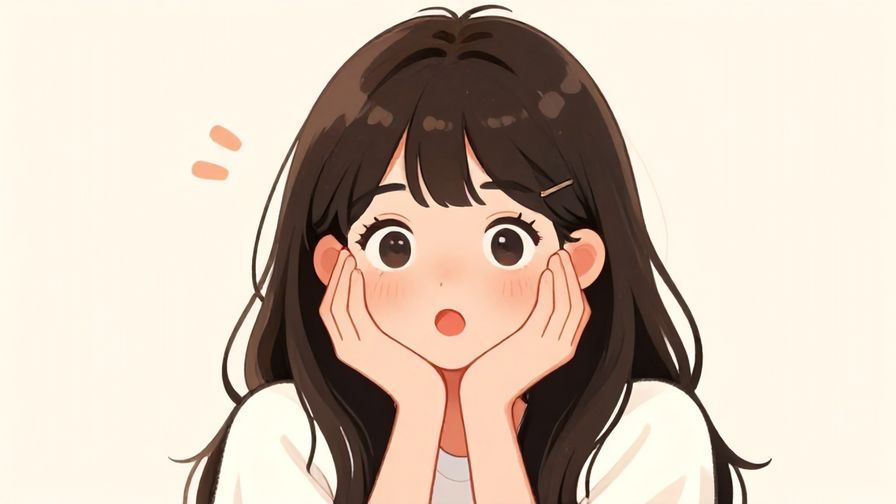
The particle “わ” (wa) adds a feminine and soft tone to “Bikkuri shita.”
It’s common among women in casual speech.
Use it to sound gentle and expressive.
Perfect for chatting with friends or family.
It adds personality and warmth to the simple surprise phrase.
Try it to sound more natural in female conversation.
22. まさか! (Masaka!) – “No way!” / “You don’t say!”
“Masaka” is a strong expression of disbelief or surprise, like “No way!”
It’s often used when something is hard to believe.
It’s casual but impactful and widely understood.
Perfect for dramatic or unexpected news.
Use it to emphasize your shock in everyday speech.
It’s a classic phrase to add to your surprise vocabulary!
Concluding Thought
Exploring these 22 ways to say “Surprise!” in Japanese shows just how rich and expressive the language is.
From casual exclamations to polite phrases, each one fits a special moment or relationship.
Keep practicing them, and you’ll not only sound more natural but also enjoy the joy of sharing surprise in a uniquely Japanese way. Surprise yourself by how much fun language learning can be!