22 Japanese ways to say “I’m just kidding”
When you want to lighten the mood or show you’re joking in Japanese, there are plenty of fun and casual ways to say “I’m just kidding.”
Whether you’re chatting with friends or trying to add some flavor to your daily conversations, these expressions will help you sound more natural and playful.
Some phrases are perfect for informal moments, while others work in polite or even formal situations.
In this article, you’ll find 22 Japanese ways to say “I’m just kidding,” complete with pronunciation guides and little tips to remember them easily.
By practicing these, you’ll not only avoid misunderstandings but also enjoy your interactions more.
Ready to add some fun twists to your Japanese? Let’s dive in!
Understanding Casual Playfulness in Japanese
Japanese humor is often subtle, and expressing “just kidding” usually involves playful phrases or lighthearted expressions.
These phrases help smooth over jokes or teasing remarks, showing you didn’t mean anything serious.
Try to notice the tone and context when these are used, as it’s all about timing.

Sometimes, a language humor book can deepen your understanding of cultural nuances behind these phrases.
Remember, the key is to keep things light and friendly.
Using these phrases correctly shows your growing language skills and cultural awareness.
Part 1: Casual Suggestions
1. 冗談だよ (Joudan da yo) – “Just kidding.”

This is one of the most straightforward ways to say “I’m just kidding.”
冗談 (joudan) means “joke,” and だよ (da yo) adds a casual, friendly tone like “you know.”
Use it after a teasing comment to clarify you’re not serious.
It’s a go-to phrase among friends and family.
You can also say 冗談だよね (joudan da yo ne) to soften the mood further.
Try saying it with a smile to keep things cheerful and lighthearted.
2. 嘘だよ (Uso da yo) – “That’s a lie (just kidding).”

嘘 (uso) means “lie,” and adding だよ makes it casual and friendly.
This phrase is often used jokingly when you say something unbelievable and want to clarify quickly.
It’s simple and effective to use in daily chats.
Be careful, though—used in the wrong tone it might sound harsh, so keep it playful.
Example: “I won the lottery! 嘘だよ!” meaning “I won the lottery! Just kidding!”
Great for quick clarifications when joking around.
3. 冗談だってば (Joudan datte ba) – “I’m telling you, just kidding!”

This phrase emphasizes the joking part by adding ってば (tte ba), which adds insistence and a playful tone.
It’s like saying, “I’m serious about joking!”
Great for making sure the other person knows you’re teasing.
It’s casual and often used among close friends or siblings.
Using だってば (datte ba) can make your speech sound more lively and fun.
Try it when your joke might be taken seriously but you want to keep it light.
4. 冗談だよね (Joudan da yo ne) – “Just kidding, right?”
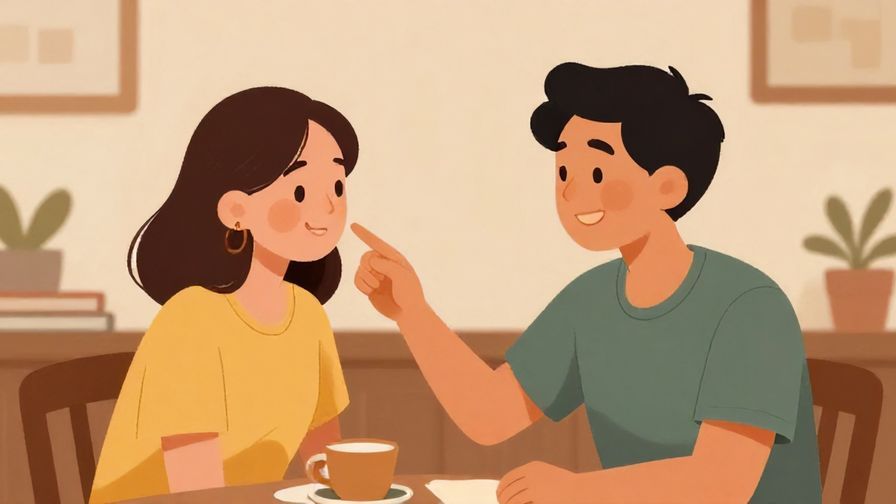
Adding ね (ne) at the end turns the phrase into a soft confirmation, like “right?”
This invites agreement and keeps the mood easygoing.
It’s perfect for friendly teasing and casual chats.
Be sure to use a light tone to avoid confusion.
Example: “That was a terrible idea, 冗談だよね?” meaning “That was a terrible idea, just kidding, right?”
Use it to invite laughs and soften your jokes.
5. 冗談だからね (Joudan dakara ne) – “Because it’s a joke.”
Here, だから (dakara) means “because,” and ね (ne) adds friendliness.
It’s a way to clarify your joke after saying something that might confuse others.
It sounds a bit more explanatory but still casual.
Use it when you want to be extra sure your joke is understood.
It can be helpful in conversations with someone new to your humor.
Try saying it with a playful tone and a smile.
6. 冗談でしょ (Joudan desho) – “You’re kidding, right?” / “Just kidding.”

でしょ (desho) adds a questioning or confirmatory tone, so this can mean “You’re joking, right?” or “I’m joking.”
This can be playful or slightly sarcastic depending on tone.
It’s great for light teasing or clarifying your joke.
Be mindful of your tone to avoid sounding too serious.
Example: “そんなこと言わないで、冗談でしょ!” meaning “Don’t say that, you’re just kidding!”
Use it to keep conversations lively and fun.
7. 冗談よ (Joudan yo) – “Just kidding.”

よ (yo) adds emphasis and friendliness to the simple “冗談” (joudan) joke.
This is a cute and short way to say “just kidding.”
It works well in informal situations.
Keep your voice light and cheerful to match the phrase.
It’s perfect for quick clarifications after teasing.
Try it to sound casual and approachable.
8. 冗談だってばさ (Joudan datte ba sa) – “Seriously, I’m just kidding!”

Adding さ (sa) at the end adds a masculine or rougher tone, often used by young men.
This phrase is more emphatic and playful.
Use it with friends or in casual male speech.
It’s a fun way to insist you’re joking when someone might take you seriously.
Remember, it’s informal and best suited for close relationships.
Use it to show playful persistence in your jokes.
Part 2: Polite & Formal Suggestions
9. 冗談です (Joudan desu) – “It’s a joke.” (polite)

This is a polite way to say “I’m just kidding.”
Using です (desu) adds formality suitable for work or new acquaintances.
It’s clear and respectful without being stiff.
Use it when you want to keep things light but professional.
Perfect for situations where humor is allowed but must remain polite.
Try this phrase in workplace banter or formal conversations.
10. 冗談ですよ (Joudan desu yo) – “I’m just kidding, you know.” (polite)

Adding よ (yo) to 冗談です adds friendliness and emphasis.
This phrase sounds polite but also warm and approachable.
It’s great when you want to keep humor but not lose respect.
Use it carefully to avoid misunderstandings in formal settings.
Good for lightening the mood during meetings or presentations.
Practice this to sound natural and courteous.
11. 冗談でございます (Joudan de gozaimasu) – “It’s a joke.” (very formal)
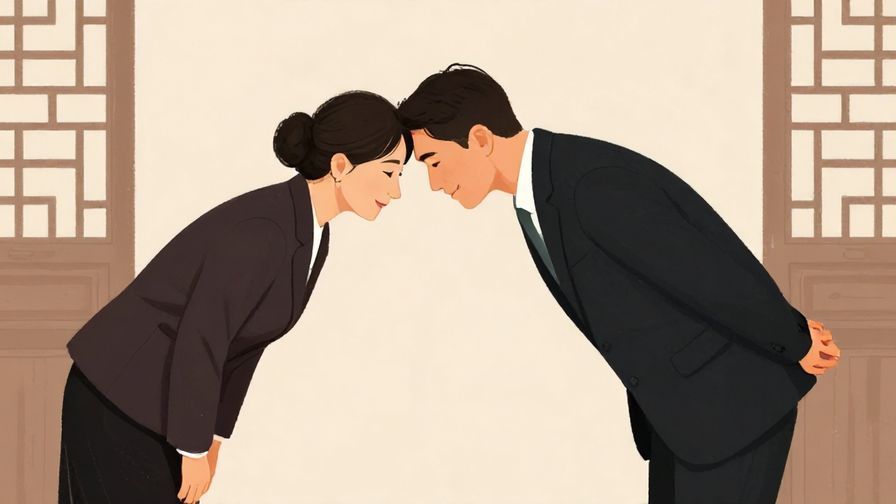
This is an extremely polite and formal version of “just kidding.”
Use でございます (de gozaimasu) when speaking with superiors or in formal events.
It keeps humor respectful and appropriate.
Rarely used in casual talk, mostly for formal public speaking.
Example: After a light joke in a formal meeting, you might clarify with this.
Great for mastering formal Japanese nuances.
12. 冗談でした (Joudan deshita) – “That was a joke.” (past polite)

This past tense polite form clarifies that what you said was a joke.
It’s useful when reflecting on something just said.
Perfect for polite situations when you want to avoid confusion.
Keep your tone warm to soften the formality.
Example: “さっきの話は冗談でした” meaning “What I said earlier was a joke.”
Try it to sound clear and considerate.
13. 冗談にしてください (Joudan ni shite kudasai) – “Please take it as a joke.”
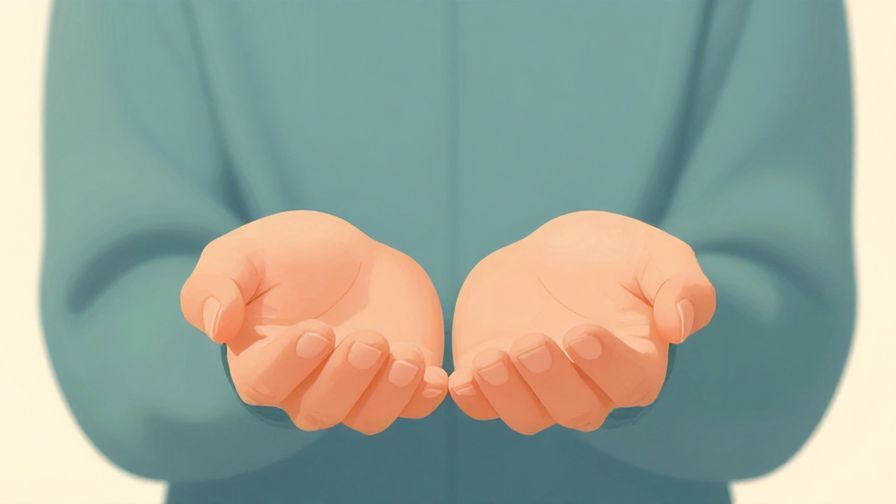
This phrase politely asks someone to treat your comment as a joke.
It’s useful if you think the other person might take offense.
Using ください (kudasai) makes it a respectful request.
Good for delicate situations in formal or semi-formal contexts.
Example: “これは冗談にしてください” meaning “Please take this as a joke.”
Use it to keep harmony and avoid misunderstandings.
14. 冗談ですから (Joudan desu kara) – “Because it’s a joke.” (polite)
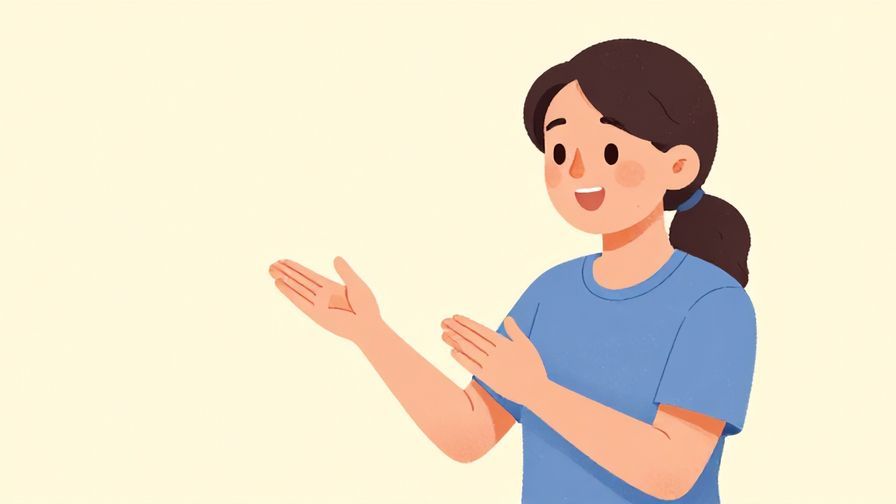
から (kara) means “because,” so this phrase explains your joke politely.
It clarifies your intention in a gentle way.
Great for conversations where misunderstanding might arise.
Use it to emphasize that your comment wasn’t serious.
Example: “そんなこと言ったのは冗談ですから” meaning “I said that because it was a joke.”
This phrase helps keep things polite and clear.
15. 冗談だとお思います (Joudan da to omoimasu) – “I think it’s a joke.” (formal, humble)

This is a humble and formal way to express that something is a joke.
It’s more indirect and polite, suitable for formal discussions.
Use it to sound respectful when clarifying humor.
Good for professional or serious environments.
Example: “それは冗談だとおもいます” meaning “I think that’s a joke.”
Useful for careful, polite communication.
16. 冗談に過ぎません (Joudan ni suginai) – “It’s nothing but a joke.” (formal)

This phrase means your comment is “nothing more than a joke.”
It’s formal and clarifies that no offense should be taken.
Use it in serious or official contexts.
It’s a good way to soften a potentially sensitive topic.
Example: “私の言ったことは冗談に過ぎません” meaning “What I said was nothing but a joke.”
Practice this to sound respectful and clear.
Part 3: Very Casual / Native-like Expressions
17. ウソウソ (Uso uso) – “Just kidding!” (very casual)

This is a cute, playful way to say “just kidding” by repeating 嘘 (uso).
It’s very informal and often used among close friends or younger people.
It’s like saying “No, no, just kidding!” in a fun way.
Use it to keep things light and humorous.
Be mindful—it’s not suitable for formal situations.
Perfect for casual chats and texting with friends.
18. からかってるだけだよ (Karakatteru dake da yo) – “I’m just teasing.”

からかう (karakau) means “to tease,” so this phrase explains you’re only teasing.
It’s casual and used often in playful conversations.
Adding だけだよ (dake da yo) means “just” or “only,” softening the statement.
Great for when you want to clarify a joke or light tease.
Example: “怒らないでよ、からかってるだけだよ” meaning “Don’t be mad, I’m just teasing.”
Use it to keep your teasing friendly and clear.
19. 冗談じゃん (Joudan jan) – “Just kidding!” (slangy)

じゃん (jan) is a slangy sentence ending used in casual speech.
It makes the phrase sound very relaxed and native-like.
Perfect among friends and informal settings.
Use this to sound natural and contemporary.
Be aware it’s too casual for formal or unfamiliar people.
Try it to add a youthful vibe to your jokes.
20. 冗談っすよ (Joudan ssu yo) – “Just kidding.” (very casual, masculine)

っす (ssu) is a very casual contraction of です (desu), often used by men.
This phrase sounds relaxed and friendly.
Use it among male friends or in casual male speech.
It’s less formal but perfectly clear.
Example: “そんなこと言ってないよ、冗談っすよ” meaning “I didn’t say that, just kidding.”
Good for informal and playful conversations.
21. 冗談だってばよ (Joudan dattebayo) – “I’m telling you, just kidding!” (playful, informal)

ばよ (bayo) adds a playful and emphatic tone, popular in manga and anime speech.
This phrase is fun, informal, and a bit dramatic.
Use it to sound playful and expressive.
Great for fans of Japanese pop culture or casual chats.
It’s not common in everyday speech but adds character.
Try it for a humorous, over-the-top effect.
22. 冗談だってばさ (Joudan datte basa) – “Seriously, I’m just kidding!” (very casual, masculine)

さ (sa) adds casual emphasis, often used by men for a laid-back tone.
This phrase is casual and playful.
Use it among close friends to stress your joking.
It’s informal and sounds masculine.
Example: “そんなこと言ってないよ、冗談だってばさ” meaning “I didn’t say that, seriously, I’m just kidding.”
Perfect for keeping humor light and relatable.
Concluding Thought
Exploring these 22 ways to say “I’m just kidding” in Japanese shows how rich and varied the language is when it comes to humor.
From polite forms to slang and playful expressions, you can choose the perfect phrase for any situation or relationship.
Keep practicing these phrases, and you’ll find your conversations becoming more natural, fun, and culturally tuned-in. Happy joking!