22 Japanese ways to say “Knock it off”
Sometimes, people just need a little nudge to stop what they’re doing—whether it’s playful teasing, annoying habits, or just plain mischief. In English, we often say “Knock it off” to get that message across quickly.
But how do you say “Knock it off” in Japanese? Luckily, there are plenty of ways to express this, ranging from casual and lighthearted to polite and formal.
In this list, we’ll explore 22 Japanese phrases and expressions that you can use to tell someone to cut it out, whether with friends, at work, or even with strangers.
Each phrase comes with a pronunciation guide and a little explanation, so you can sound natural and confident when you use them.
Learning these expressions not only helps you communicate better but also gives you insight into Japanese culture and social cues.
Ready to learn some fun and effective ways to say “Knock it off” in Japanese? Let’s jump in!
Understanding the Basics Before Diving In
Before we get into the actual phrases, it’s good to understand the tone and context in which “Knock it off” is used in Japanese.
Japanese language varies a lot depending on formality, relationship, and setting. Some phrases are playful, some are stern, and some are just polite ways to ask someone to stop.
Knowing the right phrase for the right situation is key to sounding natural and respectful.

For a helpful resource, check out this Japanese phrases guide for beginners to get started with practical expressions.
Once you grasp the basics, these 22 phrases will be much easier to remember and use.
Let’s start with some casual suggestions you can use with friends or peers.
Part 1: Casual Suggestions
1. やめて (Yamete) – “Stop it.”
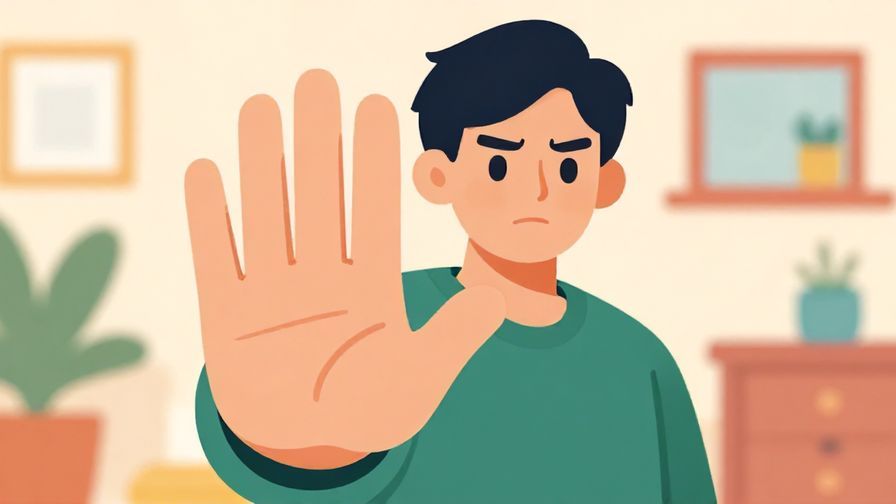
This is the simplest and most direct way to say “Stop it” or “Knock it off” in Japanese.
“やめて” (Yamete) comes from the verb やめる (yameru), meaning “to stop.” Just saying “Yamete!” is enough to tell someone to cut it out.
It’s friendly but can also be firm depending on tone, so be mindful of how you say it.
This phrase works great with friends or younger people.
If you want to be softer, add “ね” (ne) at the end: “やめてね” (Yamete ne) – “Please stop.”
Keep it short and clear when you want to be understood quickly!
2. いい加減にして (Ii kagen ni shite) – “Enough already.”
This phrase literally means “Do it properly/adequately,” but it’s used to tell someone to stop doing something annoying.
“いい加減にして” (Ii kagen ni shite) is pretty strong and often used when you’re fed up.
It’s common among close friends or family when someone’s behavior crosses the line.
Be careful not to sound too harsh if you want to keep things light.
You can soften it by adding “よ” (yo) at the end for emphasis: “いい加減にしてよ” (Ii kagen ni shite yo).
This phrase is great for when playful warnings don’t work anymore!
3. もうやめてよ (Mou yamete yo) – “Stop it already.”

This is a casual but slightly more emotional way to tell someone to stop.
“もう” (Mou) means “already” or “enough,” so “もうやめてよ” (Mou yamete yo) feels like “Hey, come on, just stop it!”
It’s softer than “いい加減にして” and often used among friends or siblings.
Adding “よ” (yo) at the end emphasizes your feeling or plea.
This phrase is easy to remember and natural to use in everyday situations.
Try saying it with a smile to keep the mood light!
4. うるさい!(Urusai!) – “Shut up!” / “Knock it off!”

“うるさい” (Urusai) literally means “noisy” or “loud,” but colloquially it’s used like “Shut up!” or “Knock it off!”
It’s a bit blunt and can sound rude if overused or said to strangers.
Best used with close friends who won’t take offense.
In playful scolding, it works well to stop someone’s chatter or teasing.
Be careful with tone—too harsh can hurt feelings.
For softer versions, combine with “よ” or say it with a smile.
5. いい加減にしなさい (Ii kagen ni shinasai) – “Cut it out!” (stronger)

This is a stronger and more commanding phrase, often used by parents or authority figures.
“しなさい” (shinasai) is the imperative form of “do,” so it means “Do ‘enough already’!”
It’s not casual, so avoid using it with friends unless you want to sound like you’re scolding.
Useful for serious situations when someone really needs to stop.
You’ll often hear it on TV or in family settings.
Use sparingly to avoid sounding too harsh.
6. やめろ (Yamero) – “Stop it!” (very direct)

“やめろ” (Yamero) is the imperative form of “stop,” very direct and forceful.
It’s like shouting “Knock it off!” and is often used in heated situations.
Not polite at all, so use with caution and only in emergencies or among close friends who understand your tone.
Good to know for understanding strong commands in dramas or action scenes.
Not recommended for casual use.
Use “やめて” (yamete) if you want softer impact.
7. さっさとやめて (Sassato yamete) – “Stop it quickly.”

“さっさと” (sassato) means “quickly” or “without delay.”
Adding it to “やめて” (yamete) makes the phrase stronger: “Stop it quickly!”
It’s a bit rude but can be used jokingly among friends.
Good for emphasizing urgency.
Use carefully to avoid sounding demanding.
Try it with a light tone for playful teasing.
8. いいかげんにしろよ (Ii kagen ni shiro yo) – “Cut it out already!” (tough)

This phrase is similar to “いい加減にして” but even tougher.
“しろ” (shiro) is the imperative form of “do.”
Adding “よ” (yo) makes it more forceful.
Best for when you’re really annoyed and want to sound serious.
Use only with people you’re close to or in informal settings.
Great for dramatic effect but can come off as harsh.
Part 2: Polite & Formal Suggestions
9. おやめください (O-yame kudasai) – “Please stop.” (formal)

This is a polite way to ask someone to stop.
“おやめください” (O-yame kudasai) combines the honorific “お,” the verb stem “やめ,” and “ください” (please).
Perfect for formal or work-related situations.
Shows respect while clearly asking for the action to cease.
Use in emails, meetings, or when you want to be very polite.
Great phrase to know for professional settings.
10. ご遠慮ください (Go-enryo kudasai) – “Please refrain (from doing that).”
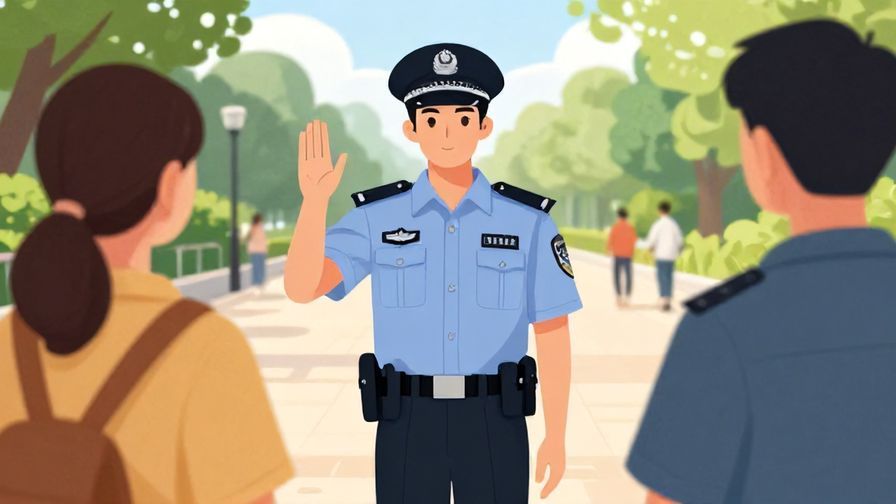
This phrase is very formal and polite.
“ご遠慮ください” (Go-enryo kudasai) means “Please refrain” or “Please avoid.”
Commonly used in signs, announcements, or polite requests.
Good for situations when you want to politely tell someone to stop a behavior without sounding harsh.
Use it in customer service or public settings.
It’s a great phrase for maintaining respect and courtesy.
11. お控えください (O-hikae kudasai) – “Please refrain from…”

Similar to “ご遠慮ください,” this phrase is used to politely ask someone to stop or refrain.
“控え” (hikae) means “refrain” or “hold back.”
Use it in formal notices or when you want to be very respectful.
It’s less common in daily speech but important in customer-facing roles.
Politeness is the main feature here.
Useful to learn for formal correspondence or polite conversations.
12. お静かにしてください (O-shizuka ni shite kudasai) – “Please be quiet.”

This phrase literally means “Please be quiet.”
“お静かに” (O-shizuka ni) is the polite way to say “quietly.”
Used in formal or polite situations when you want someone to stop making noise.
It’s a gentle and respectful way to ask for silence.
Common in libraries, hospitals, or meetings.
Good to remember for polite everyday requests.
13. ご遠慮願います (Go-enryo negaimasu) – “We kindly ask you to refrain.”

This is another formal phrase expressing a polite request to stop or refrain.
“願います” (negaimasu) means “we ask” or “please.”
Often seen in formal announcements or polite requests.
It’s respectful and shows consideration for the other person.
Good for customer service or formal events.
Using this phrase appropriately will impress with your politeness.
14. それはお控えください (Sore wa o-hikae kudasai) – “Please refrain from that.”

This phrase combines “それは” (that) with a polite request to stop or refrain.
It’s formal and often used in customer service or professional settings.
Good for pointing out specific behaviors that need to stop.
Sounds very polite and respectful.
Useful for clear communication without offending.
Practice this for formal emails or meetings.
15. もうおやめください (Mou o-yame kudasai) – “Please stop now.”

This is a polite way to firmly ask someone to stop immediately.
“もう” (mou) means “already” or “now,” combined with the polite phrase.
It’s suitable in formal situations where you want to sound serious but polite.
Good for supervisors or teachers addressing students or employees.
Keep the tone calm to avoid sounding too harsh.
Great phrase to know for polite but firm requests.
16. これ以上はご遠慮ください (Kore ijou wa go-enryo kudasai) – “Please refrain any further.”
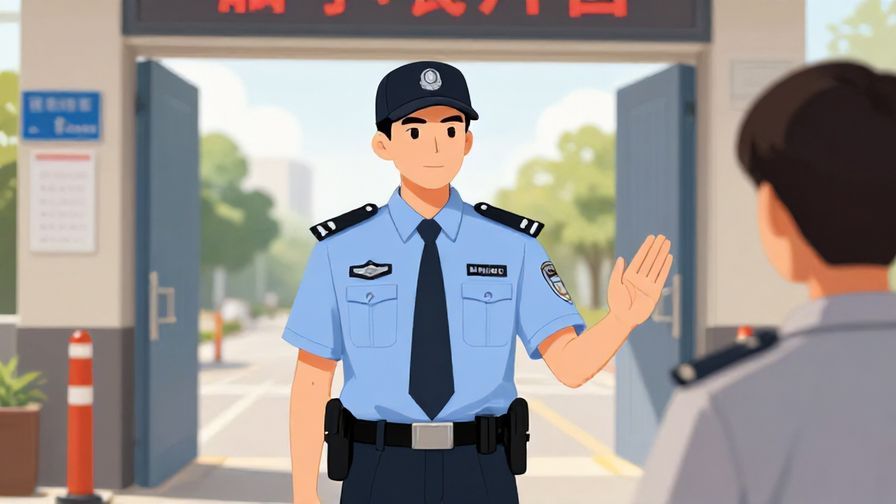
This phrase is used to politely say “Please stop any further action.”
“これ以上” (kore ijou) means “any more” or “beyond this.”
It’s formal and used in official contexts.
Shows respect while making a firm request.
Ideal for written warnings or formal announcements.
Perfect for professional communication.
Part 3: Very Casual / Native-like Expressions
17. いいかげんにしろ (Ii kagen ni shiro) – “Cut it out!” (rough)

This is a casual, rough expression mostly used by young people or in tough conversations.
It’s similar to “いい加減にして” but even more direct and commanding.
Use only with close friends who understand your tone.
It’s a common phrase in dramas or casual speech.
Not polite, so be careful with context.
Great to know for understanding everyday Japanese slang.
18. やめてくれよ (Yamete kure yo) – “Come on, stop it.”

This phrase adds “くれよ” (kure yo) to “やめて” to make it sound like a plea or request.
It’s casual and often used among friends.
Shows a bit of frustration but still friendly.
Great for making your request sound more natural.
Use in informal situations.
Good for sounding like a native speaker.
19. いいかげんにしとけ (Ii kagen ni shitoke) – “Cut it out, seriously.”

This phrase is a very casual, somewhat rough way to say “Knock it off.”
“しとけ” (shitoke) is a casual imperative form.
Used mostly by men or in informal, tough talk.
Not polite but common in native speech.
Good to know for understanding casual Japanese.
Use with caution due to rough tone.
20. もういいよ (Mou ii yo) – “That’s enough.”

This is a gentle, casual way to say “Knock it off” or “Enough.”
“もういいよ” literally means “It’s already good,” implying stop now.
Used among friends and family.
Soft and easy to use in everyday conversation.
Great for stopping playful teasing.
Try it with a smile for best effect.
21. やめてよね (Yamete yo ne) – “Stop it, okay?”

This is a casual and slightly pleading way to ask someone to stop.
Adding “よね” (yo ne) makes the phrase softer and more friendly.
Good for friends or close acquaintances.
Shows you want them to stop but without anger.
Useful for lighthearted situations.
Sounds natural and warm.
22. やめなよ (Yamena yo) – “Stop it, come on.”

“やめなよ” is a casual and friendly command to stop.
“なよ” (na yo) softens the command, making it less harsh.
Used among friends and peers.
Good for casual conversations when you want to sound caring.
It’s versatile and easy to remember.
Use it to keep things light but clear.
Concluding Thought
Learning how to say “Knock it off” in Japanese opens up many ways to express yourself depending on the situation and relationship.
From casual phrases like “やめて” to polite expressions like “おやめください,” you now have a versatile toolkit.
Practice these phrases naturally, and soon you’ll be able to nudge friends, family, or colleagues with just the right words and tone. Keep exploring and enjoying your Japanese learning journey!