22 Japanese ways to say “Don’t cry”
We all have moments when tears well up, and sometimes, a gentle word can make a world of difference. Japanese, with its beautiful nuances, offers many warm ways to say “Don’t cry.”
Whether you want to comfort a friend or simply learn new expressions, these phrases carry kindness and empathy in every syllable.
From casual to formal, and even native-like expressions, you’ll find a variety of ways to soothe someone’s heart in Japanese.
Learning these phrases not only helps you express care but also deepens your understanding of Japanese culture’s gentle approach to emotions.
Plus, knowing how to say “Don’t cry” in multiple ways can make your conversations feel more personal and heartfelt.
So, let’s dive into 22 beautiful ways to say “Don’t cry” in Japanese, perfect for any mood or occasion.
Comforting Words to Soothe Tears
Before we jump in, it’s good to know that tone and context matter a lot in Japanese. Some expressions are casual, perfect for close friends, while others fit polite or formal settings.
Choosing the right phrase can help your message sound even more heartfelt and genuine.
Here’s a little tip: pay attention to the feelings behind the words, and you’ll be able to comfort anyone with ease.

Sometimes, a great phrasebook focused on emotional expressions can help you get a feel for these kinds of comforting words.
With a little practice, you’ll find it easier to use these expressions naturally and warmly.
Remember, the goal is to bring a smile and ease the pain, not just to translate words directly.
Part 1: Casual Suggestions
1. 泣かないで (Nakanaide) – “Don’t cry.”
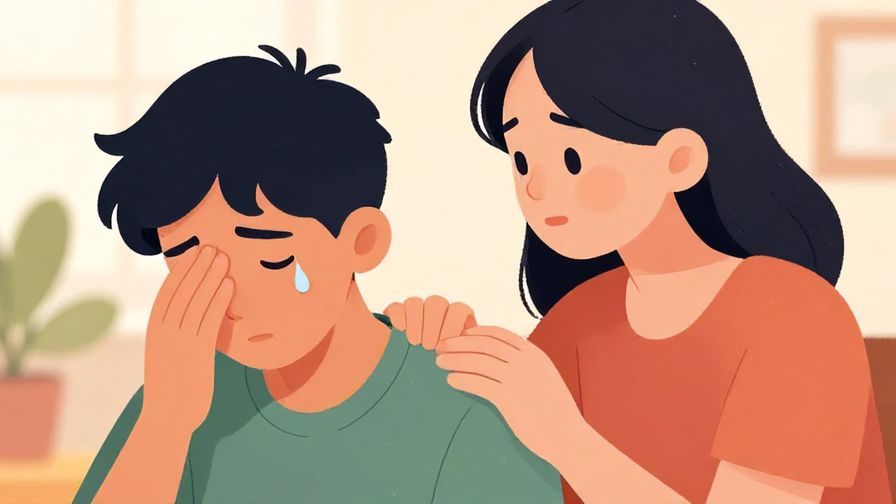
Probably the most straightforward and common way to say “Don’t cry.”
It’s made up of 泣く (naku) meaning “to cry” and ないで (naide), which is a negative imperative meaning “don’t.”
Use this when you want to gently tell someone to stop crying without sounding harsh.
It’s simple, direct, and very natural in casual settings.
If you want to sound even softer, you can add ね (ne) at the end, like 泣かないでね (nakanaide ne), which feels more caring.
Keep this phrase in your comfort toolkit—it’s a classic go-to.
2. 涙はだめだよ (Namida wa dame dayo) – “No tears, okay?”
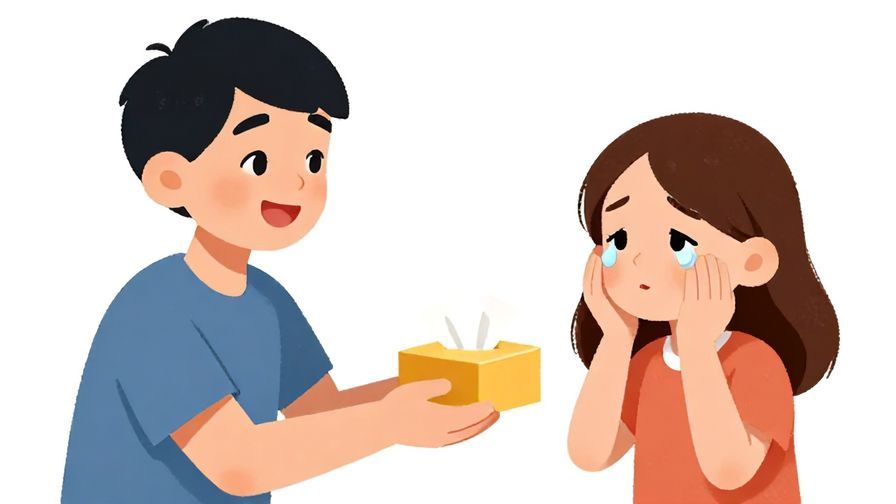
This phrase uses 涙 (namida) meaning “tears,” and だめ (dame), meaning “no good” or “don’t.”
The だよ (dayo) ending adds a friendly and gentle tone.
It’s a lighthearted way to say “Don’t cry,” often used by someone close to you.
It’s casual, so save it for friends or younger people.
Try pairing it with a smile or a comforting gesture to keep the mood light.
It’s a warm phrase that says, “Stay strong, but I’m here for you.”
3. 泣いちゃだめ (Naicha dame) – “You mustn’t cry.”
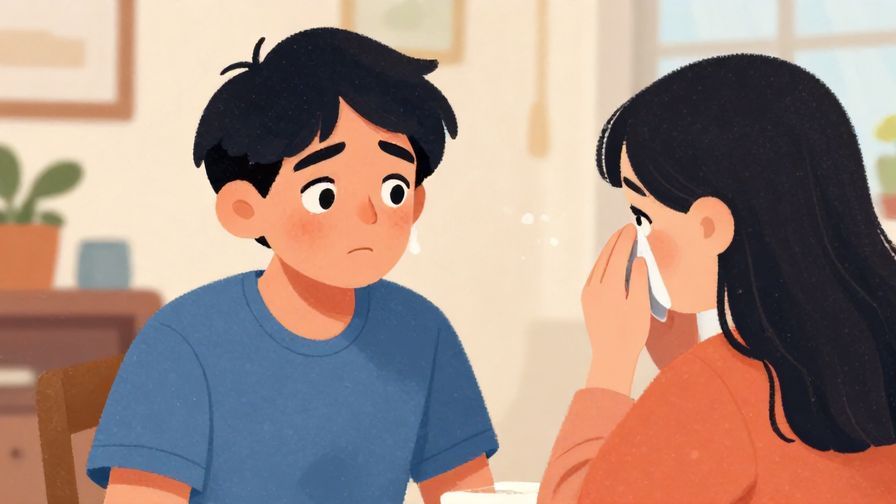
This phrase uses the casual contraction 泣いちゃ (naicha) from 泣いては (naite wa), plus だめ (dame), “don’t.”
It’s a bit more playful but still serious, often used by close friends or family.
The phrase feels more like a gentle scolding, but with love behind it.
It works well when you want to encourage someone not to cry but keep it lighthearted.
Remember, tone is everything here to avoid sounding too strict.
Great to use with kids or close friends when you want to be caring and firm.
4. 涙見せないで (Namida misenaide) – “Don’t show your tears.”

Here, 涙 (namida) means “tears,” 見せないで (misenaide) means “don’t show.”
This phrase is a tender request not to let others see your tears, often used to encourage emotional strength.
It’s a bit poetic and softer in tone than simply “don’t cry.”
Useful when comforting someone who is trying to be strong.
It shows empathy and admiration for their courage.
Perfect for deeper conversations or moments needing gentle reassurance.
5. 泣くのはもうやめて (Naku no wa mou yamete) – “Stop crying now.”

泣く (naku) means “to cry,” のは (no wa) turns the verb into a noun phrase, もう (mou) means “already” or “now,” and やめて (yamete) means “stop.”
It’s a direct but gentle way to ask someone to stop crying immediately.
Use this when you want to be clear but still caring.
It’s often used by close friends or family.
Adding ね (ne) at the end softens it more, e.g., 泣くのはもうやめてね.
Good to use when someone needs a bit of encouragement to move forward.
6. 大丈夫だよ、泣かなくていいよ (Daijoubu dayo, nakanakute ii yo) – “It’s okay, you don’t have to cry.”

This phrase combines 大丈夫 (daijoubu) meaning “okay” or “alright,” with 泣かなくていいよ (nakanaka te ii yo), meaning “you don’t have to cry.”
It’s very soothing, reassuring the person that it’s okay to feel however they do.
This expression validates feelings while offering comfort.
It’s perfect when you want to be gentle and understanding.
Use it in both casual and slightly more polite contexts.
It’s a lovely phrase to show empathy and support.
7. 涙はもういいよ (Namida wa mou ii yo) – “No more tears, okay?”

Here, 涙 (namida) means “tears,” もういいよ (mou ii yo) means “it’s enough now” or “no more.”
This phrase gently suggests that it’s time to stop crying.
It feels warm and reassuring rather than commanding.
Great to say when the crying has passed its worst and you want to encourage a fresh start.
Keep your tone soft to convey kindness.
It’s a natural, empathetic phrase for friends or family.
8. 泣くのはダメだよ (Naku no wa dame dayo) – “You mustn’t cry.”

Similar to #3 but a bit more formal in tone.
Uses the noun form 泣くのは (naku no wa) with だめだよ (dame dayo), meaning “don’t do that.”
It’s a gentle but firm way to discourage crying.
Commonly used by parents or older siblings.
It’s effective for encouraging resilience with care.
Use it when you want to be kind but set emotional boundaries.
Part 2: Polite & Formal Suggestions
9. 泣かないでください (Nakanaide kudasai) – “Please don’t cry.”

This is the polite form of 泣かないで (nakanaide), adding ください (kudasai) for “please.”
It’s appropriate in respectful or unfamiliar contexts.
Use it when comforting someone older or in a professional setting.
The phrase is gentle but clearly polite.
Perfect for showing empathy without being too casual.
Try this phrase when you want to be considerate and kind.
10. 涙を見せないでください (Namida o misenaide kudasai) – “Please don’t show your tears.”

This is the polite version of 涙見せないで (namida misenaide).
It’s good for formal occasions or when addressing someone you respect.
It encourages emotional strength politely.
Use this to show support in a refined manner.
Adding ください (kudasai) makes your request softer and more respectful.
A beautiful phrase for delicate situations.
11. 泣くのはよくありません (Naku no wa yoku arimasen) – “It’s not good to cry.”

This phrase is a polite, indirect way to discourage crying.
It uses よくありません (yoku arimasen), a formal negative meaning “not good.”
It’s suitable for formal or serious conversations.
Use it when you want to advise gently without sounding harsh.
It’s less of a command and more of a suggestion.
Great for professional or elder relationships.
12. 泣かないようにしてください (Nakana i you ni shite kudasai) – “Please try not to cry.”

This is a polite way to ask someone to avoid crying.
It uses the ~ようにする (you ni suru) construction, meaning “try to do.”
It’s respectful and supportive.
Use this phrase to encourage emotional control kindly.
Adding ください (kudasai) makes it a polite request.
Perfect for situations where you want to be gentle but clear.
13. 泣かないでほしいです (Nakanaide hoshii desu) – “I want you not to cry.”
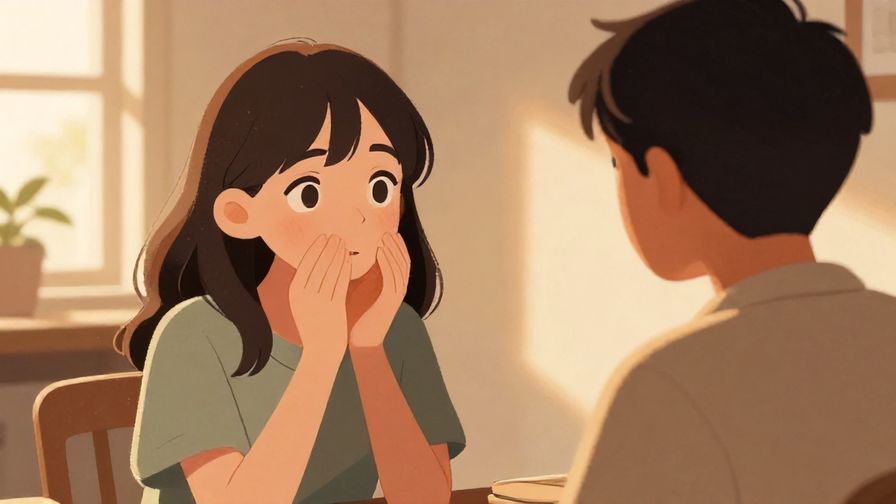
This phrase expresses your wish for someone not to cry.
ほしい (hoshii) means “want,” and です (desu) adds politeness.
It’s a gentle, heartfelt request.
Use it to express your care with respectful tone.
Great for close but polite relationships.
This phrase shows your feelings while being considerate.
14. 涙をこらえてください (Namida o koraete kudasai) – “Please hold back your tears.”

こらえる (koraeru) means “to hold back” or “restrain.”
This phrase politely asks someone to hold back tears.
It’s formal and empathetic.
Use this when you want to comfort and encourage composure.
Adding ください (kudasai) makes it polite and gentle.
It’s a graceful way to offer emotional support.
15. 泣くのは控えてください (Naku no wa hikaete kudasai) – “Please refrain from crying.”

控える (hikaeru) means “to refrain” or “hold back.”
This is a polite and somewhat formal way to ask someone not to cry.
It’s suitable for serious or professional contexts.
Use it when you need to be respectful and clear.
Adding ください (kudasai) keeps it gentle.
This phrase balances respect with emotional sensitivity.
16. 涙は必要ありません (Namida wa hitsuyou arimasen) – “Tears aren’t necessary.”

必要ありません (hitsuyou arimasen) means “not necessary.”
This phrase gently says crying isn’t needed.
It’s polite and somewhat formal.
Use this to gently reassure someone to feel better.
It’s a comforting phrase for delicate moments.
Great for supportive conversations in polite settings.
Part 3: Very Casual / Native-like Expressions
17. 泣くなよ (Nakuna yo) – “Don’t cry, okay?”

This is a tough but affectionate way to say “Don’t cry.”
泣くな (nakuna) is a strong negative command, and よ (yo) softens it.
Used mostly by guys or close friends.
It sounds very native and informal.
Use it only with people you’re close to and who understand your tone.
It’s like saying, “Come on, don’t cry now!” with warmth.
18. 泣くんじゃねぇ (Nakunjanee) – “No crying!” (rough)

This is a very casual, rough version of “Don’t cry.”
泣くんじゃねぇ (nakunjanee) is slangy and masculine.
It’s often used among close male friends or in casual male speech.
Be careful with tone—it can sound harsh if misused.
It’s a very “native” way to say it but not polite at all.
Use it only in very casual, friendly situations.
19. 泣くなってば (Nakuna tte ba) – “I said don’t cry!”
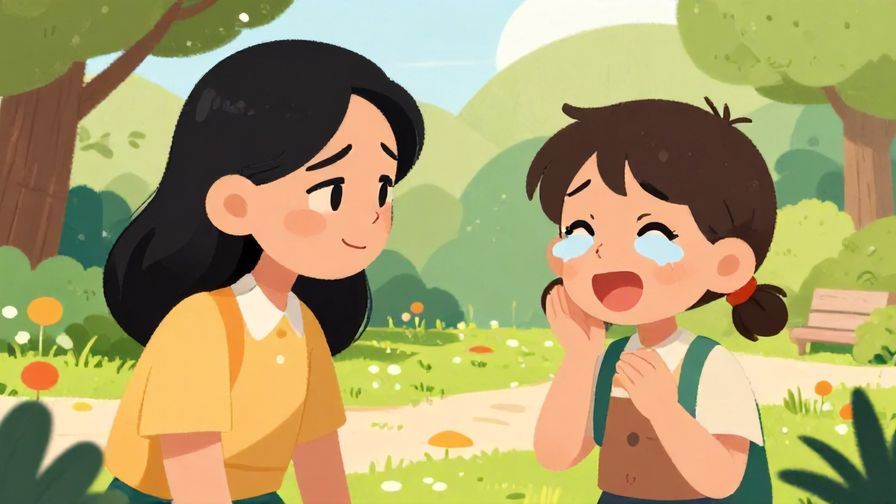
Here, ってば (tte ba) adds an emphatic, slightly playful tone.
It’s casual and often used to tease someone gently.
Great for close relationships where teasing is normal.
The phrase feels like a friendly reminder not to cry.
It adds personality and warmth to the usual “don’t cry.”
Perfect for lightening the mood.
20. 泣くなよ、強くなれ (Nakuna yo, tsuyoku nare) – “Don’t cry, be strong.”

This phrase combines “don’t cry” with “be strong.”
強くなれ (tsuyoku nare) is a command form meaning “be strong.”
It’s very encouraging and emotional.
Use it when you want to cheer someone on.
It’s casual but powerful and heartfelt.
Great for moments when you want to inspire resilience.
21. 泣くなってばよ (Nakuna tte bayo) – “I’m telling you, don’t cry!”
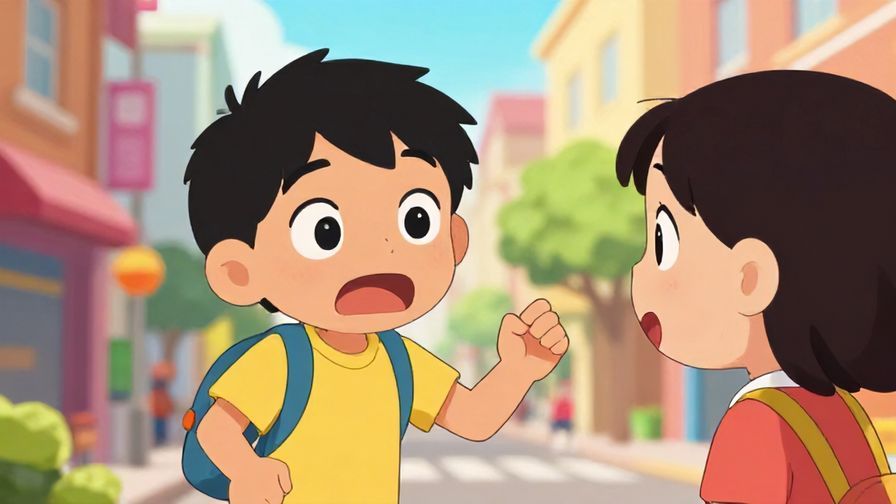
This adds ばよ (bayo), a playful and emphatic sentence ending.
It’s very casual and expressive.
Often heard in anime or among young people.
Use it to sound energetic and fun while comforting.
It’s an informal way to grab attention kindly.
Great for friends who enjoy playful banter.
22. 泣くなってばさ (Nakuna tte basa) – “Come on, don’t cry!”
Similar to #21, but ばさ (basa) adds a softer, friendly nuance.
It’s casual and affectionate.
Perfect for comforting close friends.
The phrase feels natural and easy-going.
Use it to gently encourage someone to stop crying with warmth.
It’s an endearing way to show you care.
Concluding Thought
Exploring these 22 Japanese phrases for “Don’t cry” shows how rich and nuanced comfort can be in language.
From gentle requests to playful commands, each expression carries a unique shade of empathy and care.
Next time someone needs a kind word, you’ll have just the right phrase to offer warmth and support in a truly heartfelt way.