22 Japanese ways to say “I believe in you”
Believing in someone is one of the warmest things you can say.
In Japanese, there are many heartfelt ways to express “I believe in you,” each carrying its own nuance and feeling.
Whether you’re cheering on a friend, encouraging a partner, or motivating a colleague, these phrases will help you share your support in a genuine way.
Learning these expressions not only boosts your Japanese skills but also deepens your cultural understanding.
Plus, using them can bring a smile to someone’s face and strengthen your connection.
Ready to explore 22 beautiful ways to say “I believe in you” in Japanese? Let’s dive in!
Understanding the Heart Behind “I Believe in You”
Before we jump into the list, it’s good to know that “believe” in Japanese can be expressed in different ways depending on mood, formality, and closeness.
Some phrases are casual and friendly, others polite or deeply emotional.
Picking the right phrase helps your encouragement feel natural and sincere.

Sometimes, using a great beginner phrasebook can give you a perfect starting point for a cohesive understanding.
When you express belief in someone, you offer them a kind of emotional safety net.
That’s a beautiful thing to know how to say in any language.
Part 1: Casual Suggestions
1. 信じてるよ (Shinjiteru yo) – “I believe in you.”

This is the most straightforward and casual way to say “I believe in you.”
信じてる (Shinjiteru) is the informal present continuous of 信じる (shinjiru), meaning “to believe,” and よ (yo) adds emphasis or warmth.
It’s perfect for close friends or family.
Say it with a smile to encourage someone naturally.
Related phrase: 信じてるからね (Shinjiteru kara ne) adds a gentle “because I believe.”
Using this phrase often can help deepen your bonds with those you care about.
2. 頑張ってね、信じてるから (Ganbatte ne, shinjiteru kara) – “Do your best, because I believe in you.”

This phrase combines encouragement and belief.
頑張ってね (Ganbatte ne) means “Do your best” or “Good luck,” while 信じてるから (Shinjiteru kara) means “because I believe (in you).”
It’s a warm way to cheer someone on during challenges.
Perfect for friends facing exams, sports, or work hurdles.
Just remember to use the casual form with people you’re close to.
Practice it by saying it aloud before important events to build confidence for your friend.
3. 大丈夫、君ならできるよ (Daijoubu, kimi nara dekiru yo) – “It’s okay, you can do it.”

This phrase translates to “It’s okay, you can do it,” indirectly expressing belief.
大丈夫 (Daijoubu) means “It’s okay,” 君なら (Kimi nara) means “if it’s you,” and できるよ (Dekiru yo) means “you can do it.”
It’s casual and very encouraging.
Great for calming nerves before a big moment.
Using 君 (kimi) suggests closeness and warmth.
Try pairing this phrase with a confident smile to boost morale.
4. 君のことを信じてる (Kimi no koto o shinjiteru) – “I believe in you (yourself).”

This phrase is a bit more explicit with the object of belief.
君のこと (Kimi no koto) means “about you,” emphasizing the person, and 信じてる (shinjiteru) means “I believe.”
It’s casual but deeply sincere.
Use it when you want to express trust in someone’s character or choices.
It’s a great phrase for close friends or partners.
Remember, the “のこと” part makes it feel more personal and focused.
5. できるよ、信じてるから (Dekiru yo, shinjiteru kara) – “You can do it, because I believe in you.”

This one’s a simple, upbeat way to say you believe someone’s abilities.
できるよ (Dekiru yo) means “You can do it,” and 信じてるから adds “because I believe in you.”
It’s great for boosting confidence right before a task.
It’s casual, so use it with friends or younger people.
Try to say it with enthusiasm to make the encouragement shine.
Practice it in daily conversation to make it feel natural.
6. 応援してるよ (Ouen shiteru yo) – “I’m cheering for you.”

Though it literally means “I’m cheering for you,” this phrase carries the feeling of belief and support.
応援 (Ouen) means “support” or “cheering,” and してるよ (shiteru yo) is casual “doing it.”
Use this to show you’re behind someone 100%.
It’s informal but very effective for friends or teammates.
Avoid using it in overly formal situations.
It’s a great phrase to shout out during events or challenges.
7. 君なら大丈夫 (Kimi nara daijoubu) – “If it’s you, it’ll be okay.”

This phrase expresses deep confidence in someone’s capability.
君なら (Kimi nara) means “if it’s you,” and 大丈夫 (Daijoubu) means “it’ll be okay.”
It’s casual and heartfelt.
It’s especially good when someone doubts themselves.
Use it with close friends or family for a warm, reassuring tone.
It’s a phrase that brings comfort and belief together.
8. 頑張って、信じてるよ (Ganbatte, shinjiteru yo) – “Do your best, I believe in you.”

A slightly shorter, punchy phrase combining encouragement and belief.
頑張って (Ganbatte) means “Do your best,” and 信じてるよ completes the supportive message.
Easy to say in casual chats.
Use it to lift spirits before anything challenging.
It’s a phrase that feels upbeat and genuine.
Practice it with friends to build fluency and warmth.
Part 2: Polite & Formal Suggestions
9. 信じています (Shinjite imasu) – “I believe (in you)” (polite)

This is the polite present continuous form of 信じる (shinjiru), perfect for formal or respectful contexts.
Use it with coworkers, acquaintances, or in polite conversation.
It simply and clearly states your belief.
It’s best paired with a calm, sincere tone.
You might say it during meetings or formal encouragements.
Practice this phrase to sound respectful while still expressing warmth.
10. あなたのことを信じています (Anata no koto o shinjite imasu) – “I believe in you.” (formal)
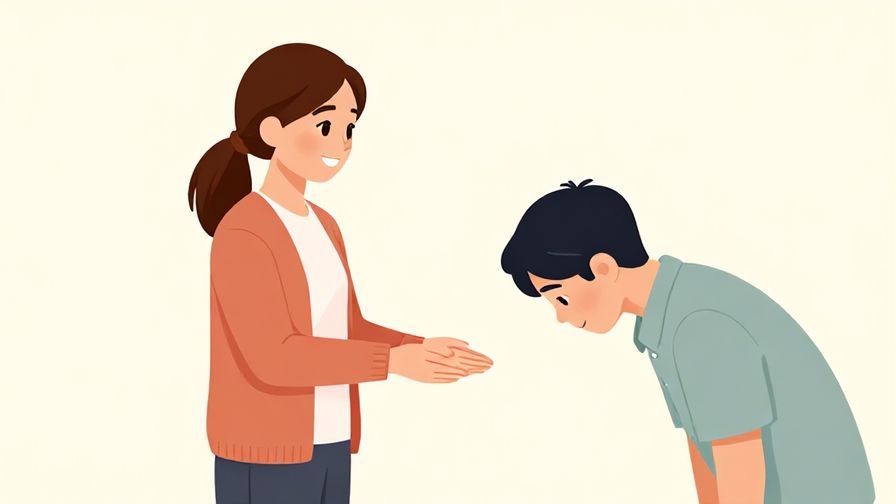
This is a polite and direct way to say “I believe in you,” emphasizing the person.
あなた (Anata) means “you,” のこと (no koto) personalizes it, and 信じています is polite “believe.”
Use this with people you want to show respect and support to.
It’s great in formal settings or with people you don’t know closely.
Be careful with あなた, as it’s polite but can feel distant if overused.
Try it in formal encouragement emails or speeches.
11. 応援しています (Ouen shite imasu) – “I am cheering for you” (formal)

This is the polite form of cheering or supporting someone.
It’s good for formal situations where you want to show encouragement respectfully.
Use it in letters, emails, or speeches.
It’s a gentle way to express belief without being too casual.
Perfect for coworkers or acquaintances facing challenges.
Practice delivering it with a soft, supportive tone.
12. 頑張ってください、信じています (Ganbatte kudasai, shinjite imasu) – “Please do your best, I believe in you.”

This phrase combines formal encouragement and belief.
頑張ってください means “please do your best,” making it polite and respectful.
信じています adds “I believe in you” formally.
Great for bosses, teachers, or mentors to say.
Use this phrase to motivate someone respectfully and warmly.
Practice it in professional settings to sound supportive yet courteous.
13. あなたの努力を信じています (Anata no doryoku o shinjite imasu) – “I believe in your effort.”

This phrase shows belief in someone’s hard work specifically.
努力 (Doryoku) means “effort,” so it highlights trust in their dedication.
It’s formal and very encouraging.
Use it when praising persistence or determination.
It’s a thoughtful way to say “I believe in you” beyond just words.
Try it in appreciation notes or formal recognition.
14. 貴方の可能性を信じています (Anata no kanousei o shinjite imasu) – “I believe in your potential.”

This phrase expresses belief in someone’s future possibilities.
可能性 (Kanousei) means “potential,” so it’s very motivating.
It’s formal and ideal for mentors or leaders.
Use it to inspire confidence about what could be.
It’s a beautiful phrase to encourage growth and dreams.
Practice it in speeches or evaluations.
15. 必ず成功すると信じています (Kanarazu seikou suru to shinjite imasu) – “I firmly believe you will succeed.”

This phrase expresses strong, unwavering belief in success.
必ず (Kanarazu) means “certainly,” 成功 (Seikou) means “success,” and 信じています is polite “I believe.”
It’s highly encouraging and formal.
Use it in motivational talks or letters.
It’s a great phrase to boost morale with confidence.
Practice saying it with conviction.
16. 期待しています (Kitai shite imasu) – “I have expectations (I believe in you).”

期待 (Kitai) means “expectation,” and this polite phrase subtly expresses belief.
It’s often used to show you trust someone will do well.
Great for formal or semi-formal contexts.
Use it carefully to avoid pressure, just gentle belief.
It’s a nice way to express faith in potential.
Try it in professional encouragement or team settings.
Part 3: Very Casual / Native-like Expressions
17. まかせて (Makase te) – “Leave it to me (I trust you too).”

Though this literally means “Leave it to me,” it implies mutual trust and belief.
Used casually among friends or coworkers.
It shows confidence both ways, “I believe in you, and you can rely on me.”
Perfect for casual, native-like conversations.
Practice using it when offering support or teamwork.
It’s a fun way to build trust naturally.
18. 任せたよ (Makase ta yo) – “I’m counting on you.”

This is a casual phrase expressing trust and belief that someone will handle something well.
It’s informal and friendly, great among peers.
Use it when you want to show confidence in someone’s abilities.
It carries warmth and responsibility.
Try it in group projects or casual leadership moments.
Saying it with a smile helps it feel encouraging, not pressuring.
19. あんたならできるよ (Anta nara dekiru yo) – “You can do it.”

あんた (Anta) is a very casual or even rough way to say “you,” so use it only with close friends.
ならできるよ means “you can do it.”
It’s a very native, informal encouragement.
Perfect for peers or younger people.
Watch the tone so it sounds supportive, not rude.
Practice it in casual chats or with friends who appreciate directness.
20. 絶対大丈夫だよ (Zettai daijoubu da yo) – “Absolutely, it’ll be okay.”

絶対 (Zettai) means “absolutely” or “definitely,” making this phrase strong and reassuring.
It’s very casual and encouraging.
Use it to boost someone’s confidence before tough moments.
It implies strong belief in the person.
Say it warmly to make it heartfelt.
Try it when your friend is nervous or doubtful.
21. お前ならできる (Omae nara dekiru) – “You can do it (very casual).”

お前 (Omae) is a very casual or masculine “you,” so it’s best with close male friends or siblings.
ならできる means “you can do it.”
It’s direct, informal, and very native-like.
Use it only when you’re sure it won’t offend.
It carries both belief and affection.
Practice it in casual conversations for natural flow.
22. 自信持って (Jishin motte) – “Have confidence.”

This phrase means “Have confidence,” a simple way to tell someone you believe in them.
自信 (Jishin) means “confidence,” and 持って (motte) is the imperative form of “hold” or “have.”
It’s casual but very encouraging.
Use it to remind someone to trust themselves.
It’s a great phrase for everyday motivation.
Say it with a cheerful tone to lift spirits instantly.
Concluding Thought
Expressing belief in someone is a beautiful gift, and Japanese offers many ways to share it warmly and authentically.
From casual to formal, each phrase carries a unique feeling that can deepen your connections and brighten someone’s day.
So next time you want to say “I believe in you,” you’ll have just the right words to make it truly special.