22 Japanese ways to say “Everything will be okay”
Life can throw us curveballs, but sometimes all we need is a little reassurance. Luckily, Japanese has so many warm ways to say “Everything will be okay.”
Whether you want to comfort a friend, encourage yourself, or just appreciate the beauty of the language, these phrases are perfect for spreading calm and hope.
Each expression carries its own unique feeling—from casual to formal, and even some native-like twists that sound just like a kind smile in words.
In this listicle, we’ll explore 22 ways to say “Everything will be okay” in Japanese, with pronunciation guides and easy explanations to help you remember and use them.
Learning these phrases can be a lovely way to connect with Japanese culture and offer genuine comfort in times of uncertainty.
Ready to feel the warmth and reassurance? Let’s dive in!
Finding Comfort in Words
Japanese expressions for “Everything will be okay” often blend hope, support, and gentle encouragement.
These phrases can vary from everyday casual talks to more formal or poetic ways of giving reassurance. It’s a beautiful way to show you care.
Let’s start with some easy, friendly phrases you can use anytime.

Sometimes, using a great beginner phrasebook can give you a perfect starting point for a cohesive understanding.
Simple phrases are often the most heartfelt, and they help build your confidence in speaking Japanese with warmth.
Let’s explore the first group of casual suggestions!
Part 1: Casual Suggestions
1. 大丈夫だよ (Daijoubu da yo) – “It’s okay!”

This is the most common way to say “It’s okay” or “Everything will be fine.”
大丈夫 (Daijoubu / die-joh-boo) means “okay” or “all right,” and adding だよ (da yo) softens it, making it friendly and reassuring.
It’s simple and perfect for everyday use when someone feels worried.
Just say it with a smile to instantly comfort someone.
Related phrases include 大丈夫? (Daijoubu?) which is a casual “Are you okay?”
Using this phrase often helps keep things light while still showing support.
2. 心配しないで (Shinpai shinaide) – “Don’t worry.”
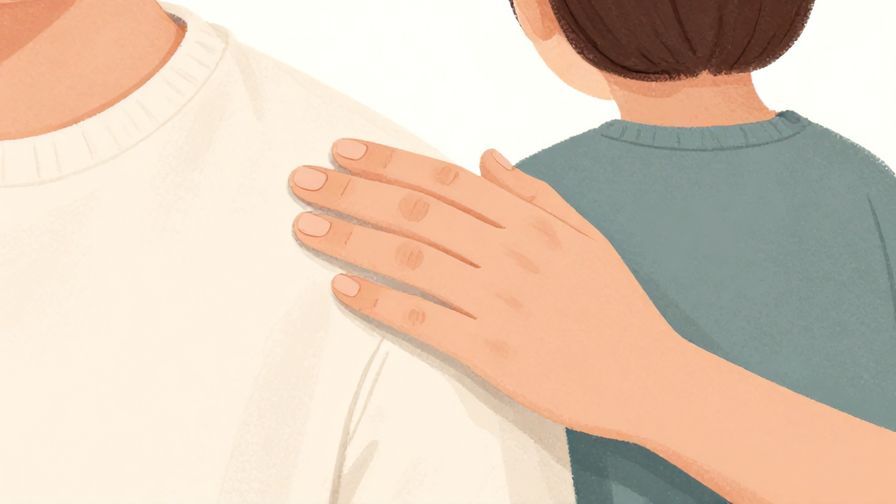
心配 (Shinpai / shin-pie) means “worry,” and しないで (shinaide) is the negative “don’t do.”
So, 心配しないで literally means “Don’t worry.” It’s gentle and encouraging.
You can use it to calm friends when they’re anxious.
Make sure to say it softly—it’s the tone that makes it warm.
It pairs well with 大丈夫だよ for double reassurance.
Try repeating it calmly to yourself as a stress-relief mantra too!
3. なんとかなるよ (Nantoka naru yo) – “Things will work out.”

なんとか (Nantoka / nan-toh-ka) means “somehow,” and なる (naru / nah-roo) means “to become” or “to turn out.”
So, this phrase means “It will somehow be okay.” It’s casual but deeply hopeful.
It captures that feeling of trusting the process, which is very Japanese in spirit.
Say it with confidence to boost morale.
It’s often used among friends or family in informal settings.
Pair it with a gentle smile and it feels like a warm hug in words.
4. 気にしないで (Ki ni shinaide) – “Don’t worry about it.”

気にする (Ki ni suru / kee nee soo-roo) means “to mind” or “to worry,” and しないで (shinaide) is “don’t.”
This phrase gently tells someone not to worry about something minor or out of their control.
It’s casual and very handy in daily conversations.
Make sure not to sound dismissive—keep your tone soft and kind.
It’s a great phrase to use when someone is overthinking.
Using it naturally comes with practice and listening to native speakers.
5. うまくいくよ (Umaku iku yo) – “It will go well.”

うまく (Umaku / oo-mah-koo) means “well,” and いく (iku / ee-koo) means “to go.”
This phrase is a positive way to say “It will go well,” encouraging someone before a challenge.
It’s casual and gives a nice boost of confidence.
Say it with a reassuring nod or smile for full effect.
It’s often used before exams, interviews, or any big moment.
Try practicing it aloud to build your own confidence too.
6. だいじょうぶさ (Daijoubu sa) – “It’s totally fine.”

This is a slightly more casual and almost playful variation of 大丈夫 (Daijoubu).
Adding さ (sa) makes it sound relaxed and confident, like telling a close friend “Really, it’s fine.”
It’s great for informal chats or lighthearted moments.
Use it to ease tension or lighten the mood.
Be mindful it’s not formal, so save it for friends or family.
It’s a fun phrase to learn for sounding more natural and native-like.
7. そのうち良くなるよ (Sono uchi yoku naru yo) – “It will get better eventually.”

そのうち (Sono uchi / soh-noh oo-chee) means “eventually” or “sooner or later.”
良くなる (Yoku naru / yoh-koo nah-roo) means “to get better.”
Together, this phrase encourages patience and hope.
It’s a gentle promise that hard times won’t last forever.
Use it when someone needs a little time to heal or improve.
It’s perfect for showing empathy in a casual way.
8. 大丈夫、心配ないよ (Daijoubu, shinpai nai yo) – “It’s okay, no worries.”

This phrase combines 大丈夫 (Daijoubu) “It’s okay” and 心配ない (Shinpai nai) “No worry.”
It’s a double reassurance that everything will be fine.
You can use this to comfort someone who is really anxious.
It’s casual but feels very supportive and sincere.
Try practicing both parts separately to remember them easily.
Saying it slowly and kindly makes it even more soothing.
Part 2: Polite & Formal Suggestions
9. 大丈夫ですよ (Daijoubu desu yo) – “It’s okay (polite).”
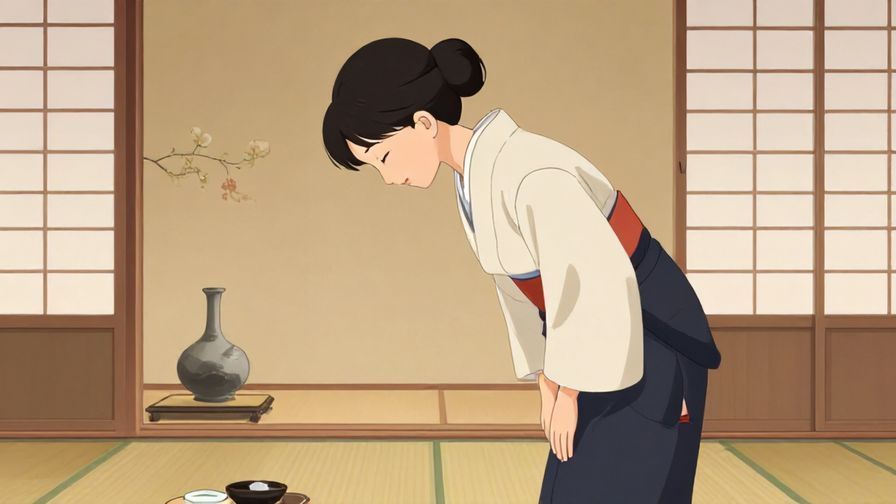
This is a polite version of 大丈夫だよ, perfect for formal or respectful situations.
Adding です (desu) makes it polite, and よ (yo) adds a gentle emphasis.
Use this when speaking to colleagues or acquaintances.
It maintains warmth while showing respect.
Practice the pronunciation to sound natural and courteous.
This phrase is great for business or formal social settings.
10. ご心配なく (Goshinpai naku) – “Please don’t worry.”

ご (Go) is an honorific prefix, 心配 (Shinpai) is “worry,” and なく means “without.”
This phrase politely asks someone not to worry.
It’s often used in formal letters or speeches.
It’s concise but carries strong respect and care.
Use this to reassure customers, clients, or superiors.
Mastering this phrase helps in professional Japanese communication.
11. どうぞご安心ください (Douzo go anshin kudasai) – “Please rest assured.”

どうぞ (Douzo) means “please,” ご安心 (Go anshin) means “peace of mind” with honorific, and ください (kudasai) is “please do.”
Together, this phrase politely asks someone to feel at ease.
It’s very formal and comforting.
Often used in customer service or formal announcements.
It’s a great phrase to show professionalism with kindness.
Practice it to sound smooth and respectful.
12. 問題ありません (Mondai arimasen) – “There’s no problem.”

問題 (Mondai) means “problem,” and ありません (arimasen) is the polite negative “there isn’t.”
This phrase formally states “There’s no problem,” perfect for assuring someone professionally.
It’s straightforward and clear.
Use it in situations where you want to firmly assure no issues exist.
It’s useful in business or formal communication.
Try to pronounce it evenly for a calm effect.
13. ご安心いただけます (Go anshin itadakemasu) – “You can rest assured.”

This is a polite and humble way to say “You can feel reassured.”
いただけます (Itadakemasu) is a respectful verb form meaning “can receive.”
Adding ご安心 (Go anshin) makes it respectful.
It’s often used in formal customer service contexts.
Great for showing deep courtesy and care.
Practice this phrase to impress in formal settings.
14. すべてうまくいきます (Subete umaku ikimasu) – “Everything will go well.”

すべて (Subete) means “everything,” うまく (umaku) means “well,” and いきます (ikimasu) is the polite form of “to go.”
This phrase offers a formal, hopeful reassurance that all will be fine.
Use it to encourage in professional or respectful conversations.
It’s uplifting and broad in meaning.
Try to emphasize the rhythm for natural flow.
This phrase sounds optimistic and polished.
15. 安心してください (Anshin shite kudasai) – “Please be at ease.”

安心 (Anshin) means “peace of mind,” してください (shite kudasai) means “please do.”
This phrase politely tells someone to relax or stop worrying.
It’s respectful yet warm.
Use it when you want to kindly calm someone in formal or semi-formal situations.
Speaking slowly and softly enhances the effect.
It’s a versatile phrase for many contexts.
16. 何も問題ありません (Nanimo mondai arimasen) – “There is absolutely no problem.”

何も (Nanimo) means “nothing,” 問題 (Mondai) “problem,” and ありません (arimasen) “there isn’t.”
This phrase gives a strong, formal assurance that there is no issue at all.
Great for business or official communication.
It’s a step up in certainty from just saying “no problem.”
Use it to reassure clients or colleagues firmly.
Clear pronunciation is key to sounding confident.
Part 3: Very Casual / Native-like Expressions
17. なんとかなるさ (Nantoka naru sa) – “It’ll work out somehow.”

This is a casual and very native-sounding version of なんとかなるよ.
Adding さ (sa) adds a laid-back, confident vibe.
It’s perfect among close friends or in informal chats.
It’s like saying “Don’t sweat it, it’ll be fine.”
Using it shows you’re relaxed about the future.
Practice it to sound more natural and native-like.
18. まあ、なんとかなるよ (Maa, nantoka naru yo) – “Well, it’ll work out.”

まあ (Maa) means “well” or “I guess,” adding a casual, thoughtful tone.
Combined with なんとかなるよ, it’s a friendly, comforting phrase.
Use it to soften a reassurance with a natural, conversational feel.
It’s great for casual chats and light encouragement.
It sounds like a gentle reminder to not worry too much.
Try using it to sound like a native speaker.
19. そのまま行こう (Sono mama ikou) – “Let’s go as is.”

そのまま (Sono mama) means “just as it is,” and 行こう (Ikou) means “let’s go.”
This phrase expresses a casual “Everything will be fine if we keep going.”
It’s optimistic and encourages moving forward without overthinking.
Use it with friends or teammates to boost morale.
It’s a native-like expression that feels spontaneous.
Practice to sound encouraging and positive.
20. なんとかなるって (Nantoka naru tte) – “I’m telling you, it’ll work out.”

Adding って (tte) at the end makes the phrase feel like a confident claim or reminder.
It’s casual, warm, and sounds like friendly reassurance.
Commonly used by young people in everyday conversation.
Use it to sound more natural and relaxed.
It’s like saying “Trust me, it’ll be okay.”
Great for casual encouragement.
21. まあ、大丈夫だよね (Maa, daijoubu da yo ne) – “Well, it’ll be okay, right?”

This phrase adds ね (ne) at the end to seek agreement or soften the statement.
It’s casual and friendly, perfect for light conversation.
It feels like inviting someone to share hope with you.
Use it with friends or family for mutual reassurance.
The まあ (maa) at the start adds a relaxed tone.
It’s great for sounding empathetic and relatable.
22. 気楽に行こう (Kiraku ni ikou) – “Let’s take it easy.”

気楽 (Kiraku) means “easygoing” or “carefree,” and 行こう (Ikou) is “let’s go.”
This phrase encourages a relaxed attitude, implying everything will be okay.
It’s casual and friendly.
Use it to lighten the mood and reduce stress in conversation.
It’s a very native-like way to comfort someone.
Try saying it when you want to remind yourself or others to relax.
Concluding Thought
Exploring these 22 Japanese ways to say “Everything will be okay” shows just how beautifully language can carry warmth and hope.
From casual chats with friends to formal reassurances, each phrase holds a unique way to comfort and encourage.
Keep these expressions close, and you’ll be ready to spread calm and kindness whenever it’s needed most.