22 Japanese ways to say “Drive safely”
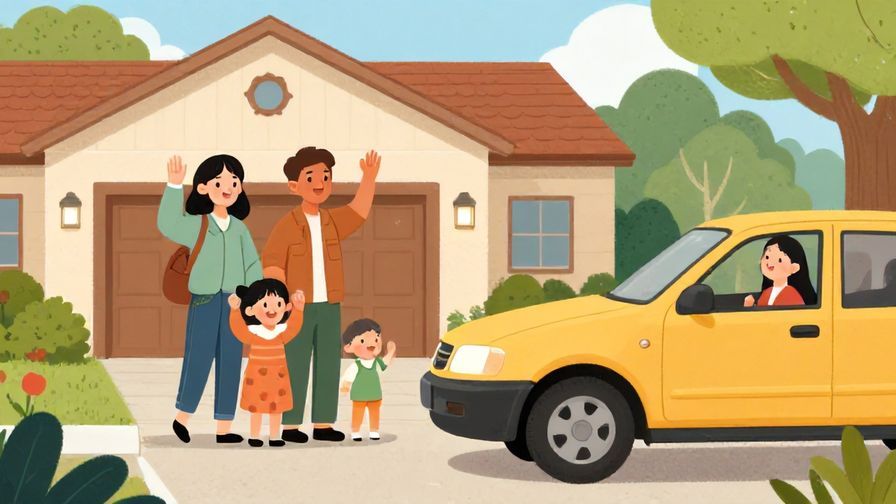
Driving is such a daily part of life for many of us, and wishing someone safe travels feels heartfelt and important.
In Japanese, there are many warm and caring ways to say “Drive safely,” each carrying a slightly different tone or context.
Whether you want to sound casual, polite, or native-like, these phrases will help you express your good wishes perfectly.
Learning these phrases not only improves your language skills but also lets you share kindness in a culturally meaningful way.
Plus, it’s fun to see just how many ways Japanese speakers can say something so simple yet so thoughtful.
Ready to expand your Japanese expressions? Let’s dive into 22 ways to say “Drive safely” in Japanese!
Warm Wishes Before You Hit the Road
Before we jump into the list, it’s good to know some quick basics about Japanese politeness levels.
Some phrases are casual and friendly, perfect for family or friends, while others are more formal, suited for coworkers or elders.
Mixing and matching these depending on who you’re talking to shows great respect and social awareness.
Sometimes, using a great beginner phrasebook can give you a perfect starting point for a cohesive understanding.
Remembering the context of your relationship helps you choose the right phrase effortlessly.
And don’t worry if you don’t get it perfect the first time — practicing a little every day helps!
Part 1: Casual Suggestions
1. 気をつけてね (Ki o tsukete ne) – “Take care!”

This is the most common casual way to say “drive safely” or “take care.”
気 (ki) means “spirit” or “mind,” つけて (tsukete) is the te-form of つける meaning “to attach or be careful,” and ね (ne) adds a soft, friendly tone.
It’s easy to remember because it’s used in many situations, not just driving.
Saying this shows care without being too formal, perfect for friends and family.
A similar phrase is 気をつけてください (ki o tsukete kudasai), which is more polite.
Try using this one often; it’s a great go-to phrase for everyday well-wishes.
2. 安全運転でね (Anzen unten de ne) – “Drive safely!”

This phrase literally says “With safe driving.”
安全 (anzen) means “safety,” 運転 (unten) means “driving,” and で (de) is a particle meaning “with” or “by.” Adding ね (ne) softens it.
It’s straightforward and often used among close friends or family.
It clearly focuses on safety, making your good wish very direct.
Remember, this phrase is casual, so avoid using it in very formal settings.
It’s a nice phrase to remind someone you care about their safety.
3. 気をつけて運転してね (Ki o tsukete unten shite ne) – “Please drive carefully.”
This phrase combines “take care” and “drive” explicitly.
運転して (unten shite) is the te-form of 運転する (to drive), making it a request or advice, softened by ね (ne).
It sounds warm and caring, perfect for friends or family.
This phrase is a bit longer but very polite and kind without being overly formal.
It’s a good way to emphasize you want them to be cautious on the road.
Practice this to sound a little more thoughtful in your casual conversations.
4. よいドライブを (Yoi doraibu o) – “Have a good drive!”

This phrase is a friendly way to say “Enjoy your drive.”
よい (yoi) means “good,” ドライブ (doraibu) is “drive” borrowed from English, and を (o) is a particle marking the object.
It’s less about safety and more about wishing a pleasant trip.
Great for casual chats or sending off friends on a fun journey.
Since it’s borrowed from English, it’s easy for learners to remember.
Use it when you want something light and positive.
5. 運転気をつけてね (Unten ki o tsukete ne) – “Be careful driving!”

This phrase flips the words but keeps the meaning clear.
運転 (unten) means “driving,” and 気をつけて (ki o tsukete) means “be careful.”
Adding ね (ne) makes it sound friendly and informal.
It’s a natural phrase used often in daily speech.
Good to use when you want to quickly remind someone to be careful.
Try this one for casual, caring reminders that don’t feel stiff.
6. 安全に帰ってね (Anzen ni kaette ne) – “Get home safely!”

This phrase is a heartfelt way to wish someone a safe return.
安全に (anzen ni) means “safely,” 帰って (kaette) is the te-form of 帰る (to return), and ね (ne) softens it.
It’s a great phrase to use when someone is driving home.
It shows your care for their entire trip, not just the act of driving.
Perfect for family or close friends at the end of the day.
It’s a lovely way to end a casual conversation with warmth.
7. 無事にね (Buji ni ne) – “Be safe!”
無事 (buji) means “safety” or “without incident.”
Adding に (ni) turns it into an adverb, and ね (ne) adds a friendly tone.
This phrase is short and sweet, often used when safety is the main concern.
It’s informal and works well for friends or family.
It’s not specific to driving but understood in context.
Keep this one handy for quick, warm wishes.
8. 気をつけて行ってね (Ki o tsukete itte ne) – “Go safely!”
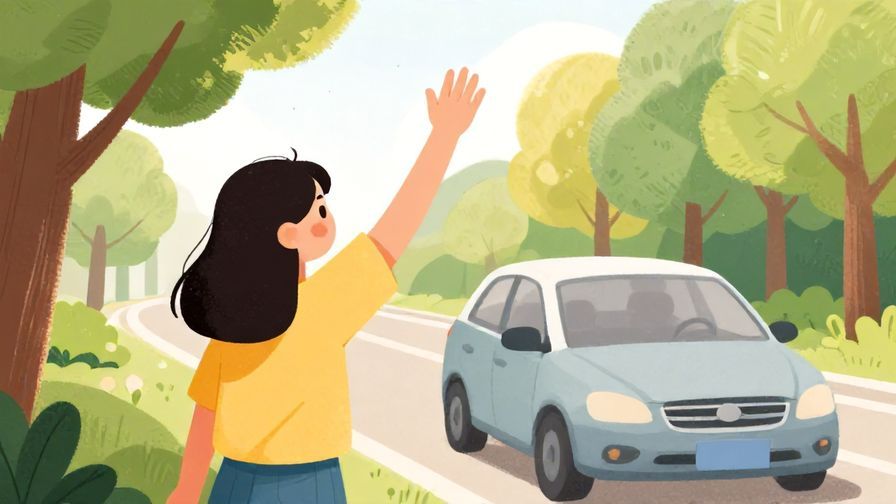
This phrase means “take care as you go.”
気をつけて (ki o tsukete) means “take care,” 行って (itte) is the te-form of 行く (to go), and ね (ne) adds warmth.
It’s a casual phrase suitable for any journey, including driving.
Good for sending someone off with a caring tone.
It’s easy to say and very natural in daily conversation.
Use this to show you care about their trip from the start.
Part 2: Polite & Formal Suggestions
9. お気をつけてください (O-ki o tsukete kudasai) – “Please be careful.”
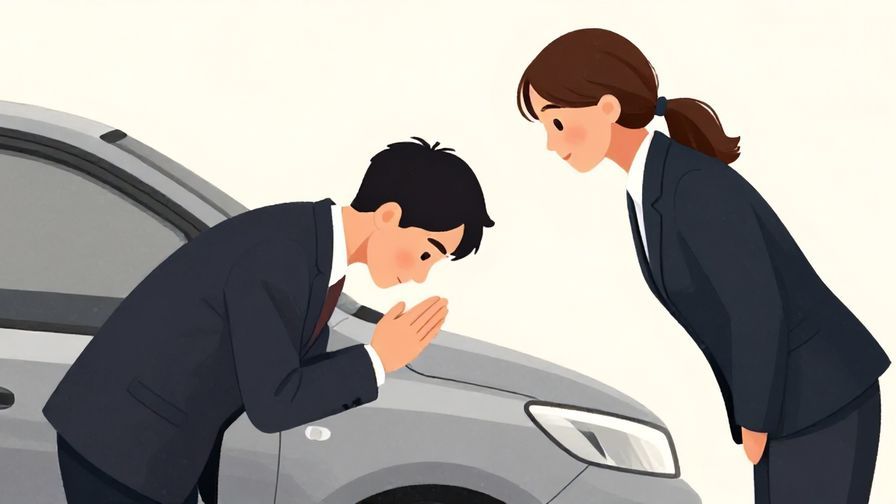
This is the polite version of “take care.”
お (o) is an honorific prefix making it respectful, 気をつけて (ki o tsukete) means “be careful,” and ください (kudasai) is “please.”
Use this phrase when speaking to someone you don’t know well or in formal situations.
It’s a kind and respectful way to wish safety.
Common in workplaces or with elders.
Mastering polite forms like this is key to sounding natural in formal contexts.
10. 安全運転をお願いします (Anzen unten o onegaishimasu) – “Please drive safely.”

This phrase is very polite and direct.
安全運転 (anzen unten) means “safe driving,” を (o) marks the object, and お願いします (onegaishimasu) means “please.”
Perfect for formal requests or reminders.
Use it in professional or more serious conversations.
It shows respect and care in a balanced way.
Try this when you want to sound considerate but formal.
11. 気をつけて運転してください (Ki o tsukete unten shite kudasai) – “Please drive carefully.”

This is a polite and clear way to say “drive carefully.”
It combines 気をつけて (be careful), 運転して (drive), and ください (please).
Great for work colleagues or acquaintances.
It’s respectful without being too stiff.
It encourages caution with genuine warmth.
Use this for polite but friendly advice.
12. どうぞお気をつけて (Dōzo o-ki o tsukete) – “Please take care.”

どうぞ (dōzo) means “please” or “by all means.”
お気をつけて (o-ki o tsukete) is a polite “take care.”
This phrase is very warm and polite, often used in farewells.
It’s versatile for any safe traveling wish.
It’s a bit formal yet heartfelt.
Use this phrase to gracefully express your concern.
13. 無事でありますように (Buji de arimasu yō ni) – “May you be safe.”

This is a formal, almost prayer-like wish for safety.
無事 (buji) means “safety,” であります (de arimasu) is a polite form of “to be,” and ように (yō ni) means “I hope” or “may.”
It’s often used in writing or formal speeches.
It carries a deep sense of care.
Not usually used casually, but powerful in the right setting.
Perfect for respectful, heartfelt good wishes.
14. 道中お気をつけて (Dōchū o-ki o tsukete) – “Take care on the way.”

道中 (dōchū) means “on the way” or “during the trip.”
お気をつけて (o-ki o tsukete) is polite “take care.”
This phrase focuses on the whole journey, not just driving.
It’s polite and thoughtful for formal or semi-formal situations.
Good for colleagues or acquaintances heading somewhere.
Use to show concern for their entire travel experience.
15. 安全にお帰りください (Anzen ni okaeri kudasai) – “Please return safely.”

A very polite phrase wishing a safe return.
安全に (anzen ni) means “safely,” お帰り (okaeri) is the honorific form of “return,” and ください (kudasai) is “please.”
Perfect for formal goodbyes or when someone leaves an event.
This phrase shows respect and genuine care.
It’s often heard in business or formal family settings.
Use it to leave a lasting polite impression.
16. 運転には十分お気をつけください (Unten ni wa jūbun o-ki o tsuke kudasai) – “Please be very careful when driving.”

This is a very polite, formal way of emphasizing caution.
運転には (unten ni wa) means “regarding driving,” 十分 (jūbun) means “enough” or “sufficient,” and お気をつけください (o-ki o tsukete kudasai) means “please be careful.”
Useful in official settings or announcements.
It’s respectful and clear.
Shows you really want the person to be cautious.
Perfect for safety-conscious messages or formal advice.
Part 3: Very Casual / Native-like Expressions
17. 気つけてな (Ki tsukete na) – “Be careful, okay?”

This is a very casual, colloquial way to say “be careful.”
気つけて (ki tsukete) is shortened from 気をつけて, and な (na) softens it in a friendly way.
Used mostly among close friends or younger people.
It’s informal and sounds natural in everyday speech.
Good for texting or chatting with peers.
Try this to sound more like a native speaker.
18. 無事でな (Buji de na) – “Stay safe, alright?”

A casual, friendly way to wish safety.
無事 (buji) means “safe,” and でな (de na) is a casual ending adding softness.
Used mainly between friends or family.
It’s short but carries genuine feeling.
Perfect for quick good wishes without fuss.
Great for informal chats or messages.
19. 気ぃつけや (Kii tsuke ya) – “Watch out!” (Kansai dialect)

This phrase is Kansai dialect, common in Osaka and nearby areas.
気ぃつけ (kii tsuke) means “be careful,” and や (ya) is a dialect ending similar to だ (da).
It’s casual, energetic, and very native-like.
Perfect if you want to sound like a local from Kansai.
Used mostly among friends or family in that region.
Great for adding regional flavor to your Japanese.
20. 飛ばさないでね (Tobasanaide ne) – “Don’t speed!”

This phrase literally means “don’t speed.”
飛ばさないで (tobasanaide) is the negative request form of 飛ばす (tobasu), “to speed or fly,” and ね (ne) softens it.
It’s casual but very clear about safety.
Great to use with friends or family who might drive fast.
It shows you care about their safety in a direct way.
Use it when you want to remind someone to slow down gently.
21. 安全第一でね (Anzen daiichi de ne) – “Safety first, okay?”

安全第一 (anzen daiichi) means “safety first.”
でね (de ne) adds a friendly tone.
This phrase is casual but carries a strong safety message.
Often used in workplaces or casual chats among colleagues.
It’s a good phrase to remind others to prioritize safety.
Try this for a practical and warm expression.
22. 気をつけて走ってね (Ki o tsukete hashitte ne) – “Drive carefully.”
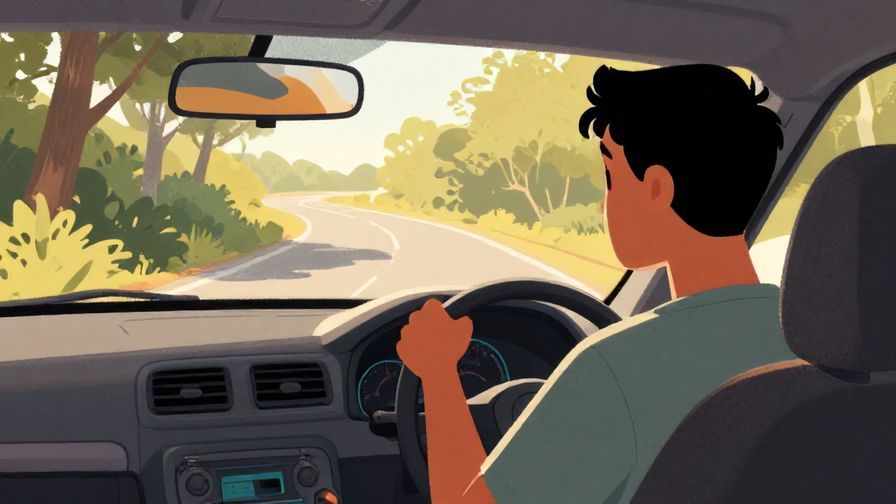
This phrase adds 走って (hashitte), the te-form of 走る (to run/drive fast), making it a natural way to say “drive carefully.”
It’s casual and warm, good for friends and family.
It emphasizes attentiveness while driving.
Adding ね (ne) keeps the tone soft and friendly.
Perfect for everyday use when you want to sound natural.
Practice this phrase to sound like a native speaker giving thoughtful advice.
Concluding Thought
Exploring these 22 ways to say “Drive safely” in Japanese shows how rich and varied language can be.
Whether casual, polite, or very native-like, each phrase carries genuine warmth and care for the person behind the wheel.
So next time you want to wish someone a safe journey, you’ll have just the right words to share your kindness beautifully.