22 Japanese ways to say “Stay safe”
When you want to wish someone well and tell them to “stay safe” in Japanese, there’s actually a beautiful variety of ways to do it. Whether it’s casual, polite, or very native-like, each phrase carries its own warm nuance.
Learning these expressions not only helps you connect better with Japanese speakers but also shows your care in a culturally respectful way. It’s like sending a little bit of kindness wrapped in language.
From everyday chats to more formal occasions, knowing how to say “stay safe” can be a comforting phrase to share. Plus, it’s a fun way to expand your Japanese vocabulary beyond the basics!
This listicle will guide you through 22 authentic and friendly ways to say “stay safe” in Japanese, complete with pronunciation tips and little cultural notes to keep things relatable and easy to remember.
With these handy phrases in your language toolkit, you’ll be ready to spread warmth and care wherever you go. Ready to dive in and learn some heartfelt Japanese expressions?
Let’s get started and learn how to say “stay safe” in a way that feels just right for every conversation.
Simple & Friendly Ways to Say “Stay Safe”
Sometimes, you just want to keep it casual and caring. These phrases fit perfectly for friends and family.
They’re easy to remember and sound natural, so you can use them anytime without hesitation. Plus, they’re great for everyday chats or texts.
Let’s look at some gentle yet genuine ways to say “stay safe” that feel like a warm hug in words.

Sometimes, pairing your learning with a good beginner phrasebook can make practicing these phrases even easier and more fun.
Use these simple phrases to show you care without sounding too formal or stiff. It’s all about that warm, casual vibe.
Once you get comfortable, you can mix and match these with more polite or native-like expressions.
Part 1: Casual Suggestions
1. 気をつけてね (Ki o tsukete ne) – “Take care, okay?”

This is probably the most common and friendly way to say “stay safe.”
「気をつけて」(Ki o tsukete) means “be careful” or “take care,” and adding 「ね」(ne) softens it, like saying “okay?” or “right?” to keep it casual and warm.
It’s perfect for friends or family when you want to remind them gently to be safe.
Simple and heartfelt, this phrase feels like a caring nudge.
You might also hear just 「気をつけて」(Ki o tsukete) without the 「ね」 in more neutral or quick conversations.
Using this phrase shows you’re thinking about their well-being in a relaxed way.
2. 無事でね (Buji de ne) – “Be safe and sound.”
「無事」(Buji) means “safety” or “without incident,” so this phrase literally wishes someone to be safe and sound.
Adding 「でね」(de ne) again adds warmth, making it feel like a gentle hope for their safety.
Great for texting or saying to someone heading out on a trip or tough situation.
It’s a little less common than 「気をつけてね」 but feels very sincere.
Pair this with 「またね」(Mata ne – “See you later”) for a natural farewell.
This one’s perfect when you want to express genuine concern without sounding too formal.
3. お大事に (Odaiji ni) – “Take care of yourself.”

Usually used when someone is sick or recovering, 「お大事に」(Odaiji ni) literally means “take care of yourself” or “get well soon.”
It’s a caring phrase that shows you want the person to be safe and healthy.
Can also be used more generally to wish someone well, especially if they’re going through a tough time.
It’s polite but still friendly, so it fits casual and semi-formal settings.
Remember, it’s not usually used just to say “stay safe” on the street but more for health-related care.
Perfect for sending warm vibes when someone is under the weather.
4. 気をつけてね、またね (Ki o tsukete ne, mata ne) – “Take care, see you later.”

This is a nice way to combine “stay safe” with a friendly goodbye.
「またね」(Mata ne) means “see you later,” so pairing it with 「気をつけてね」 (Ki o tsukete ne) makes the phrase both caring and warm.
It sounds very natural in everyday conversation and texts.
Using this together is like giving a little extra hug with your words.
Avoid overusing it with people you don’t know well, as it’s quite casual.
Great for friends, family, or coworkers you’re on friendly terms with.
5. 元気でね (Genki de ne) – “Stay well/healthy.”

「元気」(Genki) means “healthy” or “energetic,” so 「元気でね」(Genki de ne) is like saying “stay well” or “take care of your health.”
This phrase sounds bright and positive, perfect for encouraging someone to keep their spirits up and stay safe.
It’s informal and friendly, making it great for close friends or family.
You might hear this when someone is leaving after a visit or a chat.
Pair it with a smile and it feels very warm and personal.
Use this to brighten someone’s day while wishing them safety.
6. 体に気をつけて (Karada ni ki o tsukete) – “Take care of your body.”

This phrase literally tells someone to “take care of their body,” emphasizing physical health and safety.
It’s a thoughtful way to say “stay safe” in a health-conscious way.
Great for reminding friends or loved ones to not overwork themselves or to rest properly.
It’s casual but shows genuine concern.
Often used during cold seasons or flu outbreaks.
Try this one when you want to be a bit more specific about health and safety.
7. 気をつけていってね (Ki o tsukete itte ne) – “Take care as you go.”

This is a sweet phrase to say when someone is heading out.
「いってね」(Itte ne) means “go” or “go ahead,” so combined with 「気をつけて」(Ki o tsukete), it’s “take care as you go.”
It’s warm and natural, perfect for sending someone off safely.
Use it with friends or family as a casual wish for a safe trip or commute.
It shows a thoughtful touch in everyday situations.
Try this one to add a little extra warmth to your farewells.
8. 安全にね (Anzen ni ne) – “Be safe.”

「安全」(Anzen) means “safety,” so this phrase is a straightforward way to say “be safe.”
It feels a bit more direct but still friendly, great for situations where safety is the main focus.
Perfect for wishing someone a safe journey or safe work.
It’s less common in casual speech but still perfectly natural and clear.
You can use this with kids or people doing something potentially risky.
Try this one for a clear and simple safety wish.
Part 2: Polite & Formal Suggestions
9. ご安全に (Go anzen ni) – “Wishing you safety.”

This is a polite and formal way to wish safety, often used in business or official settings.
「ご」(Go) is an honorific prefix, making 「安全」(Anzen) more respectful.
Perfect for coworkers, clients, or formal situations where you want to show care respectfully.
This phrase sounds sincere and professional.
It’s less common in casual speech but very useful in the right context.
Using this shows your respect while wishing safety.
10. どうぞお体にお気をつけください (Douzo o-karada ni o-ki o tsuke kudasai) – “Please take good care of your health.”

This phrase is very polite and often used in letters or formal conversations.
It literally means “Please take care of your health,” combining honorifics and polite language.
Great for wishing someone safety and health in a respectful way.
It’s a bit long but perfect for emails or formal farewells.
Avoid using it in casual conversations as it sounds too stiff.
Try this one when you want to sound thoughtful and professional.
11. ご無事をお祈りします (Go buji o oinori shimasu) – “I pray for your safety.”

This phrase is respectful and expresses sincere hope for someone’s safety.
「ご無事」(Go buji) means “safe and sound,” and 「お祈りします」(Oinori shimasu) means “I pray.”
Used in formal letters or when wishing safety in serious situations.
This phrase carries a deep sense of care and concern.
Not for casual conversations but very meaningful in the right setting.
Use this to show heartfelt wishes for safety and well-being.
12. お気をつけてお過ごしください (O-ki o tsukete o-sugoshi kudasai) – “Please take care and spend your time well.”
A polite and refined way to say “stay safe” and “take care.”
It’s often used in letters or polite conversations.
Encourages someone to be careful and enjoy their time safely.
Great for formal emails or messages to people you respect.
Keep the tone gentle and sincere when using this phrase.
Perfect for showing thoughtful concern in a respectful way.
13. どうぞご自愛ください (Douzo go-jiai kudasai) – “Please take good care of yourself.”

This is a very polite and somewhat literary phrase.
「ご自愛」(Go-jiai) means “self-care” with honorific, and it’s often used in written messages or formal speeches.
It’s a beautiful way to gently remind someone to stay safe and healthy.
Not common in daily speech but perfect for cards, emails, or speeches.
Use this phrase when you want to sound very respectful and caring.
It adds a touch of elegance to your message.
14. どうかお気をつけて (Douka o-ki o tsukete) – “Please, take care.”
「どうか」(Douka) adds a polite, pleading nuance, making this phrase sound very sincere.
It’s a polite way to ask someone to be careful or stay safe.
Great for situations where you want to express genuine concern with respect.
Often used in conversations with elders or formal acquaintances.
It’s short but carries a heartfelt tone.
Use this phrase to show you truly care.
15. 安全第一でお願いします (Anzen daiichi de onegaishimasu) – “Safety first, please.”
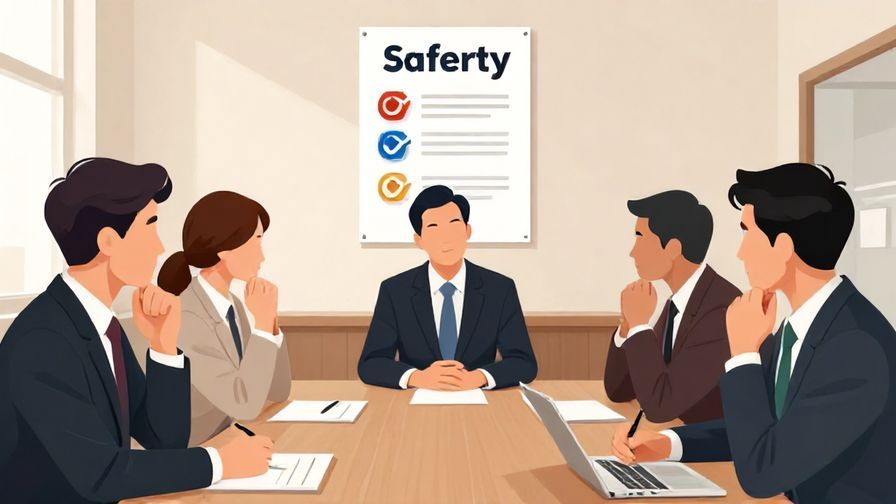
This phrase is often used in workplaces or organized activities.
「安全第一」(Anzen daiichi) means “safety first,” and 「お願いします」(Onegaishimasu) is a polite “please.”
It’s a professional way to emphasize the importance of safety.
Use this in meetings, instructions, or group settings.
It shows you prioritize safety in a respectful, formal way.
Perfect for safety reminders or speeches.
16. お気をつけてご帰宅ください (O-ki o tsukete go-kitaku kudasai) – “Please take care going home.”

A polite phrase often said when someone is leaving work or an event.
It literally means “please take care and return home safely.”
Shows thoughtfulness in formal or semi-formal situations.
Perfect for coworkers or acquaintances.
It’s a bit longer but very warm and respectful.
Use this phrase to politely wish safe travels home.
Part 3: Very Casual / Native-like Expressions
17. 気をつけろよ (Ki o tsukero yo) – “Watch out, okay?” (very casual, mostly male)

This is a very casual and somewhat rough way to say “stay safe,” mostly used by men.
「気をつけろ」(Ki o tsukero) is a blunt form of “be careful,” and adding 「よ」(yo) adds emphasis.
It can sound tough but also friendly among close pals.
Not for formal or unfamiliar situations.
Use it only with friends who understand your tone.
This phrase shows native-like casual speech but should be used carefully.
18. じゃあね、気をつけて (Jaa ne, ki o tsukete) – “See ya, take care.”

A very casual and common farewell phrase.
「じゃあね」(Jaa ne) means “see ya,” and 「気をつけて」(Ki o tsukete) means “take care.”
It’s simple, friendly, and used often among friends.
Great for ending phone calls, texts, or casual meetups.
It’s natural and warm without being complicated.
Try this one for everyday casual goodbyes.
19. 気をつけなよ (Ki o tsukena yo) – “Be careful, okay?” (casual)

This is a casual and slightly softer version of “be careful.”
「気をつけな」(Ki o tsukena) is an informal imperative, and adding 「よ」(yo) adds friendly emphasis.
Common among friends or family, especially younger speakers.
Sounds caring but relaxed.
Not suitable for formal occasions.
Use this to sound like a native speaker encouraging safety casually.
20. 無理しないでね (Muri shinai de ne) – “Don’t overdo it, okay?”

This phrase is a kind way to say “stay safe” by reminding someone not to push themselves too hard.
「無理しないで」(Muri shinai de) means “don’t overdo it,” and 「ね」(ne) adds warmth.
Perfect for friends, family, or coworkers going through busy or stressful times.
It shows care for both safety and well-being.
Use this when you want to sound empathetic and native-like.
This phrase is very natural and kind-hearted.
21. お気をつけてな (O-ki o tsukete na) – “Take care, okay?” (casual)

A casual and warm way to say “stay safe,” often used by younger people.
Adding the 「な」(na) ending makes it sound friendly and informal.
Great for close friends or family.
It’s less formal but very affectionate.
Use this phrase when you want a relaxed and caring expression.
It’s a perfect phrase for everyday safety wishes.
22. また気をつけてな (Mata ki o tsukete na) – “Take care again, okay?” (casual)

This phrase adds 「また」(Mata), meaning “again” or “also,” making it a warm way to remind someone to continue being careful.
It’s casual and often used between close friends or family.
Feels like a friendly reminder with affection.
Perfect for repeated goodbyes or ongoing care.
Use this to sound very natural and heartfelt in everyday life.
It’s a lovely phrase to keep safety top of mind with loved ones.
Concluding Thought
Learning different ways to say “stay safe” in Japanese opens a window into the culture of care and respect that language carries.
Each phrase has its own vibe, from casual and friendly to polite and formal, allowing you to express your concern just right for any situation.
So, whether you’re chatting with close friends or writing a formal message, these 22 expressions will help you send your warmest wishes for safety in a beautifully authentic way.