22 Japanese ways to say “You’re right”
When someone makes a great point or nails the truth, knowing how to say “You’re right” in Japanese can really make your conversation flow smoothly.
Japanese has many ways to express agreement, each with its own flavor depending on the situation and relationship between speakers.
From casual chats with friends to polite discussions at work, having a handful of these phrases at your fingertips is super handy.
In this list, you’ll find warm, informal, and formal ways to agree in Japanese, plus some native-like expressions that’ll make you sound just right.
Learning these expressions will deepen your understanding and help you connect better with Japanese speakers.
Ready to expand your Japanese agreement game? Let’s dive into 22 ways to say “You’re right” in Japanese!
Understanding Agreement in Japanese
Japanese expresses agreement in ways that reflect respect, nuance, and context.
Often, it’s not just about saying “You’re right,” but matching the tone and relationship with the right phrase.
Getting comfortable with these will help you respond naturally in conversations.

Sometimes, a great beginner phrasebook can make mastering these expressions a breeze.
It’s all about blending the right words with the right mood.
With practice, you’ll feel confident choosing the perfect phrase every time.
Part 1: Casual Suggestions
1. そうだね (Sou da ne) – “That’s right, isn’t it?”

“Sou da ne” is a friendly, casual way to say “You’re right.”
It’s made up of “そう (sou)” meaning “so” or “that way,” “だ (da)” the casual copula for “is,” and “ね (ne),” a sentence-ending particle that invites agreement.
This phrase feels warm and conversational, perfect among friends or family.
It’s an easy phrase to remember and use naturally.
A similar phrase is “そうだよね (sou da yo ne),” adding a bit more emphasis.
Keep “そうだね” handy for casual chats—it’s like a verbal nod of agreement.
2. その通りだよ (Sono toori da yo) – “Exactly like that.”
This phrase literally means “that’s exactly right.”
“その (sono)” means “that,” “通り (toori)” means “way” or “exactly as,” “だ (da)” is the informal “is,” and “よ (yo)” adds emphasis.
It shows strong agreement and is still casual but a bit more assertive.
Make sure not to sound too harsh; tone matters!
It’s great for conversations where you want to confirm someone’s statement clearly.
Use it to sound confident and supportive at the same time.
3. そう思う (Sou omou) – “I think so.”

A softer way to agree is “そう思う.”
“そう (sou)” means “so” or “that way,” and “思う (omou)” means “to think.”
This phrase expresses that you think the other person is right without sounding too direct.
It’s often used to show understanding and gentle agreement.
It’s useful when you want to agree but keep the tone humble.
Try pairing it with a smile for a nice effect in conversations.
4. まったくその通り (Mattaku sono toori) – “Absolutely right.”

This phrase amps up agreement with “まったく (mattaku)” meaning “completely” or “absolutely.”
It’s followed by “その通り (sono toori),” meaning “exactly so.”
It’s casual but emphatic, great when you strongly agree.
Be careful not to overuse it; it’s best for moments of true conviction.
It’s perfect when you want to show you fully support what someone said.
Use it to boost your agreement with enthusiasm.
5. そうだよね (Sou da yo ne) – “That’s right, you know?”

Adding “よ (yo)” to “そうだね” makes this phrase a little more casual and friendly.
It literally means “That’s right, you know?” and invites the listener to agree warmly.
It’s perfect for close friends or informal chats.
Use it when you want to sound casual but engaged.
Watch out for tone; it should sound natural and not forced.
It’s a great phrase to sprinkle into daily conversations.
6. うん、そう (Un, sou) – “Yeah, that’s right.”

“うん (un)” is a casual “yeah,” and “そう (sou)” means “so” or “that’s right.”
Together, they make a short, natural way to say “You’re right” in everyday speech.
It’s very informal and perfect for quick agreement.
Use it with friends or people you know well.
A quick and easy phrase to remember for casual moments.
It’s often accompanied by a nod to reinforce agreement.
7. そうですね (Sou desu ne) – “That’s right, isn’t it?” (Polite casual)

Here “です (desu)” adds politeness to “そうですね.”
It’s a polite but casual way to agree, suitable for coworkers or acquaintances.
“ね (ne)” invites confirmation or shared understanding.
It’s a great phrase to use in daily polite conversations.
Don’t overdo it with “ね,” or it might sound repetitive.
It’s a versatile phrase that fits many polite settings.
8. なるほど (Naruhodo) – “I see” / “That makes sense.”

“なるほど” expresses understanding and implies the other person is right.
It’s often used when you suddenly get the point someone made.
While not a direct “You’re right,” it’s a natural way to show agreement.
Great for conversations where you want to acknowledge insight.
Use it to show you’re following and appreciating the logic.
It’s easy to remember and very common in spoken Japanese.
Part 2: Polite & Formal Suggestions
9. おっしゃる通りです (Ossharu toori desu) – “Exactly as you say.”

This is a very polite way to say “You’re right.”
“おっしゃる (ossharu)” is the honorific form of “to say,” “通り (toori)” means “way” or “exactly as,” and “です (desu)” is polite copula.
It’s used to express strong agreement respectfully, often in business or formal situations.
Perfect for showing deference to superiors or clients.
Be mindful that it’s quite formal and not used casually.
Great phrase to add when you want to sound courteous and professional.
10. その通りでございます (Sono toori de gozaimasu) – “That is exactly right.”

“でございます (de gozaimasu)” is a very polite version of “です (desu).”
This phrase is an elegant way to say “You’re right” in formal contexts.
It’s often used in customer service or formal speeches.
Use it to show utmost respect and agreement.
It sounds a bit stiff, so it’s best for formal occasions.
If you want to impress with politeness, this is your phrase.
11. ごもっともです (Gomottomo desu) – “Absolutely right.”

This phrase literally means “most reasonable” or “very right.”
It’s formal and used to strongly agree with someone’s opinion.
“です (desu)” keeps it polite and professional.
It’s great for debates, presentations, or serious talks.
Don’t use it casually; save it for respectful environments.
It conveys both agreement and respect for the speaker’s point.
12. 仰る通りでございます (Ossharu toori de gozaimasu) – “Exactly as you say” (very polite)
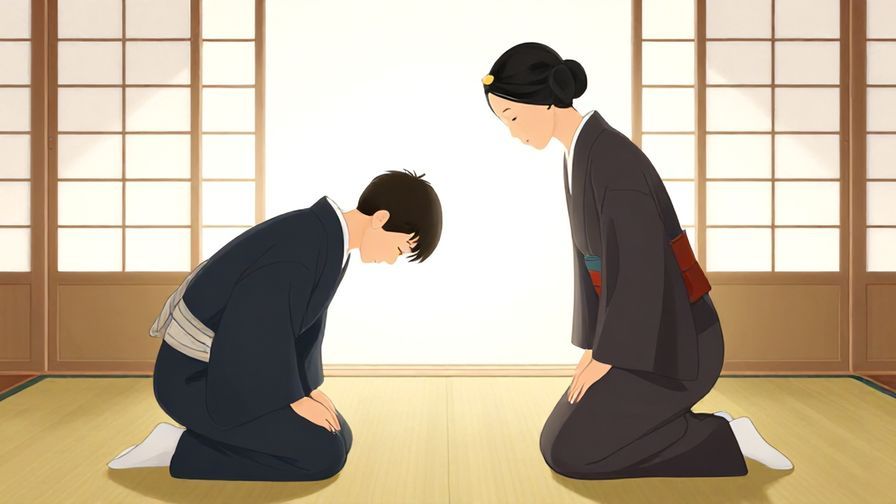
This is an even more formal version of “おっしゃる通りです.”
“仰る (ossharu)” is another honorific for “to say,” combined with polite “でございます.”
It’s used in extremely polite situations, like formal speeches or customer service.
Use it when utmost respect must be conveyed.
It sounds very humble and respectful.
Perfect for formal letters or very polite conversations.
13. おっしゃる通りでございますね (Ossharu toori de gozaimasu ne) – “You’re absolutely right, aren’t you?”

This phrase adds the particle “ね (ne)” inviting agreement while keeping formal tone.
It’s polite and warm, balancing respect and friendliness.
Perfect for formal yet engaging discussions.
Use it to confirm understanding while showing respect.
It can soften an otherwise very formal phrase.
Great for polite conversations that are still personable.
14. そうでございます (Sou de gozaimasu) – “That is correct.”

“そう (sou)” means “so” or “that way,” with “でございます” adding formality.
It’s a humble, polite way of agreeing or confirming.
Used in formal situations like customer service or official talks.
It’s short but carries respect.
Great for polite affirmations without sounding too stiff.
Easy to remember and very common in formal settings.
15. その通りでございますよ (Sono toori de gozaimasu yo) – “That is exactly right, you know.”

Adding “よ (yo)” gives a gentle emphasis to the polite phrase.
It’s used to affirm with warmth and respect.
Great for polite conversations where you want to sound encouraging.
Use it to express agreement with a friendly tone.
Helps create a positive, respectful atmosphere.
Perfect for formal yet approachable discussions.
16. おっしゃることは正しいです (Ossharu koto wa tadashii desu) – “What you say is correct.”

This phrase literally means “What you say is correct.”
“おっしゃること (ossharu koto)” means “what you say,” “は (wa)” is topic marker, “正しい (tadashii)” means “correct,” and “です (desu)” polite copula.
It’s polite and clear, suitable for formal conversations.
Use it to confirm correctness respectfully and explicitly.
A good phrase for business meetings or academic settings.
It shows thoughtful agreement and respect.
Part 3: Very Casual / Native-like Expressions
17. そうだね、間違いない (Sou da ne, machigai nai) – “That’s right, no doubt.”

This phrase combines “そうだね” with “間違いない (machigai nai),” meaning “no mistake” or “no doubt.”
It’s very casual and shows strong agreement.
Great to use with close friends or peers.
This sounds natural and native-like, perfect for informal chats.
It adds emphasis without sounding too formal or stiff.
Use it when you want to agree wholeheartedly.
18. その通りだね (Sono toori da ne) – “Exactly right.”

“その通りだね” is a short, casual way to say “Exactly right.”
Adding “ね (ne)” makes it friendly and inviting.
It’s very common in everyday speech among friends.
Use it to show you’re on the same page with someone.
It’s simple, effective, and easy to remember.
Great for quick, confident agreement.
19. ほんとだよね (Honto da yo ne) – “That’s really true, isn’t it?”

“ほんと (honto)” means “really” or “true,” combined with casual “だよね.”
This phrase expresses heartfelt agreement in a casual way.
It’s warm and commonly used among friends.
Use it to sound genuine and relatable.
It’s a great phrase to bond over shared truths.
Perfect for informal and friendly conversations.
20. そうそう (Sou sou) – “Yes, exactly.”

“そうそう” is a very casual and emphatic way to agree, like saying “Yeah, yeah!”
It’s often used when someone strongly agrees with a point.
Perfect for lively, informal conversations.
Use it to sound enthusiastic and very natural.
Short and easy to use, it’s great for quick responses.
Try it out with friends for instant rapport.
21. だよね (Da yo ne) – “That’s right, isn’t it?”

“だよね” is a super casual phrase combining the copula “だ,” the emphatic particle “よ,” and the seeking agreement particle “ね.”
It’s often used between close friends to affirm something.
It sounds very natural and conversational.
Great for casual chats and sharing opinions.
Use it to keep the tone light and friendly.
It’s essential for sounding like a native in casual talk.
22. うん、正しいよ (Un, tadashii yo) – “Yeah, that’s correct.”

This phrase combines casual “うん (un)” meaning “yeah” with “正しい (tadashii)” meaning “correct,” plus the particle “よ (yo)” for emphasis.
It’s simple, friendly, and very natural.
Perfect for casual affirmations among friends or peers.
Use it when you want to sound confident but warm.
It’s a great phrase to keep in your casual Japanese toolkit.
Try it out and feel more connected in your conversations!
Concluding Thought
Exploring these 22 Japanese ways to say “You’re right” opens a window into how language and culture intertwine.
Each phrase reflects not just agreement, but also respect, emotion, and relationship nuances.
By practicing these expressions, you’re not just learning words—you’re embracing a new way to connect with people.