22 Japanese ways to say “I’m confused”
Ever found yourself scratching your head, wondering what’s going on? We’ve all been there—feeling a little lost or puzzled.
In Japanese, there are many ways to express that very feeling of confusion, each with its own little nuance and charm.
Whether you want to sound casual, polite, or just like a native speaker, this list has got you covered.
Learning these phrases not only helps you express yourself better but also gets you closer to understanding the culture behind the language.
Plus, it’s fun to explore all the different ways to say “I’m confused” beyond just the basics.
So, let’s dive in and uncover 22 Japanese phrases that capture that delightful state of being puzzled!
Understanding Confusion in Japanese
Confusion isn’t just one feeling—it can be surprise, doubt, or just plain not getting something.
Japanese reflects this variety with different words and expressions depending on how casual or formal you want to be.
It’s helpful to know when to use each phrase for the right vibe and situation.

If you’re starting out, using a great beginner phrasebook can give you solid foundational phrases to build on.
Knowing these phrases will make you feel more confident when conversations get tricky.
Even a little confusion can be a wonderful chance to learn something new!
Part 1: Casual Suggestions
1. どうしよう? (Doushiyou?) – “What should I do?”

This phrase literally means “What should I do?” and is a common way to express mild confusion or uncertainty.
It’s casual and often used when you’re unsure about how to proceed.
It’s a great phrase to start with because it directly shows you’re thinking through confusion.
Use it when you feel stuck or need advice from someone.
You might also hear it as どうしたらいい? (Doushitara ii?), meaning “What would be good to do?” which is similar.
Try using it next time you’re not sure what to do in a conversation!
2. わからない (Wakaranai) – “I don’t understand”

Simple and straightforward, this phrase means “I don’t understand.”
It’s very common in daily conversations and easy to remember.
Use it when you want to express confusion clearly without sounding too formal.
Be careful not to overuse it if you want to sound more polite or sophisticated.
In casual speech, you might also hear わかんない (Wakannai), a shortened, more relaxed version.
It’s perfect for moments when you just can’t quite grasp what was said.
3. 何だこれ? (Nan da kore?) – “What is this?”

This phrase literally asks “What is this?” and is used when something confuses or surprises you.
It’s casual and often used when you encounter something unexpected or strange.
Great for showing genuine confusion with a hint of surprise.
It’s direct and sometimes humorous in tone.
You can pair it with 何これ? (Nani kore?) for an even more casual feel.
Use it when you want to sound like a native reacting naturally to confusion.
4. 迷ってる (Mayotteru) – “I’m lost (confused)”

Literally meaning “I’m lost” or “I’m hesitating,” this phrase expresses confusion about choices or directions.
It’s casual and common in everyday speech.
Great for when you feel stuck trying to make a decision.
Use it to show you’re unsure which way to go or what to choose.
It can also refer to being lost emotionally or mentally.
Try it next time you’re unsure about your next step in life or conversation!
5. ちょっと混乱してる (Chotto konran shiteru) – “I’m a little confused”

This phrase gently says “I’m a little confused” with ちょっと (chotto) meaning “a little” and 混乱 (konran) meaning “confusion.”
It’s casual but a bit more descriptive than just saying “I don’t understand.”
Use it when confusion is mild or temporary.
It’s polite enough for casual conversations but still friendly.
Helps you express that you’re not completely lost, just a bit puzzled.
It’s a nice phrase to soften your confusion and invite help.
6. え? (Eh?) – “Huh?” or “What?”

A super casual and common interjection expressing sudden confusion or surprise.
It’s often used when you didn’t hear or understand something.
Very natural and used frequently in conversations.
Be mindful of tone—it can come across as rude if used too bluntly.
Pair it with えーっと (Eetto) to buy yourself some thinking time.
It’s perfect for quick, informal moments of confusion.
7. どっち? (Docchi?) – “Which one?”
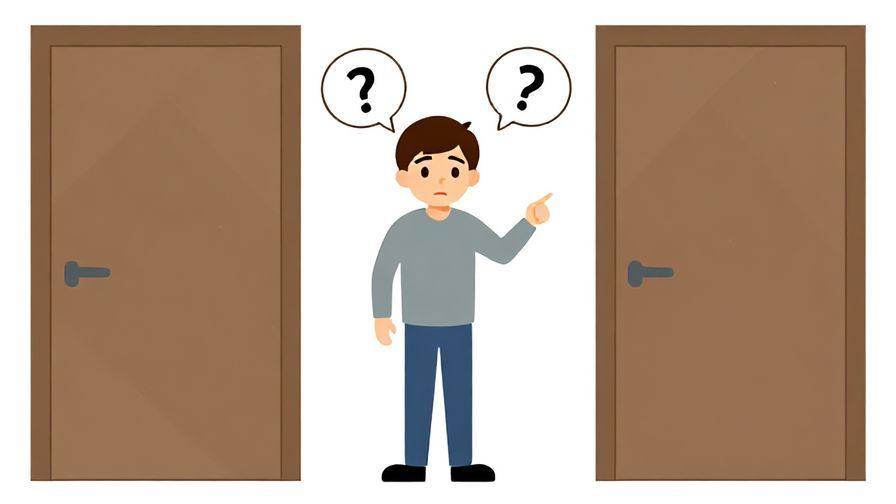
This means “Which one?” and is used when you’re confused between two options.
It’s casual and very common in conversations.
Great for expressing confusion about choices.
Can be combined with どれ? (Dore?) meaning “Which one?” for more options.
Perfect for shopping, deciding, or any situation with multiple possibilities.
Use it to sound natural and curious when making decisions.
8. どういうこと? (Dou iu koto?) – “What do you mean?”

This phrase literally asks “What kind of thing (is that)?” and is used to express confusion about meaning.
It’s casual but polite enough for everyday use.
Perfect for when someone says something unclear or surprising.
Helps you get clarification without sounding rude.
Try pairing it with それは? (Sore wa?) meaning “What about that?” for emphasis.
It’s a friendly and effective way to say “I don’t get it.”
Part 2: Polite & Formal Suggestions
9. わかりません (Wakarimasen) – “I don’t understand” (polite)

This is the polite form of わからない (wakaranai) and means “I don’t understand.”
Use it in formal situations or with people you don’t know well.
It’s an essential phrase for polite conversation.
Good to use in classrooms, business meetings, or with elders.
Pair it with もう一度お願いします (Mou ichido onegaishimasu) to politely ask for repetition.
Showing respect while expressing confusion goes a long way!
10. 失礼ですが、よくわかりません (Shitsurei desu ga, yoku wakarimasen) – “Excuse me, I don’t quite understand”

This phrase adds a polite apology (失礼ですが, shitsurei desu ga) before saying you don’t understand fully (よくわかりません, yoku wakarimasen).
It’s very formal and respectful.
Use it when you want to be extra courteous.
Great for professional and academic settings.
It softens the confusion and shows humility.
Try it when you want to keep the tone very polite and gentle.
11. 少し混乱しています (Sukoshi konran shiteimasu) – “I’m a little confused” (polite)

This is the polite form of ちょっと混乱してる, good for formal conversations.
Use it when you want to express mild confusion politely.
The phrase balances honesty and respect.
Perfect for meetings or formal discussions.
You can follow up by asking for clarification politely.
It shows you’re engaged but need a bit more explanation.
12. どのような意味ですか? (Dono you na imi desu ka?) – “What does it mean?” (formal)

This formal phrase asks “What kind of meaning is this?”
Perfect for clarifying when you don’t understand a word or concept.
Use it in professional or academic contexts.
It’s a polite and clear way to ask for explanation.
Often paired with もう一度説明してください (Mou ichido setsumei shite kudasai) meaning “Please explain again.”
It helps keep discussions clear and respectful.
13. 申し訳ありませんが、理解できません (Moushiwake arimasen ga, rikai dekimasen) – “I’m sorry, I can’t understand”

This is a very polite, humble way to admit you don’t understand.
Use it when you want to show deep respect or apologize for your confusion.
Common in business or formal events.
It’s a good phrase when you want to be very careful with your words.
Pair it with a request for repetition or explanation.
It shows professionalism even in moments of confusion.
14. ちょっと分かりづらいです (Chotto wakarizurai desu) – “It’s a little hard to understand”

This phrase expresses that something is difficult to understand politely.
It’s useful to give feedback without sounding blunt.
Good for teachers, coworkers, or anyone explaining something complex.
You can use it to ask for simpler explanations.
It’s a nice middle ground between politeness and honesty.
Try it when you want to gently express confusion in formal settings.
15. ちょっと混乱気味です (Chotto konran gimi desu) – “I’m somewhat confused” (formal)

This phrase means you’re “somewhat” or “kind of” confused, polite and formal.
Use it when you want to acknowledge confusion without overstating it.
It’s subtle and useful in professional or polite conversations.
Good for gradual confusion or when you’re not completely lost.
It shows awareness and control over your feelings.
Perfect for discussions where you want to stay composed.
16. ちょっと理解が追いついていません (Chotto rikai ga oitsuite imasen) – “I’m a bit behind in understanding”

This phrase means you’re struggling to keep up with understanding.
It’s polite and often used in learning or professional contexts.
Shows honesty about your mental state without sounding negative.
Great for classrooms, meetings, or workshops.
It invites patience and perhaps a slower pace.
Try it when you need things explained more slowly or clearly.
Part 3: Very Casual / Native-like Expressions
17. 何言ってるの? (Nani itteru no?) – “What are you saying?”

This casual phrase means “What are you saying?” and is used to express confusion or disbelief.
It’s very informal and common among friends.
Use it when you don’t understand or think something sounds strange.
Can come off blunt if not used carefully.
Pair with a smile or laugh to keep it lighthearted.
It’s perfect for casual conversations with people you know well.
18. 何それ? (Nani sore?) – “What’s that?”

This phrase means “What’s that?” and expresses surprise or confusion.
It’s short, casual, and very common in everyday speech.
Great for showing you’re puzzled about something unexpected.
It can sound playful or skeptical depending on tone.
Use it with friends or people you’re close to.
It’s a nice way to keep conversations lively and natural.
19. えーっと (Eetto) – “Umm…” (thinking sound)

This is a common filler word used when you’re thinking or unsure.
It’s not exactly “I’m confused,” but shows hesitation or searching for words.
Used by natives all the time in casual conversation.
Try using it to sound more natural and less robotic.
It buys you time while you gather your thoughts.
Perfect for moments when you don’t immediately know how to respond.
20. なんか変だな (Nanka hen da na) – “Something’s weird”

This phrase means “Something feels off” or “Weird” in a casual way.
It’s great for expressing a vague sense of confusion or doubt.
Use it when you sense something doesn’t add up.
Very informal and common in everyday speech.
Perfect for friends or informal chats.
It shows you’re picking up on subtle confusion.
21. 頭がこんがらがってる (Atama ga kongaragatteru) – “My head is all tangled”

This fun phrase literally means “My head is tangled up.”
It’s a colorful way to say you’re very confused.
Used casually among friends or family.
It paints a vivid mental image that makes it memorable.
Try it when you feel overwhelmed or mixed up.
It’s a great phrase to show strong confusion in a playful way.
22. わけわかんない (Wake wakannai) – “I don’t get it at all”

This very casual phrase means “I don’t understand at all.”
It’s slangy and often used among younger people.
Perfect for expressing total confusion or frustration.
Not suitable for formal settings but great for casual chats.
It’s a strong way to say you’re completely lost.
Use it when you want to sound like a native teenager or young adult.
Concluding Thought
Exploring all these ways to say “I’m confused” in Japanese shows just how rich and flexible the language is.
From polite expressions to casual slang, you can pick the right phrase for every situation and mood.
Remember, confusion isn’t a setback—it’s a doorway to deeper understanding and connection. So keep practicing and enjoy the journey!