22 Japanese ways to say “This is fun”
Finding fun in life is universal, and expressing it in different languages adds a little sparkle to our day. Japanese offers many ways to say “This is fun,” each with its own nuance and vibe.
Whether you’re chatting with friends, learning the language, or just curious, these phrases will bring warmth and authenticity to your conversations. They’re easy to pick up and perfect for casual or polite settings.
From simple expressions to native-like slang, Japanese captures the joy of fun in a variety of delightful ways. Let’s dive into 22 expressions to help you say “This is fun” with confidence and style.
Learning these phrases not only boosts your language skills but also connects you to the culture behind the words. It’s like sharing a smile in a new language.
Ready to brighten your vocabulary and make your Japanese conversations more engaging? These phrases will help you do just that.
Let’s get started and explore the many ways to say “This is fun” in Japanese!
Getting Started with Fun Expressions
Before we jump into the list, it’s helpful to understand the core word for “fun” in Japanese: 楽しい (たのしい, tanoshii), which means “enjoyable” or “fun.”
Most phrases will revolve around this adjective, combined with different particles or verbs to express various shades of fun.
Knowing this root makes it easier to remember and create your own fun sentences!
If you’d like a solid foundation, consider picking up a beginner Japanese phrasebook to guide your studies.
With that, you’re ready to explore casual, polite, and native-like ways to say “This is fun”!
Part 1: Casual Suggestions
1. 楽しい! (Tanoshii!) – “Fun!”
The simplest way to say “This is fun” is just “楽しい!” which means “Fun!” or “It’s fun!”
This single word captures the feeling instantly and is perfect for informal situations.
It’s easy to remember since it’s just the adjective on its own.
Use it to react quickly when you’re enjoying something.
You can also add ね (ne) at the end for a friendly vibe: 楽しいね!(Tanoshii ne!) meaning “It’s fun, isn’t it?”
Perfect for casual chats or expressing excitement naturally.
2. すごく楽しい! (Sugoku tanoshii!) – “Super fun!”
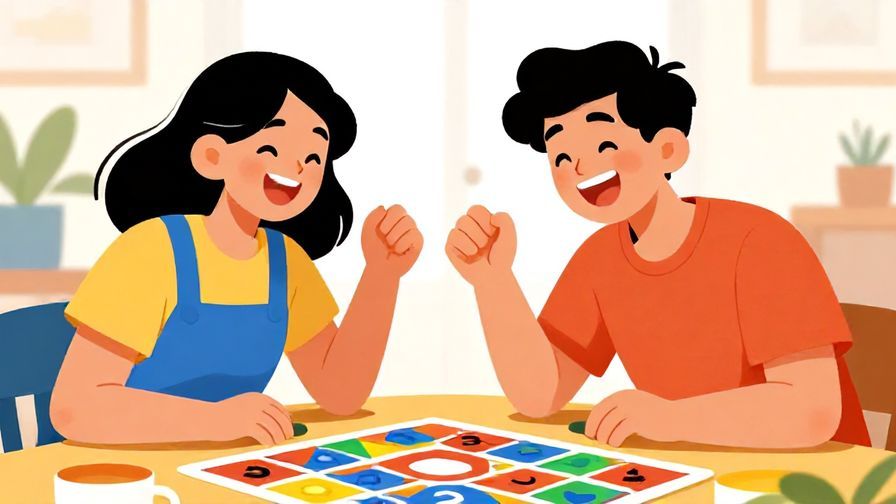
Add some excitement by saying “すごく楽しい!” which means “Super fun!”
“すごく” (sugoku) means “very” or “super,” so it amps up the fun vibe in your sentence.
This phrase is great to show you’re having a lot of fun.
It’s a bit more expressive than just 楽しい.
You might hear this when friends are really enjoying an activity together.
Try saying it after a fun event to share your enthusiasm.
3. 楽しんでる! (Tanoshinderu!) – “Having fun!”

“楽しんでる” is a casual contraction of “楽しんでいる,” meaning “I’m having fun!”
It’s a verb form that shows you’re currently enjoying yourself.
This phrase is handy when describing ongoing fun.
It’s more conversational and natural than just saying 楽しい.
Use it with friends when you want to express you’re deeply enjoying the moment.
It’s a great phrase to practice daily and share your mood.
4. 楽しいよ! (Tanoshii yo!) – “It’s fun, you know!”

Adding よ (yo) at the end makes it a friendly statement to confirm the fun.
“楽しいよ!” suggests you’re telling someone it’s definitely fun.
This phrase is perfect when you want to encourage others to join in.
It’s casual but adds a sense of enthusiasm.
Use it to share your positive experience with others.
It’s an inviting way to say “You’ll have fun!”
5. 最高に楽しい! (Saikou ni tanoshii!) – “Extremely fun!”

“最高に” means “the best” or “extremely,” so this phrase means “Extremely fun!”
It’s a stronger way to express top-level enjoyment.
Use it when you want to praise an experience as the best fun.
This is perfect for celebrations or unforgettable moments.
It’s a phrase that shows you’re genuinely impressed by the fun.
Try it to express excitement after an amazing day.
6. 楽しい時間! (Tanoshii jikan!) – “Fun time!”
“楽しい時間” literally means “fun time.”
It’s a phrase to describe moments or periods that are enjoyable.
Use it when reminiscing or highlighting a fun part of your day.
It’s a nice way to label those good times.
Great for casual conversation or social media posts.
Try pairing it with photos or memories to share the feeling.
7. めっちゃ楽しい! (Meccha tanoshii!) – “Really fun!” (Kansai dialect)

“めっちゃ” (meccha) is Kansai dialect for “very” or “really.”
So, “めっちゃ楽しい!” means “Really fun!” with a friendly, regional twist.
This phrase adds local flavor and casual energy.
Great for informal conversations and to sound more native.
Use it when you want to emphasize fun in a lively way.
Perfect for chatting with friends or at festivals.
8. 楽しいね! (Tanoshii ne!) – “It’s fun, isn’t it?”

Adding ね (ne) at the end invites agreement, making it “It’s fun, isn’t it?”
This phrase is perfect for bonding over shared experiences.
It’s casual and friendly, encouraging connection.
Use it when you want to check if others feel the same way.
It’s one of the most natural ways to express fun together.
Try using it often to build rapport.
Part 2: Polite & Formal Suggestions
9. 楽しいです。 (Tanoshii desu.) – “It is fun.” (Polite)

When you want to be polite, “楽しいです” is the way to go.
It’s a simple, respectful expression meaning “It is fun.”
Use it in workplaces or with people you don’t know well.
This phrase keeps things friendly but formal.
It’s easy to remember because it’s the adjective plus “です.”
Practice it to sound polite without losing warmth.
10. とても楽しいです。 (Totemo tanoshii desu.) – “It is very fun.” (Polite)

Add “とても” (totemo) for “very” in polite speech: “とても楽しいです.”
It’s perfect to express enthusiastic enjoyment formally.
Use this phrase to compliment events, presentations, or meals politely.
It sounds respectful yet heartfelt.
Great for emails, meetings, or formal chats.
Try combining it with a smile for best effect.
11. 楽しゅうございます。 (Tanoshū gozaimasu.) – “It is enjoyable.” (Very formal)
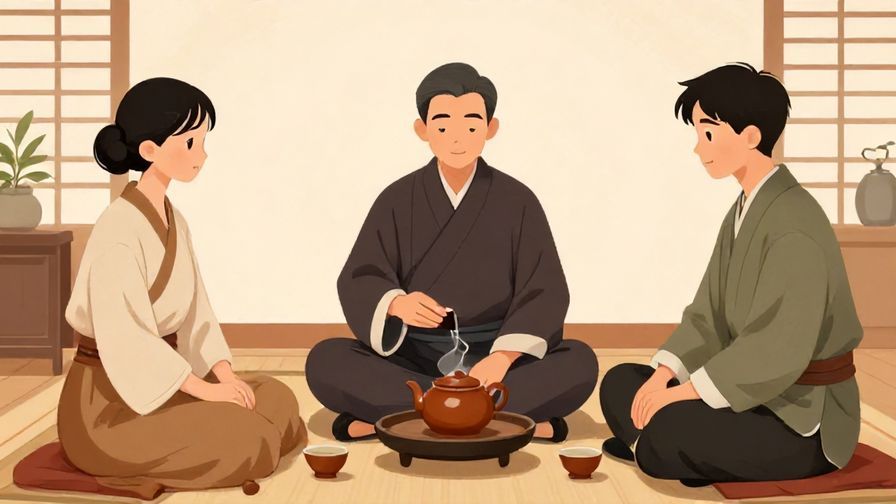
This is a very formal and old-fashioned way to say “It is enjoyable.”
“楽しゅうございます” uses classical grammar, typical in formal speeches or ceremonies.
Most learners don’t need this daily, but it’s good to recognize.
It’s polite and respectful, often heard in traditional settings.
Use it only if you want to sound very refined.
Otherwise, stick to simpler polite forms.
12. 楽しいと感じます。 (Tanoshii to kanjimasu.) – “I feel it’s fun.” (Polite)

This phrase means “I feel it’s fun,” adding a personal touch.
“感じます” (kanjimasu) means “to feel,” making the phrase polite and introspective.
Use it to express your honest feelings politely.
It’s useful in formal conversations or feedback.
It shows thoughtfulness and sincerity.
Try it when sharing your impressions in interviews or meetings.
13. 楽しいと思います。 (Tanoshii to omoimasu.) – “I think it’s fun.” (Polite)

“思います” (omoimasu) means “to think.”
“楽しいと思います” says “I think it’s fun,” polite and thoughtful.
It’s a great phrase to express opinion politely.
Use it when giving feedback or sharing impressions formally.
It sounds respectful and open-minded.
Practice it to sound professional yet warm.
14. 楽しいですよ。 (Tanoshii desu yo.) – “It’s fun, you know.” (Polite)

Adding よ (yo) to polite speech adds emphasis and friendliness.
“楽しいですよ” means “It’s fun, you know,” inviting others to share the feeling.
Use this phrase to encourage or reassure politely.
It balances respect with warmth.
Perfect for polite invitations or recommendations.
Try it when inviting colleagues to join activities.
15. 楽しく過ごせます。 (Tanoshiku sugosemasu.) – “Can spend time enjoying.” (Polite)

“楽しく” is the adverb form of 楽しい, and “過ごせます” means “can spend (time).”
Together, it means “Can spend time enjoying.”
This phrase is polite and implies an ongoing experience of fun.
Great for talking about plans or past enjoyable times.
It’s slightly formal but warm.
Use it when describing how you like to spend your time.
16. 楽しい気分です。 (Tanoshii kibun desu.) – “I’m in a fun mood.” (Polite)

“気分” (kibun) means “mood,” so this phrase means “I’m in a fun mood.”
It’s polite and personal, sharing how you feel emotionally.
Use it to express your mood in conversations or messages.
It’s a subtle but effective way to say you’re enjoying yourself.
Perfect for polite chats with coworkers or acquaintances.
Try it to bring positive vibes to your interactions.
Part 3: Very Casual / Native-like Expressions
17. 楽し〜! (Tanoshii~!) – “So fun!” (Casual elongation)
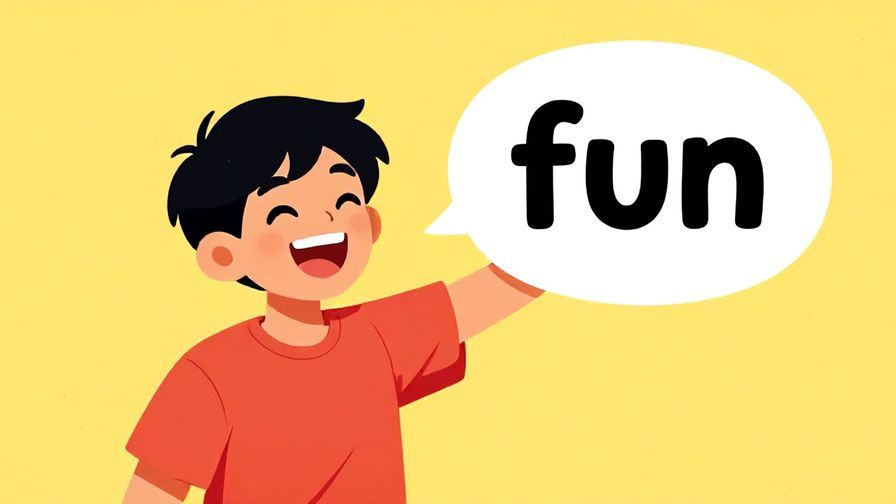
Stretching the last vowel sound adds a playful tone: “楽し〜!”
This is very casual and common among young people.
It emphasizes the fun in a relaxed, friendly way.
Use it with friends or in informal texts.
It sounds spontaneous and lively.
Try it to sound like a native teen or young adult.
18. めっちゃ楽しいわ! (Meccha tanoshii wa!) – “Really fun!” (Very casual, Kansai dialect)

“わ” (wa) at the end softens the sentence and is common in Kansai dialect.
“めっちゃ楽しいわ!” means “Really fun!” with a very casual, local feel.
It’s friendly and expressive, perfect for native conversations.
Use it to sound more natural and regional.
It’s common in casual chat or social media.
Try it to impress friends with dialect flair.
19. 最高! (Saikou!) – “The best!” (Casual praise)

“最高” means “the best” and is often used to express great fun or excitement.
It’s short, punchy, and casual.
Use it to hype up an event or experience.
It’s a native favorite for showing extreme enjoyment.
Try it when something exceeds your expectations.
Perfect for casual conversations or social posts.
20. 楽しいっしょ! (Tanoshissho!) – “It’s fun, right?” (Very casual)

“っしょ” (ssho) is a casual contraction of でしょう, meaning “right?”
“楽しいっしょ!” means “It’s fun, right?”
It’s very informal and common among friends.
Use it to confirm shared excitement or fun.
It’s a great phrase to sound like a native speaker.
Try it in casual chats or group texts.
21. 楽しすぎ! (Tanoshisugi!) – “Too fun!” (Casual exaggeration)

“すぎ” (sugi) means “too much,” so “楽しすぎ” means “Too fun!”
It’s an enthusiastic, casual way to say something is excessively fun.
Use it to exaggerate your enjoyment playfully.
It’s perfect for informal and energetic conversations.
Try it when you’re having a blast and want to express it strongly.
Great for social media captions or texting friends.
22. マジで楽しい! (Maji de tanoshii!) – “Seriously fun!” (Very casual)

“マジで” means “seriously” or “really,” a popular slang term.
“マジで楽しい!” means “Seriously fun!”
It’s casual, cool, and widely used by young people.
Use it to express genuine excitement and fun.
It’s a great phrase to blend casual speech with strong feeling.
Try it at parties, events, or with close friends.
Concluding Thought
Exploring these 22 Japanese ways to say “This is fun” shows how rich and expressive the language can be. From simple adjectives to casual slang, each phrase carries a unique feeling.
Whether you want to sound polite or blend in with native speakers, there’s a phrase here for every situation. Using them will make your Japanese more natural and your interactions more joyful.
So go ahead, pick your favorites, practice them, and most importantly, have fun saying “This is fun” in Japanese!