22 Japanese ways to say “Written in the stars”
Ever wondered how to say “Written in the stars” in Japanese? It’s a beautiful phrase that captures destiny, fate, or something meant to be.
Whether you’re talking about love, friendship, or life paths, there are many warm, poetic ways to express this idea in Japanese.
In this list, we’ll explore 22 different phrases and expressions that convey that magical, destined feeling.
You’ll find casual, formal, and native-like expressions—each with pronunciation guides and simple explanations.
These will not only enrich your vocabulary but also help you connect more deeply with Japanese culture and language.
Ready to discover some stellar Japanese phrases? Let’s dive in!
Exploring the Language of Fate and Destiny
Japanese has a rich vocabulary when it comes to destiny and things that feel meant to be.
From poetic to everyday sayings, the language captures the nuances of “written in the stars” beautifully.
You’ll notice that many phrases revolve around words like fate (運命, unmei), destiny (宿命, shukumei), and stars (星, hoshi).

Sometimes, a great Japanese language book can help you understand these nuances better.
By learning these phrases, you can express destiny in a way that feels natural and heartfelt.
Let’s start with some casual, easy expressions before moving on to more formal and native-sounding ones.
Part 1: Casual Suggestions
1. 運命だね (Unmei da ne) – “It’s fate, isn’t it?”

This phrase is straightforward and perfect for casual conversations about fate.
運命 (unmei) means “fate” or “destiny,” and adding だね (da ne) gives it a friendly, confirming tone.
You can use it when something seems meant to happen.
It’s a simple way to say “written in the stars” in everyday talk.
Related phrases include 運命的 (unmeiteki), meaning “fateful” or “destined.”
Try using it when you meet someone special or experience a meaningful coincidence.
2. 星に願いを (Hoshi ni negai o) – “A wish upon a star.”

This phrase literally means “wish to the stars” and captures the feeling of hope tied to fate.
星 (hoshi) means “star,” and 願い (negai) means “wish.”
It’s warm and poetic, great for romantic or hopeful contexts.
Be careful not to confuse it with 星の願い事 (hoshi no negaigoto), which is more formal.
Use it when talking about dreams or things you hope are destined.
It’s a gentle and beautiful way to express belief in destiny.
3. 宿命だよね (Shukumei da yo ne) – “It’s destiny, right?”

宿命 (shukumei) means “destiny” or “fate” but with a slightly heavier, more serious tone than 運命 (unmei).
Adding だよね (da yo ne) softens it, making it sound like an easy-going confirmation.
This phrase works well to express that something is “meant to be.”
It’s a bit more poetic but still casual enough for friendly chats.
Remember, 宿命 can also imply inevitability, so context matters.
Great for moments when you feel something was truly destined.
4. 星が導いた (Hoshi ga michibiita) – “The stars guided (us).”

This phrase means “the stars led the way,” implying destiny directed events.
星 (hoshi) means “star,” and 導いた (michibiita) is the past form of “to guide.”
It’s poetic and works well in stories or romantic contexts.
You can use it to describe feeling led by fate.
Be mindful it’s a bit more formal than casual talk.
Perfect for describing moments that feel magically guided.
5. 運命の出会い (Unmei no deai) – “A fateful encounter.”
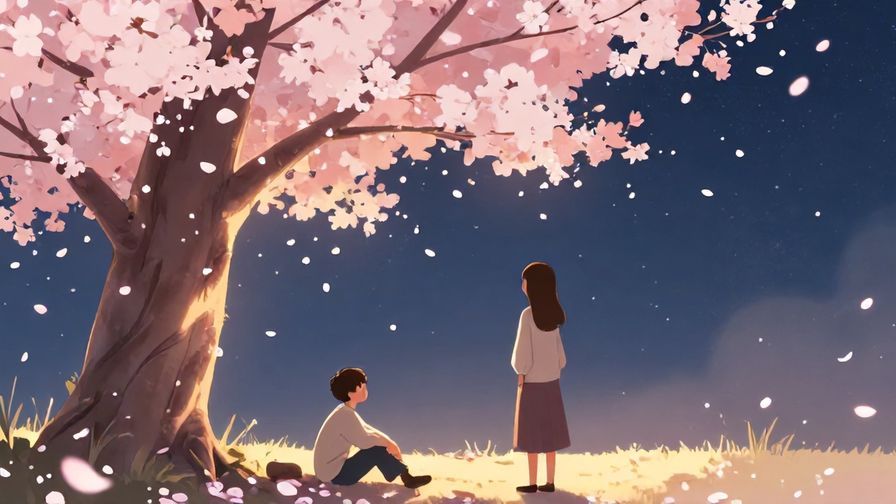
運命 (unmei) means “fate,” and 出会い (deai) means “encounter.”
This phrase is great for describing meetings that seem destined.
It’s commonly used in romance or friendships.
It’s slightly more descriptive than just “fate.”
Try it when talking about those “meant to be” moments.
It adds a touch of magic and significance to meetings.
6. 星に導かれて (Hoshi ni michibikarete) – “Guided by the stars.”

This phrase suggests being led or inspired by the stars, symbolizing fate’s guidance.
導かれて (michibikarete) means “being guided.”
It’s poetic and often used in literature or songs.
It’s a lovely way to express destiny’s gentle pull.
Use it when you want to add a dreamy, reflective tone.
Great for writing or heartfelt conversations.
7. 星は味方だ (Hoshi wa mikata da) – “The stars are on our side.”

This phrase captures the feeling that fate or the universe supports you.
味方 (mikata) means “ally” or “supporter.”
It’s casual and optimistic.
You can say it when things seem to go your way, thanks to destiny.
Be careful not to confuse it with 味方する (mikata suru), which is the verb form.
It’s perfect to boost confidence and celebrate good fortune.
8. 星の導き (Hoshi no michibiki) – “The guidance of the stars.”

This phrase is poetic and elegant, often used in more formal or artistic contexts.
導き (michibiki) means “guidance.”
It’s perfect for talking about destiny in a beautiful, figurative way.
Use it when you want to sound lyrical or thoughtful.
It’s commonly found in poems, songs, or spiritual talks.
Great for expressing the mysterious pull of fate.
Part 2: Polite & Formal Suggestions
9. 運命に導かれて (Unmei ni michibikarete) – “Guided by fate.”
This phrase is polite and formal, suitable for speeches or writing.
運命 (unmei) means “fate,” and 導かれて (michibikarete) means “being guided.”
It expresses a respectful tone about destiny’s influence.
Perfect for formal conversations or presentations.
It’s often used in literature or philosophical discussions.
Try it when you want to sound thoughtful and serious.
10. 宿命的な巡り合わせ (Shukumeiteki na meguriawase) – “A fateful meeting.”
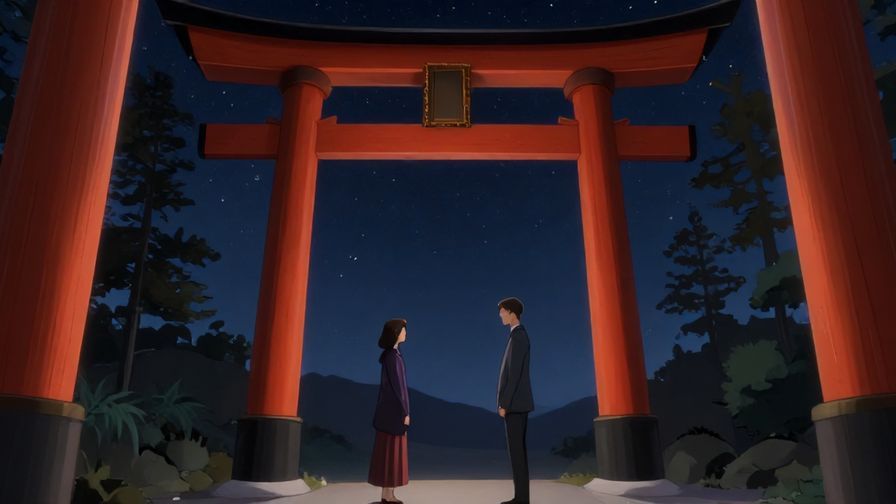
宿命的 (shukumeiteki) means “fateful,” and 巡り合わせ (meguriawase) means “chance encounter” or “meeting.”
This phrase is formal and poetic, great for writing or speeches.
It emphasizes the inevitability of important meetings.
Use it in polite conversations or literary contexts.
It conveys a deep sense of destiny beyond casual chat.
Perfect if you want to impress with your eloquence.
11. 星の巡り合わせ (Hoshi no meguriawase) – “The arrangement of the stars.”
This phrase refers to the cosmic alignment that determines fate.
巡り合わせ (meguriawase) means “chance” or “arrangement.”
It’s poetic and formal, often used in literature.
Use it when discussing fate with a spiritual or philosophical tone.
It beautifully captures the “written in the stars” feeling.
Great for essays or thoughtful conversations.
12. 運命づけられた (Unmei dzukerareta) – “Destined.”

This phrase means “to be destined” or “fated.”
It’s formal and can be used in writing or polite speech.
運命 (unmei) is “fate,” and づけられた (dzukerareta) means “was assigned” or “was destined.”
It’s a strong way to express that something was meant to happen.
Perfect for speeches, novels, or serious talks.
Use it when you want to highlight inevitability.
13. 星が定めた (Hoshi ga sadameta) – “Set by the stars.”
This phrase means “determined or set by the stars.”
定めた (sadame ta) means “decided” or “set.”
It’s formal and poetic, great for written expressions.
Use it when emphasizing that destiny is written in the stars.
It’s often used in literary or spiritual contexts.
Perfect for conveying a sense of destiny’s authority.
14. 宿命として (Shukumei to shite) – “As destiny.”

This phrase means “as destiny” or “in the form of fate.”
It’s polite and fits formal writing or speeches.
Use it to explain that something is accepted as fate.
It’s a respectful way to talk about destiny’s role.
Try it in philosophical or serious discussions.
It adds depth and gravity to your words.
15. 星に誓って (Hoshi ni chikatte) – “Sworn by the stars.”

This phrase means “to swear or vow by the stars.”
It’s formal and poetic, often used in promises or declarations.
誓って (chikatte) means “to swear” or “to vow.”
Use it when you want to express a strong commitment backed by destiny.
It’s a beautiful and serious way to tie fate to promises.
Great for heartfelt speeches or vows.
16. 星の運命に従う (Hoshi no unmei ni shitagau) – “Follow the destiny of the stars.”

This phrase means “to obey or follow the fate decided by the stars.”
従う (shitagau) means “to follow” or “to obey.”
It’s formal and reflective, suitable for serious contexts.
Use it when discussing acceptance of destiny’s plan.
It’s a graceful way to express surrender to fate.
Perfect for deep conversations or writing.
Part 3: Very Casual / Native-like Expressions
17. 星に書いてある (Hoshi ni kaite aru) – “It’s written in the stars.”

Literally “written in the stars,” this phrase is casual and native-sounding.
書いてある (kaite aru) means “is written.”
It’s perfect for everyday use, especially when something feels obviously destined.
It’s easy to remember and direct.
Use it with friends or in informal conversations.
It captures exactly the meaning you want, simply and clearly.
18. 星のせいだね (Hoshi no sei da ne) – “It’s because of the stars.”

This phrase attributes events to the stars, implying destiny’s role.
せい (sei) means “because of” or “fault,” but in this context, it’s playful.
It’s casual and friendly.
Use it to joke or lightly point to fate as the reason for things.
It’s a relaxed way to talk about destiny with a smile.
Great for casual chats and fun moments.
19. 星がつながってる (Hoshi ga tsunagatteru) – “The stars are connected.”

This phrase suggests a cosmic connection, like destiny linking people or events.
つながってる (tsunagatteru) means “are connected.”
It’s casual and warm.
Use it when talking about relationships or moments that feel intertwined by fate.
It’s a beautiful, native-like expression for destiny’s bonds.
Perfect for heartfelt conversations with close friends.
20. 星に任せよう (Hoshi ni makaseyou) – “Let’s leave it to the stars.”

This phrase means “let’s trust the stars” or “leave it to fate.”
任せよう (makaseyou) is a casual volitional form meaning “let’s entrust.”
It’s a native, laid-back way to talk about fate.
Use it when you want to express trust in destiny with friends.
It’s great for encouraging acceptance and optimism.
A perfect phrase for casual, supportive talks.
21. 星が味方してる (Hoshi ga mikata shiteru) – “The stars are on our side.”

This casual expression means the stars are supporting you.
味方してる (mikata shiteru) means “are supporting.”
It’s informal and positive.
Use it to cheer someone on or celebrate good fortune.
It feels native and warm, perfect for everyday conversation.
A wonderful way to share optimism and belief in fate’s help.
22. 星に誓うよ (Hoshi ni chikau yo) – “I swear by the stars.”

This phrase is casual but heartfelt, perfect for promises or vows.
誓うよ (chikau yo) means “I swear” or “I promise.”
It’s native-sounding and emotional.
Use it when making sincere promises that feel destined.
It’s a touching way to connect destiny and commitment.
Great for romantic or deep personal moments.
Concluding Thought
Exploring these 22 Japanese ways to say “Written in the stars” shows the rich tapestry of how the language expresses fate and destiny.
From casual to formal, and poetic to native-like, each phrase offers a unique way to connect with this beautiful concept.
Keep practicing these expressions, and you’ll find yourself speaking about destiny in a warm, natural, and meaningful way in Japanese.