22 Japanese ways to say “Meant to be”
Sometimes, in life, we stumble upon moments that feel just right — like they were written in the stars.
In Japanese, there are many beautiful ways to express the idea of something being “meant to be.”
From poetic phrases to casual expressions, these words capture fate, destiny, and perfect timing.
Whether you’re learning Japanese or just love the language’s charm, exploring these phrases will warm your heart and enrich your vocabulary.
Plus, knowing these can help you share your feelings more deeply and connect with others on a meaningful level.
Let’s dive into 22 Japanese ways to say “meant to be” with explanations and pronunciation guides!
Understanding Fate and Destiny in Japanese
Before we jump into the phrases, it’s helpful to know that Japanese often ties “meant to be” to concepts like destiny (運命, unmei) and fate (宿命, shukumei).
Many expressions also reflect a sense of natural flow or serendipity, blending feelings and philosophy.
These nuances make each phrase special in its own way.
Sometimes, a great Japanese language learning resource can help you get comfortable with these ideas.
Next, we’ll explore expressions from casual to formal, and even some native-like colloquialisms.
You’ll find examples and tips to practice each one easily.
Part 1: Casual Suggestions
1. 運命だよね (Unmei da yo ne) – “It’s destiny, right?”

This phrase is a simple, casual way to say something feels destined.
運命 (unmei) means “destiny,” and だよね (da yo ne) adds a friendly, confirming tone.
It’s great among friends or loved ones when you want to express “this was meant to happen.”
Adding よね (yo ne) invites agreement and warmth.
You might hear this after a chance meeting or a meaningful coincidence.
Try using it when you want to highlight fate in everyday moments!
2. きっとそうなる (Kitto sou naru) – “It will surely happen.”

This phrase blends certainty with a hopeful feeling.
きっと (kitto) means “surely” or “definitely,” and そうなる (sou naru) means “will become like that.”
It’s casual but confident—perfect for when you believe fate will take its course.
Use it to comfort someone or yourself about future outcomes.
It’s easy to remember because きっと often appears in encouraging phrases.
Practice by predicting good things with friends to get used to it!
3. 縁がある (En ga aru) – “There’s a connection (fate).”
縁 (en) means “fate” or “bond,” and ある (aru) means “exists.”
It expresses that a meaningful connection or destiny exists between people or events.
This phrase can be used casually or semi-formally.
It’s a great way to talk about relationships or encounters that feel “meant to be.”
Try saying this when meeting someone new who seems special or when reflecting on past events.
It’s a heartwarming phrase that captures serendipity beautifully.
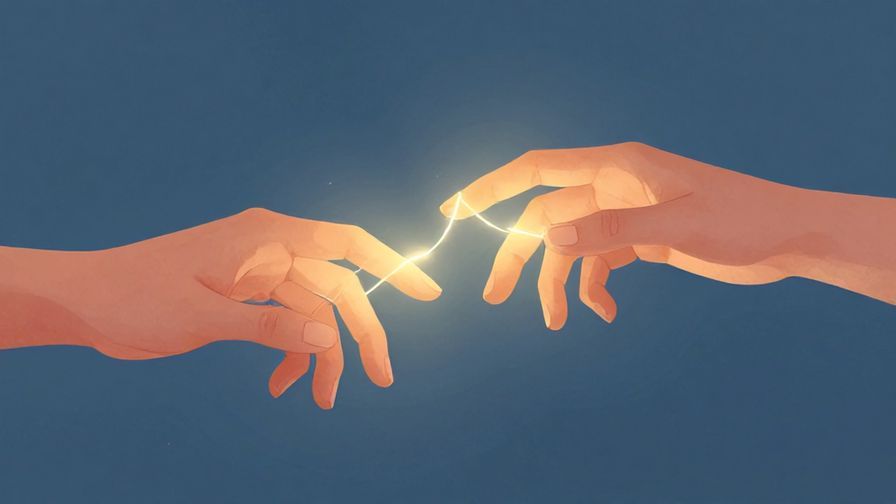
4. 運命の赤い糸 (Unmei no akai ito) – “The red thread of destiny.”
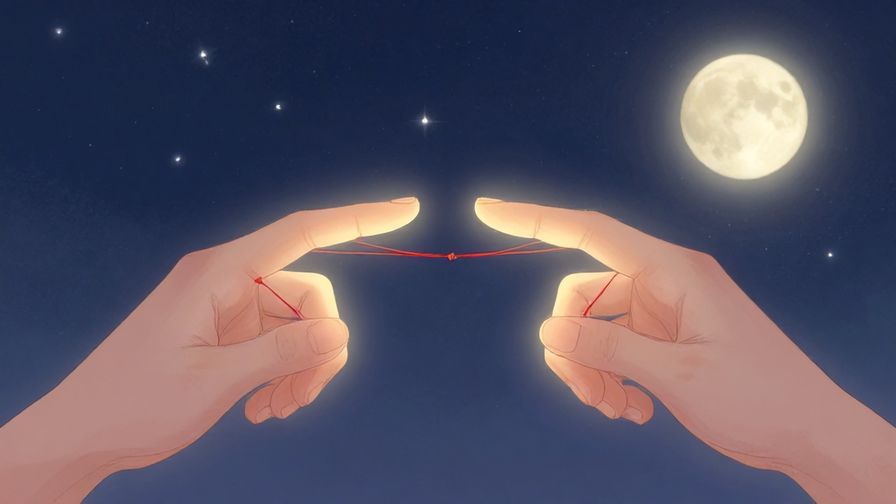
This phrase is a classic Japanese metaphor for destined relationships.
運命 (unmei) means “destiny,” 赤い (akai) means “red,” and 糸 (ito) means “thread.”
It suggests that two people are connected by an invisible red thread from birth.
Often used romantically, it’s a poetic way to say someone is your “meant to be.”
It’s a popular phrase in love stories and everyday chats about soulmates.
Keep this in mind when talking about deep, fated love.
5. 必然だね (Hitsuzen da ne) – “It’s inevitable.”

必然 (hitsuzen) means “inevitability” or “something that must happen.”
This phrase is more about fate being unavoidable.
だね (da ne) adds a friendly, confirming nuance.
Use this when something feels like it was bound to happen, no matter what.
It’s slightly stronger than just “meant to be,” implying a natural order.
Great for emphasizing the certainty of fate in conversations.
6. そうなる運命 (Sou naru unmei) – “The destiny to become that.”

This phrase combines “that’s how it will be” with “destiny.”
そうなる (sou naru) means “to become like that,” and 運命 (unmei) means “destiny.”
It’s a poetic way to say something is destined to happen in exactly that way.
Perfect for storytelling or describing fated events.
It can be used casually or semi-formally depending on context.
Try it when narrating meaningful moments or future plans.
7. 仕方ないね (Shikata nai ne) – “It can’t be helped.”

This phrase literally means “there’s no way (to avoid it).”
While not directly saying “meant to be,” it expresses acceptance of fate.
仕方ない (shikata nai) is common in daily life to show a peaceful surrender to circumstances.
Adding ね (ne) softens it and invites empathy.
It’s useful when something happens beyond control, and you accept fate gracefully.
Use it to show maturity and understanding of life’s flow.
8. いい縁だね (Ii en da ne) – “It’s a good fate/bond.”
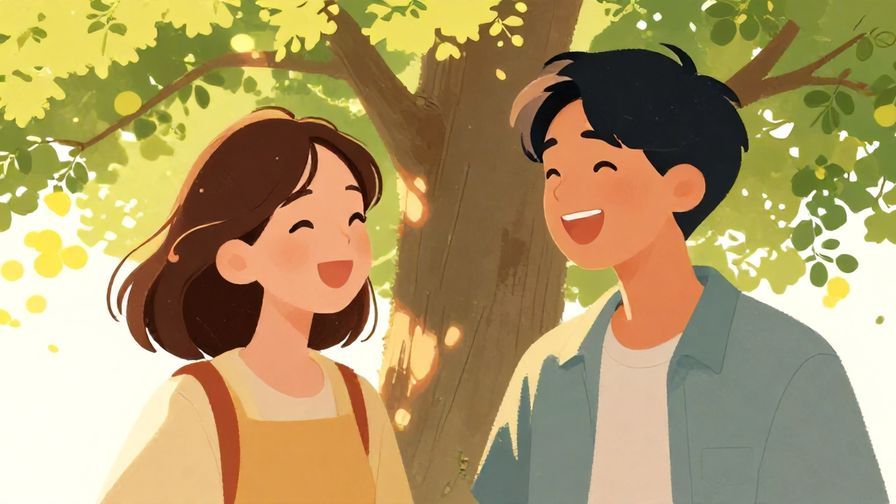
いい (ii) means “good,” 縁 (en) means “fate” or “bond,” and だね (da ne) adds a friendly tone.
This phrase highlights a positive, meaningful connection that feels destined.
It’s simple but heartfelt, great for casual chats.
Say this when you want to appreciate a special meeting or relationship.
It’s a wonderful way to express gratitude for fate’s kindness.
Try it next time you meet someone who feels like a gift from destiny.
Part 2: Polite & Formal Suggestions
9. 運命的な出会い (Unmeiteki na deai) – “A fateful encounter.”

This phrase is more formal and often used in literature or speeches.
運命的 (unmeiteki) means “fateful,” and 出会い (deai) means “encounter.”
It implies that a meeting was destined and significant.
Perfect for formal introductions or describing important life events.
Use it in writing or polite conversations to impress with your vocabulary.
Practice this phrase to sound polished and thoughtful.
10. 必然的な結果 (Hitsuzenteki na kekka) – “An inevitable result.”

This formal phrase stresses that a result was unavoidable.
必然的 (hitsuzenteki) means “inevitable,” and 結果 (kekka) means “result.”
It’s great for serious discussions or written Japanese.
Use it when explaining why something happened as a natural outcome.
It sounds intellectual and convincing in presentations or essays.
Try incorporating it into your formal speech or writing practice.
11. 運命づけられている (Unmei zukerarete iru) – “To be destined.”

This phrase literally means “to be assigned or destined by fate.”
運命 (unmei) means “destiny,” and づけられている (zukerarete iru) means “to be destined/assigned.”
It’s a polite and descriptive way to say something is fated.
Use it in thoughtful conversations or reflective writing.
It’s great for expressing the depth of fate’s influence on life.
Try it when discussing life’s big turning points.
12. 天命を受ける (Tenmei wo ukeru) – “To receive divine destiny.”

天命 (tenmei) means “divine destiny,” and 受ける (ukeru) means “to receive.”
This phrase implies receiving a higher calling or fate from the heavens.
It’s formal and spiritual, often used in philosophical or religious contexts.
Use it when speaking about life’s purpose or mission.
This phrase is perfect for deep discussions about meaning and destiny.
Practice it to express reverence for fate’s mysteries.
13. 宿命を背負う (Shukumei wo seou) – “To carry a fate/destiny.”

宿命 (shukumei) means “fate” or “destiny,” and 背負う (seou) means “to carry on one’s back.”
This phrase expresses carrying a heavy or unavoidable destiny.
It’s formal and poetic, often used in novels or serious talks.
Use it when describing someone’s life burden or mission.
It adds emotional weight and drama to your expression.
Try it in storytelling or when discussing challenges shaped by fate.
14. 定められた運命 (Sadamerareta unmei) – “A predetermined destiny.”
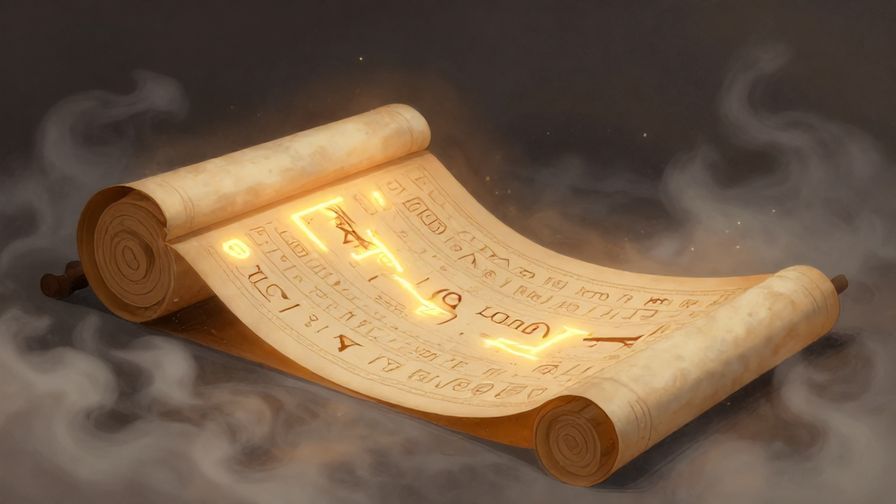
定められた (sadamerareta) means “predetermined,” and 運命 (unmei) means “destiny.”
This phrase highlights that destiny was decided beforehand.
It’s formal and serious, perfect for philosophical or literary uses.
Use it when reflecting on life’s inevitabilities with a sense of weight.
This phrase helps express the idea that some things are fixed by fate.
Practice it for writing essays or thoughtful conversations.
15. 運命に導かれる (Unmei ni michibikareru) – “To be guided by destiny.”

導かれる (michibikareru) means “to be guided,” so this phrase means being led by destiny.
It’s polite and poetic, great for reflective moments.
Use it when talking about how fate seems to direct your path.
This expression conveys a sense of trust and surrender to destiny.
Perfect when discussing your life journey or decisions.
Try using it to share stories about fate’s subtle guidance.
16. 縁結び (Enmusubi) – “Bonding by fate.”

縁結び (enmusubi) literally means “tying a bond” or “matchmaking.”
It’s often used in the context of romantic or spiritual connections made by fate.
Commonly associated with shrine visits for matchmaking luck.
This is a polite and culturally rich way to talk about destined relationships.
Use it when discussing love or friendships born from fate.
It’s a beautiful phrase to know and use in cultural conversations.
Part 3: Very Casual / Native-like Expressions
17. しょうがないよね (Shouganai yo ne) – “It can’t be helped, right?”

This is a very casual, colloquial way to express acceptance of fate.
しょうがない (shouganai) means “can’t be helped,” and よね (yo ne) invites agreement.
It’s often used among friends to shrug off things out of control.
While casual, it carries a deep cultural sense of accepting life’s flow.
Use it to sound more natural and native-like in everyday chats.
Try saying it when you want to accept something gracefully and casually.
18. たまたま会っただけ (Tamatama atta dake) – “Just happened to meet.”

This phrase downplays fate, implying a chance meeting but often used ironically to suggest “meant to be.”
たまたま (tamatama) means “by chance,” 会った (atta) means “met,” and だけ (dake) means “only.”
It’s casual and playful, often used in conversations about serendipity.
Use it to sound modest but hint at fate in a lighthearted way.
It’s good for storytelling or reminiscing about unexpected meetings.
Try it to add a native tone when talking about chance encounters.
19. ピンときた (Pin to kita) – “It just clicked.”
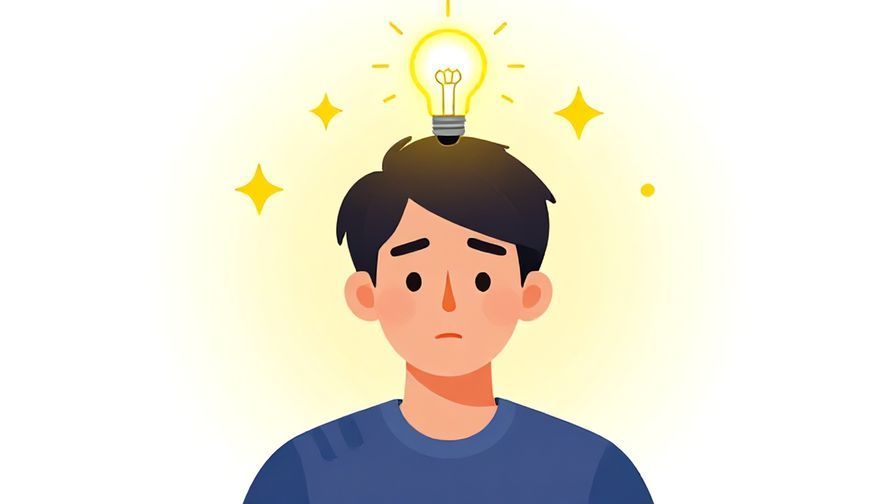
ピンとくる (pin to kuru) means “to hit the mark” or “to get a sudden feeling.”
Used casually, it expresses that something felt immediately right or destined.
It’s a native expression that shows intuition about fate.
Use it when you want to say something just felt meant to be in a flash.
Perfect for casual chats about gut feelings or instant connections.
Practice it to sound more like a native speaker in daily talk.
20. なんとなくそう感じた (Nantonaku sou kanjita) – “I just somehow felt it.”

なんとなく means “somehow” or “without clear reason,” 感じた (kanjita) means “felt.”
This casual phrase conveys a vague but strong feeling that something was destined.
It’s perfect for expressing subtle intuition and emotions.
Use it when you want to share a personal, heartfelt feeling about fate.
It’s a natural way to talk about destiny without being too direct.
Try using it in casual storytelling or conversations.
21. きっとそうだよ (Kitto sou da yo) – “It’s definitely like that.”

きっと (kitto) means “surely,” そうだよ (sou da yo) means “that’s how it is.”
This phrase is casual and confident, great for affirming fate or destiny.
It’s easy to use and sounds natural in conversation.
Use it when you want to assure someone that something was meant to be.
It carries warmth and certainty with a friendly vibe.
Practice it to boost your conversational fluency.
22. 運命感じる (Unmei kanjiru) – “I feel destiny.”

感じる (kanjiru) means “to feel,” so this phrase expresses feeling destined or fated.
It’s casual but deep, used when you want to share a personal sense of fate.
Perfect for romantic or meaningful moments.
Use it when describing that powerful feeling that “this was meant to be.”
It’s simple, emotional, and very relatable.
Try it to express your heart’s intuition naturally.
Concluding Thought
Exploring these 22 Japanese ways to say “meant to be” reveals just how rich and nuanced the language is when it comes to fate and destiny.
Whether you want to sound casual, poetic, or formal, there’s a perfect phrase waiting for you.
Keep practicing, and soon you’ll be able to express those beautiful moments when life feels perfectly aligned — in Japanese, too!