22 Japanese ways to say “It was fate”
Ever had one of those moments where you just know something was meant to be? That perfect timing, that unexpected meeting, or that twist of fate that feels like the universe is giving you a wink.
In Japanese, expressing this feeling is rich and varied—there are so many ways to say “It was fate,” each with its own nuance and warmth. Whether you want to sound casual, poetic, or deeply introspective, there’s a phrase for every mood.
Learning these expressions can not only deepen your understanding of the language but also give you a beautiful way to describe life’s serendipities.
So, if you’re ready to add some heartfelt Japanese phrases to your vocabulary, let’s dive into 22 ways to say “It was fate”—perfect for sharing those magical moments with friends or simply reflecting on life.
You’ll find practical examples, pronunciation tips, and a few fun cultural insights along the way.
By the end, you’ll be ready to recognize and express those special moments in Japanese like a native!
Understanding Fate in Japanese
Before jumping into the list, it’s good to know that “fate” in Japanese can be expressed using various words depending on context.
Words like 運命 (unmei), 縁 (en), and 巡り合わせ (meguriawase) all touch on fate but with subtle differences.
This variety allows you to choose the perfect phrase for the occasion.
Sometimes, a helpful Japanese language learning resource can clarify these nuances beautifully.
With this foundation, let’s explore the phrases!
You’ll see these expressions organized by casual, polite, and native-like styles to fit your mood.
Part 1: Casual & Common Ways to Say “It Was Fate”
1. 運命だった (Unmei datta) – “It was fate.”

This is probably the most straightforward and common way to say “It was fate.”
運命 (unmei) means “fate” or “destiny,” and だった (datta) is the past tense of “is,” so together it means “It was fate.”
You can use it to describe events or meetings that feel destined.
It’s simple and effective for conversations with friends or in storytelling.
For example, meeting someone special at just the right time — 運命だった。
It’s a great phrase to keep in your daily Japanese toolkit!
2. 縁があった (En ga atta) – “We had a connection/fate.”

縁 (en) means “connection” or “bond,” often used for fate that brings people together.
があった (ga atta) means “there was,” so 縁があった means “There was a connection” or “It was fate.”
This phrase is warm and personal, great for expressing meaningful relationships.
It’s common in both casual and slightly formal settings.
For example, when you meet someone unexpectedly and feel it’s meant to be, 縁があった is perfect.
Try using it next time you want to describe a special encounter!
3. 巡り合わせだった (Meguriawase datta) – “It was a fortunate coincidence.”

巡り合わせ (meguriawase) means “fortunate coincidence” or “fateful encounter.”
Adding だった (datta) puts it in past tense: “It was a fortunate coincidence.”
This has a poetic, soft feeling and is often used for meaningful meetings or events.
It’s a lovely way to express fate with a hint of gentle surprise.
For example, when you bump into an old friend by chance – 巡り合わせだったね。
Memorize this for heartfelt conversations about fate!
4. 運命の出会い (Unmei no deai) – “A fateful encounter.”

This phrase literally means “a fateful encounter.”
運命 (unmei) is “fate,” 出会い (deai) is “meeting” or “encounter.”
It’s often used to describe romantic or life-changing meetings.
You can say, これは運命の出会いだ! meaning “This is a fateful encounter!”
Perfect for sharing exciting stories of destiny.
It’s a phrase that carries a lot of emotion and sincerity.
5. 偶然だったけど運命かも (Gūzen datta kedo unmei kamo) – “It was a coincidence, but maybe fate.”
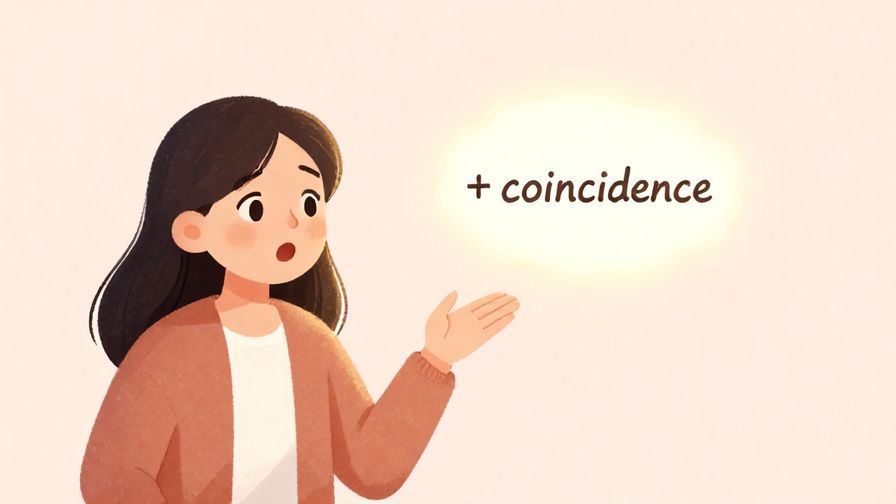
偶然 (gūzen) means “coincidence,” だった (datta) is past tense “was,” けど (kedo) means “but,” and 運命かも (unmei kamo) means “maybe fate.”
This phrase captures that mix of surprise and wonder about fate.
It’s casual and reflects real-life feelings when something unexpected feels meant to be.
Great for conversations with friends about unexpected meetings.
Try saying it when you want to express a playful uncertainty about destiny.
It’s a relatable way to keep things light yet meaningful.
6. これは運命だ! (Kore wa unmei da!) – “This is fate!”

A short and punchy phrase meaning “This is fate!”
Perfect for moments of excitement or revelation.
It’s straightforward and easy to shout out in conversation or writing.
Just remember to adjust the tone: it can be playful or serious depending on context.
For example, when something unbelievable happens, you can say, これは運命だ!
It’s a great phrase to express strong feelings about fate.
7. 縁が深い (En ga fukai) – “Our connection is deep.”

縁 (en) means “connection,” and 深い (fukai) means “deep.”
This phrase suggests a profound, possibly destined, bond.
It can be used for lifelong friendships, family ties, or romantic connections.
It’s casual but carries weight and respect for the depth of relationship.
For example, you might say, 縁が深い人だね to mean “You’re someone I have a deep connection with.”
It’s a heartfelt way to acknowledge fate in relationships.
8. たまたまだけど、運命? (Tamatama dakedo, unmei?) – “Just a coincidence, but fate?”
A casual, conversational phrase combining たまたま (tamatama) “just a coincidence” and 運命? (unmei?) “fate?”
It’s perfect for wondering aloud about fate in a lighthearted way.
Great for informal chats where you want to express curiosity about destiny.
It invites others to agree or share their thoughts, making it friendly and engaging.
Try it next time you experience a surprising coincidence.
It’s fun and easy to remember!
Part 2: Polite & Formal Ways to Express Fate
9. 運命でございます (Unmei de gozaimasu) – “It is fate.” (Very polite)
This is a very polite and formal way to say “It is fate.”
Using ございます (gozaimasu) adds respectful politeness.
Ideal for formal conversations, speeches, or writing.
It’s less common in casual talk but perfect for business or ceremonial contexts.
For example, when thanking someone for a meeting that feels destined, you might say, 運命でございます。
It shows respect and humility in acknowledging fate.
10. ご縁を感じます (Goen o kanjimasu) – “I feel a connection/fate.”

ご縁 (goen) is a polite form of 縁 (en), meaning “connection” or “fate.”
感じます (kanjimasu) means “I feel.”
Together, this phrase politely expresses feeling a destined connection.
Great for professional or formal introductions.
For example, after meeting a business partner, you might say, ご縁を感じます。
It’s sincere and respectful, perfect for making a good impression.
11. 巡り合わせに感謝します (Meguriawase ni kansha shimasu) – “I’m grateful for this fate.”

This phrase means “I’m grateful for this fate.”
感謝します (kansha shimasu) is a polite way to say “I thank” or “I’m grateful.”
It’s perfect for expressing appreciation for a destined meeting or event.
Use it in formal emails, speeches, or heartfelt conversations.
For example, you might say, 巡り合わせに感謝します after a meaningful encounter.
This phrase adds a touch of humility and warmth to your gratitude.
12. 運命に導かれました (Unmei ni michibikaremashita) – “I was guided by fate.”

導かれました (michibikaremashita) means “was guided.”
This phrase poetically says you were led or guided by fate.
It’s formal and reflective, great for writing or speeches.
Use it to describe life paths or important decisions influenced by destiny.
For example, 人生は運命に導かれました means “My life was guided by fate.”
It’s a beautiful way to express acceptance of destiny.
13. 縁を大切に思います (En o taisetsu ni omoimasu) – “I cherish this connection/fate.”

This phrase means “I cherish this connection.”
大切に思います (taisetsu ni omoimasu) means “I think it’s important” or “I cherish.”
It’s polite and heartfelt, suitable for friends, colleagues, or mentors.
Use it to show respect for relationships born of fate.
For example, 縁を大切に思っています when talking about a valued friendship.
It’s a lovely way to affirm meaningful bonds.
14. この出会いは必然です (Kono deai wa hitsuzen desu) – “This meeting is inevitable.”

必然 (hitsuzen) means “inevitable” or “necessary.”
This phrase suggests the encounter was meant to happen.
It’s formal and strong, often used in speeches or literature.
For example, この出会いは必然です to express a powerful sense of destiny.
It can feel a bit dramatic but perfect for important moments.
Use it when you want to emphasize how fate cannot be avoided.
15. ご縁に感謝しております (Goen ni kansha shite orimasu) – “I’m deeply grateful for this connection.”

A very polite and humble way to express gratitude for a fateful connection.
感謝しております (kansha shite orimasu) is a humble form of “thank you.”
Perfect for business, formal letters, or respectful conversations.
For example, ご縁に感謝しております after meeting a valued client.
This phrase shows deep respect and appreciation.
It’s excellent for building lasting relationships.
16. 運命の糸で結ばれている (Unmei no ito de musubareteiru) – “We are tied by the threads of fate.”

This poetic phrase refers to being connected by the “threads of fate.”
運命の糸 (unmei no ito) means “threads of fate,” and 結ばれている (musubareteiru) means “are tied.”
It’s often used romantically or to describe deep bonds.
Perfect for expressing destiny in relationships or friendships.
Try this phrase to add a lyrical touch to your Japanese.
It beautifully captures the feeling of being bound by fate.
Part 3: Very Casual & Native-like Expressions
17. まさに運命 (Masani unmei) – “Exactly fate.”

This phrase means “exactly fate” and is very casual and expressive.
まさに (masani) means “exactly” or “indeed.”
It’s great for exclaiming when something feels undeniably fated.
For example, それはまさに運命だ! means “That’s exactly fate!”
Use it in lively conversations or social media posts.
It’s punchy and native-like, perfect for informal speech.
18. 運命っぽいね (Unmei ppoi ne) – “Feels like fate, right?”

っぽい (ppoi) is a casual suffix meaning “like” or “feels like.”
This phrase means “It feels like fate” and is very laid-back.
Great for joking or lighthearted chats about coincidences.
For example, これ運命っぽいね!
It’s friendly and relatable for everyday use.
Perfect to sound more like a native speaker!
19. なんか運命感じる (Nanka unmei kanjiru) – “Somehow, I feel fate.”
なんか (nanka) means “somehow” or “kind of,” adding casual nuance.
感じる (kanjiru) means “to feel.”
This phrase expresses a vague but strong feeling of fate.
It’s very conversational and natural for chatting with friends.
For example, なんか運命感じるよね when talking about a special encounter.
It’s perfect for those moments you can’t quite explain but feel deeply.
20. 運命だと思う (Unmei da to omou) – “I think it’s fate.”
Adding と思う (to omou) means “I think,” making the phrase a personal opinion.
This is casual but polite enough for many settings.
It’s great when you’re not 100% sure but want to express the feeling.
For example, これは運命だと思う。
It’s versatile and easy to use in daily conversations.
Helps you sound sincere and thoughtful.
21. 運命ってやつだね (Unmei tte yatsu da ne) – “That’s what you call fate.”

ってやつ (tte yatsu) is a casual way to say “that thing” or “that’s what you call.”
This phrase is very colloquial and conversational.
Use it to comment on a situation that feels like fate with a casual tone.
For example, これが運命ってやつだね。
It’s perfect for relaxed chats or storytelling.
It adds a friendly, native-like flavor to your speech.
22. 運命に導かれた感じ (Unmei ni michibikareta kanji) – “Feels like I was guided by fate.”

感じ (kanji) means “feeling” or “sense.”
This phrase casually describes the sensation of being led by fate.
It’s natural and easygoing for everyday use.
For example, 最近、運命に導かれた感じがする。
Use it to describe your intuitive sense of destiny.
It’s perfect for storytelling or sharing your thoughts.
Concluding Thought
Exploring the many ways to say “It was fate” in Japanese shows just how beautifully nuanced the language is.
From casual expressions to formal declarations, these phrases help capture those special moments when life feels perfectly aligned.
So next time you encounter a magical coincidence or a meaningful connection, you’ll have just the right words to share the feeling with warmth and authenticity. Embrace fate in Japanese and let your language journey be filled with destiny!