22 Japanese ways to say “I’m yours forever”
Expressing deep, lifelong commitment in any language is a beautiful way to connect hearts. Japanese offers many heartfelt expressions that convey “I’m yours forever” with warmth and nuance.
Whether you want to whisper it sweetly, say it casually, or express it with formal respect, there’s a Japanese phrase perfectly suited for you. Each phrase carries its own flavor, from poetic to everyday talk.
Learning these phrases not only expands your language skills but also opens doors to expressing love in culturally rich ways. It’s amazing how language captures the depth of emotion.
In this listicle, we’ll explore 22 authentic Japanese ways to say “I’m yours forever,” complete with pronunciation guides and simple explanations so you can use them naturally.
Whether you’re learning Japanese for love, travel, or personal growth, these phrases will add a heartfelt touch to your conversations.
Let’s dive into the beautiful world of Japanese expressions for lifelong devotion—and find the perfect phrase that feels just right for you!
Understanding the Nuances of “I’m Yours Forever” in Japanese
Before we jump into the phrases, it’s important to note that Japanese has different levels of formality and emotional expression. Some phrases are casual and intimate, while others are poetic or formal.
Many expressions rely on context and the relationship between speakers. For example, some phrases are perfect for lovers, others for close friends, and some for more serious commitments.
Using a good Japanese phrasebook can help you understand these nuances better, especially if you’re new to the language.
Remember to listen to native speakers and practice regularly—this will help you grasp how and when to use each phrase naturally.
With that in mind, let’s explore the first batch of casual and warm phrases you can start using today.
Each phrase includes pronunciation and a brief explanation to make your learning smooth and fun.

Part 1: Casual Suggestions
1. ずっと君のものだよ (Zutto kimi no mono da yo) – “I’m yours forever”

This is a sweet, straightforward way to say “I’m yours forever” in a casual tone.
ずっと (Zutto) means “always” or “forever,” 君 (Kimi) is a casual way to say “you,” の (no) means “of,” もの (mono) means “thing” or “one,” and だよ (da yo) adds emphasis and friendliness.
The phrase literally means “I’m always yours.” It’s perfect for expressing sincere affection in everyday conversation.
It’s easy to remember because ずっと is a common word you’ll hear often when talking about time.
You can use this with close friends or romantic partners without sounding too formal.
Try saying it softly when you want to assure someone of your lasting commitment.
2. 永遠に君のもの (Eien ni kimi no mono) – “Forever yours”
This phrase uses 永遠に (Eien ni), meaning “eternally” or “forever,” to express a timeless sense of belonging.
It’s slightly more poetic than ずっと君のものだよ but still casual enough for daily use.
君のもの (kimi no mono) again means “yours,” so together it’s “forever yours.”
It’s a great phrase to use when you want to sound a bit more romantic yet still natural.
Try practicing by pairing it with sweet gestures or during heartfelt moments.
This phrase will help your Japanese sound genuine and loving.
3. 僕は君だけのものだよ (Boku wa kimi dake no mono da yo) – “I belong only to you”

This phrase adds 僕は (Boku wa), meaning “I (male speaker),” and だけ (dake), meaning “only.”
It emphasizes exclusivity: “I belong only to you.”
It’s casual but heartfelt, perfect for a male speaker wanting to express devotion in a gentle way.
Note that 僕 (boku) is typically used by men, so adjust if needed.
Using だけ (dake) strengthens the phrase’s meaning, so don’t skip it!
It’s a lovely phrase to say during intimate moments to show loyalty.
4. いつまでも君のもの (Itsu made mo kimi no mono) – “Forever yours”

いつまでも (Itsu made mo) means “forever” or “always,” adding a poetic feel.
君のもの (kimi no mono) keeps the casual “I’m yours” tone.
This phrase is popular in love songs and romantic expressions.
It’s easy to say and has a timeless, tender vibe.
Perfect for whispering to your loved one in sweet moments.
Practice by pairing it with gentle eye contact or a smile for maximum effect.
5. あなたのものだよ (Anata no mono da yo) – “I’m yours”

あなた (Anata) is a polite but still intimate way to say “you,” often used in romantic contexts.
This phrase is simple: “I’m yours.” The だよ (da yo) ending adds warmth.
It’s a versatile phrase suitable for most situations where you want to express affection.
Because あなた is polite, it works even if you aren’t very close yet.
Use this phrase to build warmth early in a relationship.
It’s a great starting point for learning Japanese love expressions.
6. 心はずっと君のもの (Kokoro wa zutto kimi no mono) – “My heart is forever yours”

心 (Kokoro) means “heart” or “spirit,” so this phrase adds emotional depth.
It literally means “My heart is always yours.”
ずっと (zutto) again means “forever,” making the phrase heartfelt and intimate.
It’s perfect when you want to express emotional commitment, not just physical belonging.
Try using this phrase in love letters or special moments for extra sincerity.
It’s a beautiful way to say “I’m yours” with a poetic touch.
7. 君だけを愛してる (Kimi dake o aishiteru) – “I love only you”
愛してる (Aishiteru) is a strong way to say “I love you” in Japanese.
君だけを (Kimi dake o) means “only you,” emphasizing exclusivity.
This phrase is a clear declaration of single-minded love and devotion.
It’s casual but serious, often used between romantic partners.
Use it when you want to express deep, exclusive love without formality.
It’s one of the most powerful ways to say “I’m yours” in Japanese.
8. 一生君のものだ (Isshou kimi no mono da) – “I’m yours for life”

一生 (Isshou) means “a lifetime” or “all my life.”
This phrase expresses a lifelong commitment in an informal way.
It’s perfect for couples wanting to promise forever in a heartfelt but casual manner.
It’s easy to say and memorable, making it great for daily affirmations.
Try practicing it to get comfortable with more serious-sounding expressions.
This phrase carries beautiful emotional weight without sounding stiff.
Part 2: Polite & Formal Suggestions
9. これからもずっとあなたのものです (Kore kara mo zutto anata no mono desu) – “I will be yours forever from now on”
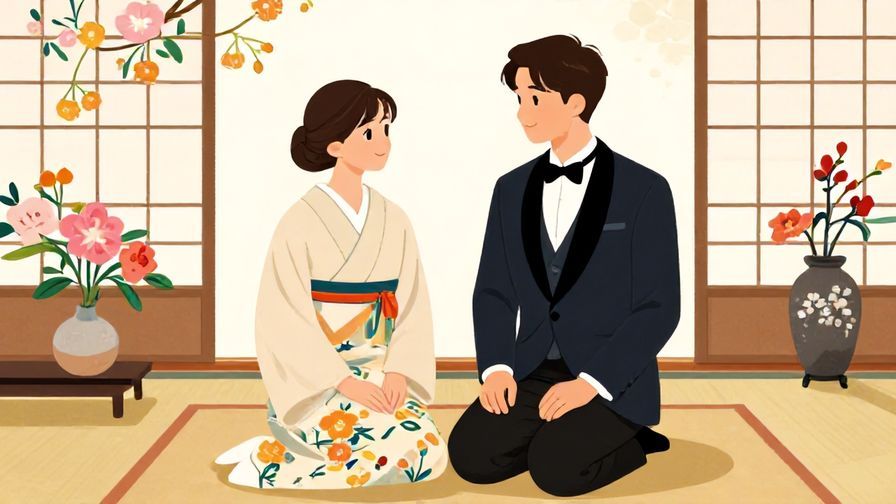
This phrase is polite and formal, perfect for serious declarations or ceremonies.
これからも (Kore kara mo) means “from now on as well,” carrying a sense of continuation.
あなた (Anata) is the polite “you,” and です (desu) makes the sentence formal.
It’s a perfect phrase for weddings, formal letters, or serious promises.
The phrase is longer but shows deep respect and commitment.
Practice this to express lifelong devotion with grace and politeness.
10. 永遠にあなたのものです (Eien ni anata no mono desu) – “I am eternally yours”
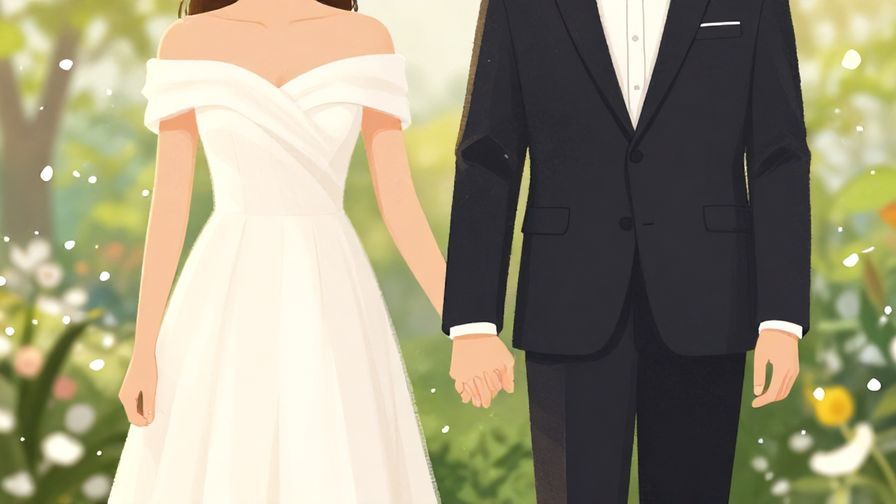
永遠に (Eien ni) means “eternally,” paired here with polite です (desu).
あなたのものです (Anata no mono desu) means “I am yours” formally.
This phrase is a polished, respectful way to express lifelong belonging.
Great for formal speeches or writing heartfelt notes.
Using です (desu) makes it appropriate for respectful contexts.
Try this phrase for moments that require dignity and deep sincerity.
11. いつまでもあなたのものです (Itsu made mo anata no mono desu) – “I will always be yours”

いつまでも (Itsu made mo) means “always” or “forever,” paired with polite です (desu).
This phrase is formal yet warm, perfect for promises that last a lifetime.
It’s often used in writing or speeches to express enduring commitment.
Try to remember this phrase by associating いつまでも with “always.”
It’s a respectful and beautiful way to say “I’m yours forever.”
Using this phrase shows both love and politeness.
12. 私は永遠にあなたのものです (Watashi wa eien ni anata no mono desu) – “I am eternally yours”
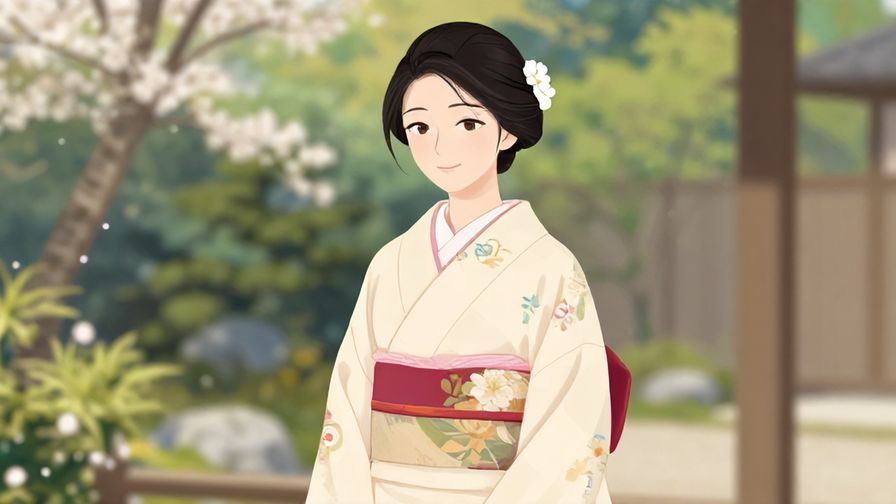
私 (Watashi) is a polite “I,” suitable for formal or respectful speech.
This phrase is complete and respectful, ideal for serious occasions.
Use it when you want to sound sincere and dignified.
Perfect for love letters or formal vows.
Pair it with gentle tone and eye contact for best effect.
It’s a timeless phrase that conveys true, lasting devotion.
13. 一生あなたのものです (Isshou anata no mono desu) – “I am yours for life”

一生 (Isshou) means “lifetime,” and this phrase is a formal promise of lifelong belonging.
Adding です (desu) makes it polite and appropriate for formal contexts.
It’s a great phrase for vows, speeches, or serious declarations.
Practice it to sound loving and respectful at the same time.
It’s a phrase that carries a strong emotional weight and formality.
Perfect for expressing lifelong commitment with honor.
14. 私はあなたの永遠のものです (Watashi wa anata no eien no mono desu) – “I am your eternal one”
永遠のもの (Eien no mono) means “eternal one” or “eternal thing.”
This phrase is poetic and formal, expressing deep devotion.
Use 私 (Watashi) for polite “I” and です (desu) to finish respectfully.
It’s ideal for writing or saying with heartfelt sincerity.
Great for love letters or special occasions.
The phrase sounds timeless and deeply romantic.
15. ずっとあなたのそばにいます (Zutto anata no soba ni imasu) – “I will always be by your side”

そばにいます (Soba ni imasu) means “to be by someone’s side.”
This phrase expresses lifelong support and presence.
ずっと (Zutto) adds “always” or “forever.”
It’s polite and loving, great for expressing emotional closeness.
Try it when you want to promise unwavering companionship.
It’s a beautiful way to say “I’m yours” through devotion and presence.
16. あなたを一生愛します (Anata o isshou aishimasu) – “I will love you for a lifetime”

愛します (Aishimasu) is the polite form of “to love.”
一生 (Isshou) means “for a lifetime,” making this a solemn vow.
It’s perfect for formal declarations or romantic promises.
The phrase is respectful and deeply romantic.
Practice saying it slowly to convey sincerity.
It’s a classic phrase for expressing lifelong love politely.
Part 3: Very Casual / Native-like Expressions
17. ずっとそばにいるよ (Zutto soba ni iru yo) – “I’ll always be by your side”

This is a casual and very natural phrase used by native speakers.
ずっと means “always,” そばにいる means “to be by someone’s side,” and よ adds a friendly emphasis.
You’ll hear this often between close couples or friends.
It’s great to say when you want to reassure someone casually.
Because it’s informal, it’s best used with people you know well.
Try using it in conversations to sound more native-like and warm.
18. オレのもんだよ (Ore no mon da yo) – “I’m yours” (male casual)

オレ (Ore) is a very casual and masculine way to say “I.”
のもんだよ (no mon da yo) means “I’m yours” in a very casual tone.
This phrase is very informal and typically used by men with close partners.
Use it carefully, as it can sound rough or playful depending on tone.
It’s great for casual, flirtatious moments.
Perfect for sounding confident and native-like in casual Japanese.
19. ずっと一緒だよ (Zutto issho da yo) – “We’re always together”

一緒 (Issho) means “together,” making this phrase a warm promise of unity.
It’s casual and affectionate, perfect for close relationships.
Use it to express togetherness as a form of “I’m yours.”
It conveys partnership and lifelong connection.
Try using it to sound naturally loving and supportive.
It’s one of the most common casual phrases among young people.
20. オレだけの彼女だ (Ore dake no kanojo da) – “You’re my only girl”

This phrase is a very casual, male way of expressing exclusive love.
彼女 (Kanojo) means “girlfriend,” and オレだけの means “only mine.”
It’s playful, possessive, and affectionate.
Perfect for casual flirting or serious relationship talk among young adults.
Use it when you want to sound native and confident.
Be mindful of tone to keep it loving, not controlling.
21. ずっとお前のもんだ (Zutto omae no mon da) – “I’m yours forever” (very casual)

お前 (Omae) is a very casual and sometimes rough way to say “you.”
This phrase is highly informal and often used between close partners.
ずっと means “always,” making this a strong, casual vow.
It’s best reserved for relationships with mutual understanding.
Great for sounding like a native in casual, intimate settings.
Use it with care to keep it affectionate and fun.
22. 俺はお前のものだ (Ore wa omae no mono da) – “I am yours” (informal male)
This phrase uses 俺 (Ore) and お前 (Omae), very casual male pronouns.
It’s straightforward and intimate, perfect for close relationships.
The phrase literally means “I am yours.”
It’s easy to say and sounds natural among young Japanese men.
Great for casual, heartfelt moments.
Practice it to sound confident and affectionate in informal settings.
Concluding Thought
Exploring these 22 Japanese ways to say “I’m yours forever” shows just how rich and nuanced expressions of love can be.
From sweet and casual to formal and poetic, there’s a phrase for every kind of lifelong commitment.
Keep practicing these phrases to deepen your connection and share your feelings in a heartfelt, authentic way. Love truly transcends language!