22 Japanese ways to say “You’re the best
Expressing “You’re the best” in Japanese can be both fun and heartwarming. Whether you’re cheering on a friend or showing appreciation, there’s a phrase for every occasion.
From casual slang to polite compliments, Japanese offers a rich range of ways to say this simple yet powerful phrase.
Learning these expressions not only boosts your language skills but also helps you connect better in social settings.
Each phrase carries its own nuance, so picking the right one makes your message even more meaningful.
Plus, it’s a great way to surprise your Japanese-speaking friends with genuine warmth.
Ready to become a pro at saying “You’re the best” in Japanese? Let’s dive in!
Warm Up: Why Variety Matters
Japanese is full of expressions that change depending on your relationship with the listener.
Choosing the right phrase can show respect, closeness, or casual friendliness, making your compliment feel authentic.
Even subtle differences in word choice can make your praise feel more personal.
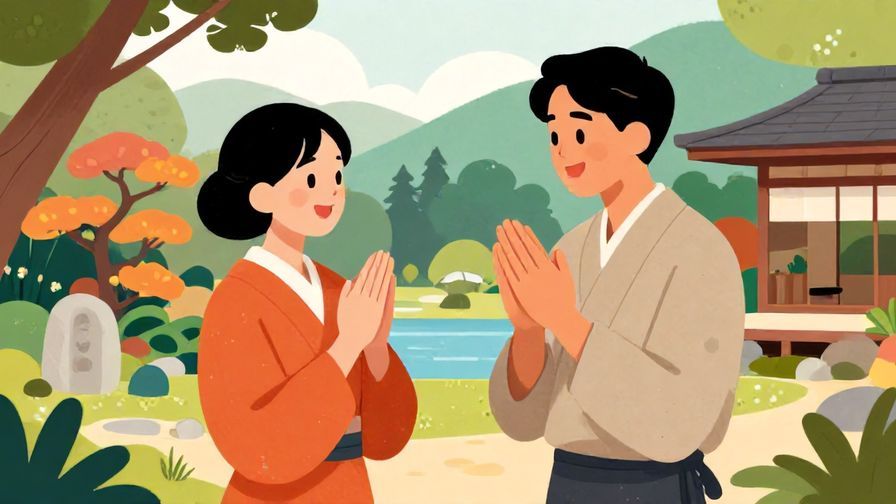
If you’re just starting out, a beginner phrasebook can be your perfect companion to learn these phrases smoothly.
Understanding these nuances lets you compliment like a native, creating genuine connections.
It’s easier than you think to add these warm phrases to your daily Japanese conversations.
Part 1: Casual Suggestions
1. あなたが一番! (Anata ga ichiban!) – “You’re number one!”

This is a straightforward and common way to say “You’re the best!” in an informal setting.
“Anata” means “you,” “ga” marks the subject, and “ichiban” means “number one” or “the best.”
It’s easy to remember and perfect for praising friends or teammates.
Keep it casual and positive to boost someone’s confidence instantly.
You can also say “君が一番 (Kimi ga ichiban),” using “kimi” for a closer or younger person.
Use this phrase whenever you want to cheer someone on in a lighthearted way.
2. 最高! (Saikou!) – “The best!”

“Saikou” literally means “the highest” or “supreme,” and it’s a very popular slang expression.
It’s short, punchy, and perfect for casual praise among friends.
You can use it to react to great news, achievements, or just to hype someone up.
Watch out not to use it in overly formal situations, as it’s quite informal.
For example: “あなたの演奏は最高!” (Anata no ensou wa saikou!) means “Your performance is the best!”
It’s a quick and fun way to show excitement and admiration.
3. ナンバーワン! (Nanbā wan!) – “Number one!”

This phrase is borrowed from English but widely used in Japan with the same meaning.
It’s casual and energetic, often used in sports or competitions.
Easy to say and remember, it’s great for encouraging friends.
Use it when you want to express that someone is simply the very best.
For example: “君はナンバーワンだよ!” (Kimi wa nanbā wan da yo!) means “You’re number one!”
This phrase adds an enthusiastic and contemporary vibe to your compliment.
4. あんた最高! (Anta saikou!) – “You’re awesome!” (Very casual)

“Anta” is a very casual and sometimes rough way to say “you,” usually among close friends.
Combine it with “saikou” for a friendly, informal compliment.
This phrase feels warm but is best reserved for close relationships.
It’s like saying “You rock!” in English.
For example: “あんた最高だよ!” (Anta saikou da yo!) means “You’re awesome!”
Use it when you want to sound relaxed and genuine.
5. お前は最高だ! (Omae wa saikou da!) – “You’re the best!” (Bold casual)

“Omae” is another casual “you,” often used by men or among very close friends.
“Saikou da” means “are the best,” adding emphasis.
This phrase is strong and energetic, best for informal, friendly situations.
Avoid this with strangers or superiors to prevent sounding rude.
Example: “お前は最高だぜ!” (Omae wa saikou ze!) adds a masculine, casual flair.
It’s great for showing strong admiration with a playful edge.
6. あなたは最高の人! (Anata wa saikou no hito!) – “You’re the best person!”

This phrase adds “no hito,” meaning “person,” to personalize the compliment.
It’s a sweet and sincere way to tell someone they’re truly the best.
Use it when you want to sound caring and genuine.
It works well with friends, family, or someone special.
Example: “あなたは最高の人だよ!” (Anata wa saikou no hito da yo!)
It’s a lovely phrase to deepen emotional connection.
7. 一番だね! (Ichiban da ne!) – “You’re the number one!”

Short and sweet, this is a casual way to say “You’re the best.”
“Ichiban” means “number one,” and “da ne” adds a friendly tone.
It’s perfect for light encouragement without being too formal.
Use it with peers or younger people comfortably.
Example: “君は一番だね!” (Kimi wa ichiban da ne!)
This phrase is easy to incorporate in daily chats.
8. あなたは最高だよ! (Anata wa saikou da yo!) – “You’re the best!” (Friendly)

A simple and polite way to say “You’re the best!” in a friendly tone.
“Da yo” softens the statement making it warm and approachable.
Works well with acquaintances or friends in everyday conversation.
Example: “あなたは最高だよ!” (Anata wa saikou da yo!)
It’s a great go-to phrase to express genuine appreciation.
Perfect for making someone’s day brighter.
Part 2: Polite & Formal Suggestions
9. あなたは最高です! (Anata wa saikou desu!) – “You’re the best!” (Formal)

This is the polite, formal version of “You’re the best.”
“Desu” adds respect, suitable for colleagues or superiors.
Use it in formal situations or when you want to be courteous.
Example: “部長は最高です!” (Buchou wa saikou desu!) means “The manager is the best!”
It’s professional yet warm.
Great for workplace compliments or formal events.
10. お疲れ様です、最高です! (Otsukaresama desu, saikou desu!) – “Thank you for your hard work, you’re the best!”

This phrase combines appreciation for effort with a compliment.
“Otsukaresama desu” means “thank you for your hard work.”
It’s perfect for formal work environments.
Use it to praise someone’s dedication and excellence.
Example: “今日のプレゼンはお疲れ様です、最高です!” (Kyou no purezen wa otsukaresama desu, saikou desu!)
It shows respect and admiration in one phrase.
11. あなたは素晴らしいです! (Anata wa subarashii desu!) – “You’re wonderful!”

“Subarashii” means “wonderful” or “splendid,” a polite compliment.
Adding “desu” makes it formal and respectful.
Ideal for praising achievements or qualities in a refined way.
Example: “あなたの仕事は素晴らしいです!” (Anata no shigoto wa subarashii desu!)
This phrase conveys admiration with grace.
Perfect for formal speeches or letters.
12. あなたは最高の人です! (Anata wa saikou no hito desu!) – “You’re the best person!” (Formal)

The formal version of “You’re the best person.”
It carries sincerity and respect.
Use it when you want to deeply honor someone formally.
Example: “あなたは最高の人です。本当にありがとうございます。” (Anata wa saikou no hito desu. Hontou ni arigatou gozaimasu.)
It’s a powerful phrase for meaningful occasions.
Great for awards, ceremonies, or formal thanks.
13. あなたは素敵です! (Anata wa suteki desu!) – “You’re lovely/wonderful!”

“Suteki” means lovely or wonderful, a polite compliment with a softer feel.
Adding “desu” keeps it respectful.
Use it to compliment personality or style formally.
Example: “あなたは本当に素敵です!” (Anata wa hontou ni suteki desu!)
This phrase is warm and classy.
Perfect for personal yet polite admiration.
14. 心から感謝します、あなたは最高です! (Kokoro kara kansha shimasu, anata wa saikou desu!) – “Thank you from the heart, you’re the best!”

A formal and heartfelt way to express deep gratitude and praise.
“Kokoro kara kansha shimasu” means “I thank you from my heart.”
Combine it with “anata wa saikou desu” for a complete, respectful compliment.
Perfect for special occasions or sincere thanks.
Example: “あなたの支援に心から感謝します、あなたは最高です!”
It’s a beautiful phrase for meaningful appreciation.
15. ご尽力ありがとうございます、最高です! (Gojinryoku arigatou gozaimasu, saikou desu!) – “Thank you for your effort, you’re the best!”

This phrase is polite and professional, perfect for thanking someone’s hard work.
“Gojinryoku” means “your effort,” and “arigatou gozaimasu” is a formal thank you.
Adding “saikou desu” praises them highly.
Example: “プロジェクトの成功にご尽力ありがとうございます、最高です!”
Use it in workplaces or formal acknowledgments.
It shows gratitude and respect simultaneously.
16. いつもありがとうございます、あなたは最高です! (Itsumo arigatou gozaimasu, anata wa saikou desu!) – “Thank you always, you’re the best!”

A polite way to express ongoing appreciation and praise.
“Itsumo arigatou gozaimasu” means “thank you always.”
Add “anata wa saikou desu” to emphasize admiration.
Example: “サポートしてくれていつもありがとうございます、あなたは最高です!”
Perfect for long-term relationships or clients.
This phrase balances warmth with formality beautifully.
Part 3: Very Casual / Native-like Expressions
17. マジで最高! (Maji de saikou!) – “Seriously, you’re the best!”

“Maji de” means “seriously” or “for real,” making the compliment extra emphatic.
Use this casual phrase with close friends or peers.
It’s fun, energetic, and very natural in modern speech.
Example: “君、マジで最高!” (Kimi, maji de saikou!)
It adds a cool, youthful vibe to your praise.
Perfect for casual chats and social media.
18. バリ最高! (Bari saikou!) – “Super the best!” (Kansai dialect)

“Bari” is a Kansai dialect intensifier meaning “very” or “super.”
Combine it with “saikou” for a strong compliment.
This phrase is regional but widely understood and very casual.
Example: “あんた、バリ最高やで!” (Anta, bari saikou ya de!)
It’s great to sound local and friendly in Kansai areas.
Use it to express excitement and warmth.
19. 最高すぎ! (Saikou sugi!) – “Too good!”

“Sugi” means “too much” or “excessive,” so “saikou sugi” means “too awesome.”
It’s slangy and casual, perfect for enthusiastic praise.
Use it among friends to hype them up.
Example: “そのアイデア、最高すぎ!” (Sono aidea, saikou sugi!)
A fun way to say someone’s effort or idea is outstanding.
Great for energetic and informal settings.
20. 神ってる! (Kamitteru!) – “You’re godlike!” (Slang)

“Kamitteru” is trendy slang meaning “godlike” or “amazing beyond belief.”
It’s informal and often used among younger people.
Perfect for praising incredible skills or moments.
Example: “あいつ、神ってるな!” (Aitsu, kamitteru na!)
Use it for strong admiration with a fun tone.
It’s a very casual and expressive phrase.
21. お前マジで神! (Omae maji de kami!) – “You’re seriously godlike!”

A casual, friendly way to say someone’s amazing.
“Omae” is informal “you,” and “maji de kami” means “seriously god.”
Great among close friends for hype and fun.
Example: “お前マジで神だわ!” (Omae maji de kami da wa!)
It’s a playful and strong compliment.
Use it when you want to sound casual and excited.
22. あんたは神かよ! (Anta wa kami kayo!) – “Are you a god or what?!”
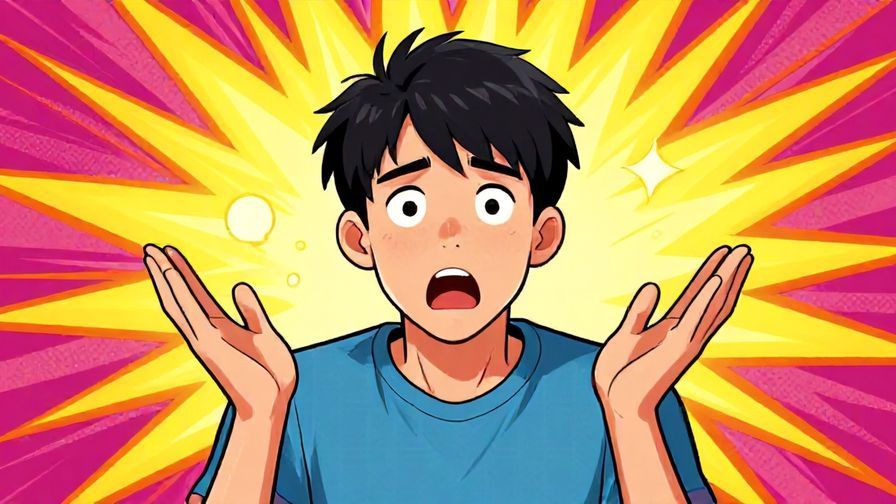
This phrase is a playful rhetorical question praising someone’s greatness.
“Anta” is casual “you,” and “kami” means god.
It’s very casual and humorous.
Example: “あんたは神かよ、すごすぎ!” (Anta wa kami kayo, sugosugi!)
Use it to express awe and admiration with a smile.
Perfect for close friends or informal settings.
Concluding Thought
Mastering these 22 ways to say “You’re the best” in Japanese opens up many doors for heartfelt connection.
Whether casual, polite, or native-like, each phrase carries warmth and personality.
Keep practicing and using them naturally, and you’ll soon be spreading smiles wherever you go!