22 Japanese ways to say “This one’s on me”
Ever been out with friends and wanted to say, “This one’s on me” but weren’t sure how to say it in Japanese? You’re not alone! It’s such a warm, generous phrase that helps spread good vibes.
Whether you’re buying a coffee, treating a meal, or just wanting to be kind, having a few ways to say “This one’s on me” in Japanese will definitely come in handy. Plus, it’s a great way to connect with people and show your appreciation.
Japanese offers many expressions that fit different situations, from casual to polite, so you can pick the perfect phrase every time. Learning these phrases will boost your confidence and make your social interactions smoother.
In this list, we’ll explore 22 different ways to say “This one’s on me” in Japanese, complete with explanations and pronunciation guides. Whether you’re a beginner or just looking for some fresh expressions, there’s something here for you.
Mastering these will not only help you sound more natural but also deepen your understanding of Japanese culture and etiquette.
Let’s dive in and get ready to make your next outing even more memorable with these friendly phrases!
Getting Started with “This One’s on Me” in Japanese
Before jumping into the phrases, it helps to understand the basics of how Japanese expresses offering or paying for someone else.
Japanese often uses verbs like “払う (harau)” meaning “to pay,” or expressions that literally mean “I’ll take care of it.” The tone can change depending on formality and closeness of the relationship.
Knowing a handful of these phrases can make socializing in Japan more natural and enjoyable.
Sometimes, using a great beginner phrasebook can give you a perfect starting point for a cohesive understanding.
With that in mind, let’s break down some common and useful ways to say “This one’s on me” in Japanese.
Feel free to try them out and see which ones feel most natural to you.
Part 1: Casual Suggestions
1. 俺が払うよ (Ore ga harau yo) – “I’ll pay.”

This is a straightforward and casual way to say, “I’ll pay.”
“俺 (ore)” means “I” (used mostly by men, casual), “払う (harau)” means “to pay,” and “よ (yo)” adds emphasis like “you know.”
It’s perfect with close friends or younger people.
Simple and direct, it gets the point across clearly.
You can swap “俺” with “私 (watashi)” for a more neutral tone if you want.
Try using it next time you want to take the bill with friends!
2. 私のおごりです (Watashi no ogori desu) – “It’s my treat.”
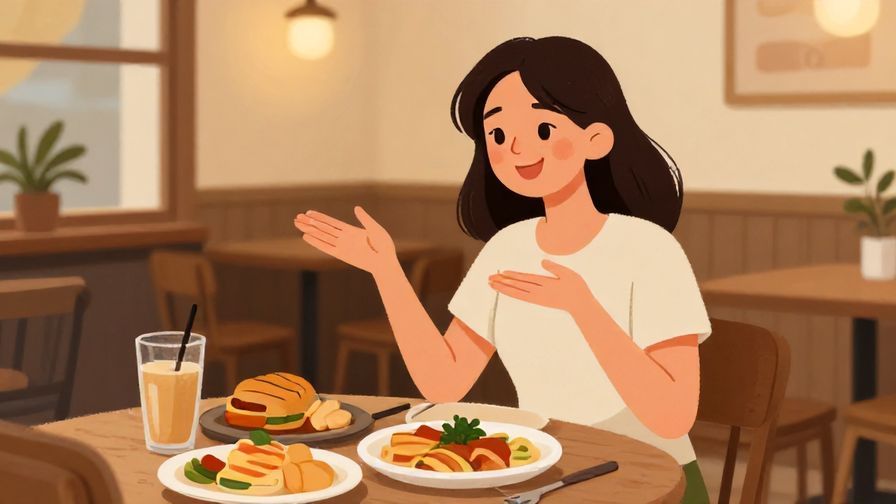
This polite phrase literally means “It’s my treat.”
“私 (watashi)” is “I,” “おごり (ogori)” means “treat,” and “です (desu)” is polite “is.”
Great for more formal situations or when you want to sound respectful.
It’s a neat, classy way to offer to pay.
Often used in work settings or with acquaintances.
Practice saying it to sound courteous and confident.
3. 今回は俺が出すよ (Konkai wa ore ga dasu yo) – “I’ll cover this time.”

This phrase means “I’ll cover this time,” implying you’ll pay for this round or occasion.
“今回 (konkai)” means “this time,” “俺 (ore)” is “I,” “出す (dasu)” means “to pay or put out,” and “よ (yo)” adds friendly emphasis.
It’s casual and friendly—great among friends.
It shows generosity while keeping things lighthearted.
You can swap “俺” for “私” if you want a softer tone.
Use it when you want to take the lead on paying without sounding too formal.
4. 私に任せて (Watashi ni makasete) – “Leave it to me.”
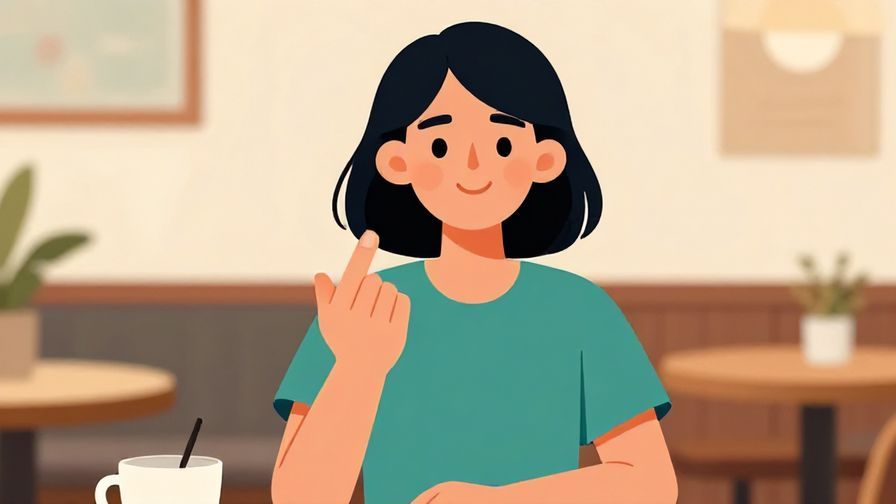
This phrase means “Leave it to me,” a cool way to say you’ll handle the payment.
“私に (watashi ni)” means “to me,” and “任せて (makasete)” means “leave it” or “entrust.”
It’s casual but polite enough for friends or coworkers.
It shows confidence and willingness to take responsibility.
Great for offering without being too direct.
Try it next time you want to be the generous one quietly.
5. 僕のおごりだよ (Boku no ogori da yo) – “It’s my treat.”

Similar to “私のおごりです,” but more casual and masculine.
“僕 (boku)” is “I” (casual male pronoun), “おごり (ogori)” is “treat,” and “だよ (da yo)” adds friendly emphasis.
Perfect for everyday situations with friends or classmates.
It sounds warm and approachable.
Use it when you want to sound friendly and easygoing.
It’s a go-to phrase for casual generosity.
6. 今日は私が払います (Kyou wa watashi ga haraimasu) – “Today, I’ll pay.”
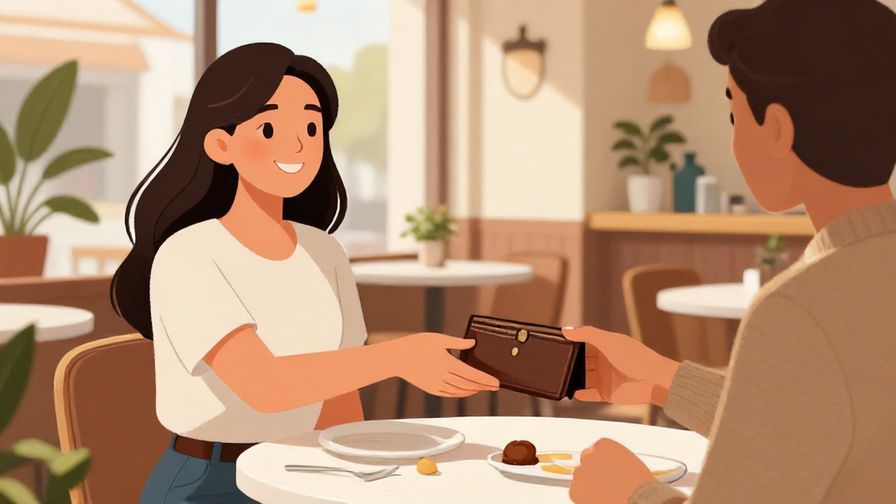
This is a polite and clear way to say “I’ll pay today.”
“今日 (kyou)” means “today,” “私が (watashi ga)” is “I (subject),” and “払います (haraimasu)” is the polite form of “pay.”
It’s formal enough for business or polite social situations.
Shows respect but still friendly.
Great if you want to be thoughtful and clear about your offer.
Use this in work lunches or with less familiar acquaintances.
7. 今回は俺に任せて (Konkai wa ore ni makasete) – “This time, leave it to me.”

A casual and confident way to say “This time, leave it to me.”
“今回 (konkai)” means “this time,” “俺に (ore ni)” is “to me,” “任せて (makasete)” means “leave it.”
Friendly and casual, great among close friends.
Shows you want to take responsibility for the bill.
Use it to sound generous but relaxed.
It’s often used when splitting bills regularly but you want to pay your share fully this time.
8. おごらせてよ (Ogorasete yo) – “Let me treat you.”

This is a fun and casual way to say “Let me treat you.”
“おごらせて (ogorasete)” is the causative form of “to treat/pay for,” meaning “let me treat,” and “よ (yo)” adds a friendly tone.
It’s a bit more playful and inviting.
Good for close friends or someone you want to encourage to accept your offer.
Just be sure the other person feels comfortable!
It’s a great phrase to break the ice and be warm.
Part 2: Polite & Formal Suggestions
9. ご馳走させてください (Gochisou sasete kudasai) – “Please allow me to treat you.”
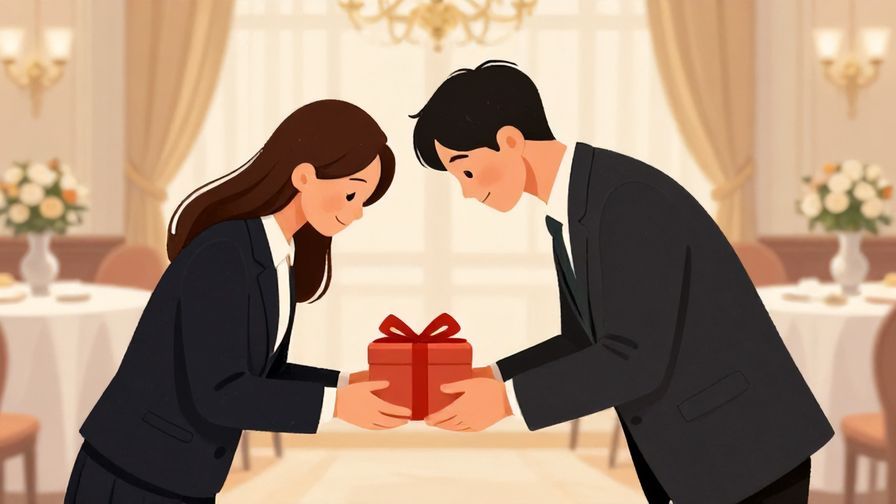
This is a very polite request meaning “Please allow me to treat you.”
“ご馳走 (gochisou)” means “treat” or “feast,” “させてください (sasete kudasai)” means “please let me do.”
It’s used in formal settings or when you want to be very respectful.
Great for business dinners or formal occasions.
Shows humility and politeness while offering to pay.
Try it when you want to impress with manners.
10. 私に払わせていただけますか (Watashi ni haraasete itadakemasu ka) – “May I pay?”

This is a very polite inquiry meaning “May I pay?”
“払わせて (haraasete)” is the causative form of “pay,” “いただけますか (itadakemasu ka)” is a humble way to say “may I?”
Perfect in very formal or traditional contexts.
It politely asks permission to pay.
Use it when you want to be extra courteous and humble.
This phrase is great for formal business or older people.
11. 本日は私がご馳走します (Honjitsu wa watashi ga gochisou shimasu) – “Today, I will treat you.”

This means “Today, I will treat you” in a polite and formal way.
“本日 (honjitsu)” means “today,” “私が (watashi ga)” is “I,” and “ご馳走します (gochisou shimasu)” means “will treat.”
It’s perfect for formal dinners or special occasions.
Shows generosity with a respectful tone.
Use it when you want to make a polished offer.
This phrase leaves a strong good impression.
12. 私が負担します (Watashi ga futan shimasu) – “I will bear the cost.”

This phrase means “I will bear the cost,” used in formal or business settings.
“負担します (futan shimasu)” means “to bear or take responsibility for (cost).”
It’s straightforward and polite.
Good for work lunches or group payments where clarity is needed.
It clearly states you’ll cover the expense.
Use it to sound responsible and courteous.
13. どうぞご遠慮なく (Douzo goenryo naku) – “Please don’t hesitate.”
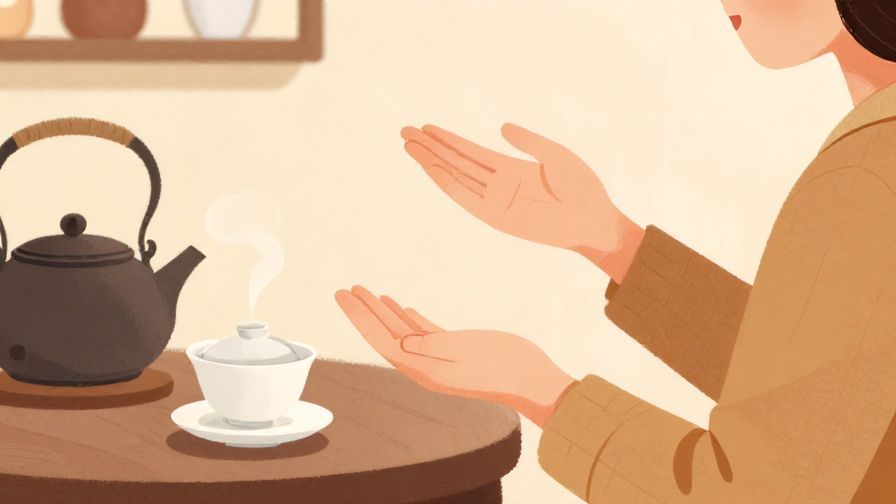
This phrase means “Please don’t hesitate,” often said after offering to pay.
“ご遠慮なく (goenryo naku)” literally means “without restraint.”
It encourages the other person to accept your offer.
Used politely to make others feel comfortable.
Great after saying you’ll pay or treat.
It’s a nice way to be gracious and kind.
14. 私にお任せください (Watashi ni omakase kudasai) – “Please leave it to me.”
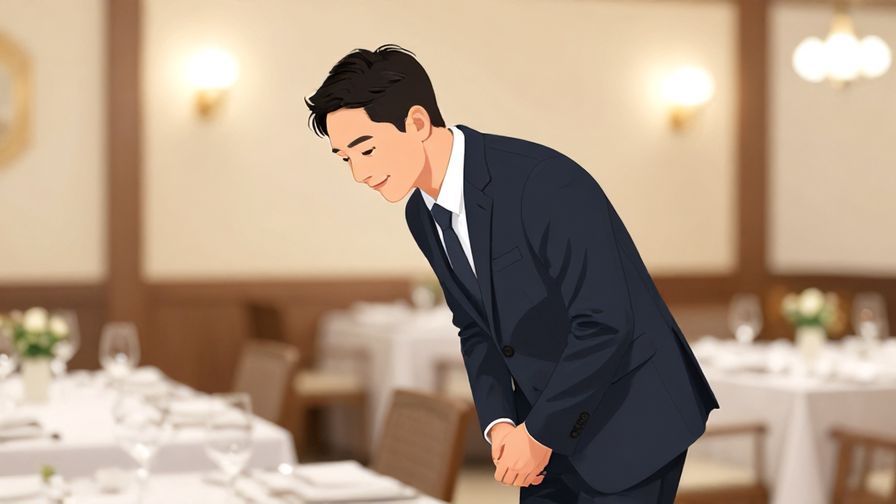
This is a very polite way to say “Please leave it to me.”
“お任せください (omakase kudasai)” means “please entrust (it to me).”
Used in polite or formal situations to offer to pay.
It sounds respectful and confident.
Great for when you want to insist on paying politely.
Use it in formal social or business contexts.
15. この分は私が持ちます (Kono bun wa watashi ga mochimasu) – “I’ll cover this portion.”
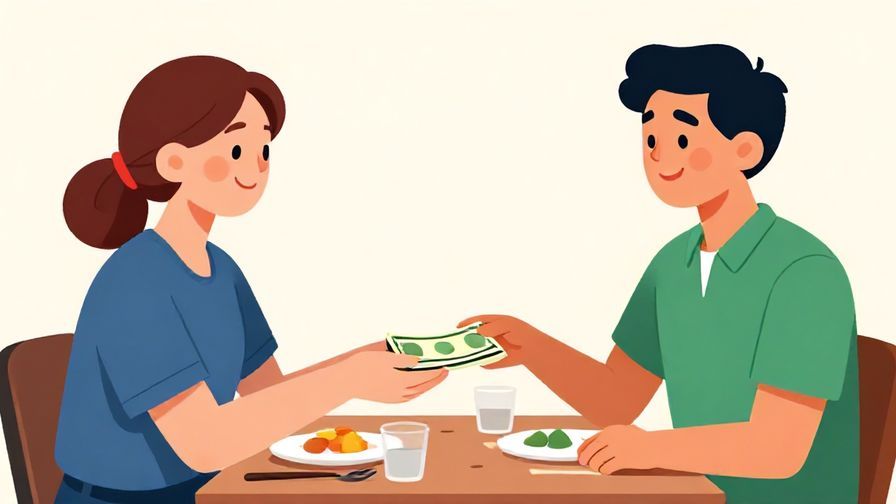
This phrase means “I’ll cover this portion,” good for splitting bills.
“この分 (kono bun)” means “this part/portion,” “私が (watashi ga)” is “I,” and “持ちます (mochimasu)” means “to bear or take.”
Useful when paying your share or more.
Shows fairness and generosity.
Great for group outings or casual dates.
Try this when you want to be clear about your offer.
16. 今日は私が全部払います (Kyou wa watashi ga zenbu haraimasu) – “Today, I’ll pay everything.”
This is a polite and clear way to say “I’ll pay everything today.”
“全部 (zenbu)” means “all/everything,” making your intention very clear.
Perfect for occasions when you want to be generous without confusion.
Great for family gatherings or friends.
It’s a confident and warm phrase to use.
Try it when you want to make your generosity obvious.
Part 3: Very Casual / Native-like Expressions
17. 俺に払わせろ (Ore ni harawasero) – “Let me pay!” (rough)

This is a very casual, strong way to say “Let me pay!” typically used by men.
“払わせろ (harawasero)” is the imperative causative form meaning “make me pay” or “let me pay.”
It sounds rough and masculine, so use with close friends only.
Shows determination and confidence.
Not suitable in formal or polite contexts.
Use it for fun, casual moments with buddies.
18. おごるぜ (Ogoru ze) – “I’m treating you!” (casual)

This phrase means “I’m treating you!” in a very casual, masculine way.
“おごる (ogoru)” means “to treat/pay for,” and “ぜ (ze)” is a masculine sentence-ending particle adding emphasis.
Perfect in informal settings with close friends.
Sounds fun, energetic, and friendly.
Not suitable for formal or unknown people.
Great for showing you’re ready to pay with enthusiasm.
19. 今回は俺のおごりだ (Konkai wa ore no ogori da) – “This one’s my treat.”

This is a casual and friendly way to say “This one’s my treat.”
“今回 (konkai)” means “this time,” “俺の (ore no)” is “my,” and “おごりだ (ogori da)” means “it’s a treat.”
Used commonly among male friends.
Friendly and approachable tone.
Swap “俺” for “私” for a softer feel.
Try it when you want to sound natural and down-to-earth.
20. 飲み代は俺が持つよ (Nomidai wa ore ga motsu yo) – “I’ll cover the drinks.”

This phrase means “I’ll cover the drinks.”
“飲み代 (nomidai)” means “drink bill,” “俺が (ore ga)” is “I,” and “持つよ (motsu yo)” means “will bear/pay.”
Great for casual outings focused on drinks.
Shows good spirit and generosity.
Use it with friends after work or at parties.
It sounds warm and straightforward.
21. 今回は俺が払うってば (Konkai wa ore ga harau tte ba) – “I’m telling you, I’ll pay this time.”

This is a casual, slightly playful way to insist “I’ll pay this time.”
“ってば (tte ba)” adds a tone of insistence or emphasis.
Shows friendly determination.
Use it to lighten the mood while insisting on paying.
Best with close friends or peers.
It’s a fun phrase to keep things lively.
22. おごるから、遠慮するなよ (Ogoru kara, enryo suru na yo) – “I’m treating you, so don’t hold back.”

This phrase means “I’m treating you, so don’t hesitate.”
“おごるから (ogoru kara)” means “because I’m treating,” and “遠慮するなよ (enryo suru na yo)” means “don’t hold back.”
It’s casual, warm, and encouraging.
Perfect for close friends or informal parties.
Shows generosity and friendliness.
Use it to make others feel comfortable accepting your offer.
Concluding Thought
Exploring these 22 ways to say “This one’s on me” in Japanese shows how rich and varied the language can be when expressing generosity.
From polite business settings to casual hangouts, you now have a phrase for every occasion to offer to pay with warmth and confidence.
So next time you’re out with friends or colleagues, don’t hesitate to use one of these expressions and spread some kindness—it’s as simple as saying, “This one’s on me!”