22 Japanese ways to say “Same time tomorrow?”
Ever found yourself wrapping up a fun meetup or study session and wondering how to say “Same time tomorrow?” in Japanese? It’s a simple phrase, but there are many warm, informal, and polite ways to ask or suggest it.
Whether you’re chatting with friends, coworkers, or teachers, knowing various expressions can help you sound more natural and fit the mood perfectly.
Japanese is full of nuances, and this phrase is no exception. From casual to formal, there’s a way to say it for every occasion.
If you want to keep the conversation going and make plans, these 22 expressions will help you do just that, with a friendly, relatable touch.
Learning these can boost your confidence and deepen your understanding of everyday Japanese interactions.
So, let’s dive in and explore these phrases together!
Getting Ready to Say “Same Time Tomorrow?”
Before we jump into the phrases, it’s good to know the key words involved: “tomorrow” (明日, あした, ashita) and “same time” (同じ時間, おなじじかん, onaji jikan).
Most expressions revolve around these concepts but add different levels of politeness or casual vibes.
When practicing, try to notice the context you’d use each one in—it can make all the difference!

Sometimes, using a great beginner phrasebook can give you a perfect starting point for a cohesive understanding.
Remember, practice makes perfect, and a little effort goes a long way.
Now, let’s jump into the first part of our list!
Part 1: Casual Suggestions
1. 明日も同じ時間でね (Ashita mo onaji jikan de ne) – “Same time tomorrow, okay?”

This phrase is a straightforward, casual way to suggest meeting at the same time tomorrow.
“明日” (ashita) means “tomorrow,” “も” (mo) means “also,” “同じ時間” (onaji jikan) means “same time,” and “でね” (de ne) is a soft ending particle inviting agreement.
Using “でね” makes it sound friendly and light, perfect for close friends.
It’s a great go-to phrase when wrapping up casual plans.
You might hear this often among classmates or colleagues who hang out regularly.
Give it a try next time you want to confirm plans casually!
2. また明日同じ時間に (Mata ashita onaji jikan ni) – “Again tomorrow at the same time.”

This phrase is a simple and slightly more direct way to say “same time tomorrow.”
“また” (mata) means “again,” and the rest is similar to the first phrase.
It’s easy to remember and sounds natural among friends and coworkers.
Don’t forget the particle “に” (ni) at the end, which marks the time.
It works perfectly when you’ve just had a meeting or casual hangout.
This phrase feels upbeat and positive, signaling you’re looking forward to it.
3. 明日も同じ時間だね (Ashita mo onaji jikan da ne) – “It’s the same time tomorrow, right?”

This one is a casual confirmation phrase.
The “だね” (da ne) ending adds a friendly tone, like checking if they agree.
It’s great when you want to confirm plans but keep it light.
This phrase shows you’re comfortable with the person and casual about the plan.
It’s perfect for friends or study buddies.
Try it to sound warm and easygoing.
4. 明日もここでね (Ashita mo koko de ne) – “Same place, same time tomorrow.”
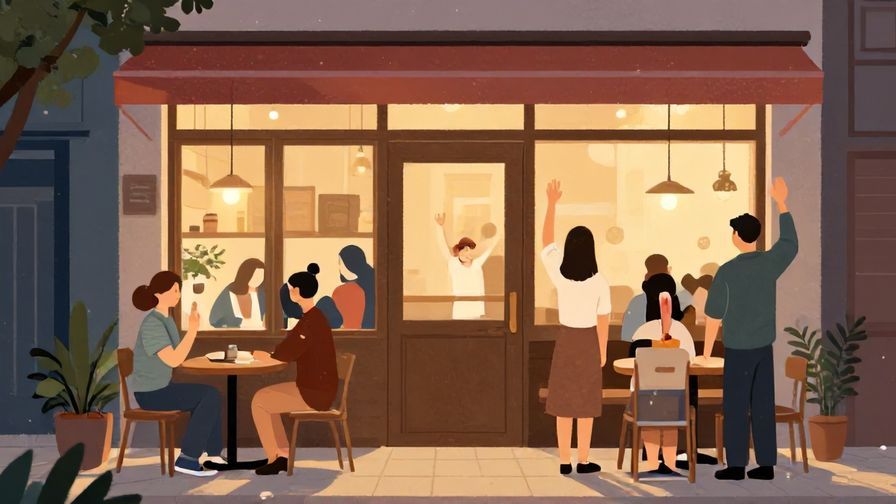
Adding “ここで” (koko de) means “here,” so you’re specifying the same place as well.
It’s casual and friendly for informal meet-ups.
Using “ね” (ne) softens the phrase, inviting agreement.
Good for when you’ve all settled on a favorite hangout spot.
It’s a simple way to keep plans consistent.
Try this to sound thoughtful and clear about your plans.
5. 明日も同じ時間で待ってるね (Ashita mo onaji jikan de matteru ne) – “I’ll be waiting at the same time tomorrow.”

This phrase adds a personal touch by saying you’ll be waiting.
“待ってる” (matteru) is the casual form of “waiting.”
It shows eagerness and friendliness without being pushy.
Great for close friends or casual meetings.
It makes the plan feel more personal and warm.
Use it to express you’re looking forward to seeing them.
6. 明日も同じ時間に会おう (Ashita mo onaji jikan ni aou) – “Let’s meet at the same time tomorrow.”

This is a friendly invitation to meet again.
“会おう” (aou) is the volitional form of “to meet,” meaning “let’s meet.”
It’s casual but proactive, showing your desire to meet.
Good for friends or study partners.
It’s simple and easy to use in everyday conversation.
This phrase keeps things positive and forward-looking.
7. 明日もよろしくね (Ashita mo yoroshiku ne) – “Same time tomorrow, please (take care of me again).”

“よろしくね” (yoroshiku ne) is a casual way to say “please treat me well” or “looking forward to it.”
It’s often used at the end of meetings or conversations.
Here, it implies you hope for the same good time tomorrow.
It’s warm, friendly, and shows appreciation.
Great for casual or semi-formal situations.
Use it to sound polite but relaxed.
8. 明日も同じ時間で決まり! (Ashita mo onaji jikan de kimari!) – “It’s settled for the same time tomorrow!”

“決まり” (kimari) means “decided” or “settled.”
This phrase is enthusiastic and confirms the plan with excitement.
It’s informal and great among close friends.
Sounds like you’re all pumped for the next meetup.
Use it to end your plans on a positive note.
This phrase brings energy and clarity to your arrangement.
Part 2: Polite & Formal Suggestions
9. 明日も同じ時間でよろしいでしょうか? (Ashita mo onaji jikan de yoroshii deshou ka?) – “Would the same time tomorrow be alright?”
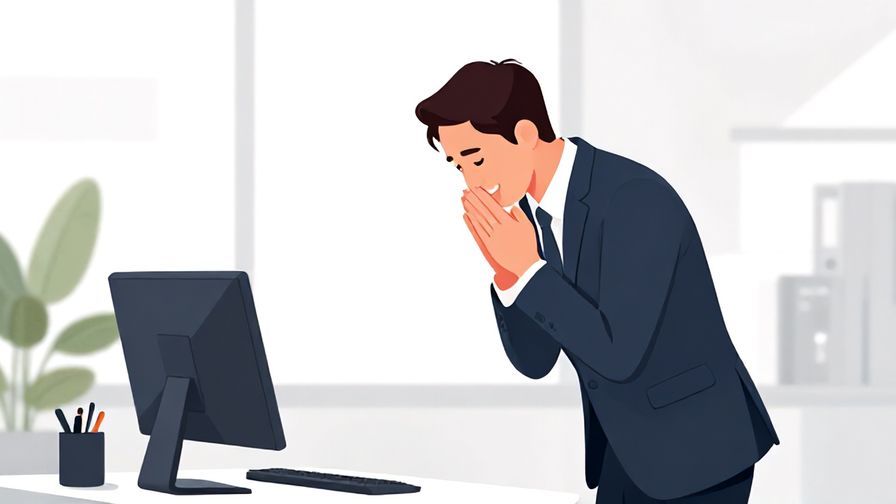
This phrase is very polite and often used in business or formal contexts.
“よろしいでしょうか?” (yoroshii deshou ka?) is a formal way to ask for permission or confirmation.
It sounds respectful and careful.
Ideal for coworkers, clients, or teachers.
Using this shows professionalism and consideration.
It’s a great phrase to keep handy for work or formal meetings.
10. 明日も同じ時間でお願いできますか? (Ashita mo onaji jikan de onegai dekimasu ka?) – “Could I ask you for the same time tomorrow?”

“お願いできますか?” (onegai dekimasu ka?) is a polite request phrase.
It’s softer than a direct command and shows good manners.
Perfect for workplace or formal social settings.
It makes your request sound considerate.
Try this when you want to ensure politeness.
This phrase balances clarity with respectfulness.
11. 明日も同じ時間にお会いできますか? (Ashita mo onaji jikan ni oaidekimasu ka?) – “Can we meet at the same time tomorrow?”

“お会いできますか?” (oaidekimasu ka?) is a polite way to say “can we meet?”
Using “お” (o) adds respect, perfect for formal conversations.
It’s used in business or respectful social settings.
This phrase is clear, polite, and professional.
Great for scheduling meetings with clients or seniors.
It shows you value the person’s time and presence.
12. 明日も同じ時間でよろしければ (Ashita mo onaji jikan de yoroshikereba) – “If the same time tomorrow is alright with you…”

“よろしければ” (yoroshikereba) means “if it is alright,” making this a polite conditional phrase.
It’s soft and leaves room for the other person to decline.
Use it to suggest plans respectfully.
It’s handy for emails or polite conversations.
This phrase respects the other person’s schedule.
Try it when you want to be thoughtful and polite.
13. 明日も同じ時間でお願い申し上げます (Ashita mo onaji jikan de onegai mōshiagemasu) – “I humbly request the same time tomorrow.”
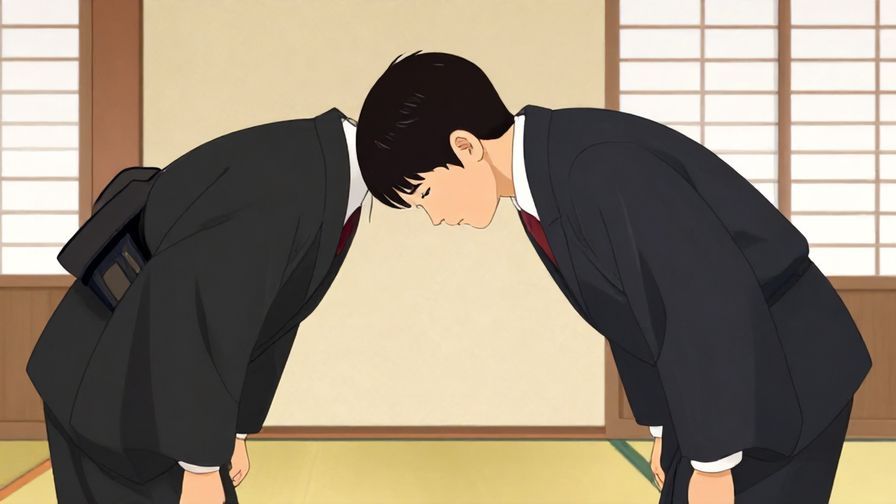
This is an extremely polite and humble way to ask for the same time.
“お願い申し上げます” (onegai mōshiagemasu) is formal and respectful.
Used in very formal business or official contexts.
It shows deep respect and professionalism.
Best for emails or formal requests.
Use it to impress with your politeness and humility.
14. 明日も同じ時間でよろしゅうございますか? (Ashita mo onaji jikan de yoroshū gozaimasu ka?) – “Is the same time tomorrow acceptable?”
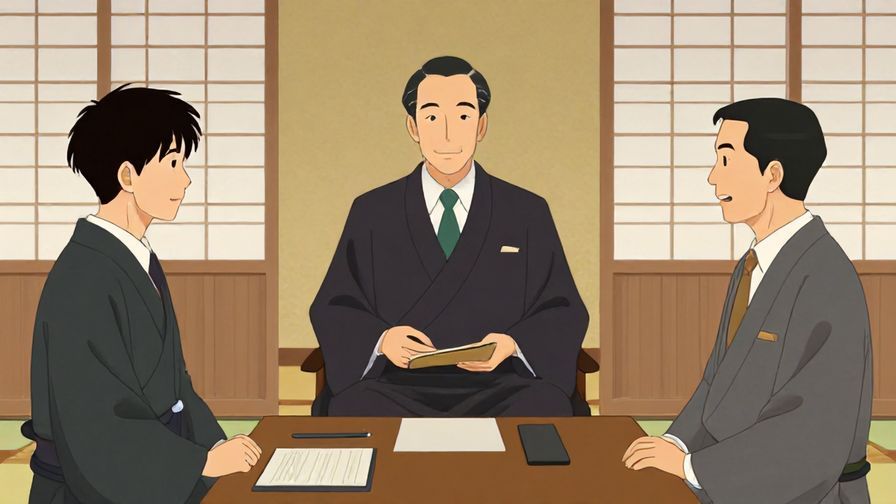
A very formal and somewhat old-fashioned phrase.
“よろしゅうございますか?” (yoroshū gozaimasu ka?) is a polite inquiry.
It’s rarely used in casual speech but perfect for ceremonies or formal occasions.
This phrase shows utmost respect.
Use it when you want to sound very refined.
It’s an elegant way to confirm plans politely.
15. 明日も同じ時間にお待ちしております (Ashita mo onaji jikan ni omachi shite orimasu) – “I will be waiting at the same time tomorrow.”

This phrase shows polite eagerness.
“お待ちしております” (omachi shite orimasu) is the humble form of “waiting.”
It’s respectful and great for business contexts.
It makes the other person feel valued and welcomed.
Perfect for client meetings or formal appointments.
Use this to express polite anticipation.
16. 明日も同じ時間にご連絡いたします (Ashita mo onaji jikan ni go-renraku itashimasu) – “I will contact you at the same time tomorrow.”

This is a polite way to promise a follow-up contact.
“ご連絡いたします” (go-renraku itashimasu) is a humble way of saying “I will contact you.”
Great for formal business or client relationships.
It shows professionalism and attentiveness.
Use it when scheduling calls or messages.
This phrase keeps communication clear and polite.
Part 3: Very Casual / Native-like Expressions
17. 明日も同じ時間っしょ? (Ashita mo onaji jikan ssho?) – “Same time tomorrow, yeah?”

This is a very casual, slangy way to check plans.
“っしょ?” (ssho?) is a contraction used mostly by young people in casual speech, meaning “right?” or “yeah?”
It’s perfect among close friends.
It sounds natural and relaxed.
Try this if you want to sound like a native teenager or young adult.
Just be mindful it’s too informal for strangers or formal settings.
18. 明日も同じ時間で頼むわ (Ashita mo onaji jikan de tanomu wa) – “I’m counting on you for the same time tomorrow.”
“頼むわ” (tanomu wa) is a casual, slightly masculine phrase meaning “I’m counting on you.”
It’s friendly but with a bit of weight behind it.
Good among close buddies or teammates.
It shows trust and expectation.
Use it to sound confident and natural.
A great phrase to reinforce your plans casually.
19. 明日も同じ時間、よろしくな! (Ashita mo onaji jikan, yoroshiku na!) – “Same time tomorrow, alright!”

“よろしくな” (yoroshiku na) is a casual, masculine way of saying “please” or “thanks in advance.”
It’s warm and friendly, often used by men.
Perfect for casual plans with good friends.
It adds a bit of a cool vibe to your phrase.
Use it to sound laid-back but sincere.
Great for reinforcing easygoing plans.
20. 明日も同じ時間で決まりだぜ! (Ashita mo onaji jikan de kimari da ze!) – “It’s settled for the same time tomorrow, dude!”

“だぜ” (da ze) is a casual, masculine sentence-ending particle adding emphasis.
This phrase is energetic and very informal.
Great for sports teams or close male friends.
It shows excitement and certainty.
Use it when you want to hype up your plan.
This phrase really conveys enthusiasm!
21. 明日も同じ時間でよろ! (Ashita mo onaji jikan de yoro!) – “Same time tomorrow, thanks!”

“よろ” (yoro) is a super casual, shortened form of “よろしく.”
Used among close friends or peers.
It’s quick, informal, and friendly.
Perfect for texting or casual chats.
Try this when you want to sound very relaxed and modern.
Just avoid using it in formal situations.
22. 明日も一緒の時間でな! (Ashita mo issho no jikan de na!) – “Same time together tomorrow, okay!”

“一緒の時間” (issho no jikan) means “together time,” emphasizing meeting up.
“な” (na) is a casual sentence-ending particle for seeking agreement.
This phrase feels warm and inclusive.
Great for close friends or couples.
It adds a sense of togetherness to the plan.
Use this to sound friendly and connected.
Concluding Thought
Exploring these 22 ways to say “Same time tomorrow?” in Japanese shows just how rich and flexible the language is when it comes to everyday conversations.
Whether casual, polite, or native-like, each phrase carries its own vibe and fits different social contexts perfectly.
Keep practicing these expressions, and soon you’ll feel even more confident making plans with your Japanese friends or colleagues, with warmth and ease!