22 Japanese ways to say “I’ll get you back”
Have you ever wanted to say “I’ll get you back” in Japanese but weren’t sure how to express the nuance? Maybe it’s playful, a promise, or just friendly banter.
Japanese has so many ways to express this idea depending on your tone, relationship, and context. It’s fun and useful to know the different shades of meaning.
From casual to formal, and even some native-like expressions, this list has you covered. You’ll find the perfect phrase for every situation.
Each expression comes with a pronunciation guide and a bit of background, making it easy to remember and use confidently.
Learning these phrases will add a warm, personal touch to your Japanese conversations, especially when you want to playfully promise a comeback.
Ready? Let’s dive into 22 genuine and relatable Japanese ways to say “I’ll get you back!”
Understanding the Nuance of “I’ll Get You Back” in Japanese
Before jumping into the phrases, it’s helpful to understand that “I’ll get you back” can mean different things: revenge, returning a favor, or playful teasing.
Japanese covers these nuances with various words and expressions, so picking the right one is key to sounding natural and warm.
This section will prepare you to choose phrases that fit your mood and relationship perfectly.
Sometimes, a great language learning book helps you grasp these nuances fast.
It’s also useful to hear these phrases in real conversations or media for better context.
Remember, practice and exposure will make these phrases feel natural when you use them.
Part 1: Casual Suggestions
1. 仕返しするよ (Shikaeshi suru yo) – “I’ll get you back!”

This is a straightforward and commonly used phrase to say “I’ll get you back” in a casual way.
“仕返し” (shikaeshi) means revenge or payback, and “する” (suru) means “to do.” Adding “よ” (yo) adds a friendly emphasis.
It’s great for teasing friends when they prank you or jokingly get one over on you.
Use it with a smile to keep it lighthearted and fun.
Be careful not to sound too serious, as it’s mostly playful in casual settings.
Try this phrase next time you want to promise a fun comeback among close friends!
2. 仕返ししてやる (Shikaeshi shite yaru) – “I’ll totally get you back!”

This phrase adds a stronger, more determined tone with “してやる” (shite yaru), which means “I will do it for you” but in a rougher, more assertive style.
It’s a bit bolder and often used by guys or in close friendships where casual rough talk is okay.
Remember to use it only with people who understand your humor, so it doesn’t come off as harsh.
It’s an easy phrase to remember because “してやる” is a common way to express “I’ll do it” with attitude.
For a softer version, “してあげる” (shite ageru) can be used but with a different meaning.
Use “してやる” to sound cool and confident while promising your comeback.
3. お返しするね (O-kaeshi suru ne) – “I’ll return the favor!”

This phrase is great when you want to say “I’ll get you back” in the sense of returning a favor, not revenge.
“お返し” (okaeshi) means “return” or “repayment,” and “する” (suru) means “to do.” The “ね” (ne) softens the tone, making it friendly.
It’s perfect for polite, casual conversations with friends or coworkers.
This phrase helps you sound thoughtful and kind.
It’s often used after receiving a gift or kindness you want to reciprocate.
Remember, “お返し” is a key word for “getting back” in a positive way.
4. 借りを返すよ (Kari o kaesu yo) – “I’ll pay you back!”
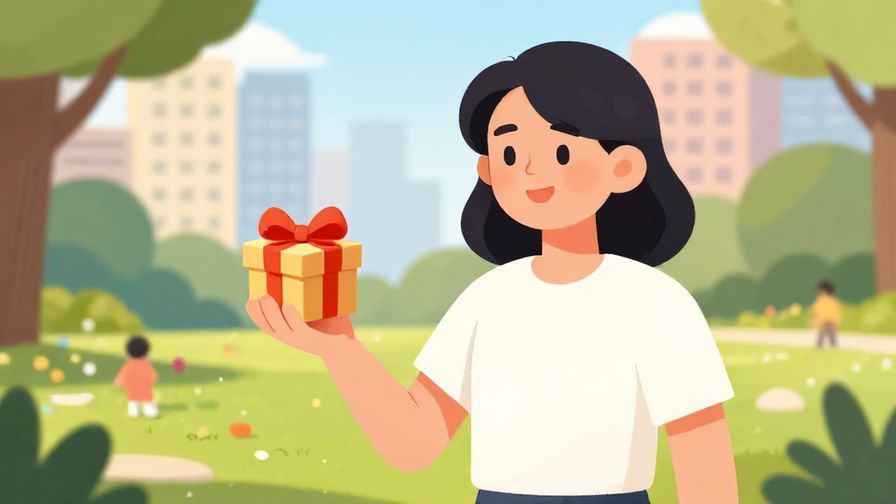
This phrase literally means “I’ll return the debt” and is used when you want to get back something owed to you.
“借り” (kari) means “debt” or “borrowed,” and “返す” (kaesu) means “to return.”
It’s casual but sincere, often used among friends after favors or lending things.
Adding “よ” (yo) gives an upbeat, confident tone.
This is a practical phrase when you want to show you’ll make things even.
An easy way to remember it is linking “借り” to borrowing and “返す” to returning.
5. やり返すからな!(Yarikaesu kara na!) – “I’ll get you back for sure!”

This is a very casual and energetic way to say “I’ll get you back.”
“やり返す” (yarikaesu) means “to retaliate” or “to get back at,” and “からな” adds a casual but strong promise.
It’s often used among close friends during playful fights or teasing.
Use this phrase to sound lively and confident.
It’s handy to know because “やり返す” is a common verb for “fighting back.”
Just make sure the mood is right so it’s taken playfully, not seriously.
6. ぶち返すぜ (Buchi kaesu ze) – “I’ll totally get you back!” (Very casual)

This is a very rough and casual way to say “I’ll get you back,” often used by young people or in manga/anime.
“ぶち返す” (buchi kaesu) means “to hit back hard” or “to smash back,” and “ぜ” adds a masculine, confident tone.
It’s great for expressing strong determination but should be used only in informal settings.
This phrase sounds very native and natural if you want to sound like a cool character.
Remember, it’s not polite, so avoid using it with strangers or formal situations.
Perfect for informal chats with close friends or fans of Japanese pop culture.
7. 仕返ししちゃうよ (Shikaeshi shichau yo) – “I just might get you back!”

This phrase softens the promise a bit by using “しちゃう” (shichau), which implies “might do” or “can’t help but.”
It’s casual and playful, perfect for friendly teasing.
“仕返し” (shikaeshi) again means “payback,” so the phrase means “I might get you back.”
It’s useful when you want to sound lighthearted but still make a promise.
Try it when you want to hint at revenge without sounding too serious.
It’s a great phrase to practice for informal conversations.
8. 絶対にやり返す!(Zettai ni yarikaesu!) – “I’ll definitely get you back!”

“絶対に” (zettai ni) means “definitely” or “absolutely,” so this phrase is a firm promise to get back at someone.
It’s casual but strong, good for when you really want to emphasize your determination.
“やり返す” (yarikaesu) is “to retaliate,” so combined, it’s a solid phrase for serious playful revenge.
Use it to sound confident but still friendly.
It’s easy to remember by associating “絶対” with “absolute.”
This phrase adds a bit of drama, so it’s fun among close friends or in storytelling.
Part 2: Polite & Formal Suggestions
9. お返しさせていただきます (O-kaeshi sasete itadakimasu) – “I will return the favor.”
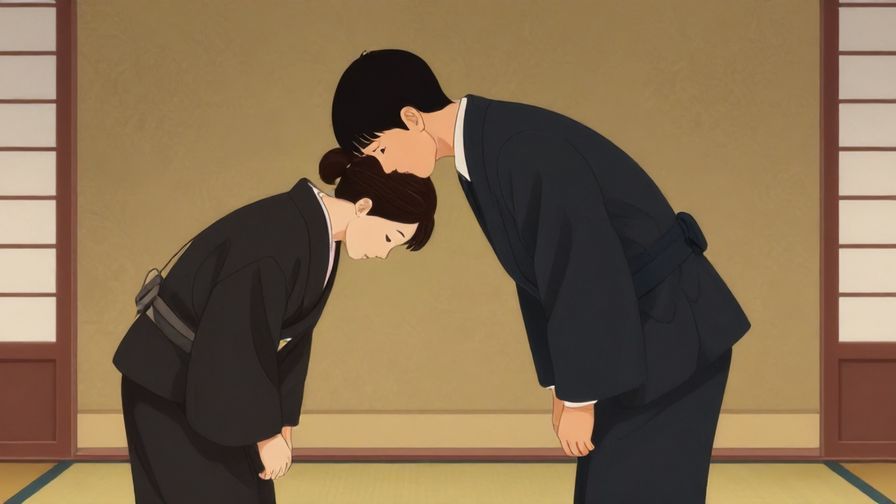
This is a very polite and humble way to say “I’ll get you back” in the sense of returning a favor.
“お返し” (okaeshi) means “return,” “させていただきます” (sasete itadakimasu) is a humble way of saying “I will do.”
It’s perfect in business or formal social contexts.
Using this phrase shows respect and appreciation.
It’s longer but a great phrase to know for formal conversations.
Try it when you want to sound professional and courteous.
10. 必ずお返しします (Kanarazu o-kaeshi shimasu) – “I will certainly return the favor.”

“必ず” (kanarazu) means “certainly” or “without fail,” so this phrase is a polite, firm promise.
It’s appropriate in formal or semi-formal situations.
“お返しします” (okaeshi shimasu) means “I will return.”
Use it to show sincere commitment.
Avoid using it in too casual contexts to keep the tone right.
This phrase is useful for emails or polite conversations.
11. 御礼をさせていただきます (Orei o sasete itadakimasu) – “I will express my gratitude in return.”
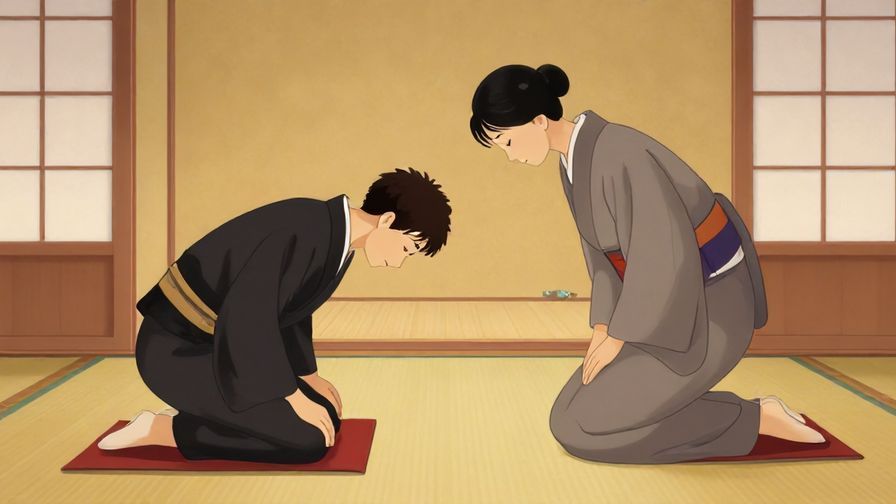
This phrase politely expresses that you will reciprocate gratitude or kindness.
“御礼” (orei) means “thanks” or “gratitude,” and “させていただきます” is a humble expression.
It’s very formal, often used in written communication or ceremonial contexts.
It highlights respect and humility.
Perfect for business or formal social events.
It’s a phrase worth adding to your polite Japanese toolkit.
12. 後ほど必ずお返しします (Nochihodo kanarazu okaeshi shimasu) – “I will certainly return it later.”
This phrase adds “後ほど” (nochihodo), meaning “later,” to promise to return a favor or repay later.
It’s polite and useful when you want to assure someone you haven’t forgotten.
Often used in service or business settings.
It’s a good phrase to learn for delayed responses or promises.
Remember to actually follow through—it’s polite and respectful.
It sounds very natural and professional when used well.
13. 恩返しさせていただきます (On-gaeshi sasete itadakimasu) – “I will repay your kindness.”

“恩返し” (on-gaeshi) means “repaying kindness,” and this phrase is very polite and heartfelt.
It’s used to express sincere intentions to return a favor or kindness.
Perfect for formal or respectful situations, especially with elders or mentors.
It’s a beautiful phrase to show gratitude in Japanese culture.
Adding “させていただきます” makes it humble and respectful.
Use it when you want to sound genuinely thankful and polite.
14. 必ず恩返しします (Kanarazu on-gaeshi shimasu) – “I will definitely repay your kindness.”
This is a strong but polite promise to repay kindness.
Combining “必ず” (kanarazu, definitely) with “恩返し” (on-gaeshi, kindness repayment) is very effective.
Use it to show seriousness when promising to return a favor.
It’s suitable for formal or heartfelt conversations.
Perfect for email closings or direct conversations.
It’s a phrase that emphasizes gratitude with determination.
15. ご恩は必ず返します (Go-on wa kanarazu kaeshimasu) – “I will certainly repay your favor.”
“ご恩” (go-on) is an honorific way of saying “favor” or “kindness.”
This phrase is very polite and acknowledges the favor formally.
“必ず返します” (kanarazu kaeshimasu) means “I will certainly return.”
It works well in formal or business settings.
It’s a phrase that conveys respect and promises repayment.
Great for when you want to sound courteous and reliable.
16. 御礼申し上げます (Orei mōshiagemasu) – “I humbly express my thanks.”
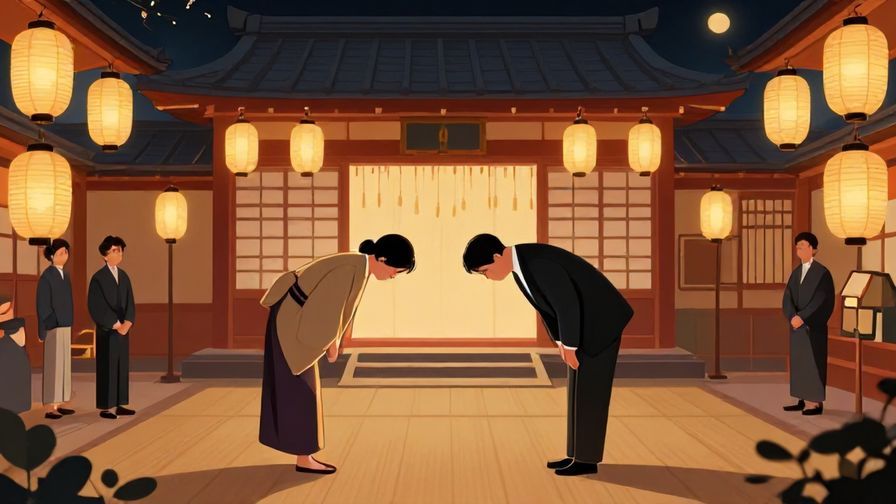
This phrase is a formal and humble way to express thanks, often used in speeches or letters.
While it doesn’t directly say “I’ll get you back,” it implies gratitude and the intention to reciprocate.
It’s perfect in very formal environments.
Use it to sound extremely polite and traditional.
It’s part of formal Japanese etiquette and culture.
Great to know for serious occasions and official communication.
Part 3: Very Casual / Native-like Expressions
17. 見てろよ!(Mitero yo!) – “Just you wait!”

This short phrase is very casual and often used to threaten playful revenge.
“見てろ” (mitero) means “watch” or “look,” and “よ” adds emphasis.
It’s perfect for playful teasing among friends.
It sounds very natural and native-like in casual speech.
Use it when you want to say “I’ll get you back” without a direct phrase.
It’s short, punchy, and easy to remember.
18. しっぺ返しだぞ!(Shippe gaeshi da zo!) – “That’s payback!”

“しっぺ返し” (shippe gaeshi) literally means “a flick back” or “payback.”
It’s a fun, very casual way to say you’ll get someone back.
Adding “だぞ” (da zo) adds a playful warning tone.
It’s often used after a prank or joke.
Great for sounding like a native speaker in friendly teasing contexts.
Try it next time you want to playfully warn someone!
19. ぶっ返すぞ!(Bukkaesu zo!) – “I’ll smash you back!”

This is a very strong, rough way to say “I’ll get you back.”
“ぶっ返す” (bukkaesu) is a slang term meaning “smash back” or “hit back hard.”
It’s aggressive and masculine, used mostly among close male friends or in manga/anime.
Use with care, as it can sound violent if taken seriously.
It’s great for sounding like a tough native speaker in casual or fictional contexts.
Perfect for dramatic or playful moments.
20. やり返してやる!(Yarikaeshite yaru!) – “I’ll get you back for sure!”

This phrase combines “やり返す” (to retaliate) with “してやる” (I’ll do it for you), adding emphasis.
It’s very casual, confident, and sounds very native.
Perfect for joking around with close friends.
Use it to add some edge to your promise.
It’s easy to say and very expressive.
Great for casual conversations or playful arguments.
21. てめぇ、覚えてろよ!(Temee, oboetero yo!) – “You better remember this!”

“てめぇ” (temee) is a rough way to say “you,” often used between close (sometimes rough) friends.
“覚えてろ” (oboetero) means “remember this.”
It’s a strong, casual phrase used to warn someone you’ll get them back.
Only use in very casual or joking contexts, never formal.
It sounds very native and authentic for tough or playful speech.
Good for dramatic or joking confrontations.
22. 見てな、必ずやり返すからな!(Mite na, kanarazu yarikaesu kara na!) – “Watch, I’ll definitely get you back!”

This phrase is very casual and combines a confident promise with a playful tone.
“見てな” means “watch me,” “必ず” means “definitely,” and “やり返すからな” is “because I’ll get you back.”
It’s perfect for friendly teasing with a strong but lighthearted promise.
Use it to sound natural and confident.
It’s a longer phrase but rhythmic and easy to remember.
Great for playful banter and jokes.
Concluding Thought
Exploring these 22 ways to say “I’ll get you back” in Japanese shows how rich and nuanced the language is.
Whether you want to sound casual, polite, or extremely native, there’s a phrase here for every occasion and personality.
Keep practicing and using these expressions to add warmth, humor, and flair to your Japanese conversations. You’ve got this!