22 Japanese ways to say “This is war”
When it comes to expressing something as intense as “This is war” in Japanese, there’s a surprising variety of ways to say it. Whether you want to sound dramatic, casual, or poetic, Japanese has you covered.
These phrases can be used in movies, games, or even playful arguments among friends. Knowing different expressions adds flavor and depth to your Japanese vocabulary.
Each version reflects a unique nuance of conflict, challenge, or declaration, giving you plenty of options to express your “battle” spirit.
From straightforward statements to colorful idioms, this list will bring you closer to sounding like a native when declaring a showdown.
Plus, learning these phrases can make your conversations much more fun and engaging, no matter your level.
Ready to dive into the many ways to say “This is war”? Let’s jump right in!
Understanding the Basics of War-Related Expressions
First off, “war” in Japanese is 戦争 (せんそう, sensou), but that’s often too formal or heavy for everyday use.
Instead, many phrases use 戦い (たたかい, tatakai) meaning “battle” or “fight,” which feels more dynamic and natural in various contexts.
Some expressions lean on strong verbs like 戦う (たたかう, tatakau) meaning “to fight,” adding energy and immediacy.
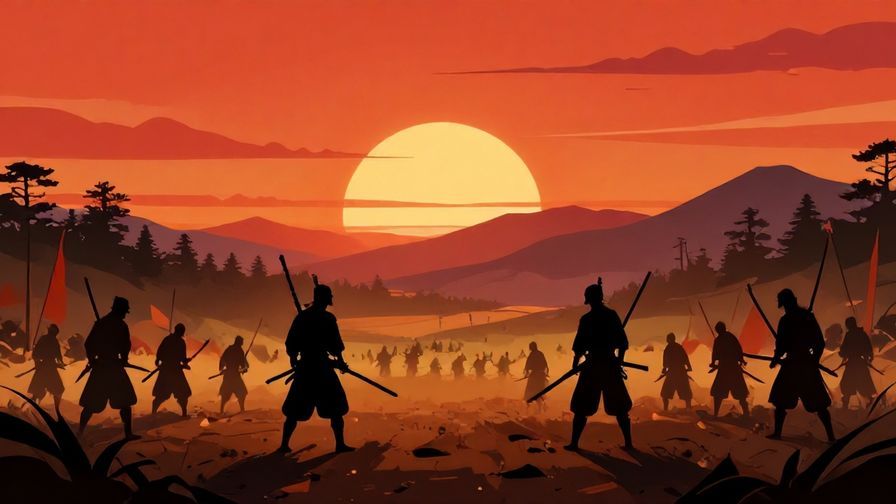
If you want to get a good grip on these phrases, a great phrasebook focused on conflict expressions can be a handy tool.
Mastering these basics will help you confidently use more complex or casual sayings later.
It’s all about understanding the core words and how they combine to express strong emotions.
Part 1: Casual Suggestions
1. これは戦いだ (Kore wa tatakai da) – “This is a battle.”
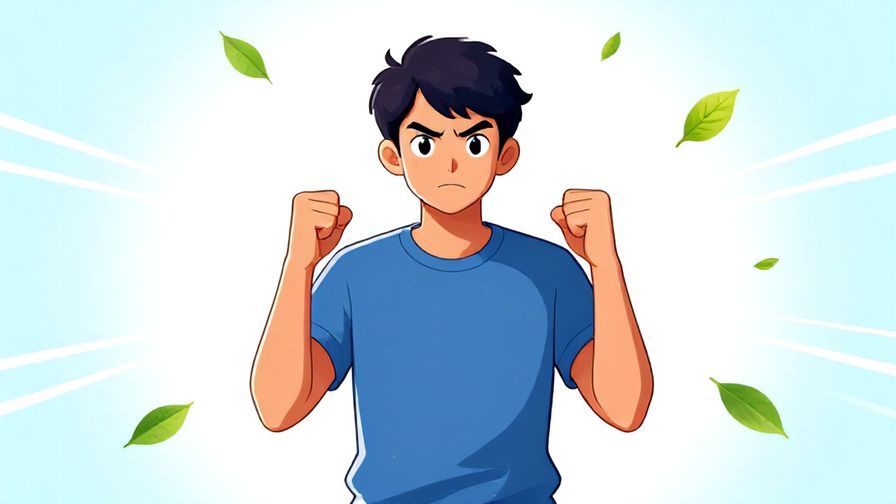
This is a simple, straightforward phrase meaning “This is a battle.”
“これ” (kore) means “this,” “は” (wa) marks the topic, and “戦い” (tatakai) means “battle.” Adding “だ” (da) makes it a clear statement.
It’s perfect when you want to sound direct but not too formal.
Use it when declaring a challenge or gearing up for any fight, literal or figurative.
It’s a great alternative to the heavier “war” word 戦争 (sensou).
Try saying it aloud to get the rhythm—it’s a solid phrase for everyday use.
2. これが戦争だ! (Kore ga sensou da!) – “This is war!”
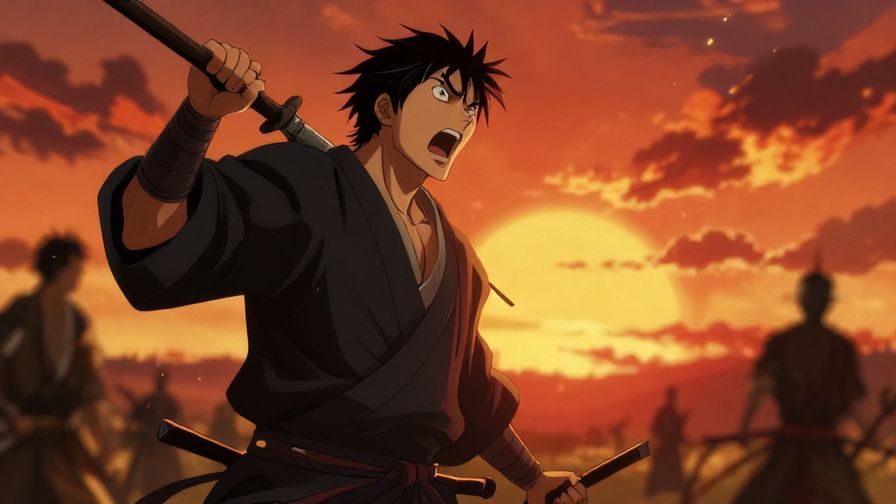
This is the classic, dramatic way to say “This is war!”
“これ” (kore) means “this,” “が” (ga) marks the subject, and “戦争” (sensou) means “war.” The “だ” (da) adds finality.
It’s intense and perfect for movies or serious moments.
Use with caution in casual conversation—it’s very strong.
If you want to sound like a hero in a showdown, this phrase fits the bill.
Practice the short punchy delivery to make it feel impactful.
3. 戦いの始まりだ (Tatakai no hajimari da) – “The battle begins.”

This phrase means “The battle begins.”
“戦い” (tatakai) is “battle,” “の” (no) is a possessive particle, and “始まり” (hajimari) means “beginning.”
It’s a great way to build anticipation before a fight or competition.
Use it when you want to announce the start of a conflict, literally or figuratively.
It’s a bit more poetic and less blunt than “This is war.”
This phrase is great to memorize for dramatic storytelling or games.
4. 本気の勝負だ (Honki no shoubu da) – “This is a serious match.”
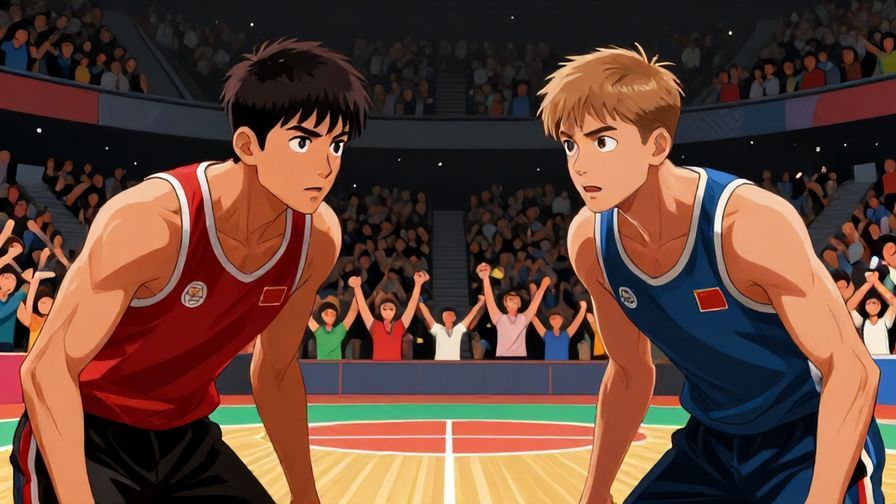
“本気” (honki) means “serious” or “earnest,” “勝負” (shoubu) means “match” or “contest.”
This phrase communicates that it’s not just play—it’s a real fight.
Perfect for friendly rivalries or competitions where you want to raise the stakes.
It’s casual but carries weight.
Try using it before a game or heated debate.
It’s a good phrase to keep in your casual vocabulary toolkit.
5. 戦闘開始! (Sentou kaishi!) – “Combat start!”
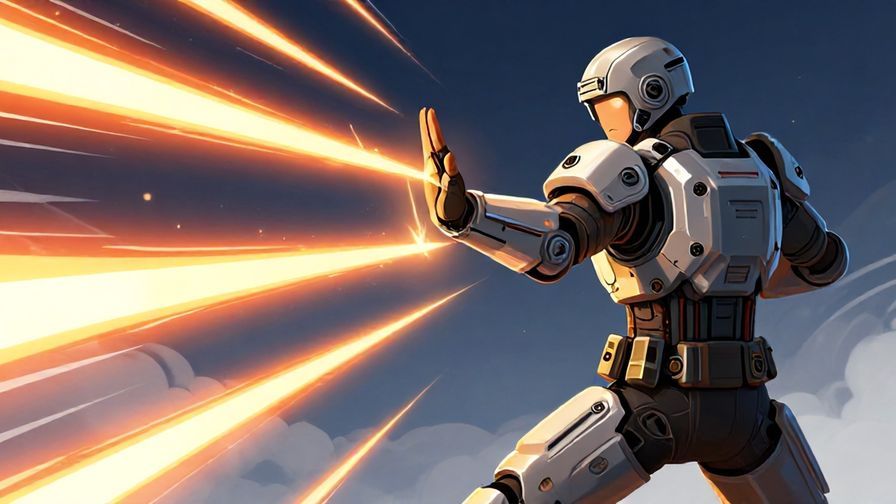
“戦闘” (sentou) means “combat” or “battle,” and “開始” (kaishi) means “start.”
This phrase is short, punchy, and often used in video games or action scenes.
It’s a fun, energetic way to say “This is war” in a modern context.
Useful for gamers or fans of anime and manga.
Practice it for a dramatic flair in playful situations.
It’s very direct and easy to remember.
6. ここからが勝負だ (Koko kara ga shoubu da) – “The real battle starts here.”

“ここから” (koko kara) means “from here,” indicating a turning point.
“勝負” (shoubu) means “battle” or “match,” and “だ” (da) makes it a statement.
This phrase is perfect for turning points in a story or competition.
It carries a sense of challenge and motivation.
Use it to hype up the moment when things get serious.
It’s a phrase that’s easy to apply in everyday challenges.
7. 負けられない戦いだ (Makerarenai tatakai da) – “A fight we can’t lose.”
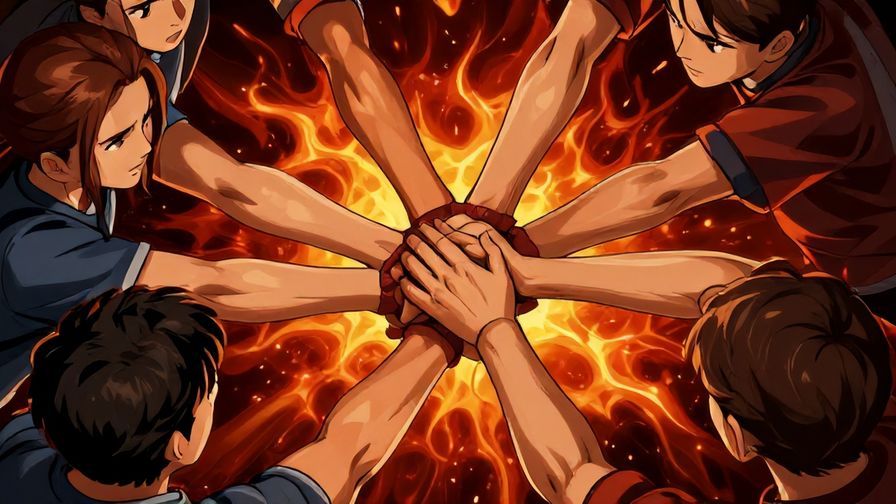
“負けられない” (makerarenai) means “can’t lose,” “戦い” (tatakai) means “fight.”
This phrase expresses high stakes and urgency.
It’s perfect for motivational moments or teamwork.
Use it to show how important the battle is.
It carries emotional weight and strong resolve.
Great for speeches, sports, or any group effort.
8. これが俺たちの戦いだ (Kore ga oretachi no tatakai da) – “This is our fight.”

“俺たち” (oretachi) means “we” or “us” in a masculine casual tone.
This phrase emphasizes unity and shared struggle.
It’s heartfelt and casual, great for close friends or teams.
Use it to express solidarity before a challenge.
It’s a phrase full of passion and belonging.
Perfect for bonding moments or storytelling.
Part 2: Polite & Formal Suggestions
9. これは戦争です (Kore wa sensou desu) – “This is war.” (polite)

This phrase is the polite form of “This is war.”
“です” (desu) adds formality, making it suitable for respectful situations.
Use it in speeches, announcements, or formal debates.
It sounds serious but polite.
Great when you want to sound official but clear.
Keep this in mind for formal presentations or writing.
10. 戦いの幕開けです (Tatakai no makuake desu) – “The curtain rises on the battle.”

“幕開け” (makuake) means “curtain rise” or “beginning.”
This is a poetic and formal way to announce a battle’s start.
It’s elegant and often used in literature or news.
Perfect for dramatic announcements or formal storytelling.
Use it to add a refined touch to your declarations.
A beautiful phrase for serious occasions.
11. これが戦いの始まりです (Kore ga tatakai no hajimari desu) – “This is the beginning of the battle.”
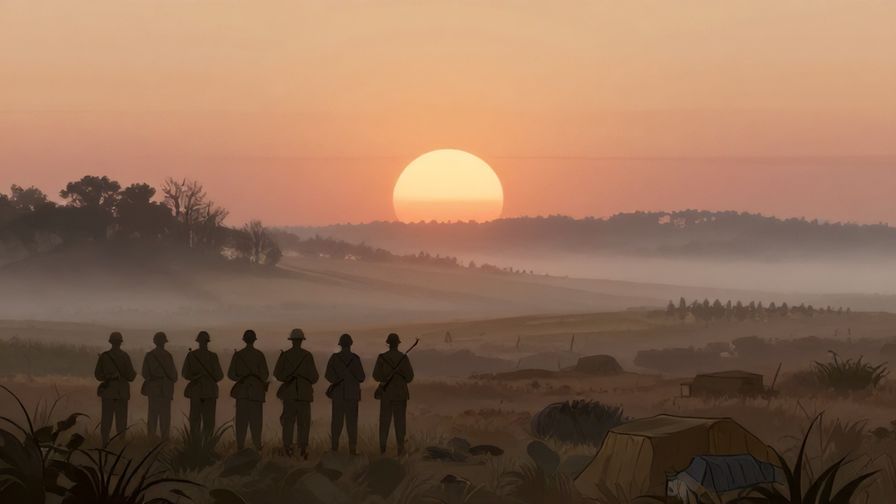
This is a polite and clear statement of a battle’s start.
“です” (desu) keeps it formal and respectful.
Great for formal speeches or narrations.
It’s straightforward but carries weight.
Use it when you want to set the tone seriously.
Practice it to sound polished and confident.
12. 本格的な戦いが始まります (Honkakuteki na tatakai ga hajimarimasu) – “The serious fight begins.”
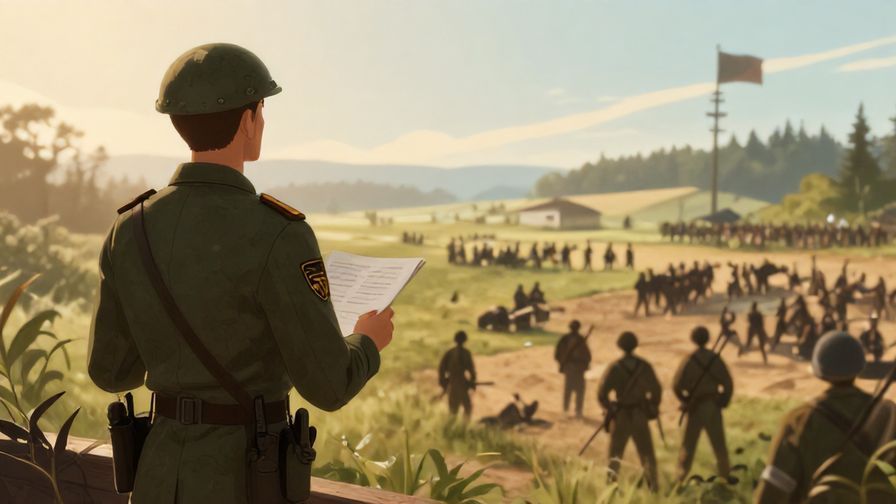
“本格的な” (honkakuteki na) means “full-scale” or “serious.”
“始まります” (hajimarimasu) is the polite way to say “begins.”
This phrase is formal and emphasizes seriousness.
Use it in professional or official contexts.
It’s ideal for reports or formal announcements.
Sounds authoritative and mature.
13. 我々の戦いが始まります (Wareware no tatakai ga hajimarimasu) – “Our battle begins.”

“我々” (wareware) means “we” formally.
This phrase is polite and collective.
It’s perfect for corporate or military contexts.
Use it for official speeches or documents.
It sounds respectful and inclusive.
Good for professional declarations.
14. 敵との戦いが始まります (Teki to no tatakai ga hajimarimasu) – “The fight against the enemy begins.”
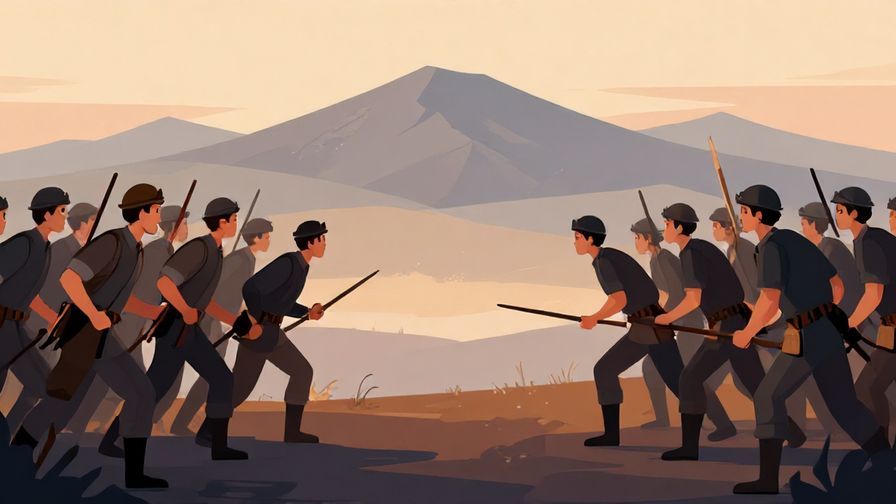
“敵” (teki) means “enemy.”
This phrase is formal and descriptive.
It clarifies who the battle is against.
Use it in official or news reports.
It’s precise and serious.
Perfect for formal storytelling or announcements.
15. この戦いに勝たなければなりません (Kono tatakai ni katanakereba narimasen) – “We must win this battle.”

“勝たなければなりません” (katanakereba narimasen) means “must win.”
This phrase politely expresses necessity and determination.
Great for motivational speeches or formal encouragement.
Use it to inspire or assert seriousness.
It sounds respectful yet forceful.
Try it when you want to emphasize commitment.
16. この戦いは避けられません (Kono tatakai wa sakeraremasen) – “This battle cannot be avoided.”

“避けられません” (sakeraremasen) means “cannot be avoided.”
This polite phrase conveys inevitability.
Use it when accepting a challenge reluctantly or seriously.
It’s formal and thoughtful.
Perfect for serious conversations or writing.
Helps express the gravity of a situation.
Part 3: Very Casual / Native-like Expressions
17. いよいよだな!(Iyoiyo da na!) – “It’s finally happening!”

This phrase literally means “It’s finally happening!” but carries a “battle is on” vibe.
It’s super casual and used to hype up a situation.
Great among friends before a competition or challenge.
It’s energetic and friendly.
Try using it to build excitement naturally.
It’s versatile and very common in spoken Japanese.
18. さあ、やるぞ! (Saa, yaruzo!) – “Alright, let’s do this!”

This is a casual, very native-like way to declare you’re ready to fight or face a challenge.
“さあ” (saa) is like “alright,” and “やるぞ” (yaruzo) means “let’s do it” with a masculine tone.
Use it among friends or teammates.
It’s informal but full of spirit.
Great for boosting morale before action.
Practice saying it with enthusiasm!
19. こっから本番だ! (Kokkara honban da!) – “From here, it’s the real deal!”

“本番” (honban) means “the real performance” or “main event.”
This phrase is casual, emphasizing the serious part starting now.
Perfect for casual battles or competitions.
It’s very colloquial and native sounding.
Use it to hype moments with friends.
It’s a fun phrase to add to your slang collection.
20. 戦争ごっこだ! (Sensou gokko da!) – “It’s war play!”
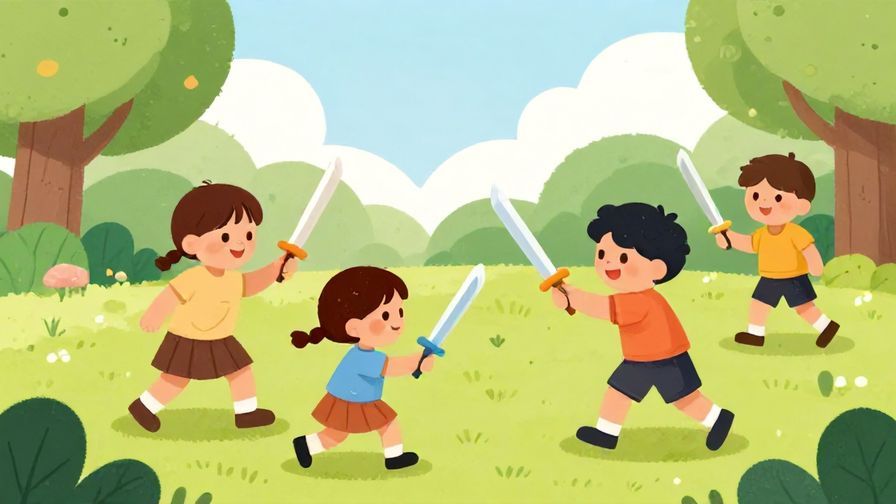
“ごっこ” (gokko) means “play” or “pretend.”
This phrase is playful and casual, like saying “It’s war pretend-play.”
Use it jokingly or lightheartedly.
It’s perfect for teasing or fun battles.
Great for informal chats with friends or kids.
It reminds you that sometimes war is just fun and games.
21. ぶっつけ本番だ! (Buttsuke honban da!) – “It’s do or die!”

“ぶっつけ本番” (buttsuke honban) means “improvised, no rehearsal.”
It’s a very casual way to say you’re jumping straight into a serious challenge.
Great for spontaneous battles or last-minute fights.
It sounds native and lively.
Use it to express gutsy determination.
Try it when you want to show fearless attitude.
22. 本気でかかってこい! (Honki de kakatte koi!) – “Bring it on for real!”
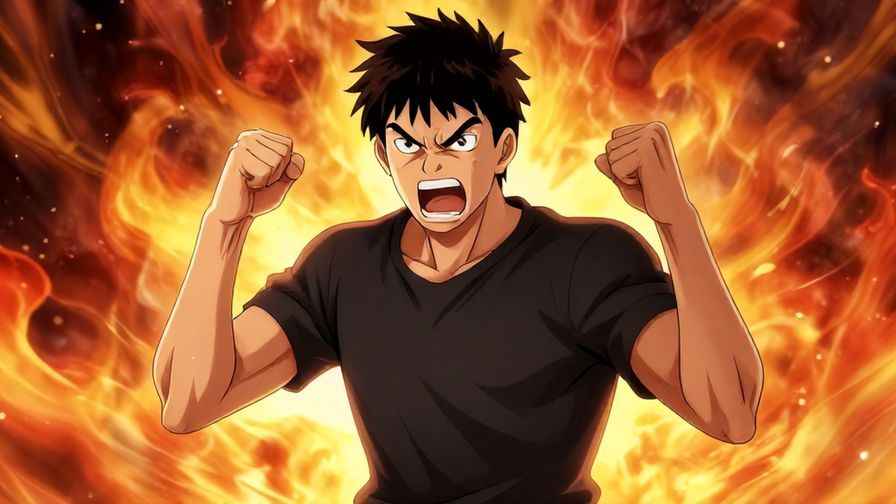
“本気で” (honki de) means “seriously,” and “かかってこい” (kakatte koi) is a very casual, almost rough way to say “bring it on.”
This phrase is bold, aggressive, and very native.
Use it among close friends or in intense situations.
It’s great for showing confidence and daring.
Be careful—it’s strong and not for formal use.
Perfect to sound like a true native warrior.
Concluding Thought
Exploring these 22 ways to say “This is war” in Japanese shows how rich and expressive the language can be.
From polite to casual, each phrase carries its own flavor and emotion, letting you choose the perfect fit for your mood and situation.
So next time you want to declare a challenge, you’ll have plenty of authentic Japanese phrases to back you up—battle ready and confident!