22 Japanese ways to say “You’ll regret this”
Ever found yourself in a moment where you just *know* the other person is going to regret what they just did? Maybe it’s a playful warning, or maybe you’re genuinely concerned. Either way, Japanese has some fantastic ways to say “You’ll regret this” that range from casual to serious.
These expressions are perfect for adding flavor to your conversations, whether you’re joking with friends or sounding a bit more formal. Plus, they offer insight into Japanese culture, where subtlety and nuance reign supreme.
We’ll explore 22 different ways to express this idea, complete with pronunciation guides and simple explanations so you can confidently use them in everyday chat.
Learning these phrases not only boosts your vocabulary but also helps you catch the tone and context when native speakers use them. Some are straightforward, others are colorful, and all are super useful.
Before you know it, you’ll be slipping these phrases into conversations naturally, adding that extra layer of meaning and emotion.
Ready to dive in? Let’s get started with some fun and friendly ways to say, “You’ll regret this” in Japanese!
Understanding the Nuance
Before jumping into the list, it’s good to know that “You’ll regret this” can be expressed in many tones—serious, playful, polite, or casual.
Japanese offers subtlety through word choice and formality level. Some phrases are warnings, others are light-hearted teases.
Knowing when and how to use each will make your Japanese sound much more natural and relatable.
Sometimes, a great language learning book can help you understand these nuances deeply.
With practice, you’ll get a feel for which phrase fits best in each situation.
It’s an easy trick to start noticing the emotions behind words!
Part 1: Casual Suggestions
1. 後で後悔するよ (Atode koukai suru yo) – “You’ll regret it later.”

This phrase is a straightforward, casual warning.
“後で” (Atode) means “later,” “後悔する” (Koukai suru) means “to regret,” and “よ” (yo) adds emphasis, like a friendly heads-up.
It’s great for teasing friends who might be making a questionable choice.
Use it when you want to sound casual but sincere.
You might hear a softer version without “よ” in more neutral conversations.
Perfect for everyday chats where you want to warn without sounding harsh.
2. 後で泣くことになるよ (Atode naku koto ni naru yo) – “You’ll end up crying later.”

This one’s a bit more colorful and dramatic.
“泣く” (Naku) means “to cry,” and “ことになる” (Koto ni naru) implies “will happen.” It’s a vivid way to say they’ll regret it badly.
It’s perfect for joking with friends who don’t take warnings seriously.
Be cautious not to sound too harsh or serious unless the context allows it.
Example: “そんなことしたら、後で泣くことになるよ!” (“If you do that, you’ll end up crying later!”)
A fun phrase that adds emotional flair to your warnings.
3. 後悔するぞ (Koukai suru zo) – “You’ll regret it!”

Short and punchy, this phrase uses “ぞ” (zo) to add a masculine, strong emphasis.
It’s often used among friends or in informal male speech.
Great for moments when you want to sound confident and a bit daring.
Be mindful that “ぞ” can sound rough if used incorrectly.
Related phrase: “絶対後悔するぞ!” (Zettai koukai suru zo!) – “You’ll definitely regret it!”
Try it out for a bold, casual warning!
4. これはまずいよ (Kore wa mazui yo) – “This is bad (you’ll regret this).”
“まずい” (Mazui) literally means “bad” or “unpleasant,” but it can imply trouble ahead.
Adding “よ” (yo) makes it a light warning.
It’s a softer way to hint they might regret their decision.
Good for casual conversations where you want to sound concerned but friendly.
Useful when someone is about to do something questionable but not seriously harmful.
It’s like saying, “Uh oh, this isn’t going to turn out well for you.”
5. 絶対後悔するよ (Zettai koukai suru yo) – “You’ll definitely regret it.”

Adding “絶対” (Zettai) means “definitely” or “absolutely,” giving strong certainty to the warning.
Perfect when you want to be very clear that regret is coming.
Use it with close friends or informal settings to avoid sounding too severe.
It’s an emphatic phrase that gets the point across with no doubt.
Often used humorously to exaggerate consequences.
Try pairing it with a smile to keep the tone light!
6. 自分で蒔いた種だよ (Jibun de maita tane da yo) – “You sowed your own seeds.”

This phrase is more metaphorical, meaning “You brought this on yourself.”
“蒔いた種” (Maita tane) means “sowed seeds,” implying future consequences.
It’s a gentle way to say someone will regret their choices because they caused the problem.
Great for teasing or making a point without direct harshness.
It’s a popular saying and easy to remember because of the imagery.
Perfect for friends who enjoy thoughtful expressions!
7. そんなことして後悔しないでね (Sonna koto shite koukai shinai de ne) – “Don’t regret doing that, okay?”

This phrase is more of a caring warning.
“そんなことして” (Sonna koto shite) means “doing such a thing,” and “後悔しないでね” (Koukai shinai de ne) means “don’t regret it, okay?”
It sounds softer and more like advice than a threat.
Great for friends or family when you want to sound gentle yet firm.
It’s a nice way to express concern while respecting their choice.
Use it when you want to stay friendly but clear.
8. あとで痛い目を見るよ (Atode itai me o miru yo) – “You’ll have a painful experience later.”

This phrase is a bit more intense and implies serious regret or trouble.
“痛い目を見る” (Itai me o miru) literally means “to see a painful eye,” a Japanese idiom for suffering consequences.
Use it when you want to warn seriously but still casually.
It’s often used in joking contexts among friends but carries weight.
It’s easy to remember because of the vivid imagery.
Perfect for moments when you want to sound both playful and pointed.
Part 2: Polite & Formal Suggestions
9. 後悔なさることになるでしょう (Koukai nasaru koto ni naru deshou) – “You will probably regret it.”

This is a polite and formal way to express regret prediction.
“なさる” (Nasaru) is the honorific form of “to do,” and “でしょう” (Deshou) softens the statement to “probably.”
Suitable for formal conversations or with people you don’t know well.
It’s respectful but still makes the point clearly.
Use this phrase in business or polite social settings.
It’s a great tool for sounding considerate yet serious.
10. 後で後悔されるかもしれません (Atode koukai sareru kamoshiremasen) – “You might regret it later.”

This phrase uses the potential form “かもしれません” (Kamoshiremasen) to express possibility.
“される” (Sareru) is passive/honorific, making it polite.
It’s a gentle way to warn someone without being too direct.
Perfect for delicate situations where you don’t want to offend.
Ideal for formal and polite speech.
Try it when you want to be suggestive, not commanding.
11. その決断は後悔を招くかもしれません (Sono ketsudan wa koukai o maneku kamoshiremasen) – “That decision might bring regret.”

This phrase is formal and uses “招く” (Maneku), meaning “to invite” or “to cause.”
It’s a polished way to say a choice may lead to regret.
It fits well in professional or serious personal conversations.
Great for giving advice without sounding harsh.
Use it when you want to sound wise and thoughtful.
It’s a phrase often found in written advice or news.
12. 後悔なさいますよ (Koukai nasaimasu yo) – “You will regret it.” (polite)
“なさいます” (Nasaimasu) is the polite form of “to do,” making this phrase respectful.
“よ” (yo) adds emphasis, making it a clear warning.
Use it in polite conversations where you want to be straightforward but respectful.
It’s less common in casual talk but perfect for elders or formal advice.
Good for professional settings or when speaking to superiors.
It shows respect while still making your point.
13. その行動は後悔の種になります (Sono koudou wa koukai no tane ni narimasu) – “That action will become a seed of regret.”
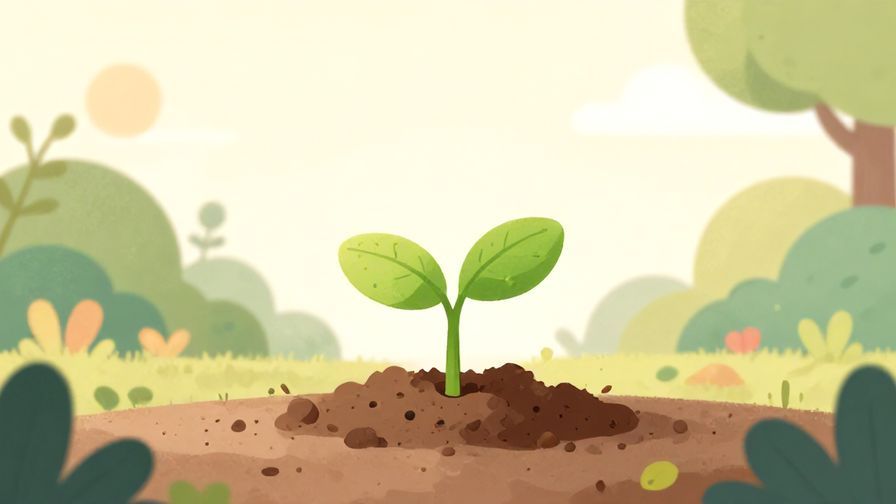
Another metaphorical phrase, polite and formal.
“後悔の種” (Koukai no tane) means “seed of regret,” implying consequences grow from actions.
It’s poetic and often used in reflective or advisory contexts.
Great for writing, speeches, or serious discussions.
Helps you sound thoughtful and nuanced.
Perfect for situations requiring a softer but clear warning.
14. その選択は後悔をもたらすでしょう (Sono sentaku wa koukai o motarasu deshou) – “That choice will probably bring regret.”
This phrase uses “もたらす” (Motarasu), meaning “to bring” or “to cause.”
“でしょう” (Deshou) makes it polite and tentative.
It’s good for discussing potential negative outcomes in a respectful way.
Best for formal advice, meetings, or serious talks.
Helps you sound considerate and careful.
Try it when you want to warn without sounding absolute.
15. あなたはきっと後悔されるでしょう (Anata wa kitto koukai sareru deshou) – “You will surely regret it.”

A polite but firm prediction.
“きっと” (Kitto) means “surely” or “definitely,” and “されるでしょう” (Sareru deshou) is polite and tentative.
Use it when you want to sound sure but polite.
It’s perfect for formal advice or warnings.
Good for speaking with clients, teachers, or people you respect.
It balances certainty with politeness.
16. 後悔されることを願います (Koukai sareru koto o negaimasu) – “I hope you don’t regret it.” (polite)

This phrase is polite and indirect, expressing hope rather than a warning.
“願います” (Negaimasu) means “I hope” or “I wish.”
It’s a nice way to express concern without sounding negative.
Use it in formal or delicate situations.
Great for avoiding confrontation while still implying a warning.
It shows empathy and care.
Part 3: Very Casual / Native-like Expressions
17. やっちまったな (Yacchimatta na) – “You messed up, didn’t you?”

This is a very casual, slangy way to say someone has made a mistake they’ll regret.
“やっちまった” (Yacchimatta) comes from “やってしまった” meaning “I/you did it (regretfully).”
“な” (na) softens it to a casual tag question.
Perfect for close friends or informal settings.
It’s playful, sometimes teasing, but can be serious depending on tone.
Use it when you want to sound native and laid-back.
18. まじで後悔するぜ (Maji de koukai suru ze) – “You’ll seriously regret it!”

“まじで” (Maji de) means “seriously” or “for real.”
“ぜ” (ze) adds masculine emphasis.
This phrase is casual, strong, and often used by young people.
Great for playful threats or serious warnings among friends.
Be careful with tone to avoid sounding rude.
It’s a fun phrase to express serious regret casually.
19. お前、絶対後悔するからな (Omae, zettai koukai suru kara na) – “You’ll definitely regret it, you know.”

“お前” (Omae) is a casual or rough way to say “you.”
“からな” (Kara na) adds a strong, informal warning tone.
This phrase sounds direct and emphatic.
Use it only with very close friends or in casual settings.
It’s a native-like expression that packs a punch.
Great for teasing or serious warnings.
20. それ、後で泣くぞ (Sore, atode naku zo) – “You’ll cry about that later!”

Short and punchy, this phrase is a native casual way to warn about regret.
“ぞ” (zo) adds masculine emphasis.
It’s common in everyday speech among friends.
Fun for teasing or joking warnings.
Keep tone light to avoid sounding mean.
Easy to remember and use casually.
21. その選択、あとで痛い目にあうよ (Sono sentaku, atode itai me ni au yo) – “That choice will hurt you later.”

This is a vivid, casual way to say someone will suffer consequences.
“痛い目にあう” (Itai me ni au) is an idiom meaning “to have a painful experience.”
It’s commonly used in spoken Japanese.
Great for casual warnings with some punch.
Use it with friends or peers.
It’s memorable thanks to its strong imagery.
22. 自業自得だよ (Jigou jitoku da yo) – “You got what you deserved.”

A classic Japanese proverb meaning “one’s own actions bring their own consequences.”
“自業自得” (Jigou jitoku) is often used humorously or philosophically.
It’s a great phrase for native-like speakers who want to sound wise and casual.
Use it to express that the regret is well-deserved.
It’s a perfect phrase to wrap up any conversation about regret.
Memorize it for a strong cultural touch!
Concluding Thought
Exploring these 22 Japanese ways to say “You’ll regret this” shows just how rich and varied the language can be.
From playful teases to formal warnings, each phrase offers a unique tone and nuance to express regret’s inevitability.
So next time you want to warn a friend or sound a little more native, try one of these phrases—you might just add a little extra flavor to your Japanese conversations!