22 Japanese ways to say “How dare you!”
Sometimes, you just need that perfect phrase to let someone know you’re shocked or offended — like, “How dare you!” But saying it in Japanese can be a little trickier than just a direct translation.
Japanese offers a rich palette of expressions, from polite and formal to casual and downright fiery. Each carries its own nuance and emotion.
Whether you want to sound like a native or just want to add some flavor to your Japanese, this list will give you 22 great ways to say “How dare you!” in various tones.
We’ll explore expressions that you can use in different situations, from light teasing to serious confrontation. Plus, you’ll get pronunciation guides and helpful tips for each phrase.
Mastering these will not only boost your confidence but also deepen your understanding of Japanese culture and communication style.
Ready? Let’s dive right in and discover how to express “How dare you!” in Japanese the right way!
Understanding “How Dare You” in Japanese
In Japanese, there isn’t a single phrase that perfectly matches the English “How dare you!” Instead, expressions vary depending on how strong or polite you want to be.
Some phrases are direct and fiery, while others are more subtle or sarcastic. Mastering these nuances helps you express your feelings appropriately.
Knowing when and how to use each one is key to sounding natural.

Sometimes, using a great beginner phrasebook can give you a perfect starting point for a cohesive understanding.
With practice, you’ll know exactly which phrase fits the mood and context.
Let’s look at some examples!
Part 1: Casual Suggestions
1. なんてことをするの? (Nante koto o suru no?) – “How could you do such a thing?”

This is a softer way to express shock or disappointment, perfect for casual situations.
“なんて” (nante) means “such” or “what kind of,” “こと” (koto) means “thing,” “を” (o) marks the object, and “する” (suru) means “to do.”
Adding “の” (no) at the end turns it into a question, making it sound like “How could you do such a thing?”
It’s less aggressive but still clearly shows your feelings.
This phrase works well with friends when you’re teasing or mildly upset.
Try pairing it with a playful tone for a lighthearted effect.
2. よくもそんなことが言えるね! (Yokumo sonna koto ga ieru ne!) – “How dare you say something like that!”

This phrase is stronger and directly challenges what the other person said.
“よくも” (yokumo) means “how dare,” “そんなこと” (sonna koto) means “such a thing,” “が” (ga) marks the subject, and “言える” (ieru) is “can say.”
The “ね” (ne) at the end softens it slightly, like seeking agreement or emphasizing disbelief.
It’s commonly used when you’re genuinely shocked and a bit angry about what was said.
Be careful not to overuse it in polite company as it can sound confrontational.
Practice this phrase by imagining scenarios where someone insults you unexpectedly.
3. ふざけるな! (Fuzakeru na!) – “Don’t mess with me!” / “How dare you!”

This is a very strong and informal expression, often translated as “Don’t mess with me!”
“ふざける” (fuzakeru) means “to fool around” or “to joke,” and “な” (na) is a strong negative command.
It’s a powerful way to say “How dare you!” but only suitable among close friends or in heated moments.
Use it carefully — it can come off as rude or aggressive.
Great for expressing anger or disbelief in a very direct way.
Practice tone and context to avoid misunderstandings.
4. よくもそんなことを! (Yokumo sonna koto o!) – “How dare you do such a thing!” (without finishing)
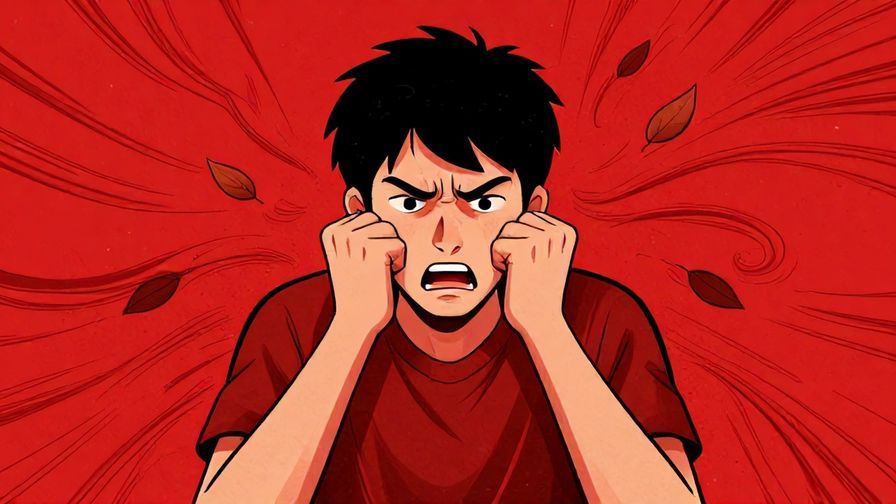
This is a clipped, punchy expression implying “How dare you do that!”
It’s similar to #2 but leaves the sentence hanging, which makes it sound more emotional and dramatic.
Common in manga or anime to show strong indignation.
It emphasizes the act itself and your disbelief.
Use it in informal settings or when you want to make a strong statement quickly.
Pair it with intense facial expressions for impact.
5. 許せない! (Yurusenai!) – “Unforgivable!” / “How dare you!”

This phrase literally means “unforgivable,” often used to express strong anger at someone’s actions.
It’s short, sharp, and powerful — a perfect way to say “How dare you!” without a full sentence.
Good for emotional or dramatic moments.
It carries the weight of deep offense and refusal to tolerate behavior.
Use it carefully as it’s quite strong.
Great to learn for emotional storytelling or to understand Japanese media.
6. 何様のつもり? (Nani-sama no tsumori?) – “Who do you think you are?”

This rhetorical question is a classic way to say “How dare you!” by challenging the other person’s arrogance.
“何様” (nani-sama) means “what kind of person” (with a sarcastic honorific), and “つもり” (tsumori) means “intention” or “thought.”
It’s very common in everyday Japanese when someone oversteps their bounds.
It’s sharp but more playful and sarcastic than outright angry.
Perfect for teasing or calling out rude behavior without being too harsh.
Practice it with a raised eyebrow for that native touch.
7. ふざけんなよ! (Fuzakenna yo!) – “Don’t screw around!” / “How dare you!”

This is a blunt and very informal expression, often used among close friends or in heated arguments.
It’s a variation of “ふざけるな” (fuzakeru na), adding “よ” (yo) for emphasis.
It shows serious frustration or disbelief.
Be cautious—this phrase is quite rude if used with strangers or in formal contexts.
It’s perfect for venting strong emotions or in casual confrontations.
Learn this for understanding street-level Japanese or manga dialogues.
8. まさかそんなことを言うなんて! (Masaka sonna koto o iu nante!) – “I can’t believe you’d say such a thing!”

This phrase expresses shock and disbelief at what someone said, similar to “How dare you say that!”
“まさか” (masaka) means “no way” or “can’t be,” “そんなこと” (sonna koto) is “such a thing,” “言う” (iu) means “to say,” and “なんて” (nante) adds emphasis.
It’s polite enough for casual conversations but still conveys strong surprise.
Great for expressing hurt or indignation without being aggressive.
Use it when you want to sound sincere but firm.
Try practicing with varied intonation for emotional effect.
Part 2: Polite & Formal Suggestions
9. どういうつもりですか? (Dō iu tsumori desu ka?) – “What do you mean by that?” / “How dare you?”

This phrase is polite but firm, suitable for formal situations where you want to express disapproval.
“どういう” (dō iu) means “what kind of,” “つもり” (tsumori) means “intention,” and “ですか” (desu ka) is a polite question ending.
It implies “How dare you say/do that?” without sounding rude.
Great for workplace or respectful settings.
It invites explanation, making it less confrontational but serious.
Practice this tone for professional conversations.
10. 言語道断です! (Gengo dōdan desu!) – “Absolutely outrageous!” / “How dare you!”

This is a very formal and strong phrase showing that something is utterly unacceptable.
“言語道断” (gengo dōdan) means “unthinkable” or “outrageous,” and “です” (desu) adds politeness.
It’s perfect for serious situations where you want to express strong condemnation politely.
Often used in written or formal spoken Japanese.
Use it to express shock or indignation with dignity.
Great to know for understanding news or formal speeches.
11. そのようなことをするとはお許しできません。 (Sono yō na koto o suru to wa oyurushi dekimasen.) – “I cannot forgive you for doing such a thing.”
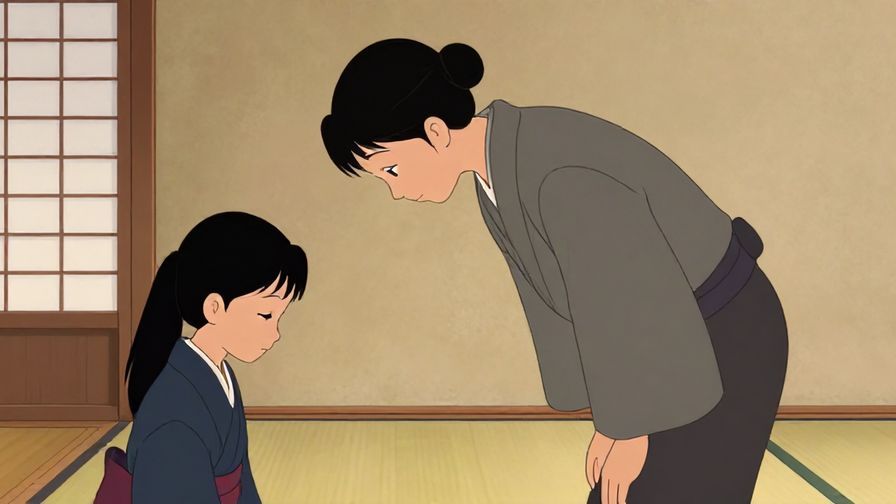
This is a formal and very polite way to express that you’re offended or upset.
It literally means “I cannot forgive you for doing such a thing.”
Use it in serious situations where politeness is required but you still want to make your feelings clear.
This phrase is often used in official or respectful contexts.
It carries weight without sounding harsh.
Perfect for business or formal disputes.
12. そんなことを言うなんて、信じられません。 (Sonna koto o iu nante, shinjiraremasen.) – “I can’t believe you’d say such a thing.”

This phrase politely expresses disbelief and offense.
“信じられません” (shinjiraremasen) means “cannot believe.”
It’s a great way to say “How dare you say that!” without being confrontational.
Works well in polite conversations or sensitive situations.
Use it to show hurt feelings elegantly.
Practice softening your tone to match the polite formality.
13. その態度は許せません。 (Sono taido wa yurusemasen.) – “I cannot forgive that attitude.”

This expression politely states that you find the other person’s attitude unforgivable.
“態度” (taido) means “attitude,” and “許せません” (yurusemasen) means “cannot forgive.”
It’s formal but direct enough to express strong disapproval.
Ideal for professional or respectful settings.
Shows your seriousness without being rude.
Use it when addressing inappropriate behavior politely.
14. そんなことをするなんて、到底許されません。 (Sonna koto o suru nante, tōtei yurusaremasen.) – “Doing such a thing is absolutely unforgivable.”

This is a very formal and strong way to say “How dare you do that!”
“到底許されません” (tōtei yurusaremasen) means “absolutely unforgivable.”
Great for official statements or serious disputes.
It expresses absolute refusal to tolerate the action.
Good for legal or formal contexts.
Practice this phrase to sound dignified but firm.
15. あなたの行為は到底受け入れられません。 (Anata no kōi wa tōtei ukeiraremasen.) – “Your behavior is absolutely unacceptable.”

This is a polite but strong expression to condemn someone’s behavior.
“行為” (kōi) means “act” or “behavior,” and “受け入れられません” (ukeiraremasen) means “cannot accept.”
It’s perfect for formal conversations or written statements.
Use it to express firm disapproval with respect.
It sounds mature and serious.
Useful for professional or social disputes.
16. そんな失礼なことを言うとは驚きです。 (Sonna shitsurei na koto o iu to wa odoroki desu.) – “I’m shocked that you’d say something so rude.”

This phrase politely expresses shock and offense at rude words.
“失礼な” (shitsurei na) means “rude,” and “驚きです” (odoroki desu) means “I’m surprised/shocked.”
It’s a gentle but clear way to say “How dare you!”
Great for polite but firm responses.
Use it to call out rudeness without confrontation.
Practice with a calm but firm tone.
Part 3: Very Casual / Native-like Expressions
17. なんだと?! (Nanda to?!) – “What the heck?!” / “How dare you?!”

This is a very casual and strong expression of surprise and offense.
“なんだ” (nanda) means “what is it,” and “と” (to) quotes the phrase, making it an exclamation.
Perfect for dramatic reactions among friends.
It’s a quick way to say “How dare you?!” with punch.
Use it in informal contexts only.
Great for anime-style expressions or casual chat.
18. ふざけんなよ! (Fuzakenna yo!) – “Don’t mess around!” / “How dare you!”

This phrase is blunt, casual, and very forceful.
It’s a variation of “ふざけるな,” adding emphasis with “よ.”
It’s perfect for moments of intense frustration.
Only use with close friends or in heated situations.
It shows serious anger or disbelief.
Good to understand for native-like casual speech.
19. おい、何様だよ? (Oi, nani-sama da yo?) – “Hey, who do you think you are?”

This is a casual, somewhat aggressive way to say “How dare you?”
“おい” (oi) is a casual “hey,” and “何様だよ” (nani-sama da yo) challenges the other’s arrogance.
It’s common among young people in informal settings.
Use it when someone acts too boldly.
It’s playful but can be confrontational.
Practice for a more natural, everyday tone.
20. ふざけんなって! (Fuzakenna tte!) – “I said don’t mess with me!” / “How dare you!”

This is a casual, emphatic way to say “Don’t mess with me!”
“って” (tte) is a casual quoting particle, adding emphasis.
It’s great for frustrated, informal conversations.
Be mindful of tone to avoid sounding too harsh.
It’s very common in everyday speech among friends.
Use it to sound like a native speaker venting.
21. 何考えてんだよ!? (Nani kangaeten da yo!?) – “What the heck are you thinking?!”

This phrase expresses strong disbelief and anger.
“何考えてんだよ” (nani kangaeten da yo) means “What are you thinking?” in a casual, blunt way.
It’s a way to say “How dare you?” by questioning the other’s judgment.
Use it in informal, heated moments.
Perfect for native-level casual speech.
Practice with varying intonation for emotional impact.
22. てめぇ、よくもそんなことを! (Temee, yokumo sonna koto o!) – “You bastard, how dare you do that!”

This is a very strong, rude, and masculine way to say “How dare you!”
“てめぇ” (temee) is a rough, insulting way to say “you,” and “よくもそんなことを” emphasizes the offense.
Use only in fiction or when you want to sound extremely tough or angry.
Not suitable for polite or casual real-life situations.
Great to know for understanding manga, anime, or dramatic speech.
Use with caution!
Concluding Thought
Exploring these 22 Japanese ways to say “How dare you!” shows how rich and nuanced the language can be.
From polite and formal to fiery and casual, each phrase offers a unique way to express shock, offense, or disbelief.
With practice, you’ll not only expand your vocabulary but also gain insight into Japanese culture and communication styles — making your conversations more natural and expressive. Keep practicing and don’t be afraid to express yourself boldly!