22 Japanese ways to say “Mind your own business”
Ever found yourself in a situation where you just want to say, “Mind your own business” but in Japanese? Whether it’s a playful nudge or a firm boundary, Japanese has plenty of ways to express this sentiment.
Each phrase carries its own flavor, from casual to polite, and even some native-like expressions that sound super natural. It’s a fun way to add personality and nuance to your Japanese conversations.
We’ll explore 22 different ways to say it, complete with pronunciation guides and explanations that make them easy to remember.
Learning these phrases not only strengthens your language skills but also helps you understand cultural nuances and social boundaries in Japan.
Plus, knowing how to say this politely or casually can save you from awkward moments or misunderstandings.
Ready to expand your Japanese phrasebook? Let’s dive in and discover some great ways to keep conversations respectful and boundaries clear!
Understanding Mind Your Own Business in Japanese
Before jumping in, it’s good to remember that Japanese culture often values harmony and subtlety.
So, many ways to say “Mind your own business” come with varying degrees of politeness or humor.
Choosing the right phrase depends on your relationship with the person and the situation.

If you’re starting out, using a beginner phrasebook can really help you get familiar with these nuances.
Let’s begin with some casual and friendly ways to say it.
These are great for informal chats or lighthearted moments.
Part 1: Casual Suggestions
1. 自分のことだけにして (Jibun no koto dake ni shite) – “Just mind your own things.”

This phrase literally means “Do only your own things.”
It’s a straightforward, casual way to tell someone to focus on their own business without sounding too harsh.
Use it when you want to be clear but keep the mood light.
It’s a handy phrase among friends or coworkers.
Similar phrases include 「自分のことに集中して」(Jibun no koto ni shuuchuu shite) meaning “Focus on your own stuff.”
Try using it next time someone is poking their nose where it doesn’t belong!
2. ほっといて (Hottoite) – “Leave me alone.”

“Hottoite” is a very casual and slightly blunt way to say “Leave me alone” or “Mind your own business.”
It’s often used among close friends or when you want to be direct but not rude.
It’s easy to say and remember, as it comes from the verb 放っておく (hotte oku) meaning “to leave alone.”
Just be careful with tone—it can sound sharp if used in the wrong context.
In a relaxed setting, it’s a quick and effective phrase to set boundaries.
Pair it with a smile to keep things lighthearted!
3. あまり詮索しないでね (Amari sensaku shinaide ne) – “Don’t pry too much, okay?”

This phrase is a polite but casual way to ask someone not to dig into your personal affairs.
“Sensaku” means “prying” or “investigating,” so it’s a soft way to say “Mind your own business.”
Adding “ね” (ne) at the end softens it and makes it sound friendly.
It’s perfect for situations where you want to keep things light but set clear limits.
It’s also useful when teasing someone who’s being a bit nosy.
Try it with a smile to avoid sounding confrontational.
4. 自分のことで手一杯 (Jibun no koto de te ippai) – “I’m busy with my own stuff.”

This phrase gently implies you have your own things to handle and can’t meddle in others’ affairs.
It’s a polite and indirect way of saying “Mind your own business” without offending.
“手一杯” (te ippai) means “full hands” or “too busy.”
Great for workplace conversations or when you want to deflect attention.
It communicates your boundaries while showing you’re focused on your own responsibilities.
Using this phrase lets you keep the peace while setting limits.
5. 余計なお世話だよ (Yokei na osewa da yo) – “It’s none of your business.”

This phrase literally means “Unnecessary care” or “Unwanted help,” implying someone is meddling unnecessarily.
It’s a common way to tell someone they’re crossing a line.
“余計” (yokei) means “excessive” or “unnecessary,” and “お世話” (osewa) means “care” or “assistance.”
Adding “だよ” (da yo) makes it casual but firm.
It’s a bit stronger than some other phrases, so best used when you want to be clear but not rude.
Great to keep in your back pocket for nosy friends or family members!
6. ほっといてよ (Hottoite yo) – “Leave me alone, okay?”

This is a slightly stronger version of “ほっといて” with the particle “よ” adding emphasis.
It’s casual and often used among friends or younger people.
It expresses clear boundaries but can sound playful or serious depending on tone.
Perfect when you want to be direct but not harsh.
It’s easy to remember because it’s short and punchy.
Try it when you want to keep the mood light but set limits.
7. 余計な詮索はやめて (Yokei na sensaku wa yamete) – “Stop unnecessary prying.”

This phrase is a firm but polite way to tell someone to stop investigating your personal matters.
It combines “余計な” (unnecessary) and “詮索” (prying), making the message clear but not rude.
“やめて” (yamete) is the imperative form of “stop.”
Good for situations where you want to set boundaries firmly but without aggression.
It’s a useful phrase for both casual and semi-formal conversations.
Keep it handy for those moments when you need to draw a line.
8. そっとしておいて (Sotto shite oite) – “Leave me alone quietly.”

This phrase is a gentle and polite way to ask someone to leave you alone or not interfere.
“そっと” (sotto) means “quietly” or “gently,” and “しておいて” means “please leave as is.”
It’s perfect when you want to keep things calm and avoid confrontation.
Great for sensitive situations or with people you want to respect kindly.
The phrase is easy to say and sounds very natural.
Use it to softly set boundaries without hurting feelings.
Part 2: Polite & Formal Suggestions
9. お構いなく (Okamainaku) – “Please don’t bother about me.”

This is a polite phrase often used in formal situations to tell someone not to worry or meddle in your matters.
“お構いなく” literally means “without concern” and is a respectful way to set boundaries.
It’s perfect for workplace settings or when talking to superiors.
Using this shows good manners while gently asking for privacy.
It’s easy to remember because it’s short and often used in customer service or social contexts.
Try it when you want to keep things polite but clear.
10. ご心配なく (Goshinpai naku) – “No need to worry about me.”

“ご心配なく” is a polite, formal phrase to tell someone not to be concerned or interfere.
It literally means “No need for worry.”
It’s ideal for professional or respectful personal conversations.
Use it when you want to politely set boundaries without sounding rude.
It’s a phrase commonly heard in formal announcements or customer interactions.
Remember, tone is key to keeping it warm and respectful.
11. お邪魔しないでください (Ojama shinaide kudasai) – “Please don’t disturb/interfere.”
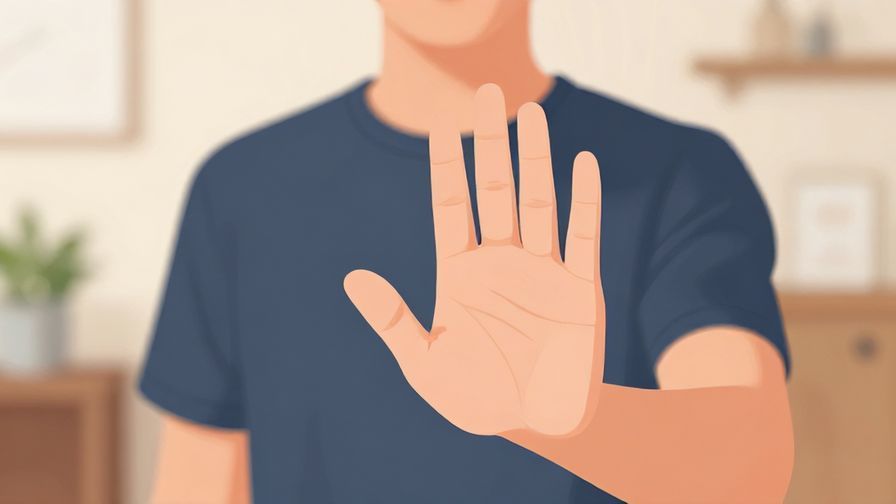
This phrase is a very polite and formal way to say “Please don’t meddle” or “Don’t disturb.”
“お邪魔” (ojama) means “disturbance” or “intrusion.”
Adding “してください” (shite kudasai) makes it a polite request.
Use this when you want to be very respectful but firm about your personal space.
It’s useful in work settings or with acquaintances.
Practice it to sound polite but clear in formal Japanese.
12. ご自由にどうぞ (Gojiyū ni dōzo) – “Please feel free (to your own matters).”

This phrase literally means “Please feel free” and can be used to gently hint someone to mind their own business.
It’s polite and can be used to deflect unwanted questions without offense.
It encourages people to do as they wish, implying you’re doing the same.
Great for formal or casual situations where you want to keep things friendly.
It’s a phrase that sounds natural and warm.
Try it to keep conversations respectful and light.
13. お手を煩わせないでください (Ote o wazurawasenai de kudasai) – “Please don’t trouble yourself with my matters.”

This is a very polite and humble way to say “Please don’t bother with me.”
Literally, it means “Please don’t trouble your hands,” implying not to meddle.
It’s often used to express gratitude while politely declining interference.
Perfect in formal letters, emails, or conversations.
Though a bit long, it shows high respect and tact.
Great for maintaining politeness even when setting boundaries.
14. ご遠慮ください (Goenryo kudasai) – “Please refrain (from interfering).”

This phrase is a formal way to ask someone to refrain from a certain behavior, like meddling.
“ご遠慮” means “restraint” or “refrain.”
It’s commonly seen in signs but also spoken politely.
Use it in business or formal social settings.
It’s an elegant way to say “Mind your own business” without offense.
Good to learn for professional environments.
15. 失礼ですが、お構いなさらないでください (Shitsurei desu ga, okamainasaranaide kudasai) – “Excuse me, but please don’t meddle.”

This is a very formal and polite phrase to ask someone not to interfere.
“失礼ですが” means “Excuse me, but…” and softens the request.
It shows high respect while setting clear boundaries.
Perfect for delicate situations, especially in professional contexts.
It’s a little long but very effective in keeping harmony.
Practice this to sound diplomatic and clear.
16. お気遣いなく (Okizukai naku) – “No need to be concerned.”

This phrase politely tells others not to worry or interfere with your matters.
“お気遣い” means “consideration” or “concern.”
It’s a warm, respectful way to say “Mind your own business.”
Common in both spoken and written formal Japanese.
It helps you maintain politeness while gently setting limits.
Use it when you want to keep things smooth and respectful.
Part 3: Very Casual / Native-like Expressions
17. ほっとけ (Hottoke) – “Leave me alone.” (Very casual, rough)

“ほっとけ” is a very casual, blunt way to say “Leave me alone” or “Mind your own business.”
It’s often used by young people or in informal, rougher speech.
Be cautious—it can come off as rude or aggressive.
Great for expressing strong annoyance or frustration.
It’s a slang form of 放っておけ (hotte oke).
Use it only with close friends who understand your tone!
18. 触らないで (Sawaranaide) – “Don’t touch (my business).”

This phrase literally means “Don’t touch” but is often used metaphorically to mean “Don’t meddle.”
It’s short, clear, and casual.
Good for informal situations when you want to sound firm.
Be mindful of tone; it can seem abrupt.
It’s easy to remember and versatile.
Try it when you want to keep things direct.
19. 余計なことするなよ (Yokei na koto suru na yo) – “Don’t do unnecessary things.” (Rough)

This is a rough, assertive way to say “Don’t meddle” or “Don’t do unnecessary things.”
It’s suitable for tense or confrontational moments.
“するなよ” is a strong negative command.
Use it carefully, as it can sound harsh or aggressive.
Great for expressing strong boundaries among close peers.
Not recommended for polite company.
20. ほっとけよ (Hottokeyo) – “Just leave me alone.” (Rough)

Similar to “ほっとけ,” this is a rough way to say “Leave me alone.”
Adding “よ” adds emphasis and a bit of attitude.
Used mostly by young men or in very casual settings.
It’s blunt and can be rude if misused.
Good for venting frustration or setting strong limits.
Use with caution and only with people who understand your tone.
21. 俺のことに構うな (Ore no koto ni kamau na) – “Don’t mess with me.” (Strong, male casual)

This phrase is strong, masculine, and casual, meaning “Don’t interfere with me.”
“俺” (ore) is a casual male “I,” and “構うな” (kamau na) means “don’t bother.”
It’s very direct and can sound intimidating.
Use only in casual settings with peers.
Great for expressing firm boundaries without politeness.
Be mindful of tone and context!
22. 自分のことだけ考えろ (Jibun no koto dake kangaero) – “Just think about yourself.”

This phrase is a casual command meaning “Just think about yourself.”
It’s a straightforward way to tell someone to mind their own business.
“考えろ” (kangaero) is the imperative form of “think.”
It’s direct but not overly rude.
Perfect for casual conversations among friends.
Use it to encourage someone to focus on their own issues.
Concluding Thought
Exploring these 22 Japanese phrases shows how rich and varied the language is when setting boundaries.
From gentle requests to firm commands, there’s a perfect way to say “Mind your own business” for every situation.
So next time you need to keep your space, you’ll have the right words ready, with warmth and respect—or a bit of playful edge!