22 Japanese ways to say “Whatever”
Sometimes, we all need a quick and casual way to say “whatever” in conversation. Whether you want to sound laid-back or simply shrug off a topic, Japanese has plenty of colorful expressions to convey that easygoing attitude.
From casual slang to polite alternatives, the phrase “whatever” has many shades and uses in Japanese. It’s a fun way to connect with native speakers and get a feel for everyday language.
In this article, we’ll explore 22 different ways to say “whatever” in Japanese. Each expression comes with pronunciation help and practical context, so you can pick the right tone for any situation.
Learning these phrases not only adds variety to your speech but also deepens your understanding of Japanese culture and communication style. You’ll find options ranging from playful to polite, perfect for any mood.
Ready to add some casual flair to your Japanese? Let’s dive into these handy expressions and make “whatever” your new favorite word!
Keep reading for easy tips and fun ways to sound like a native in no time.
Casual “Whatever” Expressions
Let’s start with the casual and relaxed ways to say “whatever” that work in everyday conversations.
These phrases often carry a sense of indifference or playful dismissal, great for chatting with friends or keeping things light.
They’re easy to remember and perfect for informal settings.

Sometimes, having a handy casual Japanese phrasebook nearby helps you use these expressions confidently and naturally.
Try these out in your next chat, and you’ll sound effortlessly cool in no time.
Practice makes perfect when it comes to sounding natural and casual.
Part 1: Casual Suggestions
1. まあいいや (Maa ii ya) – “Well, whatever.”

This phrase is a soft way to say “whatever” when you want to let something go without fuss.
“まあ” (maa) means “well” or “so,” and “いいや” (ii ya) means “it’s okay” or “fine.” Together, it’s like saying “well, it’s fine.”
It’s great for casual conversations when you don’t want to argue or care too much.
Use it when you’re okay with whatever the outcome is.
You can think of it as a friendly, easy-going shrug.
Try it next time you want to brush off a minor problem or decision.
2. どうでもいい (Doudemo ii) – “It doesn’t matter” / “Whatever.”

This is a straightforward way to say “whatever” in Japanese, showing you really don’t care about the outcome.
“どうでも” (doudemo) means “anyhow” or “no matter what,” and “いい” (ii) means “good” or “okay.”
It’s a strong phrase, so use it carefully—it can sound dismissive or rude if said bluntly.
Try to use it only with close friends or in casual situations.
Example: If someone asks which movie you want to watch and you truly don’t mind, say “どうでもいいよ.”
This phrase helps you express honest indifference clearly.
3. どっちでもいい (Docchi demo ii) – “Either way is fine.”

This phrase means you don’t have a preference and are okay with either choice.
“どっち” (docchi) means “which one,” and “でもいい” (demo ii) means “either is fine.”
It’s polite enough for casual use and very common in daily life.
Great for when someone asks for your opinion but you really don’t mind.
It’s a gentle way to say “whatever you want” without sounding rude.
Use it to keep the flow of conversation smooth and easygoing.
4. まあね (Maa ne) – “Yeah, whatever” (casual agreement)

“まあね” is a very casual and soft way to say “whatever” or “yeah, whatever” when agreeing without enthusiasm.
“まあ” (maa) is like “well,” and “ね” (ne) adds a soft confirmation tone.
It’s often used when you don’t want to fully commit but don’t want to argue either.
Perfect for informal chats with friends or family.
It sounds more like a casual “I guess so.”
Use it to keep things friendly but low-key.
5. どーでもいいよ (Doo demo ii yo) – “I don’t care at all.”

This slangy version of “どうでもいい” adds a playful or slightly dismissive edge.
The drawn-out “どー” (doo) gives it a casual, laid-back vibe, while “よ” (yo) adds emphasis.
Use this with close friends when you want to sound relaxed and a bit cheeky.
It’s not polite and shouldn’t be used in formal situations.
Great for texting or casual talk when you’re truly indifferent.
Try it to sound more like a native teen or young adult.
6. まあいいか (Maa ii ka) – “Ah, whatever, it’s fine.”

Similar to “まあいいや,” this phrase expresses a lighthearted decision to not sweat the details.
“まあ” (maa) means “well,” “いい” (ii) means “good/fine,” and “か” (ka) softens it into a casual question or thought.
It’s like saying “Ah, whatever, that’s fine then.”
Use it when you want to move on without making a fuss.
Perfect for minor disappointments or mistakes.
This phrase helps keep conversations relaxed and positive.
7. なんでもいい (Nan demo ii) – “Anything’s fine.”
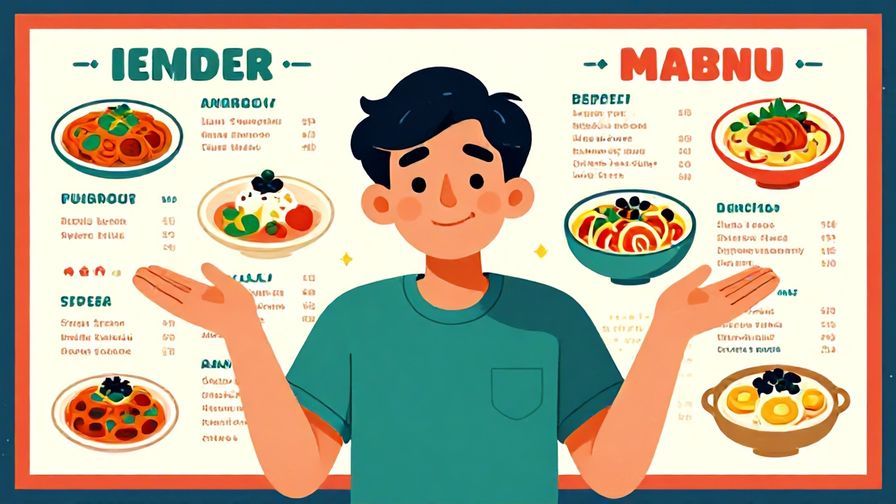
“なんでもいい” means “anything is okay” and is a direct way to say “whatever” when you’re okay with all options.
“なんでも” (nan demo) means “anything,” and “いい” (ii) means “good/fine.”
Great for situations like choosing food, activities, or plans.
It’s friendly and polite enough for casual and semi-formal use.
Use it when you want to show flexibility or openness.
It’s a handy phrase to keep people happy without stressing about choices.
8. どっちでもいいよ (Docchi demo ii yo) – “Whichever is fine.”

This is a more casual and friendly version of “どっちでもいい.”
Adding “よ” (yo) gives a soft emphasis, making it sound warm and approachable.
Use this when you want to encourage the other person to decide.
It’s perfect for group situations or when you just want to be easygoing.
Try using it with friends or colleagues to keep things light.
This phrase helps smooth over indecision without pressure.
Part 2: Polite & Formal Suggestions
9. どちらでも構いません (Dochira demo kamaimasen) – “Either way is fine” (polite)

This formal phrase is perfect for polite conversations or business settings.
“どちらでも” (dochira demo) means “either,” and “構いません” (kamaimasen) means “doesn’t matter” or “no problem.”
It politely expresses that you have no preference and are happy with any choice.
Great for meetings, emails, or professional discussions.
Use it to show respect while remaining flexible.
It’s a reliable phrase for formal “whatever” situations.
10. どちらでも結構です (Dochira demo kekkou desu) – “Either is fine” (polite)

Similar to the previous phrase, this is polite and respectful.
“結構です” (kekkou desu) means “that’s fine” or “no problem.”
Use it when you want to politely express indifference or flexibility.
This phrase is common in customer service or formal requests.
It’s always safe and professional.
Try it to sound courteous and accommodating.
11. どちらでもよろしいです (Dochira demo yoroshii desu) – “Either is fine” (very polite)

This phrase is even more formal and respectful.
“よろしいです” (yoroshii desu) is a polite way to say “good” or “okay.”
Use it in very formal situations like interviews or official meetings.
It conveys clear respect while remaining neutral about choices.
Perfect when you want to stay polite but non-committal.
It’s a helpful phrase for formal business Japanese.
12. どうでもよろしいです (Doudemo yoroshii desu) – “Whatever is fine” (polite)

This is a polite way to say “whatever” with a respectful tone.
“どうでも” (doudemo) means “whichever,” and “よろしいです” (yoroshii desu) means “is fine.”
Use it when you want to politely express indifference.
Great for professional or formal social settings.
It’s less casual but still friendly.
Use it to sound both polite and easygoing.
13. ご自由にどうぞ (Gojiyuu ni douzo) – “Do as you please”

This phrase literally means “please feel free,” often used to say “whatever you want.”
“ご自由に” (gojiyuu ni) means “freely,” and “どうぞ” (douzo) means “please.”
It’s polite and invites the other person to choose as they like.
Perfect for customer service or formal invitations.
It’s a positive and respectful way to say “whatever.”
Use it when you want to offer freedom without pressure.
14. お任せします (Omakase shimasu) – “I’ll leave it to you”

“お任せします” means “I’ll leave it up to you,” implying “whatever you decide is fine.”
“任せる” (makaseru) means “to entrust,” and “します” (shimasu) is the polite verb ending.
Use this to politely defer decisions to someone else.
It’s common in restaurants or meetings when you trust the other person’s choice.
This phrase sounds respectful and cooperative.
Great for polite and formal situations.
15. 気にしません (Ki ni shimasen) – “I don’t mind”

This is a polite way to express that something doesn’t bother you, similar to “whatever.”
“気にする” (ki ni suru) means “to mind or worry,” and “しません” (shimasen) is the negative polite form.
Use it in polite conversations to show indifference.
It’s softer than blunt “whatever” and keeps a positive vibe.
Perfect for maintaining harmony in discussions.
Try it to show you’re easygoing but respectful.
16. どれでもいいです (Dore demo ii desu) – “Any one is fine”
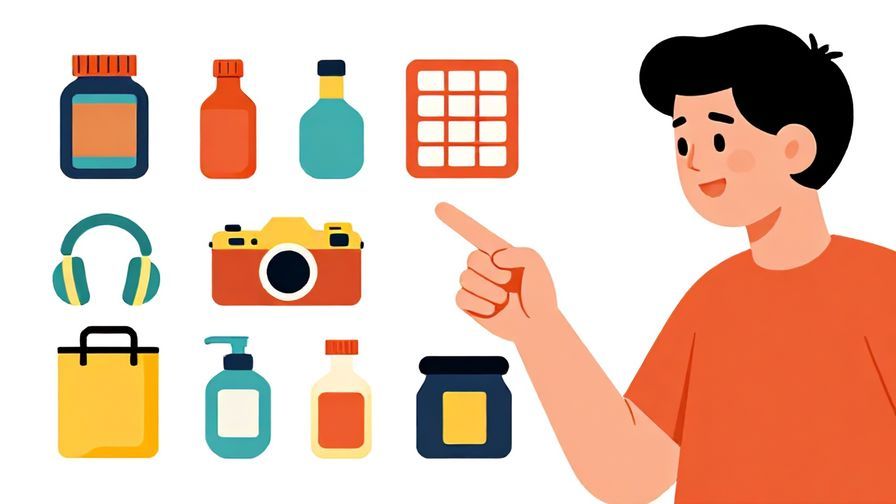
“どれでもいいです” is a polite way to say “whatever” when choosing among several options.
“どれ” (dore) means “which one,” “でも” (demo) means “any,” and “いいです” (ii desu) means “is fine.”
Use it for polite conversations or service encounters.
It sounds respectful and flexible.
Great for when you want to politely leave decisions open.
It’s common in shops, restaurants, or meetings.
Part 3: Very Casual / Native-like Expressions
17. しらねーよ (Shiranee yo) – “I don’t care” (very casual, rough)

This is a very casual and rough way to say “I don’t care” or “whatever.”
“知らない” (shiranai) means “I don’t know,” and “ねー” (nee) is a slangy negative ending.
It’s blunt and can sound rude, so only use it with close friends or in informal settings.
It shows strong indifference or dismissal.
Be careful with tone to avoid offending someone.
Great for expressing frustration or annoyance casually.
18. いいよいいよ (Ii yo ii yo) – “Whatever, it’s fine” (reassuring casual)

This phrase is a friendly and casual way to say “whatever” or “it’s okay.”
Repeating “いいよ” (ii yo) softens the tone and shows you’re reassuring the other person.
Perfect for keeping things light and positive.
Use it when you want to say “don’t worry about it” or “whatever you want.”
Great for conversations with friends or family.
This phrase adds warmth to casual indifference.
19. ま、いいっしょ (Ma, ii ssho) – “Well, whatever then” (very casual)

This slangy phrase is a chill way to say “well, whatever then.”
“ま” (ma) means “well,” and “いいっしょ” (ii ssho) is a casual contraction of “いいでしょう” (ii deshou), meaning “that’s fine.”
It’s great for very casual speech among friends.
Use it to sound relaxed and native-like.
It’s informal and shouldn’t be used in formal settings.
Try it to sound effortlessly cool and casual.
20. どーでもいいや (Doo demo ii ya) – “Whatever, I don’t care.”

This playful phrase is a casual way to say “whatever” with an easygoing attitude.
The drawn-out “どー” (doo) adds emphasis, and “いいや” (ii ya) softens it.
It’s used mostly among friends or in informal conversations.
Use it when you want to show relaxed indifference.
It’s great for texting or casual chat.
Try it to sound laid-back and native.
21. もういいよ (Mou ii yo) – “Whatever, enough already.”

“もういいよ” means “enough already” or “whatever,” often used to end a discussion.
“もう” (mou) means “already,” and “いいよ” (ii yo) means “it’s fine.”
This phrase can sound a bit impatient or dismissive.
Use it to politely but firmly close a topic.
Common in casual or semi-formal conversations.
It helps you signal when you’re done with an argument or topic.
22. そんな感じで (Sonna kanji de) – “Something like that” / “Whatever.”

This phrase literally means “with that kind of feeling,” and is often used to mean “whatever” or “something like that.”
“そんな” (sonna) means “such” or “that kind of,” and “感じで” (kanji de) means “with the feeling of.”
It’s casual and often used when you’re giving a vague answer or shrugging.
Great for informal chats where you want to be non-committal.
Use it to sound natural and a bit indirect.
It’s a handy phrase for everyday conversations.
Concluding Thought
Exploring these 22 different ways to say “whatever” in Japanese shows just how rich and nuanced everyday language can be.
From casual slang to polite phrases, you now have a full toolkit to express indifference or flexibility with the perfect tone.
Keep practicing these expressions, and you’ll find yourself sounding more natural and confident in Japanese conversations in no time!