22 Japanese ways to say “Talk to the hand”
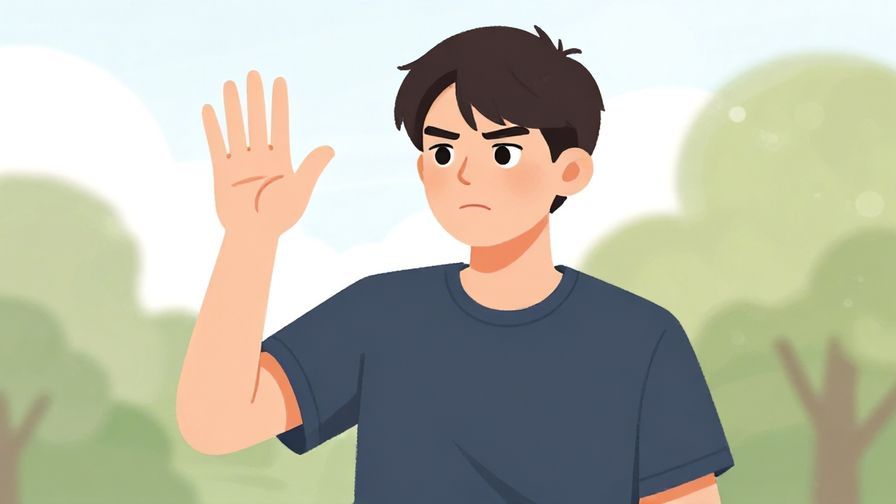
We all know that classic phrase, “Talk to the hand,” right? It’s that sassy, playful way to shut down a conversation without saying a full sentence.
But how do you express that same vibe in Japanese? It turns out, there are quite a few fun, casual, and even polite ways to do it!
Whether you want to sound cool among friends or keep things respectful but firm, we’ve got your back with 22 Japanese expressions that carry the “Talk to the hand” energy.
Think of this as your go-to list for when you want to brush off unwanted chatter with style and cultural flair.
Learning these phrases also gives you a peek into Japanese social cues and humor, making conversations a little more colorful.
Ready to add some spice to your Japanese? Let’s dive in!
Understanding the Basics First
Before jumping into fun phrases, it’s good to know that directness in Japanese is often softened.
Expressions equivalent to “Talk to the hand” might range from playful to quite polite, depending on context.
Getting the tone right is key to keeping things lighthearted or serious as needed.
Sometimes picking up a great idioms and expressions book can really boost your understanding of how to use these phrases naturally.
Knowing when to use humor versus politeness helps you avoid awkward moments.
Plus, you get to sound more like a native every time you chat.
Part 1: Casual Suggestions
1. うるさい!(Urusai!) – “Noisy!”
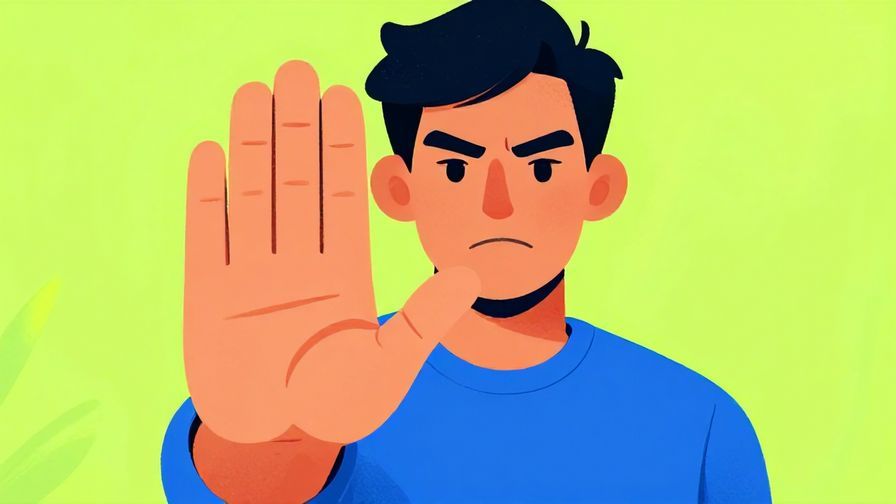
“Urusai!” literally means “noisy” but is often used as a quick “shut up” or “talk to the hand” moment.
It’s short, sharp, and perfect when you want to cut off chatter quickly among friends.
Just be mindful—it can come off as rude if used with strangers or elders.
Think of it as a verbal “stop” sign.
If you want a softer version, try adding “ね” (ne) at the end to lighten it.
Using “Urusai!” sparingly keeps it playful and effective.
2. はいはい、わかったよ (Hai hai, wakatta yo) – “Okay, okay, I get it.”

This phrase is a casual way to brush off someone, similar to “Talk to the hand.”
The “hai hai” is like “yeah, yeah,” and “wakatta yo” means “I got it.”
It communicates “I hear you, but I’m done here.”
Watch your tone though—it can sound playful or sarcastic.
Great to use among friends when you want to signal the convo’s over without being harsh.
Practice saying it lightly to keep it friendly.
3. 手を貸さないよ (Te o kasanai yo) – “I won’t lend you my hand.”
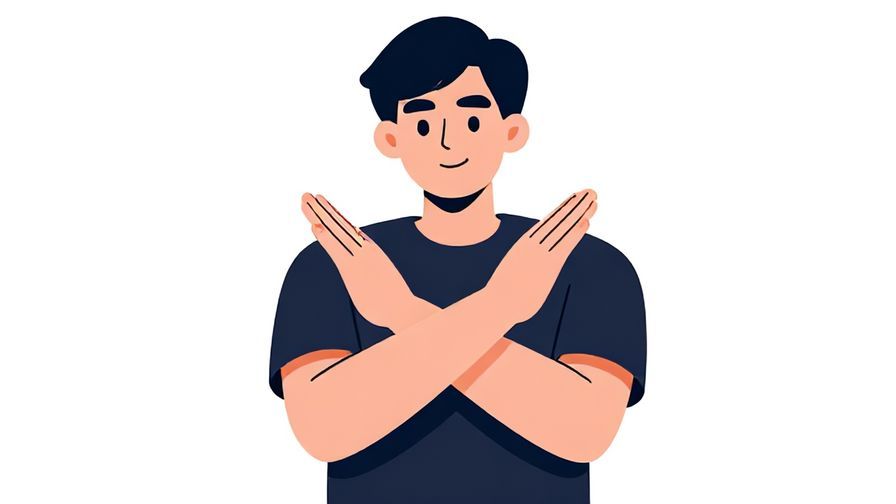
This is a playful twist, literally meaning “I won’t lend you my hand.”
It’s a funny way to say you’re not interested in helping or listening further.
Good for casual, lighthearted settings when you want to brush off requests.
Because it’s metaphorical, it’s less harsh than a direct “no.”
You can pair it with a smile to keep the mood light.
It’s a great phrase to practice with friends for fun.
4. 手を出すな!(Te o dasu na!) – “Don’t lay a hand on me!”
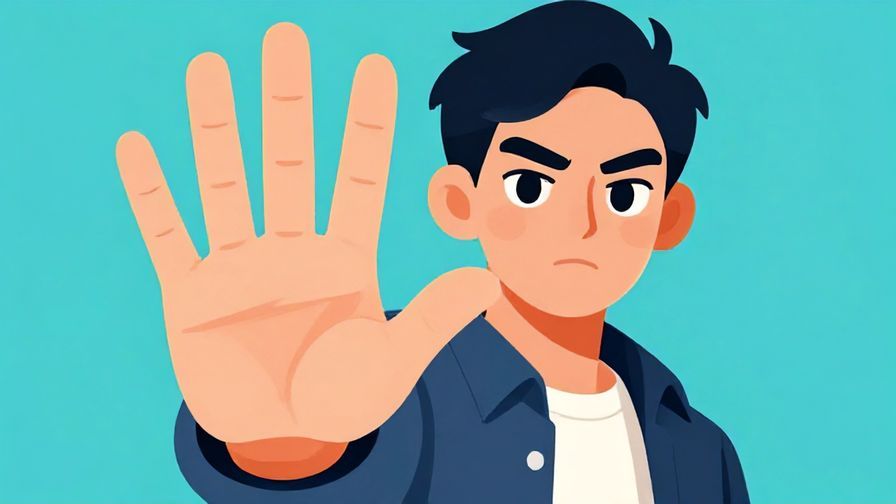
This phrase literally means “Don’t lay a hand on me,” but can be used figuratively to tell someone to stop interfering.
It’s a stronger way to say “Talk to the hand.”
Be careful with tone—it’s more confrontational.
Useful if someone is being too pushy or crossing boundaries.
You might hear it in dramas or intense conversations.
Good to know, but use sparingly in real life!
5. それ以上はナシ (Sore ijō wa nashi) – “No more than that.”
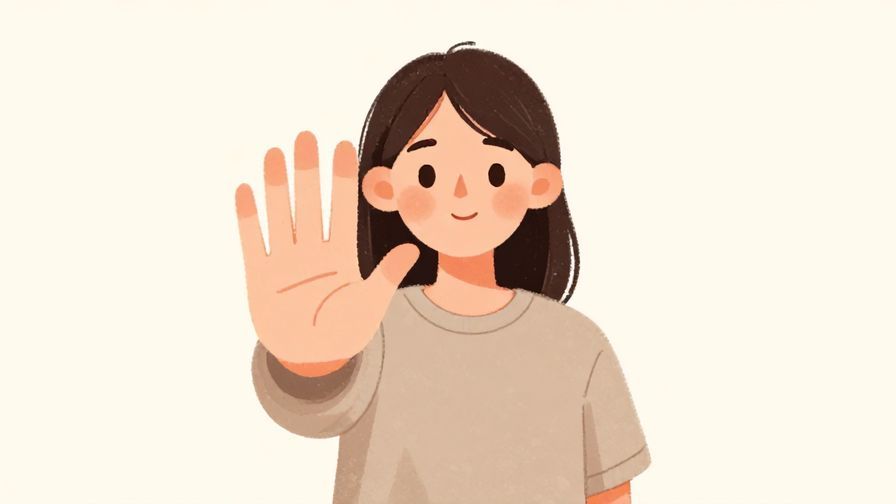
This phrase means “No more than that,” a polite way to cut off a topic or conversation.
It’s subtle and less harsh than a direct dismissal.
Works well when you want to end things gracefully.
Try it with a calm tone to show you’re done but not angry.
Can be used in both casual and semi-formal settings.
Perfect for saying “Talk to the hand” without sounding rude.
6. もういいよ (Mō ii yo) – “That’s enough.”
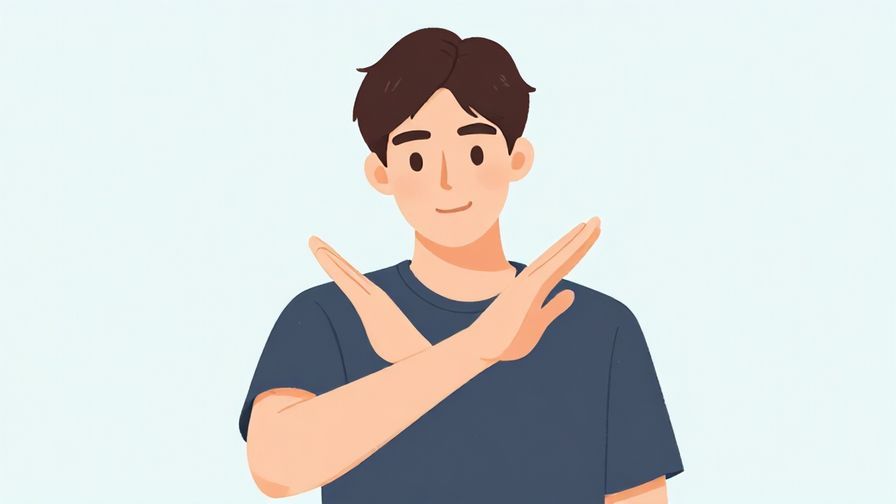
“Mō ii yo” means “That’s enough,” a simple and common way to stop a conversation.
It’s casual but can also be firm depending on tone.
Good for friends or family when you want to end a discussion.
Can be paired with a hand gesture for extra clarity.
It’s a great phrase to learn for everyday use.
Just be careful not to sound dismissive unintentionally.
7. 手を振る (Te o furu) – “Wave the hand.”

Literally “wave the hand,” this phrase can be used playfully to imply “Talk to the hand.”
It mimics the gesture of brushing someone off.
Great for casual, humorous moments.
Try it with a cheeky smile to show it’s all in good fun.
Perfect for friends who understand your humor.
Practice the gesture and phrase together for full effect.
8. 聞きたくない (Kikitakunai) – “I don’t want to hear it.”
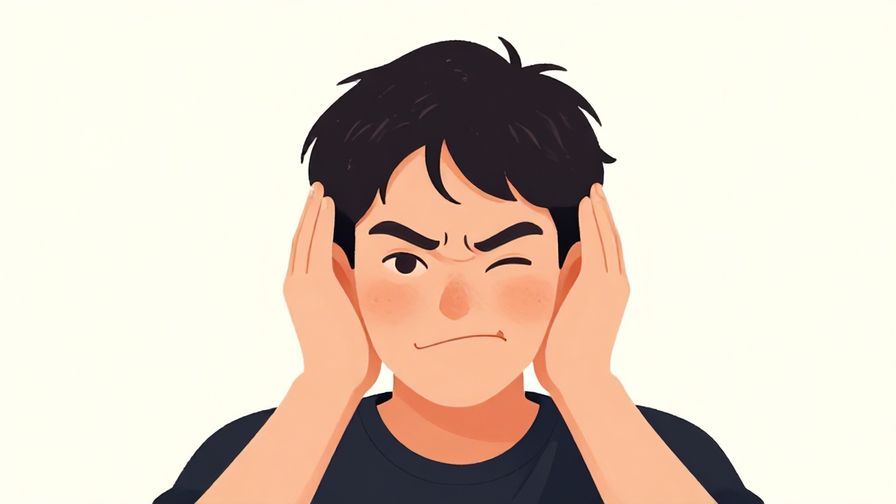
This phrase means “I don’t want to hear it,” a straightforward way to tell someone to stop talking.
It’s a bit blunt but can be softened by tone.
Great to use when you’re fed up but want to keep it casual.
Can be paired with a hand gesture for clarity.
Good phrase to know for clear boundaries.
Use it carefully to avoid offending.
Part 2: Polite & Formal Suggestions
9. ちょっとお控えください (Chotto ohikae kudasai) – “Please hold back a bit.”

This is a polite way to tell someone to “hold back” or stop talking.
It’s perfect for formal situations where you want to be respectful but clear.
“Chotto” means “a little,” and “ohikae kudasai” is “please refrain.”
Use it with a gentle tone and a raised hand gesture.
This phrase suits workplace or social events.
Great for maintaining harmony while setting boundaries.
10. 失礼ですが、話を控えてください (Shitsurei desu ga, hanashi o hikaete kudasai) – “Excuse me, please refrain from speaking.”

A very polite and formal way to ask someone to stop talking.
“Shitsurei desu ga” means “Excuse me, but…” and “hanashi o hikaete kudasai” means “please refrain from speaking.”
Use in serious or professional settings.
It’s a respectful “Talk to the hand” with finesse.
Ideal for meetings or formal discussions.
Practice tone carefully to avoid sounding harsh.
11. ご遠慮ください (Goenryo kudasai) – “Please refrain.”

This phrase literally means “Please refrain,” a very polite way to ask someone to stop.
It’s often used in written notices but works verbally too.
Short and respectful, it’s great for gentle dismissals.
Use with a calm, soft voice.
Perfect when you want to be firm but polite.
Try it to sound more formal and composed.
12. これ以上は控えさせていただきます (Kore ijō wa hikae sasete itadakimasu) – “I will refrain beyond this point.”

This is a humble and polite way to say you won’t continue a conversation.
It literally means “I will refrain beyond this point.”
Great for formal situations where you want to bow out gracefully.
Sounds professional and respectful.
Use when you want to politely say “Talk to the hand” without rudeness.
Try it in business or official contexts.
13. お話はここまでにしましょう (Ohanashi wa koko made ni shimashou) – “Let’s end the talk here.”
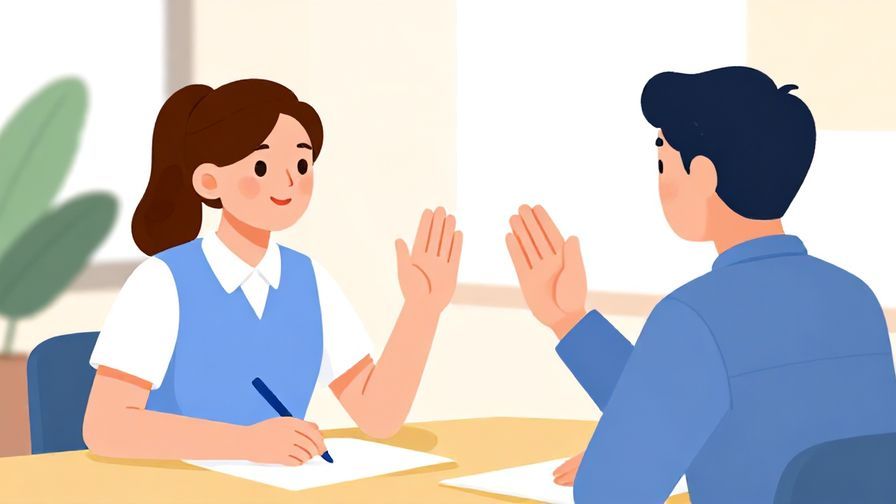
This polite phrase means “Let’s end the talk here.”
It’s a gentle and inclusive way to stop a conversation.
“Ohanashi” means “talk,” and “koko made ni shimashou” means “let’s finish here.”
Great for group discussions or meetings.
Use it to set boundaries while showing respect.
Perfect for balancing politeness and clarity.
14. お静かにお願いします (Oshizuka ni onegaishimasu) – “Please be quiet.”

A formal and polite way to ask for silence.
“Oshizuka ni” means “quietly,” and “onegaishimasu” is “please.”
Perfect for calming down a noisy group.
Use in polite company or public places.
Soft but effective, it’s a nice alternative to “Talk to the hand.”
Practice tone to keep it gentle.
15. 申し訳ありませんが、話を控えてください (Mōshiwake arimasen ga, hanashi o hikaete kudasai) – “I’m sorry, but please refrain from speaking.”

A very polite and apologetic way to ask someone to stop talking.
“Mōshiwake arimasen ga” means “I’m sorry, but…”
Use to soften requests in delicate situations.
It shows respect even while setting a boundary.
Great for tense or sensitive conversations.
Try it to keep things smooth and professional.
16. ご理解ください (Gorikai kudasai) – “Please understand.”

This phrase means “Please understand,” often used when ending a discussion firmly.
It appeals to the listener’s sense of empathy.
Use it after politely asking someone to stop.
It’s a respectful way to finalize “Talk to the hand.”
Great for serious conversations or negotiations.
Practice tone to sound sincere and polite.
Part 3: Very Casual / Native-like Expressions
17. ほっといて (Hottoite) – “Leave me alone.”

A super casual and blunt phrase meaning “Leave me alone.”
It’s often used among close friends or when you’re really fed up.
Can come off rude if used improperly.
Perfect for when you want to say “Talk to the hand” very directly.
Good to combine with body language for full effect.
Practice only with people who get your humor!
18. かまわないで (Kamawanaide) – “Don’t bother me.”
This phrase means “Don’t bother me,” a direct way to brush someone off.
It’s casual but can sound serious depending on tone.
Great for signaling you don’t want to engage.
Works well in informal contexts.
Be careful not to offend when using it.
Try it with a lighthearted tone for playful dismissal.
19. お手上げだよ (Oteage da yo) – “I give up.”

Literally “I give up,” it’s used when you want to stop dealing with someone.
It’s an indirect “Talk to the hand” expressing surrender.
Common in casual speech with friends.
It adds humor to putting a stop to a conversation.
Try it when you’re playfully overwhelmed.
Helps lighten the mood while setting limits.
20. もうやめて (Mō yamete) – “Stop it already.”
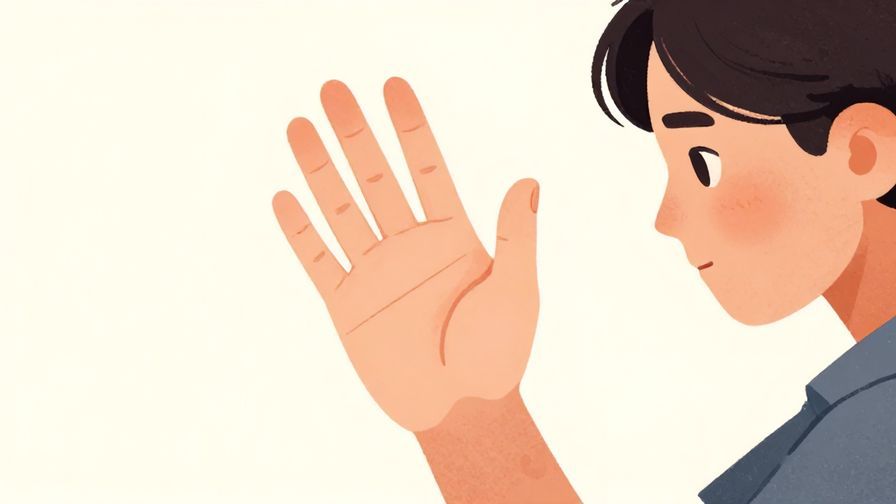
A very common phrase meaning “Stop it already.”
It’s a straightforward way to end annoying talk or behavior.
Works well in casual or semi-formal settings.
Can be softened by tone or facial expression.
Great for everyday conversations.
Pair with a hand gesture for emphasis.
21. もうたくさんだ (Mō takusan da) – “That’s enough already.”

This phrase means “That’s enough already,” a strong way to end something.
It’s often used when you’re fed up but want to be clear.
Good for casual and formal situations depending on tone.
It’s a classic “Talk to the hand” equivalent.
Useful for expressing limits firmly.
Practice delivery to match your intent.
22. ほっといてくれ (Hottoite kure) – “Leave me alone, please.”
A slightly more emphatic version of “Leave me alone.”
“Kure” adds a casual “please” to the phrase.
Used mostly among close friends or family.
It’s direct but not overly harsh.
Great for when you want to say “Talk to the hand” with a native flair.
Use only with people who understand your tone.
Concluding Thought
Exploring these 22 Japanese ways to say “Talk to the hand” shows just how rich and varied communication can be.
You can be playful, polite, direct, or subtle—depending on your setting and mood.
So next time you need to brush off a chat, pick the phrase that fits you best, and say it with confidence!