22 Japanese ways to say “It’s over between us”
Breaking up is never easy, no matter what language you speak. But sometimes, knowing exactly how to say “It’s over between us” in a gentle, clear way can help you express yourself with kindness and honesty.
In Japanese, there are many ways to convey this difficult message, ranging from casual and blunt to polite and formal. Each one carries its own nuance, reflecting how close you felt or how gently you want to part ways.
Whether you’re learning Japanese for love, friendship, or just out of curiosity, this list of 22 expressions will guide you through saying goodbye in a way that suits your situation.
From casual breakups to more formal endings, you’ll find practical phrases here that you can remember and use thoughtfully.
You’ll also get little hints on pronunciation and meaning so you can feel confident when the moment comes.
Let’s dive in and explore these heartfelt Japanese phrases that say “It’s over between us” with warmth and clarity.
Understanding Japanese Breakup Phrases
Before jumping into the specific phrases, it’s helpful to understand how Japanese expresses endings in relationships. The language often reflects social context, politeness, and emotional subtlety.
Some phrases are straightforward and clear, while others are softer, implying distance without direct confrontation. Knowing when to use each can make your message feel more natural.
Practice these with a beginner Japanese phrasebook to get comfortable with pronunciation and expression.

Using the right tone can help you part ways respectfully and with understanding.
With that in mind, let’s start with some casual and gentle ways to say “It’s over between us.”
Part 1: Casual Suggestions
1. もう終わりだよ (Mou owari da yo) – “It’s over now.”

This is a direct but casual way to say “It’s over.”
もう (Mou) means “already” or “now,” 終わり (Owari) means “end,” and だよ (da yo) adds a casual, conversational tone.
It’s easy to remember because you’re basically saying “It’s already the end.”
This phrase is common among young people when breaking up without unnecessary formality.
But be mindful: it can sound a bit blunt if not said gently.
Pair it with a soft tone to keep feelings respectful.
2. 別れよう (Wakareyou) – “Let’s break up.”

This phrase uses the volitional form of 別れる (Wakareru), meaning “to separate.”
It’s a straightforward way to suggest ending the relationship together.
Simple and to the point, it’s effective when you want to make plans to part on mutual terms.
A common mistake is using it too harshly, so soften your voice or add context.
For example, “そろそろ別れよう” (Sorosoro wakareyou) – “Maybe we should break up soon.”
It’s a phrase that clearly opens the conversation about ending things.
3. もう無理だよ (Mou muri da yo) – “I can’t do this anymore.”

This phrase expresses emotional exhaustion rather than directly saying “It’s over.”
無理 (Muri) means “impossible” or “unmanageable.”
It’s a gentle way to explain that continuing the relationship isn’t workable.
It’s relatable for situations when feelings have changed but you want to express it kindly.
Adding “ごめん” (Gomen – “sorry”) before this can soften the impact.
It’s a good way to hint at your feelings before a full breakup conversation.
4. お互いのために別れよう (Otagai no tame ni wakareyou) – “Let’s break up for each other’s sake.”

This phrase emphasizes a mutual, thoughtful breakup.
お互い (Otagai) means “each other,” のために (no tame ni) means “for the sake of.”
It shows maturity by focusing on the well-being of both parties.
It’s perfect when you want to part on good terms and show respect.
A nice way to phrase a breakup that’s not just about your own feelings.
Try it when you want to keep things amicable and kind.
5. もう君とは合わない (Mou kimi to wa awanai) – “I don’t match with you anymore.”

君 (Kimi) means “you” (casual), 合わない (Awanai) means “don’t match” or “don’t fit.”
This phrase gently says the relationship no longer fits the two of you.
It’s useful because it focuses on compatibility instead of blame.
It feels natural and is easy to remember by thinking of “not fitting together.”
Use it when you want to be honest but not hurtful.
It opens up room for understanding and acceptance.
6. これで終わりにしよう (Kore de owari ni shiyou) – “Let’s end it here.”

This phrase suggests closing the chapter gently and decisively.
これで (Kore de) means “with this,” 終わりにしよう (Owari ni shiyou) means “let’s make it the end.”
It’s a calm and mature way to agree on ending things.
It’s easy to use when you want to confirm the breakup together.
Adding a soft tone makes it feel like a peaceful decision.
It can help prevent misunderstandings about finality.
7. もう好きじゃない (Mou suki janai) – “I don’t love you anymore.”

This is a straightforward and honest phrase.
好きじゃない (Suki janai) means “don’t like/love,” もう (Mou) adds “anymore.”
It directly expresses that feelings have changed.
It’s effective but can be painful, so use with care.
You might want to soften it with “ごめん” (sorry) or explain your feelings first.
It’s a phrase for when honesty is the best policy.
8. ここで終わりにさせてください (Koko de owari ni sasete kudasai) – “Please let me end it here.”

This phrase is polite and humble.
させてください (Sasete kudasai) means “please allow me to do.”
You’re asking permission to end things respectfully.
It’s useful when you want to be considerate and avoid harshness.
Good for situations where formality or politeness is important.
It’s a soft way to take responsibility for the breakup.
Part 2: Polite & Formal Suggestions
9. 私たちの関係は終わりました (Watashitachi no kankei wa owarimashita) – “Our relationship has ended.”
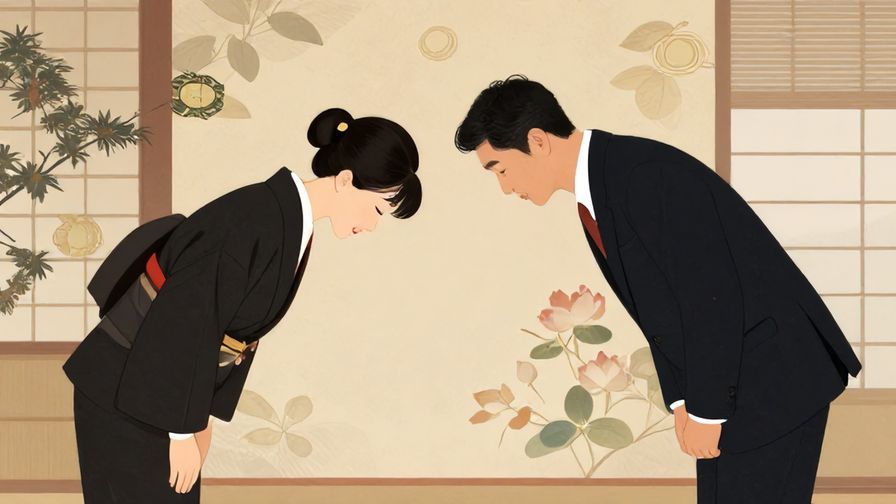
This is a clear, formal way to say the relationship is over.
関係 (Kankei) means “relationship,” and 終わりました (Owarimashita) is the polite past tense of “ended.”
It’s perfect for situations where respect and formality are important.
Use this when you want to sound mature and clear.
It avoids emotional language and focuses on fact.
It’s often used in official or serious contexts.
10. 今後は別々の道を歩みましょう (Kongo wa betsubetsu no michi o ayumimashou) – “From now on, let’s walk separate paths.”

This phrase is poetic and polite.
今後 (Kongo) means “from now on,” 別々の道 (Betsubetsu no michi) means “separate paths,” and 歩みましょう (Ayumimashou) means “let’s walk.”
It’s a gentle way to suggest moving on separately.
Great for avoiding blame and focusing on the future.
It sounds hopeful rather than harsh.
Use it when you want to part with dignity and kindness.
11. これ以上は難しいと思います (Kore ijou wa muzukashii to omoimasu) – “I think it’s difficult to continue any further.”

This phrase expresses difficulty continuing the relationship in a polite, indirect way.
難しい (Muzukashii) means “difficult,” and と思います (to omoimasu) means “I think.”
It’s a soft way to explain the breakup without harshness.
It’s useful when you want to express your feelings thoughtfully.
It avoids direct blame and leaves room for understanding.
Try this when you want to sound considerate and mature.
12. これで関係を終わりにしたいと思います (Kore de kankei o owari ni shitai to omoimasu) – “I would like to end our relationship here.”
This phrase politely states your intention to end things.
したいと思います (Shitai to omoimasu) means “I would like to.”
It’s a respectful, clear way to communicate your wishes.
Great for written or formal conversations.
It’s less abrupt and shows you’ve thought about the decision.
Use it to maintain respect and clarity.
13. ご理解いただけると幸いです (Gorikai itadakeru to saiwai desu) – “I would appreciate your understanding.”

This phrase is often used to politely ask for understanding after delivering difficult news.
ご理解 (Gorikai) means “understanding,” and いただけると幸いです (Itadakeru to saiwai desu) means “I would be grateful if you could.”
It’s perfect for softening a breakup message.
Use it to show respect and empathy.
It’s common in formal or business-like breakups.
Adding this phrase makes your message feel more considerate.
14. もう気持ちが変わりました (Mou kimochi ga kawarimashita) – “My feelings have changed.”

This phrase gently expresses a shift in feelings.
気持ち (Kimochi) means “feelings,” and 変わりました (Kawarimashita) is the polite past tense of “changed.”
It’s a soft way to explain why the relationship can’t continue.
It’s polite and honest without being confrontational.
Great for explaining your emotions clearly.
It helps keep the conversation calm and respectful.
15. これからは別々に生きていきましょう (Kore kara wa betsubetsu ni ikite ikimashou) – “From now on, let’s live separately.”

This phrase is formal and hopeful.
生きていきましょう (Ikite ikimashou) means “let’s live.”
It encourages moving forward separately but peacefully.
It’s a mature way to close a chapter with dignity.
Use it when you want to express growth and acceptance.
It’s great for a polite but final breakup statement.
16. お世話になりました (Osewa ni narimashita) – “Thank you for everything.”

This isn’t a direct breakup phrase but often used to close relationships politely.
It expresses gratitude for the time shared.
Use it to soften the end and show appreciation.
It’s very common in formal or polite breakups.
It leaves a positive impression even when parting ways.
Try this phrase to end on a kind note.
Part 3: Very Casual / Native-like Expressions
17. もう無理っぽい (Mou muri ppoi) – “Looks like it’s impossible now.”

This phrase is casual and a bit slangy.
っぽい (ppoi) means “looks like” or “seems.”
It’s a light way to say the relationship can’t continue.
Good for informal conversations with close friends.
It’s less harsh and a bit playful, but still clear.
Use it only with people who understand casual tone.
18. もう終わったことだよ (Mou owatta koto da yo) – “It’s something that’s already finished.”

This phrase emphasizes the past nature of the relationship.
終わったこと (Owatta koto) means “a finished thing.”
It’s casual but clear about the breakup being done.
It’s useful for expressing closure without drama.
Adding だよ (da yo) softens the tone.
Good for conversations when you want to move on clearly.
19. もう戻れないね (Mou modorenai ne) – “We can’t go back anymore, huh?”

This phrase is casual and slightly wistful.
戻れない (Modorenai) means “can’t return.”
It expresses acceptance that the past can’t be undone.
Adding ね (ne) invites empathy or agreement.
It’s a gentle way to acknowledge the breakup’s reality.
Use this to share a moment of mutual understanding.
20. もう友達でいよう (Mou tomodachi de iyou) – “Let’s just be friends now.”

This phrase offers a friendly way to soften the breakup.
友達でいよう (Tomodachi de iyou) means “let’s be friends.”
It’s popular among younger people to keep a positive connection.
Use it when you want to preserve friendship after ending romance.
It’s casual and hopeful, suggesting new beginnings.
Great for breakups that aren’t entirely bitter.
21. もう終わりなんだ (Mou owari nan da) – “It’s really over now.”
This is a slightly emotional but casual phrase.
なんだ (nan da) adds a tone of realization or emphasis.
It’s good for expressing the finality of the breakup.
Use it when you want to admit the truth with some feeling.
It’s natural and common in everyday speech.
It helps convey closure with a touch of sadness.
22. さよなら、元気でね (Sayonara, genki de ne) – “Goodbye, take care.”

This phrase is a warm and simple farewell.
さよなら (Sayonara) means “goodbye,” and 元気でね (Genki de ne) means “take care.”
It’s perfect for ending on a kind note with good wishes.
Use it when you want to part peacefully and positively.
It’s casual but heartfelt, easy to remember and say.
Great for those last words in any breakup conversation.
Concluding Thought
Breaking up is tough, no matter how you say it. But Japanese gives you many ways to express this difficult moment with thoughtfulness and clarity.
Choosing the right phrase can help you communicate honestly while respecting feelings, whether you want to be casual, formal, or somewhere in between.
Remember, it’s not just the words but how you say them that makes all the difference. Take these phrases as tools to help you part ways with kindness and grace.