22 Japanese ways to say “Huh?”
Ever been in a conversation where someone says something surprising or unclear, and all you can manage is a confused “Huh?” in response? Well, Japanese has a bunch of ways to express that exact feeling, each a little different depending on the situation and how casual or polite you want to be.
Whether you’re just starting to learn Japanese or you want to sound more natural and in-the-know, these expressions are super handy. They’ll help you react naturally when you need a little clarification or just want to show you didn’t quite catch what was said.
From casual to polite, and even some native-level slang, this list covers it all. Plus, we’ll break down pronunciation and meaning so you can use these right away.
Understanding these little nuances can really boost your confidence in conversations and make your Japanese sound much more fluent and natural.
Not only will you avoid awkward silences, but you’ll also gain insight into how Japanese speakers express curiosity or mild confusion in a way that fits the moment perfectly.
Ready to learn 22 different ways to say “Huh?” in Japanese? Let’s dive in!
Getting to Know Japanese “Huh?”
Before we jump into the list, it’s good to remember that Japanese often relies on tone and context to convey confusion or surprise.
So, some expressions might be short sounds or phrases, while others are full words with meanings. Knowing when to use which will help you sound just right in any setting.
Also, practicing these expressions with a beginner phrasebook can really help you get comfortable and remember them better.
Start by listening carefully and repeating these phrases out loud to get a feel for the rhythm and tone.
Once you get the hang of it, you’ll find yourself responding naturally without thinking twice!
Part 1: Casual Suggestions
1. え? (E?) – “Huh?”

This is one of the most common and simple ways to say “Huh?” in Japanese.
Just a quick sound, “え?” (E? – pronounced “eh?”), it’s perfect for showing you didn’t quite catch what was said or you’re a bit surprised.
It’s casual and often used between friends or in informal situations.
Just a short, sharp “E?” can convey your confusion effectively.
A related expression is “ええ?” (Ee?), which sounds a bit more surprised or questioning.
Use this one to keep your reaction light and natural in most casual conversations.
2. なんだって? (Nandatte?) – “What did you say?”

This phrase literally means “What did you say?” and is a friendly way to ask someone to repeat themselves.
It’s casual but polite enough to use with people you know well. “なんだって?” (Nandatte? – pronounced “nahn-dah-tteh?”) breaks down into なん (what) + だって (did say).
Practice saying it with a curious, friendly tone to sound natural.
Be careful not to sound too sharp or demanding — keep it light!
For example, if a friend says something surprising, you can say “なんだって?” to show you want to hear it again.
This is a great phrase to add to your daily conversations for clearer communication.
3. えー? (Ee?) – “Huh?” (expressing surprise)

“えー?” (Ee? – pronounced “ehh?”) is a drawn-out version of “え?” and shows more surprise or disbelief.
It’s very casual and often used when you hear something unexpected or hard to believe.
The stretched sound helps convey your emotional reaction.
Use it when you want to express “Wait, seriously?” or “No way!”
It’s a quick and fun way to show surprise in an informal chat.
Try it out when you hear juicy gossip or shocking news from friends!
4. 何て? (Nante?) – “What?”

“何て?” (Nante? – pronounced “nan-teh?”) is a short form of 何て言った? (Nante itta? – “What did you say?”)
It’s casual and used when you didn’t catch what someone said or want them to repeat it.
The word 何 (nan) means “what,” and て (te) is a casual connector.
It’s a quick way to say “Huh?” without sounding too blunt.
Great for friends and informal settings.
Practice this to sound natural when you need repetition in conversations.
5. なんだよ? (Nandayo?) – “What?” (slightly rough)

“なんだよ?” (Nandayo? – pronounced “nahn-dah-yo?”) is a bit rougher and can sound annoyed or blunt.
It literally means “What is it?” but be careful using it — it’s usually reserved for close friends or situations where a bit of attitude is okay.
If you want to sound casual but not too polite, this fits.
Try to keep your tone playful to avoid sounding rude.
It’s great for expressing “Huh?” with a bit of edge or disbelief.
Use it sparingly, and only when you know your listener well.
6. ん? (N?) – “Huh?” (very casual sound)

“ん?” (N? – pronounced like a soft “n?”) is the shortest and most casual way to say “Huh?” or “What?”
It’s basically a questioning sound, similar to “Hmm?” in English.
Use it when you want to react casually without words.
This sound is very common among friends and informal chats.
It’s so short that it’s perfect when you’re caught off guard or just want to prompt someone to repeat.
Practice this to enhance your natural Japanese listening skills.
7. えっと? (Etto?) – “Uh?” (thinking sound)

“えっと?” (Etto? – pronounced “eh-ttoh?”) is like saying “Uh?” or “Let me think…” in English.
It’s often used when you’re trying to recall something or need a moment before answering.
This one is less about confusion and more about hesitation or thinking.
Perfect to use if someone asks you a question and you want a moment.
It adds a polite pause to your conversation.
Try using it when you want to sound thoughtful.
8. はあ? (Haa?) – “Huh?” (surprised or irritated)

“はあ?” (Haa? – pronounced “haa?”) can mean “Huh?” but with a tone of irritation or disbelief.
It’s not always rude, but it definitely shows you’re surprised or questioning something strongly.
Use it carefully, as it can sound confrontational.
Great for situations where you want to express “What?! Are you serious?”
It adds emotional weight to your reaction.
Practice varying your tone to avoid sounding harsh.
Part 2: Polite & Formal Suggestions
9. もう一度お願いしますか? (Mou ichido onegaishimasu ka?) – “Could you please say that again?”

This is a polite and formal way to ask someone to repeat what they said.
“もう一度” (Mou ichido) means “one more time,” and “お願いしますか?” (onegaishimasu ka?) means “please?”
It’s perfect for work, formal settings, or anyone you want to show respect to.
Though longer than a casual “Huh?”, it’s very clear and polite.
Use it when you want to be extra courteous and ensure understanding.
Great phrase to memorize for professional conversations.
10. すみません、もう一度言ってもらえますか? (Sumimasen, mou ichido itte moraemasu ka?) – “Excuse me, could you say that again?”

This is another formal, polite phrase to ask for repetition.
“すみません” (Sumimasen) means “excuse me,” and the rest politely asks “could you say it again?”
It’s great for situations where you want to show respect and politeness.
Perfect for teachers, business meetings, or formal discussions.
Using this phrase shows good manners and a willingness to understand.
Practice this to impress native speakers in formal contexts.
11. 失礼ですが、もう一度お願いします (Shitsurei desu ga, mou ichido onegaishimasu) – “Pardon me, but could you say that again?”

This phrase is very polite and humble.
“失礼ですが” (Shitsurei desu ga) means “Excuse me” or “Pardon me,” adding formality.
It’s perfect when you want to politely admit you didn’t catch something and ask again.
Great for Japanese business or formal social settings.
Using this phrase can help maintain good etiquette and respect.
Practice it when you want to sound very polite and considerate.
12. 申し訳ありませんが、もう一度言っていただけますか? (Moushiwake arimasen ga, mou ichido itte itadakemasu ka?) – “I apologize, but could you please say that again?”

This is a very formal and humble way to ask for repetition.
“申し訳ありません” (Moushiwake arimasen) means “I’m very sorry,” showing deep apology.
Use this when you want to be extremely polite, such as with superiors or in official situations.
It’s more than just “Huh?” — it’s a respectful request.
Great for impressing native speakers with your politeness.
Try this when you want to be very formal and apologetic.
13. もう一度よろしいでしょうか? (Mou ichido yoroshii deshou ka?) – “May I ask you to say that again?”

This phrase is polite and soft, asking if it’s okay to ask again.
“よろしいでしょうか” (Yoroshii deshou ka?) is a polite way to ask permission.
It’s useful when you want to be formal but gentle.
Great for social situations or polite conversations.
Using this phrase shows respect and consideration.
Practice it to sound refined and courteous.
14. もう一度繰り返していただけますか? (Mou ichido kurikaeshite itadakemasu ka?) – “Could you please repeat that once more?”

This is a polite and clear way to ask someone to repeat what they said.
“繰り返していただけますか” (Kurikaeshite itadakemasu ka?) means “Could you repeat?” politely.
It’s suitable for formal and semi-formal settings.
Great for classroom or business conversations.
Using this phrase helps you sound respectful and clear.
Practice it to improve your listening and speaking skills.
15. 申し訳ありませんが、もう一度おっしゃっていただけますか? (Moushiwake arimasen ga, mou ichido osshatte itadakemasu ka?) – “I’m very sorry, but could you say that again?”
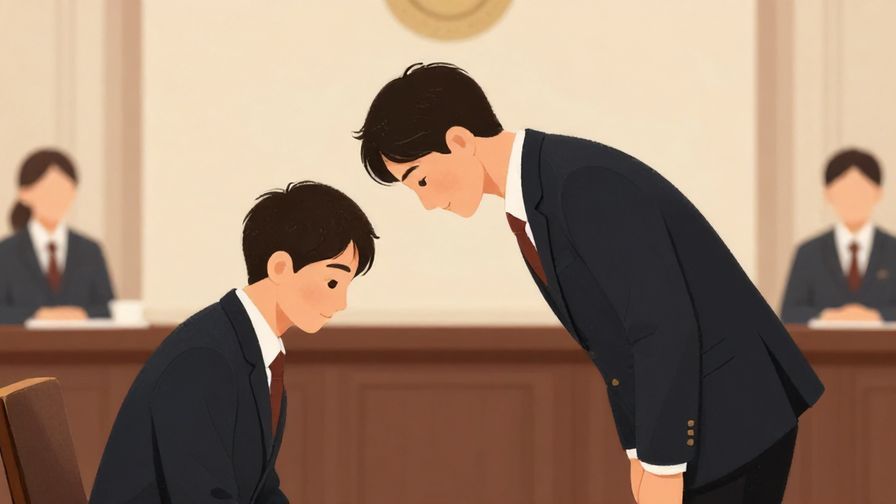
This phrase is extremely polite and respectful, using “おっしゃる” (ossharu), the honorific form of “say.”
It’s perfect for very formal occasions or when speaking with someone of higher status.
Use it to show humility and respect while asking for repetition.
It’s a bit long but very effective in the right context.
Great phrase to memorize for advanced learners.
Practice this to sound truly polished and respectful.
16. もう一度確認させていただけますか? (Mou ichido kakunin sasete itadakemasu ka?) – “May I confirm that again?”

This is a polite way to ask for confirmation rather than just repetition.
“確認させていただけますか” (Kakunin sasete itadakemasu ka?) means “May I confirm?”
It’s useful when you want to clarify and confirm information politely.
Great for business or formal conversations.
Using this phrase shows professionalism and care.
Try it out when you want to double-check important details.
Part 3: Very Casual / Native-like Expressions
17. なにそれ? (Nani sore?) – “What’s that?”

“なにそれ?” (Nani sore? – pronounced “nah-nee so-reh?”) literally means “What’s that?” but is often used to express surprise or confusion.
It’s very casual and common among friends.
Good for reacting to something surprising or confusing.
It’s playful and informal, so save it for close friends.
Try this one to sound more like a native speaker in casual chats.
It’s perfect for quick, natural reactions.
18. なんてこった! (Nante kotta!) – “What the heck!”

This is a strong, casual exclamation meaning “What the heck!” or “Oh no!”
“なんて” (Nante) means “what kind of,” and “こった” (kotta) is a slangy form of “ことだ” (koto da – “thing is”).
It’s often used when something unexpected or unfortunate happens.
Use it to express surprise mixed with disbelief or frustration.
Great for storytelling or reacting to shocking news.
Practice this to add flair to your casual Japanese.
19. まじで? (Maji de?) – “Seriously?”

“まじで?” (Maji de? – pronounced “mah-jee deh?”) means “Seriously?” or “For real?”
“まじ” (Maji) is slang for “serious,” and “で” (de) is a question particle.
It’s very casual and popular among young people.
Use it when you want to show surprise or doubt.
It’s quick and packs a punch in casual conversations.
Try saying it with a skeptical or surprised tone.
20. なんだってばよ! (Nandatte bayo!) – “What did you say?!” (playful, Naruto style)

This phrase is a playful and exaggerated way to say “What did you say?!”
It became famous thanks to the anime Naruto, where the character uses “ばよ” (bayo) as a quirky sentence ending.
“なんだって” (Nandatte) means “What did you say?”
Use it among friends for fun or to mimic anime characters.
It’s not for formal use, but it’s great for fans or casual chats.
Practice it for a fun, native-like vibe.
21. え、なにそれマジで? (E, nani sore maji de?) – “Huh, what? Seriously?”
This combines a few casual expressions into one natural reaction.
“え” (E) for “Huh,” “なにそれ” (Nani sore) for “What’s that?” and “マジで” (Maji de) for “Seriously?”
It’s perfect for expressing strong surprise and confusion.
Very common in everyday conversations with friends.
Try this combo to sound like a native reacting naturally.
It’s a great phrase to practice for casual chats.
22. は? (Ha?) – “Huh?” (rude or confused)

“は?” (Ha? – pronounced “ha?”) is a very blunt way to say “Huh?” or “What?”
It can sound rude or confrontational if you’re not careful.
Used mostly when you’re shocked or offended.
Be cautious with this one, as it’s not polite and can cause misunderstandings.
It’s better to use it only with close friends who understand your tone.
Practice tone control if you decide to use it to avoid sounding harsh.
Concluding Thought
Learning these 22 ways to say “Huh?” in Japanese opens up a whole new level of natural conversation. You can express confusion, surprise, or ask for repetition in ways that fit the mood perfectly.
Remember, matching the tone and situation is key to sounding natural and respectful, whether casual or formal.
Keep practicing these expressions, and soon you’ll find yourself reacting like a native speaker, making your Japanese conversations flow smoothly and effortlessly!